


Clinical guide
Addiction Recovery Without Quitting Your Job
Outpatient rehab, telehealth therapy, and discreet counseling let New Jersey residents pursue addiction recovery while staying employed full time.
By Paul James Roeser·Reviewed by Noelle Mathew, LCSW, LCADC, CASAC-M·9 min read
Published ·Updated
Balancing your job while managing addiction recovery feels impossible, especially when every part of your life demands performance. But you don’t need to walk away from your work to take back control. Across New Jersey, discreet and flexible options now support sobriety without requiring a leave of absence.
According to the New Jersey Department of Human Services (2023), 38% of residents who received addiction treatment maintained active employment during recovery.
Help is available through outpatient rehab, Telehealth therapy, and discreet counseling programs.
Can You Recover From Addiction Without Leaving Work?
Yes, you can recover from addiction without leaving work depending on the medical requirements. Many people that do not require full medical detox begin addiction recovery through structured programs that allow them to maintain their employment while receiving professional help. Options like outpatient rehab, virtual therapy sessions, and flexible treatment plans support a sober lifestyle without disrupting your job.
These programs are designed to help you manage workplace stress, avoid relapse triggers, and access addiction support discreetly. With the right combination of therapy, coping strategies, and clinical supervision, it’s possible to continue working and still achieve lasting sobriety.
What Are The Best Treatment Options For Working Professionals?
The best addiction treatment options for working professionals include intensive outpatient programs, telehealth programs, evening therapy sessions, and discreet workplace counselling. These solutions provide access to professional help while maintaining job stability.
The best addiction treatment options for working professionals are as follows:
Intensive Outpatient Programs (IOPs)
Intensive Outpatient Programs are one of the most effective options for maintaining addiction recovery while staying employed. These programs offer multiple therapy sessions per week, in the evenings, allowing you to continue meeting your workplace responsibilities. You receive structured substance use treatment, group counselling, and access to coping tools without putting your career on hold.
In New Jersey, many IOPs are designed for professionals facing high work stress and time constraints. Intensive Outpatient Programs give you the flexibility to schedule recovery around your job, making them ideal for building a sober lifestyle while staying productive.
Telehealth Programs
Telehealth rehab programs deliver addiction treatment through secure video sessions when schedule, mobility, or travel prevents consistent in-person care. You work through relapse triggers, learn coping strategies, and engage with a therapist from home without interrupting the workday.
As an example, In New Jersey, licensed providers offer structured Telehealth Programs that include weekly individual therapy sessions, virtual group support, and progress monitoring. These programs support recovery at work, eliminate commute barriers, and make it easier to maintain sobriety while staying fully engaged in your employment.
Evening and Weekend Therapy Sessions
Evening and weekend therapy sessions give you access to addiction counselling outside standard business hours, making it possible to protect your employment while staying on track with addiction recovery. These sessions cover stress management, relapse prevention, and building a sober lifestyle that fits your daily routine.
New Jersey clinics that offer flexible scheduling recognize the demands of workplace recovery. By attending therapy sessions after work or on weekends, you stay consistent in treatment without sacrificing job performance. This approach helps you manage work stress and reduce exposure to common triggers during your recovery process.
Discreet Workplace Counselling
Discreet workplace counselling offers confidential support to help you navigate addiction recovery without exposing your situation at work. These services are coordinated through Employee Assistance Programs (EAPs) or local providers who specialize in job-safe recovery solutions. Sessions are focused on addressing work stress, personal challenges, and early relapse triggers in a private setting.
In New Jersey, many employers partner with licensed counselors who understand the dynamics of workplace addiction. These programs help you maintain your employment, protect your privacy, and access structured support without disrupting your professional standing. It’s a key option for staying sober at work while keeping your recovery journey private.
How to Balance Work Responsibilities With Recovery?
Balancing work responsibilities with recovery by having a consistent daily routine, taking breaks, keeping recovery appointments, setting boundaries with coworkers or workload, and having a recovery support network. Managing both means protecting your employment while staying engaged in therapy, avoiding triggers, and sticking to a recovery routine.
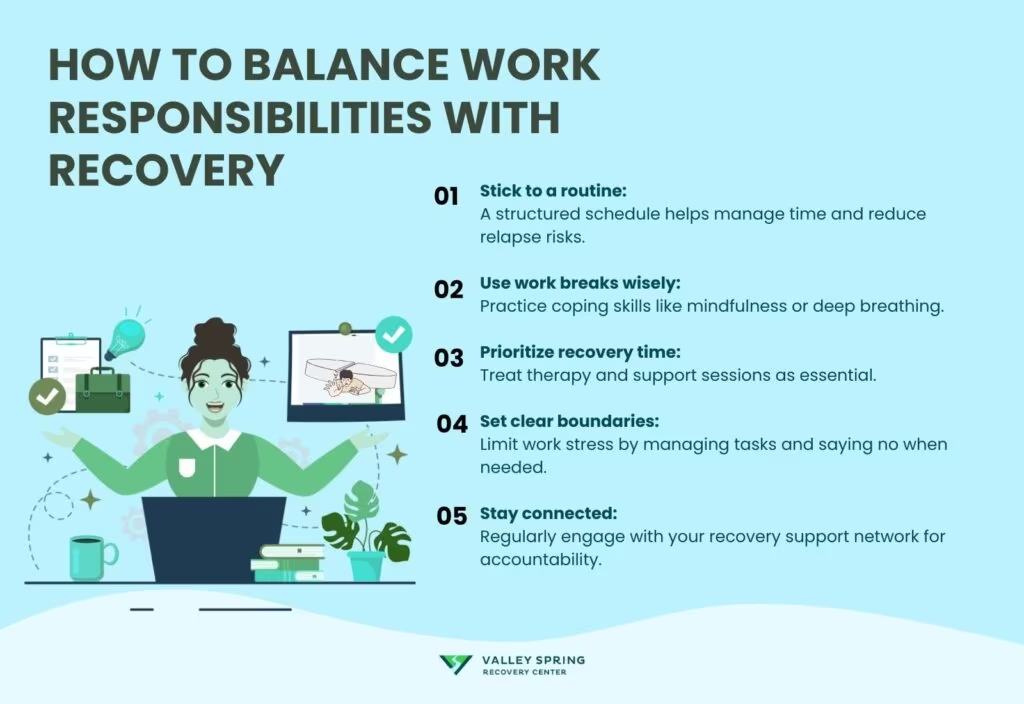
The steps to balance work responsibilities with recovery are as follows:
- Set a consistent daily routine: Structure helps you manage time between your job and treatment sessions. Keeping a set schedule reduces mental fatigue and limits exposure to relapse triggers.
- Use breaks to practice coping tools: Take short breaks during the workday to use mindfulness, breathing exercises, or grounding strategies learned in therapy.
- Keep recovery appointments non-negotiable: Protect your time for therapy sessions, group counselling, or virtual rehab. Prioritizing treatment shows commitment to your sober lifestyle and helps sustain progress.
- Set boundaries with coworkers or workload: Communicate limits to avoid overworking or falling into patterns that increase stress. Overcommitment is a known relapse risk, especially in high-pressure jobs.
- Stay connected to a recovery support network: Keep in regular contact with your addiction support system, counselors, sponsors, or sober peers. They provide accountability and guidance when balancing work and recovery from addiction.
Should I Tell My Employer About My Addiction?
No, you don’t have to tell your employer about your addiction. Disclosure is voluntary unless your substance use affects your job performance or safety. In New Jersey, laws like the Americans with Disabilities Act (ADA) and Family and Medical Leave Act (FMLA) protect your right to seek addiction treatment without forced disclosure.
If you choose to tell your employer, it’s best to do so in a controlled, confidential setting, after consulting with a counsellor or legal advisor. Many professionals maintain sobriety and access therapy without informing their workplace directly.
What Workplace Rights Protect New Jersey Employees In Recovery?
New Jersey employees in addiction recovery are protected under the Americans with Disabilities Act (ADA), the New Jersey Law Against Discrimination (NJLAD), and the Family and Medical Leave Act (FMLA).
Addiction qualifies as a disability when a substance use disorder substantially limits a major life activity, although current illegal drug use, essential job duties, and uniformly applied conduct rules change how federal protection applies.
These laws prohibit discrimination based on past or current participation in a treatment program, and they allow you to take protected leave for rehab, therapy sessions, or medical counselling.
Employers must provide reasonable accommodations, as long as you’re not actively using substances in the workplace. These rights help you stay employed while seeking professional help.
Can I Be Fired For Going To Rehab?
No, you cannot be fired for going to rehab if you follow legal and workplace procedures. Under the FMLA and ADA, you're protected when seeking addiction treatment as long as you inform your employer appropriately and you're not using substances at work.
If you request leave for therapy, detox, or outpatient rehab, your job is legally protected during that time. Employers in New Jersey must respect your right to get professional help without retaliation, provided you meet performance expectations and comply with company policies.
What Coping Strategies Help You Stay Sober At Work?
The coping strategies to help you stay sober at work include structured breaks, trigger planning, accountability systems, and routine check-ins with support. Practicing them consistently reinforces your commitment to a sober lifestyle.
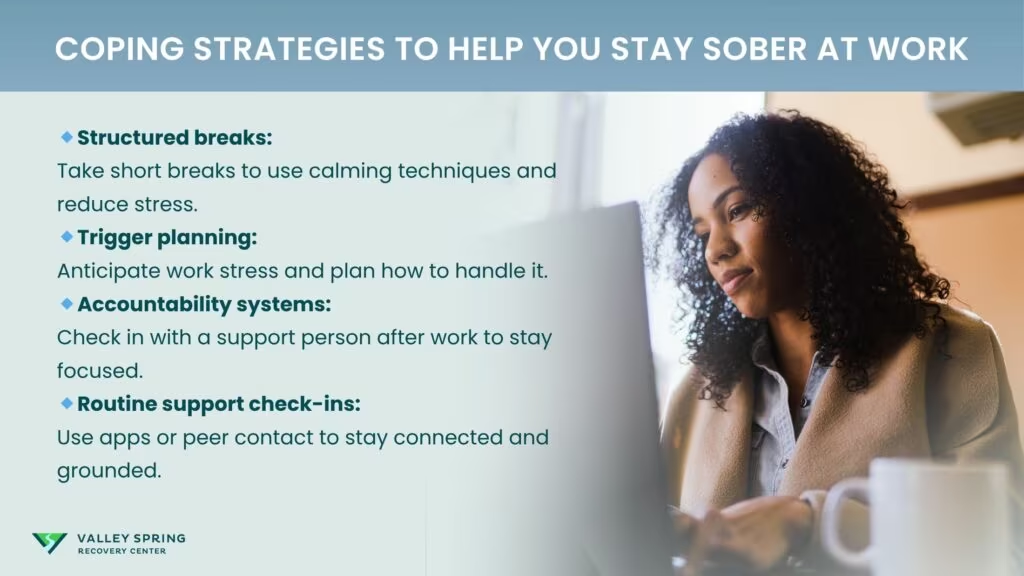
The coping strategies to help you stay sober at work are:
- Structured breaks: Use short breaks during the day to reset your mind and apply grounding techniques. This lowers emotional buildup and reduces the impulse to escape through substance use.
- Trigger planning: Identify stress points in your workday and prepare responses in advance. Having a clear plan weakens the power of unexpected relapse triggers.
- Accountability systems: Check in with a sponsor, mentor, or counsellor after work. It reinforces your sobriety goals and helps track daily emotional changes.
- Routine check-ins with support: Use apps, support groups, or peer calls to stay connected. This builds structure and reminds you that you’re not doing recovery at work alone.
Fears And Stereotypes Of Working While In Rehab
The fears and stereotypes of addiction recovery while working include being judged as unreliable, facing job loss, being seen as weak, and assumptions of relapse. These concerns stop professionals from seeking treatment or asking for support.
In reality, many employers support recovery at work, especially when it is handled with discretion and backed by strong therapeutic routines. Challenging these myths helps reduce stigma and protect your path to sobriety.
Can Remote Workers Access Effective Addiction Recovery?
Yes, remote workers can access effective addiction recovery through telehealth programs, virtual rehab, and remote therapy sessions. These services provide structured support while allowing you to stay in your home environment. Online access to counselling, relapse prevention, and coping strategies makes it easier to maintain sobriety without travel or schedule disruption.
Many New Jersey providers now offer full addiction treatment plans that are confidential, flexible, and designed to support recovery in a remote work setting.
Where Can You Find Discreet Recovery Help For Professionals?
Places to find discreet recovery help for professionals include outpatient rehab clinics, private counseling centers, and behavioral health facilities AA and NA Meetings that offer confidential support. These services are built to protect your privacy while giving you access to structured addiction recovery.
Places to find discreet recovery help for professionals in New Jersey are :
- Outpatient rehab clinics: Facilities like Valley Spring Recovery Center offer outpatient rehab with flexible hours and discreet scheduling. These centers support your sobriety without requiring a break from work.
- Private counseling centers: One-on-one therapy sessions at private practices ensure complete confidentiality. You receive targeted help for workplace triggers and personal stress without public exposure.
- Behavioral health facilities: Institutions like Rutgers Behavioral Health provide specialized treatment programs for working adults. They offer access to professional help without disrupting your employment.
Each of these options is designed with the demands of career-driven clients in mind and supports rehab for working professionals without compromising discretion or effectiveness.
Are Sober Support Groups Like NA and AA Meetings Confidential?
Confidentiality is a cornerstone of sober support groups like Alcoholics Anonymous (AA) and Narcotics Anonymous (NA). An estimated 2.1 million people in the U.S. attend AA meetings each year (AA Membership Survey, 2022), and their willingness to participate rests heavily on the trust that personal information and stories remain private. The very word Anonymous in these group names reflects the importance placed on protecting identities and respecting privacy.
Members typically introduce themselves using only first names, and what is shared in the meeting is not documented or disclosed outside of the group. This practice ensures that individuals can speak openly without fear of judgment or exposure.
While NA and AA are not covered by medical privacy laws like HIPAA, the traditions of these fellowships strictly protect members’ identities and stories. Confidentiality is reinforced by group culture, the use of closed meetings for members only, and the expectation that anonymity is respected both inside and outside the meeting.