


Mental health guide
Eating Disorders: Types, Symptoms, Causes, and Treatment
Eating disorders disturb eating behavior and body image across 5 DSM-5 types. Prevalence, symptoms, causes, mortality data, and treatment, with sources.
By Paul James Roeser·Reviewed by Dr. Michael Olla, MD·12 min read
Published ·Updated
Eating disorders are mental health conditions defined by severe disturbances in eating behavior and the thoughts and emotions attached to food, weight, and body image. The DSM-5-TR's feeding and eating disorders chapter contains 7 diagnoses: anorexia nervosa, bulimia nervosa, binge-eating disorder, avoidant/restrictive food intake disorder (ARFID), pica, rumination disorder, and other specified feeding or eating disorder.
The conditions are uncommon and serious. Lifetime prevalence among U.S. adults is 0.80% for anorexia nervosa, 0.28% for bulimia nervosa, and 0.85% for binge eating disorder, per Udo and Grilo's 2018 analysis of 36,306 adults, and anorexia nervosa carries the highest mortality of the group, per Arcelus and colleagues' 2011 meta-analysis in Archives of General Psychiatry.
Anyone in medical crisis calls 911, and anyone in psychiatric crisis, including thoughts of suicide or self-harm, calls or texts 988, the Suicide and Crisis Lifeline, which answers 24 hours a day across the United States. New Jersey designates a psychiatric emergency screening service in every county, and those screening centers handle involuntary evaluation and inpatient placement. Crisis routing comes first, ahead of any question about which program fits.
Does Valley Spring Recovery Center Treat Eating Disorders?
Valley Spring Recovery Center does not treat eating disorders, because a New Jersey outpatient mental health license, #70420104, does not authorize the medical monitoring, weight restoration, and supervised refeeding that anorexia nervosa, bulimia nervosa, and avoidant/restrictive food intake disorder require.
Valley Spring Recovery Center offers an adult with an eating disorder three things: a clinical assessment, a referral to an eating disorder specialist program that provides medical monitoring and supervised refeeding, and co-occurring support where an eating disorder sits alongside a condition Valley Spring Recovery Center does treat. Those conditions are anxiety, depression, PTSD, trauma, bipolar disorder, OCD, ADHD, borderline personality disorder, schizophrenia spectrum disorders, and substance use disorder. The specialist program holds the eating disorder; Valley Spring Recovery Center holds the co-occurring condition, and the two treatment teams coordinate. Dual Diagnosis Treatment sets out how that division of responsibility works.
Valley Spring Recovery Center treats mental health at two levels of care, Intensive Outpatient Program (IOP) and Outpatient, for adults 18 and older, and does not treat anyone under 18. Valley Spring Recovery Center does not operate detox, methadone, inpatient, residential, or partial hospitalization services, and refers those presentations out. Outpatient care serves people who are psychiatrically and medically stable. Dialectical Behavior Therapy is one of the modalities used for the emotional regulation and distress tolerance difficulties that accompany conditions such as borderline personality disorder.
What Are Eating Disorders?
Eating disorders are psychiatric conditions in which disturbed eating behavior, restriction, bingeing, purging, or avoidance, combines with distorted thoughts about food, weight, and body image to impair physical health and daily functioning, per the DSM-5-TR's feeding and eating disorders chapter.
The population numbers come from two national surveys. Udo and Grilo's 2018 NESARC-III analysis of 36,306 U.S. adults recorded lifetime prevalence of 0.80% for anorexia nervosa, 0.28% for bulimia nervosa, and 0.85% for binge eating disorder, with 12-month rates of 0.05%, 0.14%, and 0.44%. The earlier National Comorbidity Survey Replication, analyzed by Hudson and colleagues in 2007, recorded higher lifetime rates among women, anorexia 0.9%, bulimia 1.5%, binge eating disorder 3.5%, against 0.3%, 0.5%, and 2.0% among men. In both surveys women carried significantly greater odds of every diagnosis, all three disorders were heavily comorbid with other psychiatric conditions, and only a minority of cases ever sought treatment. The individual diagnoses differ sharply in behavior and risk.

Clinical perspective
Eating disorders and substance use disorders overlap more than people expect, because at the core, both can be about controlling an unbearable feeling through control of something external — food, a substance, doesn't matter. Screening for both whenever one appears matters, because treating a restrictive eating pattern without asking about substance use, or the other way around, misses half the picture.
What Are the Types of Eating Disorders?
The 5 main types of eating disorders are anorexia nervosa, bulimia nervosa, binge eating disorder, avoidant/restrictive food intake disorder (ARFID), and other specified feeding or eating disorders, per the DSM-5-TR classification.
Urophagia describes urine ingestion, lacks a standalone DSM-5-TR diagnosis, and requires assessment for cultural practice, misinformation, or compulsive behavior rather than automatic classification as pica or an eating disorder.
Anorexia Nervosa
Anorexia nervosa is defined by restriction of energy intake leading to significantly low body weight, an intense fear of gaining weight, and disturbed body image. Lifetime prevalence is 0.6% of U.S. adults, three times higher among females (0.9%) than males (0.3%), per NIMH's NCS-R statistics. The medical risk is the defining fact: anorexia nervosa carries a standardized mortality ratio of 5.86, meaning death rates nearly six times the age-matched population, at a weighted 5.1 deaths per 1,000 person-years, and 1 in 5 individuals with anorexia who died had died by suicide, per Arcelus and colleagues' 2011 meta-analysis. That suicide risk is why crisis access belongs beside the diagnosis: 988 answers by call or text, 24 hours a day, and 911 handles medical emergency.
Bulimia Nervosa
Bulimia nervosa involves recurrent binge eating episodes followed by compensatory behavior, self-induced vomiting, excessive exercise, or misuse of laxatives, aimed at preventing weight gain. Past-year prevalence is 0.3% of U.S. adults, five times higher among females (0.5%) than males (0.1%), and 78.0% of past-year cases carry role impairment, per NIMH's statistics. The purging produces dehydration, electrolyte imbalance, and cardiac arrhythmia risk, and the standardized mortality ratio is 1.93 (Arcelus et al., 2011).
Binge Eating Disorder
Binge eating disorder is defined by recurrent episodes of eating large quantities of food with a sense of lost control, without compensatory behavior. It is the most prevalent eating disorder: past-year prevalence is 1.2% of U.S. adults (females 1.6%, males 0.8%) and lifetime prevalence 2.8%, with 62.6% of past-year cases carrying role impairment, per NIMH. Medical consequences concentrate in metabolic territory, type 2 diabetes, hypertension, and severe obesity, and lifetime binge eating disorder is specifically associated with severe obesity, a body mass index of 40 or higher (Hudson et al., 2007).
Avoidant/Restrictive Food Intake Disorder (ARFID)
ARFID is avoidance or restriction of food driven by sensory characteristics, fear of aversive consequences such as choking, or low interest in eating, without the body-image disturbance of anorexia. The restriction produces weight loss, nutritional deficiency, and in severe cases dependence on nutritional supplements or tube feeding. ARFID presents most often in children and adolescents and persists into adulthood in a share of cases.
Other Specified Feeding or Eating Disorders
Other specified feeding or eating disorder (OSFED) covers presentations that cause clinically significant distress and impairment without meeting full criteria for another diagnosis. The named examples in the DSM-5-TR include atypical anorexia nervosa, where all anorexia criteria are met without low weight, low-frequency bulimia nervosa, and night eating syndrome. Severity is not lower by definition; the medical risks track the behaviors present.
What Are the Symptoms of Eating Disorders?
The symptoms of eating disorders combine abnormal eating patterns, psychological distress, and physical complications, in patterns that differ by diagnosis: restriction and denial of hunger in anorexia, binge-purge cycles in bulimia, loss-of-control eating in binge eating disorder, and sensory-driven avoidance in ARFID.
Specific symptoms across five major types of eating disorders: Anorexia Nervosa, Bulimia Nervosa, Binge Eating Disorder, Avoidant/Restrictive Food Intake Disorder (ARFID), and Other Specified Feeding or Eating Disorders.
| Symptoms of Eating Disorders | ||||
| Anorexia Nervosa | Bulimia Nervosa | Binge Eating Disorder | ARFID | Other Specified Disorders |
| • Excessive weight loss from extreme dieting and exercise | • Over-eating episodes with loss of control | • Regular binge eating until discomfort | • Food avoidance due to sensory characteristics | • Atypical anorexia: Similar to anorexia but less weight loss |
| • Faulty body image perception | • Compensatory behavior (self-induced vomiting, aggressive exercise) | • No self-control over food quantity | • Significant weight loss | • Less frequent bulimia: Fewer binge-eating and compensatory behaviors |
| • Fear of food consumption and calories | • Obsession with body weight | • No compensatory behaviors | • Malnutrition | • Night eating syndrome: Excessive eating at night |
| • Pale skin | • Thyroid issues | • Health issues (obesity, diabetes) | • Social avoidance | • Significant distress and impairment |
| • Brittle nails and hair | • Stomach problems | • Distress | • Stunted growth | |
| • Denial of hunger | • Guilt | • Shame | • Fatigue | |
| • Irritability | • Shame | • Guilt | • Anxiety | |
| • Depression | • Anxiety | |||
What Are the Causes of Eating Disorders?
The causes of eating disorders are combined genetic, neurobiological, hormonal, and environmental contributions, and the genetic share is quantified: twin studies attribute 48% to 74% of anorexia nervosa risk and 39% to 45% of binge eating disorder risk to genetic factors, per Yilmaz, Hardaway, and Bulik's 2015 review in Advances in Genomics and Genetics.
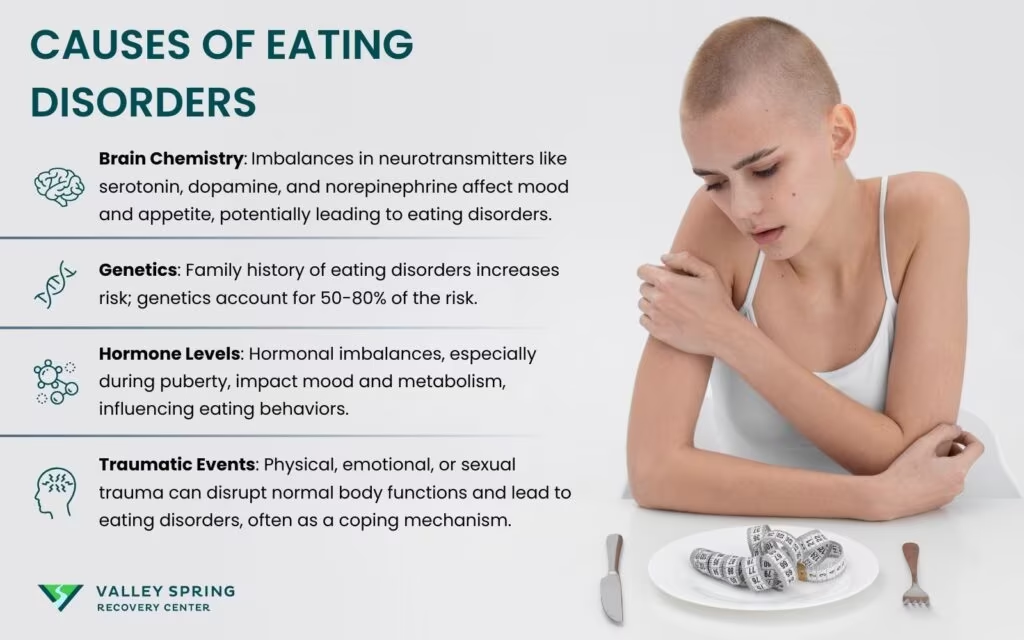
The 4 documented contributors:
- Genetics: Eating disorders are strongly familial, and inherited addiction risk reflects the interaction of genetic variation with development and environment. Relatives of a person with anorexia nervosa carry a four-fold elevated risk, and the genetic correlation between anorexia and bulimia is 0.79, which explains the crossover between the two presentations (Yilmaz et al., 2015).
- Brain chemistry: Serotonin, dopamine, and norepinephrine signaling regulate appetite, mood, and reward, and disturbances in these systems accompany restriction and bingeing behavior, shaping hunger perception and satiety.
- Hormone levels: Hormonal shifts, particularly estrogen and cortisol changes around puberty, influence mood, metabolism, and eating patterns, which is one reason onset clusters in adolescence.
- Traumatic events: Physical, emotional, and sexual trauma precede eating disorder onset in a substantial share of cases, with disordered eating functioning as a coping response to distress.
How Is an Eating Disorder Diagnosed?
An eating disorder is diagnosed through combined medical and psychological evaluation against the DSM-5-TR criteria. The medical workup measures body mass index, heart rate, and blood pressure, and laboratory tests screen for electrolyte imbalance, liver and kidney function, thyroid levels, and nutritional deficiencies, the physical signature of restriction and purging. The psychological evaluation examines thoughts and emotions attached to food, weight, and body image, and the final diagnosis assigns type and severity from the DSM-5-TR criteria.
"Diagnosing an eating disorder involves evaluating both physical and psychological health. Initially, physical assessments like BMI, heart rate, and lab tests for electrolyte imbalances are conducted. A mental health professional then assesses the patient's attitudes toward food, weight, and body image. The final diagnosis follows DSM-5 criteria to determine the type, severity, and appropriate treatment for the disorder."
Dr Michael Olla
What Is the Difference Between Eating Disorders vs. Food Addiction?
The difference between eating disorders and food addiction lies in their core characteristics and medical recognition. Eating disorders are clinically recognized mental health conditions focused on overall eating behaviors and body image, while food addiction is a behavioral condition specifically centered on the compulsive consumption of certain foods, particularly those high in sugar, fat, and salt.
| Aspect | Eating Disorders | Food Addiction |
| Definition | Mental health conditions with severe disturbances in eating behaviors | Behavioral addiction to consuming specific foods |
| Focus | Overall eating patterns and body image | Compulsive consumption of particular foods |
| Types | Anorexia nervosa, bulimia nervosa, binge eating disorder | Single condition focusing on addictive eating |
| Influences | Genetic, biological, psychological, and social factors | Brain reward pathways similar to substance addiction |
| Recognition | Clinically recognized in DSM-5 | Not universally recognized as a distinct disorder |
| Treatment | Comprehensive medical, nutritional, and psychological interventions | Behavioral therapies and support groups |
| Key Feature | Disturbances in eating behaviors, thoughts, and emotions | Loss of control over eating specific foods |
What Are the Complications of Eating Disorders?
The complications of eating disorders fall into 2 categories: physical complications, led by malnutrition, cardiac arrhythmia, and electrolyte imbalance, and psychological complications, led by depression and anxiety. The mortality data quantifies the endpoint of the physical track, which is why untreated presentations require medical attention rather than watchful waiting.
Physical complications:
- Malnutrition weakening bones, muscles, and the immune system
- Irregular heart rate and blood pressure
- Electrolyte imbalance producing cardiac arrhythmias, especially in bulimia nervosa
- Metabolic disease including obesity, type 2 diabetes, and heart disease, concentrated in binge eating disorder
Mental and emotional complications:
- Depression and anxiety, the most frequent comorbidities across all three major diagnoses (Hudson et al., 2007)
- Emotional distress, guilt, and shame attached to eating episodes
- Distorted thoughts about food, weight, and body image that persist between episodes
"Eating disorders place extreme stress on the body, leading to severe physical and psychological consequences. Physically, they can cause significant weight fluctuations, heart issues, electrolyte imbalances, and organ damage. Psychologically, they often result in intense anxiety, depression, and a distorted body image. The chronic stress from these disorders can profoundly impact overall health and quality of life."
Dr. Michael Olla
What Are the Treatment Options for Eating Disorders?
The treatment options for eating disorders are psychotherapy, medication, nutritional counseling, specialist eating disorder programs, hospitalization, and support groups, matched to diagnosis and medical severity.
The 6 treatment options:
- Psychotherapy: Cognitive behavioral therapy (CBT) targets the thoughts and behaviors maintaining the disorder, and family-based therapy (FBT) leads for adolescents with anorexia nervosa, placing parents in charge of refeeding.
- Medication: Antidepressant and mood-stabilizing prescriptions manage co-occurring depression and anxiety under psychiatric monitoring; medication supports rather than replaces the behavioral treatment.
- Nutritional counseling: Registered dietitians rebuild eating structure and repair deficiencies, the component psychotherapy alone does not cover.
- Specialist eating disorder programs: Multidisciplinary centers combine medical monitoring, supervised refeeding, psychological treatment, and nutritional care, the level of care Valley Spring Recovery Center refers to.
- Hospitalization: Inpatient care stabilizes medical emergencies, severe malnutrition, cardiac complications, and refeeding risk, with 24/7 medical attention.
- Support groups and counseling: Community support sustains recovery after formal treatment; the structure of peer-support programs is covered under 12-step programs.
Can You Prevent an Eating Disorder?
No reliable prevention method exists, because genetic risk cannot be modified. Early education on healthy eating patterns, body-image resilience, and early screening in adolescence, when onset concentrates, reduce risk and catch cases before medical complications accumulate.
Can Stress Lead to an Eating Disorder?
Yes. Traumatic and stressful events precede onset in a substantial share of cases, and stress hormones including cortisol alter appetite and eating patterns. Stress operates as a trigger on top of genetic vulnerability rather than as a sole cause.
Are Eating Disorders Genetic?
Yes, in substantial part. Twin studies attribute 48% to 74% of anorexia nervosa risk and 39% to 45% of binge eating disorder risk to genetics, and family members of a person with anorexia carry four-fold elevated risk, per Yilmaz, Hardaway, and Bulik's 2015 review.
Sources & References6ShowHide
- Udo T, Grilo CM. Prevalence and Correlates of DSM-5-Defined Eating Disorders in a Nationally Representative Sample of U.S. Adults. Biological Psychiatry, 2018 (PMC) — NESARC-III, 36,306 adults: lifetime prevalence AN 0.80%, BN 0.28%, BED 0.85%; 12-month 0.05%, 0.14%, 0.44%; odds of all three diagnoses significantly greater for women.
- NIMH — Eating Disorders Statistics (National Comorbidity Survey Replication) — Past-year prevalence: binge eating disorder 1.2% (females 1.6%, males 0.8%), bulimia nervosa 0.3% (females 0.5%, males 0.1%); lifetime anorexia nervosa 0.6% (females 0.9%, males 0.3%); 62.6% of past-year BED and 78.0% of past-year BN cases carried role impairment.
- Hudson JI, Hiripi E, Pope HG Jr, Kessler RC. The prevalence and correlates of eating disorders in the National Comorbidity Survey Replication. Biological Psychiatry, 2007 (PMC) — Lifetime DSM-IV prevalence among women/men: anorexia 0.9%/0.3%, bulimia 1.5%/0.5%, binge eating disorder 3.5%/2.0%; all three significantly comorbid with other DSM-IV disorders; only a minority of cases ever sought treatment.
- Arcelus J, Mitchell AJ, Wales J, Nielsen S. Mortality rates in patients with anorexia nervosa and other eating disorders. A meta-analysis of 36 studies. Archives of General Psychiatry, 2011 — Weighted mortality 5.1 deaths per 1,000 person-years for anorexia nervosa; standardized mortality ratios 5.86 (AN), 1.93 (BN), 1.92 (EDNOS); 1 in 5 individuals with AN who died had died by suicide.
- Yilmaz Z, Hardaway JA, Bulik CM. Genetics and Epigenetics of Eating Disorders. Advances in Genomics and Genetics, 2015 (PMC) — Twin-study heritability: anorexia nervosa 0.48-0.74, binge eating disorder 0.39-0.45; relative risk of AN elevated four-fold in family members of AN probands; genetic correlation between AN and BN 0.79.
- American Psychiatric Association. Diagnostic and Statistical Manual of Mental Disorders, Fifth Edition, Text Revision (DSM-5-TR). Washington, DC: American Psychiatric Publishing, 2022 — The feeding and eating disorders chapter: anorexia nervosa, bulimia nervosa, binge-eating disorder, avoidant/restrictive food intake disorder, pica, rumination disorder, and other specified feeding or eating disorder. Print reference.