


Clinical guide
Alcohol Addiction Treatment: Methods, Medications, and Levels of Care
Alcohol addiction treatment combines withdrawal planning, behavioral care, approved medications, level-of-care placement, and continuing recovery support.
By Paul James Roeser·Reviewed by Noelle Mathew, LCSW, LCADC, CASAC-M·Last reviewed September 6, 2026·5 min read
Published ·Updated
Alcohol addiction treatment is a coordinated plan that reduces alcohol use, manages withdrawal risk, treats alcohol use disorder, and supports long-term recovery. The plan combines clinical assessment, behavioral therapy, FDA-approved medication when indicated, family or peer support, and continuing care. Treatment intensity changes as safety, symptoms, and daily functioning improve.
What Is Alcohol Addiction Treatment?
Alcohol addiction treatment is professional care for alcohol use disorder that targets withdrawal, craving, loss of control, health consequences, and recurrence risk. Treatment goals include abstinence or a clinically meaningful reduction in heavy drinking, improved physical and psychiatric health, restored daily functioning, and a plan for managing future risk.
Assessment comes first because the same drinking pattern does not create the same risk in every person. A clinician reviews recent alcohol use, previous withdrawal, seizures or delirium tremens, other substances, medications, medical conditions, mood and suicide risk, living environment, and available support before recommending a setting.

Clinical perspective
By the time someone seeks treatment for alcohol use, willpower has usually already failed multiple times, and that's not a character problem — it's exactly what you'd expect from a substance with this much psychological pull attached to it. Medication options like naltrexone and acamprosate belong early in treatment, not as a last resort, because removing the craving chemically gives the behavioral work an actual chance to stick.
Which Methods Treat Alcohol Use Disorder?
Evidence-based alcohol treatment uses behavioral therapy, medication, recovery support, and management of co-occurring medical or mental health conditions. No single method fits every patient, and combining methods often addresses more of the factors sustaining alcohol use.
Behavioral Therapy
Behavioral treatment changes the cues, thoughts, routines, and reinforcement linked to drinking. Cognitive behavioral therapy identifies high-risk situations and rehearses specific coping responses. Motivational enhancement strengthens a person's reasons for change, contingency management reinforces treatment participation, and 12-step facilitation connects patients with mutual-support communities.
Medication for Alcohol Use Disorder
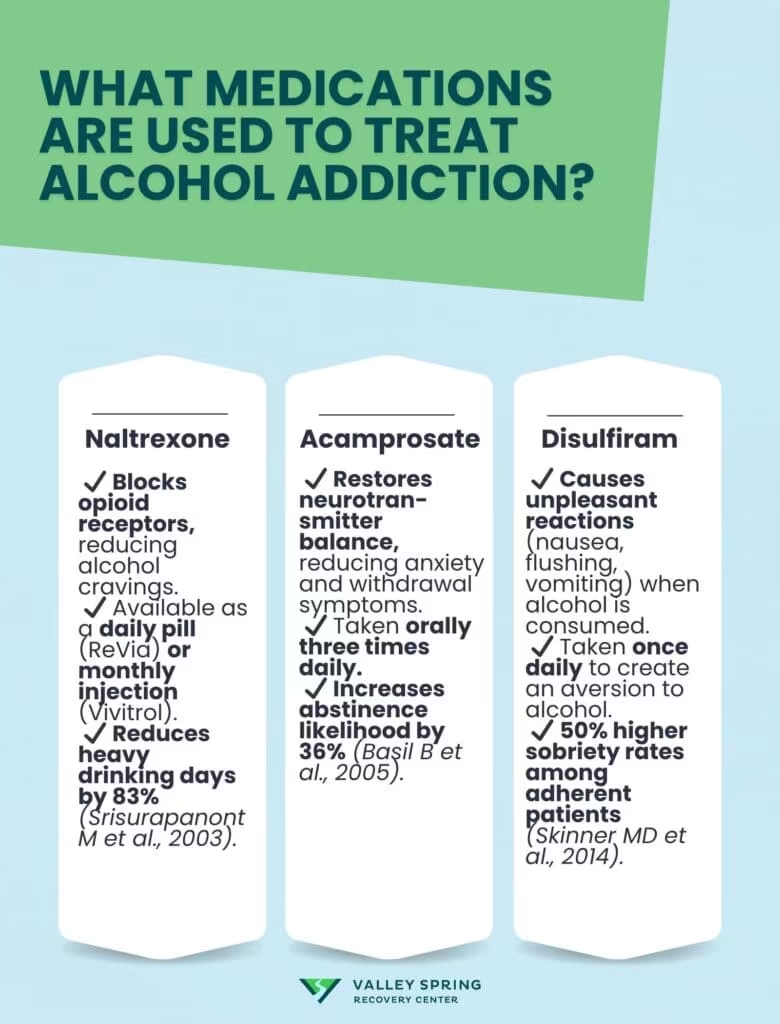
Naltrexone, acamprosate, and disulfiram are the three medications approved by the FDA for alcohol use disorder. Naltrexone reduces craving and alcohol's rewarding effects; acamprosate supports abstinence after drinking stops; disulfiram creates an aversive reaction when alcohol is consumed. A prescriber selects medication from the patient's treatment goal, liver and kidney health, opioid use, adherence needs, and other medicines.
The Sinclair Method pairs oral naltrexone with planned drinking under medical supervision, making it a medication strategy for reducing alcohol reinforcement rather than a withdrawal-management protocol.
Peer and Family Support
Mutual-support groups such as Alcoholics Anonymous and SMART Recovery add peer connection and accountability outside clinical hours. Family therapy and education address communication, boundaries, recovery support, and household patterns that affect treatment. These services supplement professional care rather than replace withdrawal assessment, medication management, or psychotherapy.
Is Alcohol Detox the Same as Addiction Treatment?
No. Alcohol detoxification manages acute withdrawal, while addiction treatment addresses the behavior, health conditions, and recurrence risk that continue after withdrawal resolves. Tremor, sweating, agitation, vomiting, hallucinations, seizures, or confusion after alcohol use decreases require medical assessment. Call 911 for a seizure, loss of consciousness, severe confusion, abnormal breathing, or another immediate danger. Severe alcohol withdrawal becomes life-threatening and belongs in a medically managed setting.
Detox and residential treatment are provided by appropriately licensed outside facilities when a person needs continuous medical monitoring or a 24-hour recovery environment. Valley Spring Recovery Center helps coordinate that placement and admits clinically appropriate patients into partial care, intensive outpatient, or outpatient treatment after stabilization.
What Levels of Care Are Used for Alcohol Recovery?
Alcohol treatment ranges from medically managed withdrawal and residential care to partial care, intensive outpatient, standard outpatient, and continuing support. Placement follows clinical need rather than a preferred program length or insurance benefit alone.
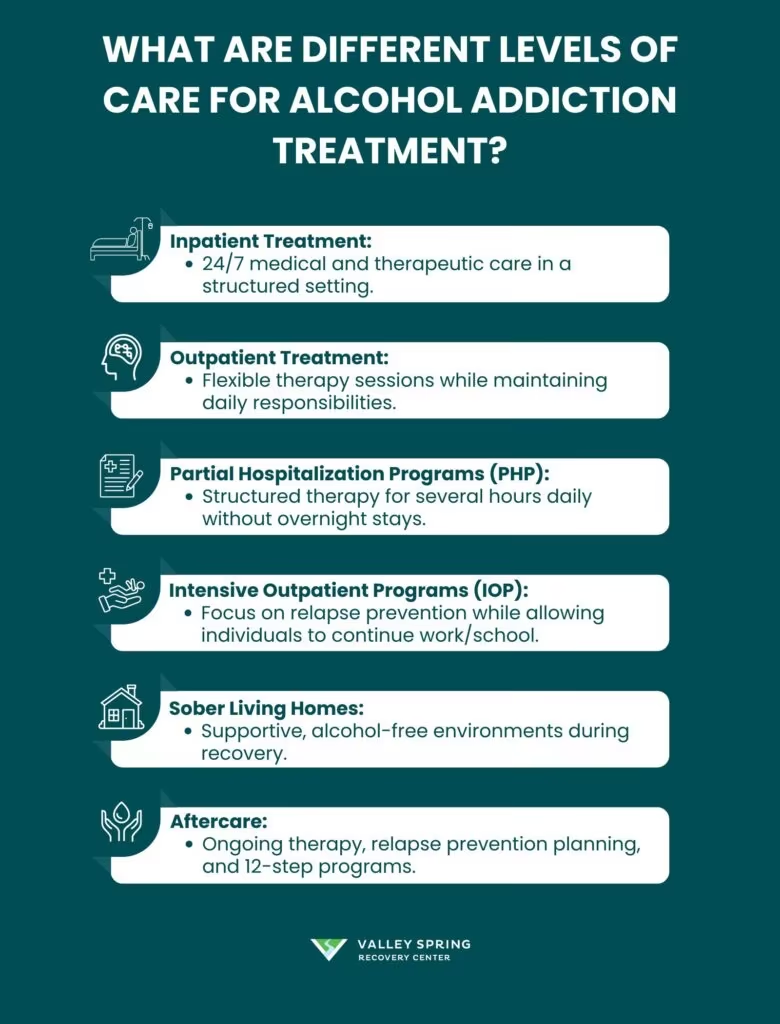
- Withdrawal management: Medical monitoring and medication stabilize acute alcohol withdrawal and prevent complications.
- Residential or inpatient care: A 24-hour setting provides structure when a person cannot remain safe or stable between treatment sessions.
- Partial care: Several treatment hours on most days provide intensive structure without an overnight stay.
- Intensive outpatient treatment: Multiple weekly sessions combine therapy, recovery skills, and clinical monitoring while the patient lives at home.
- Outpatient treatment: Lower-frequency visits support continued progress, medication management, and recurrence prevention.
When assessment establishes outpatient fit, alcohol rehabilitation in New Jersey can combine partial care, intensive outpatient, outpatient services, psychiatric support, family involvement, and continuing recovery planning.
How Are Depression and Anxiety Treated Alongside Alcohol Use?
Co-occurring alcohol use disorder and psychiatric conditions are treated through one coordinated assessment and care plan. NIAAA identifies depressive, anxiety, trauma-related, sleep, bipolar, and attention disorders among the conditions that commonly overlap with alcohol problems. A timeline of symptoms during drinking, withdrawal, and periods of reduced use helps clinicians distinguish alcohol-induced symptoms from an independent disorder.
Treating psychiatric symptoms alone generally does not resolve alcohol use disorder. Integrated dual-diagnosis care coordinates behavioral treatment, psychiatric medication, alcohol-use medication, sleep, safety planning, and recovery goals so one condition does not undermine the other.
What Role Do Complementary Therapies Play?
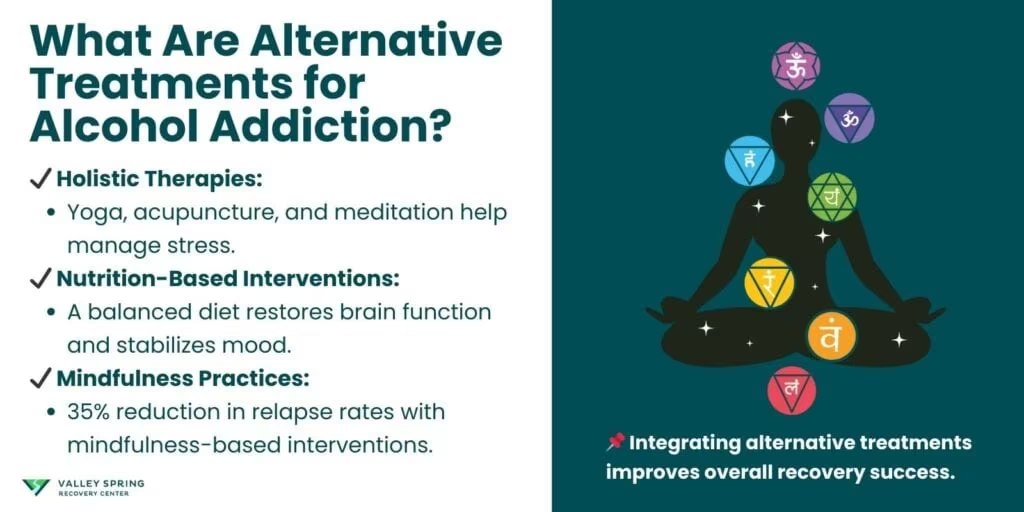
Exercise, nutrition, mindfulness, yoga, recreation, and creative therapies support recovery when they supplement evidence-based treatment. They improve routine, stress regulation, sleep, physical health, and social connection, but they do not replace medical withdrawal management, approved medication, or behavioral care.
How Does Alcohol Treatment Prevent a Return to Drinking?
Recurrence prevention identifies high-risk situations, assigns a response to each risk, and maintains support after treatment intensity decreases. Common risks include stress, conflict, depressed mood, social exposure to alcohol, untreated pain, medication changes, and loss of recovery structure. Alcohol-related sleep disruption suppresses REM sleep and fragments the second half of the night, making sleep a measurable treatment target rather than a generic wellness goal.
A continuing-care plan names the next provider, appointment schedule, medication plan, mutual-support options, family role, crisis contacts, and response to an alcohol lapse. A return to drinking signals that the plan or level of care requires reassessment; it does not erase prior progress.
How Do You Choose an Alcohol Treatment Program?
Choose a program by verifying its license, clinical credentials, evidence-based services, medication access, co-occurring-disorder capability, and continuing-care process. Confirm that the provider assesses withdrawal before admission and coordinates a safer setting when the requested program cannot meet the person's medical needs.
Insurance network status, transportation, schedule, family responsibilities, and telehealth availability also affect whether treatment is sustainable. Choosing an alcohol rehab center requires comparing clinical fit, treatment methods, credentials, affordability, and aftercare.
Sources & References4ShowHide
- National Institute on Alcohol Abuse and Alcoholism (NIAAA), Treatment for Alcohol Problems: Finding and Getting Help — Describes evidence-based behavioral care, medications, mutual-support groups, and continuing treatment for alcohol use disorder.
- National Institute on Alcohol Abuse and Alcoholism (NIAAA), Alcohol Treatment Navigator: What Medications Treat AUD? — Identifies naltrexone, acamprosate, and disulfiram as the three FDA-approved medications for alcohol use disorder and explains their distinct purposes.
- National Institute on Alcohol Abuse and Alcoholism (NIAAA), Mental Health Issues: Alcohol Use Disorder and Common Co-occurring Conditions — Supports integrated treatment when alcohol use disorder co-occurs with depression, anxiety, PTSD, sleep disorders, or other psychiatric conditions.
- Substance Abuse and Mental Health Services Administration (SAMHSA), Medication for the Treatment of Alcohol Use Disorder: A Brief Guide — Clinical guidance on medication selection, monitoring, and integration with psychosocial treatment.