


Clinical guide
The Sinclair Method (TSM): Definition, How It Works, Methodology, Limitation and Efficacy
The Sinclair Method uses naltrexone to gradually reduce drinking, offering an alternative to abstinence-only alcohol use disorder treatment.
By Paul James Roeser·Reviewed by Noelle Mathew, LCSW, LCADC, CASAC-M·22 min read
Published ·Updated
The Sinclair Method (TSM) is an evidence-based treatment for alcohol use disorder (AUD) that diverges from traditional abstinence-based programs. Unlike approaches such as Alcoholics Anonymous (AA) or 12-step programs, which focus on complete sobriety, TSM allows individuals to reduce alcohol consumption gradually. This method centers on the use of naltrexone, a medication that helps to reduce cravings and the rewarding effects of alcohol, making it easier for individuals to control their drinking without requiring total abstinence from the start.
The process of the Sinclair Method involves the patient taking naltrexone prior to drinking alcohol. Naltrexone works by blocking opioid receptors in the brain, which prevents alcohol from triggering the release of endorphins that reinforce drinking behavior. Over time, this "pharmacological extinction" reduces the desire to drink, as the brain's association between alcohol and pleasure is weakened. The treatment involves consistent medication adherence, regular consultations with healthcare providers, and monitoring progress. The ultimate goal is to allow patients to reach controlled drinking rather than complete abstinence, which is a significant departure from more traditional models. In 2001, John David Sinclair's clinical studies found that the Sinclair Method was effective in reducing and stopping alcohol use in 78% of patients.
The Sinclair Method has some limitations. One of the primary challenges is the necessity for high levels of patient adherence to the medication regimen, as skipping doses undermines the effectiveness of the treatment. TSM is not suitable for individuals with severe alcohol use disorder or those who require a more intensive intervention. The method also relies on the patient’s ability to self-monitor their drinking behavior, which is difficult for some individuals.
Sinclair Method is effective in reducing and stopping alcohol use in 78% of patients, according to a study by Sinclair JD et al. 2001, titled “Evidence about the use of naltrexone and for different ways of using it in the treatment of alcoholism.” The success of the treatment is contingent on adherence to the prescribed regimen, and results vary depending on individual factors, such as the severity of alcohol dependence.
What is The Sinclair Method (TSM)?
The Sinclair Method (TSM) is an evidence-based approach for treating Alcohol Use Disorder (AUD) using pharmacotherapy to reduce dependence on alcohol by targeting and suppressing cravings. Sinclair Method (TSM) is built around the principle of "pharmacological extinction," which involves taking a specific medication, most commonly naltrexone, before drinking alcohol. The goal of TSM is not immediate abstinence but alcohol reduction by breaking the cycle of reward that sustains alcohol dependence.
Developed by Dr. David Sinclair, a Finnish-American researcher, TSM is rooted in neuroscience and behavioral science. Dr. Sinclair's work demonstrated that blocking the brain's opioid receptors with medication like naltrexone could weaken the reinforcement of alcohol-related behaviors, gradually reducing consumption and dependency. His research laid the foundation for this innovative method, emphasizing its potential to treat AUD effectively while preserving patient autonomy.
TSM's basic principles focus on consistent medication use before alcohol consumption, enabling individuals to gradually regain control over their drinking habits without abrupt lifestyle changes. This method differs from traditional abstinence-based treatments by offering an alternative for those seeking moderated drinking as an initial step or long-term goal. Its craving suppression mechanism has shown success in various clinical trials and patient reports. In 2001, John David Sinclair's clinical studies found that the Sinclair Method was effective in reducing and stopping alcohol use in 78% of patients.
How Does The Sinclair Method Differ from Traditional Abstinence-Based Approaches?
The Sinclair Method (TSM) differs from traditional abstinence-based approaches by focusing on controlled drinking rather than complete sobriety. TSM employs targeted pharmacological intervention, using naltrexone, an opioid antagonist, to reduce alcohol cravings and diminish the brain's association of alcohol with pleasure. This contrasts sharply with abstinence-based models, which advocate total avoidance of alcohol and rely on behavioral interventions, support groups like AA, and a belief in the necessity of abstinence for recovery. TSM promotes behavioral modification by allowing individuals to gradually recondition their drinking habits without requiring immediate cessation, offering a unique pathway for those who find traditional abstinence daunting or unrealistic.
The Sinclair Method differs from traditional abstinence-based approaches in 5 ways:
- TSM focuses on controlled drinking, allowing individuals to gradually reduce their alcohol consumption while continuing to drink in moderation. In contrast, abstinence-based models require complete avoidance of alcohol from the beginning of the recovery process.
- TSM uses medications like naltrexone to block the brain's reward system and reduce the pleasurable effects of alcohol. Abstinence-based approaches do not include pharmacological interventions and instead rely on therapy, support groups, and self-discipline.
- Behavioral reconditioning is central to TSM, where individuals are encouraged to drink while taking medication to break the cycle of addiction. Abstinence-based methods emphasize avoiding alcohol altogether and involve strategies to avoid triggers or high-risk situations.
- TSM offers flexibility by allowing individuals to define their own goals, whether that means moderation or eventual abstinence. Traditional abstinence-based programs, however, are centered on the goal of lifelong sobriety with no room for controlled drinking.
- The philosophy of TSM is rooted in neuroscience, treating addiction as a neurological disorder that is managed with targeted interventions. Abstinence-based models incorporate a moral or spiritual framework, particularly in 12-step programs, and view addiction as a personal failing or ethical issue.
How Does The Sinclair Method Work?
The Sinclair Method (TSM) works by using naltrexone, an opioid antagonist, to disrupt the brain's reward system associated with drinking. Naltrexone targets opioid receptors in the brain, which are responsible for releasing endorphins when alcohol is consumed, as explained by the Verywell Mind in “How the Sinclair Method for Alcohol Addiction Recovery Works.” Normally, these endorphins reinforce the pleasure of drinking, making it more likely that individuals will continue to drink excessively. By blocking the opioid receptors, naltrexone prevents this release, reducing the pleasurable effects of alcohol and, over time, diminishing cravings.
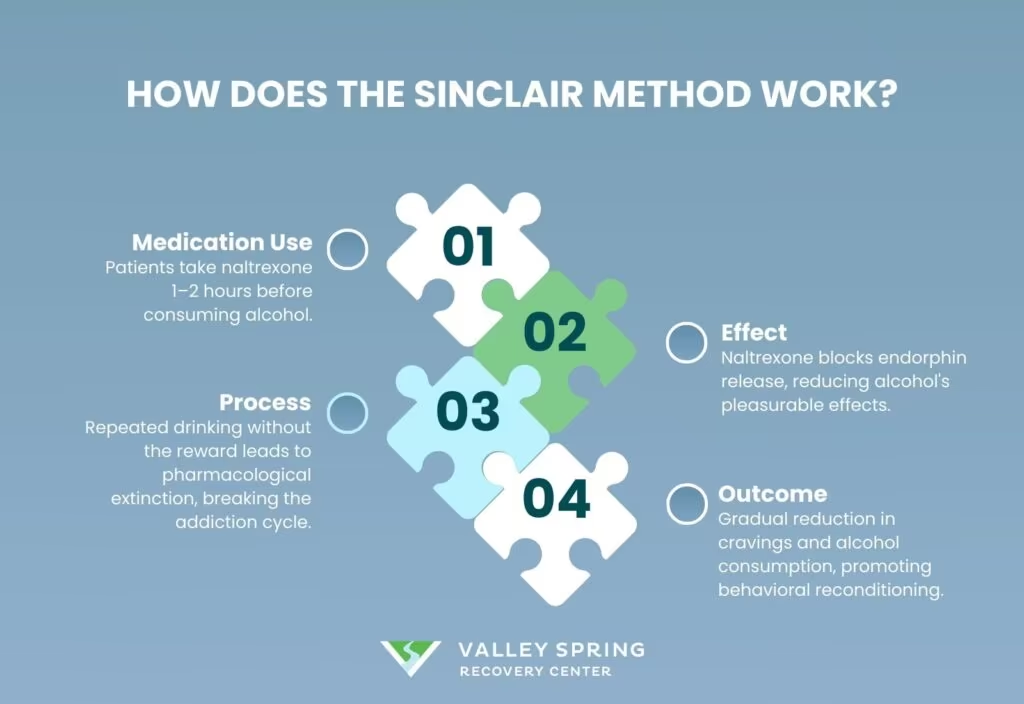
Central to TSM is the concept of “pharmacological extinction,” the process by which the brain's association between alcohol and pleasure is gradually weakened. When individuals take naltrexone before drinking, the repeated lack of reward during drinking sessions leads to the gradual weakening of the brain's learned association between alcohol and pleasure. This process rewires the brain to reduce its dependence on alcohol, ultimately decreasing the desire to drink. Unlike traditional methods that require abstinence, TSM allows individuals to drink while undergoing treatment, enabling them to unlearn addictive behaviors in a controlled manner progressively.
Who Can Benefit from The Sinclair Method?
The individuals who can benefit from the Sinclair Method include people with alcohol dependence. Ideal candidates include those who are not ready for or comfortable with traditional abstinence-based approaches but are motivated to address their drinking habits. TSM is particularly suitable for individuals seeking a science-based treatment that allows them to gradually regain control over their alcohol use without the pressure of immediate sobriety. The Sinclair method appeals to people who have struggled with relapse in abstinence-focused programs or who want a more flexible, personalized path to recovery.
Does the Sinclair Method Work for Binge Drinkers?
Yes, the Sinclair Method (TSM) works for binge drinkers, as it helps reduce cravings and the rewarding effects of alcohol that drive binge episodes. TSM's use of naltrexone to block opioid receptors decreases the urge to overconsume alcohol, making it easier to control drinking patterns, according to a study by Anton RF. et al. 2008, titled “Naltrexone for the management of alcohol dependence.” However, binge drinking requires tailored approaches alongside TSM, such as behavioral therapy or lifestyle changes, to address underlying triggers and establish healthier drinking habits for sustained results.
Is The Sinclair Method (TSM) Effective for Other Addictions?
Yes, the Sinclair Method (TSM) is effective for other addictions. Naltrexone, the core medication used in TSM, helps reduce cravings for other substances, such as opioids, and certain behavioral addictions, like gambling, by blocking opioid receptors involved in reward processing, according to a study by Gour R, Hiral K, Srikanth R, P.S R. et al. 2022, titled “Use of Naltrexone in Internet Gaming Disorder.” These applications require different dosing or strategies and have not been as extensively studied. Ongoing research is exploring its broader use, but for now, TSM is primarily validated for alcohol use disorder.
Does the Sinclair Method Work for Eating Addiction?
Yes, the Sinclair Method (TSM) works for eating addiction, but its effectiveness is still under study. Naltrexone, the medication used in TSM, is sometimes prescribed off-label to help manage compulsive behaviors, including binge eating, according to a survey by Stancil SL et al. 2019, titled “Naltrexone Reduces Binge Eating and Purging in Adolescents in an Eating Disorder Program.” By blocking opioid receptors, it reduces the rewarding effects of overeating. However, its success in treating eating addiction varies, and more research is needed to determine its efficacy and best practices for this condition.
What are the Steps Involved in TSM?
The steps involved in TSM are consultation, prescription, dosing, and follow-up. The process begins with a medical consultation to evaluate an individual's suitability for the method and confirm the diagnosis of alcohol use disorder. A healthcare provider then prescribes naltrexone, the key medication used in TSM. Patients are instructed to take the medication as directed and adhere to the dosing protocol.
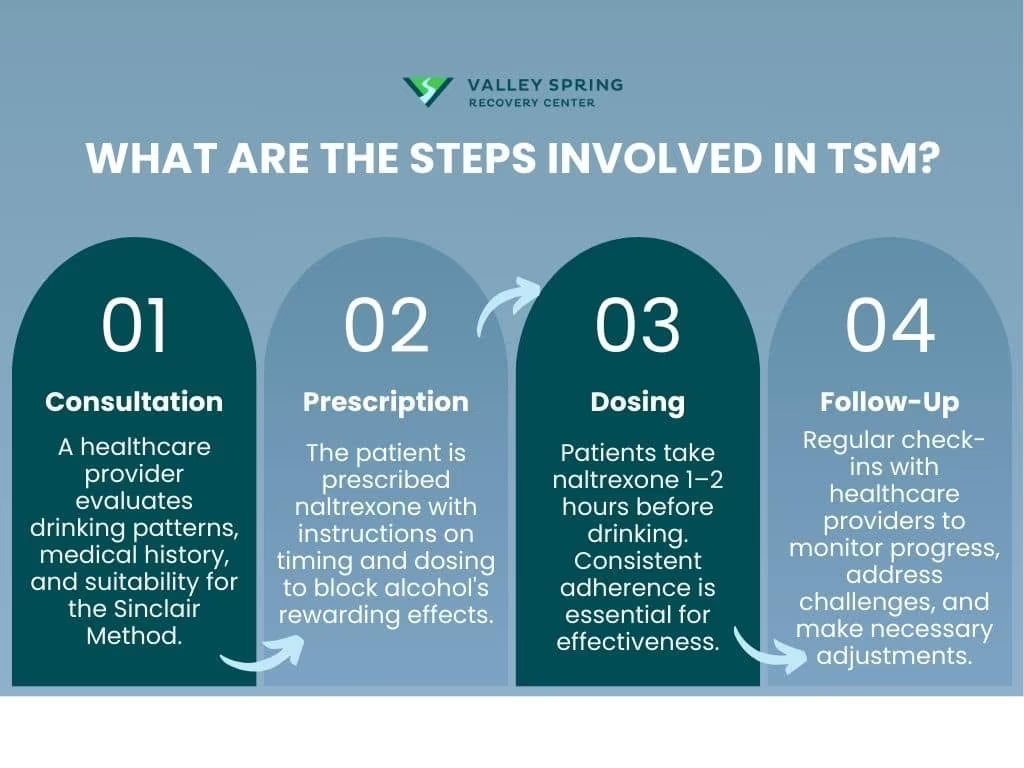
The steps involved in TSM are:
- Consultation: A healthcare professional evaluates the individual's drinking patterns and medical history to determine if TSM is a suitable treatment option.
- Prescription: The provider prescribes naltrexone and explains how it works to block opioid receptors in the brain, reducing the reward associated with drinking.
- Dosing: Patients take naltrexone about one to two hours before consuming alcohol, ensuring consistent adherence to this timing for effective results.
- Follow-Up: Regular check-ins with a healthcare provider help track progress, troubleshoot issues, and offer support, ensuring long-term behavioral modification and success.
Can You Drink Occasionally on Naltrexone?
Yes, you can drink occasionally on naltrexone when following the Sinclair Method (TSM). Controlled drinking is a key component of TSM, as naltrexone blocks opioid receptors, reducing the brain's reward response to alcohol. It is important to take naltrexone as prescribed, about one to two hours before drinking, and adhere to safe drinking guidelines. Drinking without proper dosing or supervision reduces the method's effectiveness and poses health risks. Always consult a healthcare provider to ensure the treatment plan aligns with your goals.
What to Avoid When Taking Naltrexone?
Opioids should be avoided when taking naltrexone. The most necessary risk when using naltrexone is its interaction with opioids, as naltrexone blocks opioid receptors, which precipitate withdrawal symptoms in individuals who are actively using opioids. It is important to avoid taking opioids for at least seven to ten days before starting naltrexone to prevent this risk. Always follow your healthcare provider’s guidelines regarding dosage, adherence, and potential drug interactions for optimal safety and results.
Things to avoid when taking naltrexone:
- Opioids: Avoid using opioids, as naltrexone causes severe withdrawal symptoms in opioid-dependent individuals.
- Heavy drinking: Heavy drinking should be avoided as uncontrolled or excessive alcohol consumption undermines the effectiveness of the medication and leads to unsafe behaviors.
- Alcohol interactions: Always ensure that alcohol consumption aligns with the prescribed guidelines for naltrexone while on TSM.
- Medication interactions: Consult a healthcare provider before combining naltrexone with other medications to avoid dangerous interactions.
Can TSM Be Used with Other Medications?
Yes, TSM can be used with other medications, but compatibility depends on the specific drugs involved. Naltrexone, the primary medication in the Sinclair Method, is considered safe when combined with many common medications, including antidepressants. However, it’s important to consult with a healthcare provider before combining naltrexone with other medications, as their interactions with certain drugs, particularly those affecting the liver or the central nervous system. A healthcare provider helps monitor for potential interactions and ensure that all medications work together effectively and safely.
What Should You Do if You Miss a Dose of Naltrexone?
If you miss a dose of naltrexone, the first thing you should do is take the missed dose as soon as you remember, unless it's close to the time for your next dose. If it's almost time for the next dose, skip the missed dose and resume your regular dosing schedule. It’s important not to double up on doses to make up for a missed one.
If you miss a dose of naltrexone:
- Take the missed dose as soon as you remember unless it’s nearly time for your next dose.
- Skip the missed dose if it's too close to the time for your next scheduled dose.
- Do not take a double dose to make up for the missed one.
- Avoid drinking alcohol without the medication’s protective effect, as it reduces the medication’s effectiveness.
- Consult with your healthcare provider for further guidance if you need more clarification.
What are the Benefits of The Sinclair Method?
The benefits of the Sinclair Method include reduced alcohol cravings, a flexible approach to drinking, and the potential for long-term recovery. The method is designed to gradually recondition the brain’s response to alcohol by blocking the rewarding effects of drinking, which significantly reduces cravings over time. This approach offers a unique advantage by allowing individuals to drink in moderation rather than requiring immediate and complete abstinence.
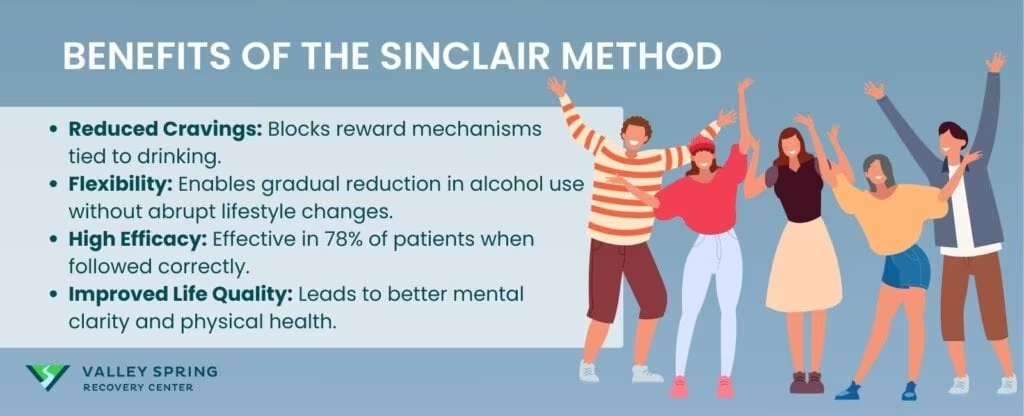
The benefits of the Sinclair method are:
- Reduced Alcohol Cravings: Naltrexone, used in TSM, effectively reduces cravings by blocking opioid receptors, which decreases the pleasurable effects of alcohol, leading to a more manageable relationship with drinking.
- Flexibility in Drinking: Unlike abstinence-based models, TSM allows individuals to continue drinking in moderation. This flexibility makes the process less daunting for those who are not ready for complete abstinence, helping them gradually reduce their alcohol intake.
- Long-Term Reduction in Alcohol Consumption: Over time, the brain reconditions itself through a process called "pharmacological extinction," in which the association between alcohol and pleasure is diminished. This results in a permanent decrease in alcohol consumption for many individuals.
- Increased Control Over Drinking: The gradual reconditioning process helps individuals regain control over their drinking, reducing binge drinking or habitual consumption.
- Improved Quality of Life: As alcohol consumption decreases, individuals experience improved physical health, mental clarity, and emotional stability, leading to better overall well-being.
What are the Limitations and Challenges of The Sinclair Method?
The limitations and challenges of the Sinclair Method include the side effects of naltrexone, limitations in treatment efficacy, challenges in patient adherence, and barriers to treatment access. Naltrexone, the medication at the core of TSM, causes side effects in some individuals, and the method is less effective in severe cases of AUD or when patients do not fully adhere to the protocol.
The limitations and challenges of the Sinclair method are:
- Side Effects of Naltrexone: While naltrexone is well-tolerated, some individuals experience common side effects such as nausea, headaches, dizziness, or fatigue. In rare cases, more serious side effects like liver damage or allergic reactions occur, requiring careful monitoring by a healthcare provider, according to Medical News Today, in “Side effects of naltrexone oral tablet.”
- Limitations in Treatment Efficacy: TSM is less effective in individuals with severe alcohol use disorder (AUD), those with co-occurring mental health disorders, or individuals who have been drinking for a long time. Additionally, the method is effective if the patient is not motivated or fully committed to the process.
- Challenges in Patient Adherence: Adherence to the TSM protocol is necessary for success, but some individuals struggle to take naltrexone as prescribed or to follow the dosing schedule correctly. Non-compliance leads to reduced effectiveness, making it important for healthcare providers to support patients and develop strategies to improve adherence.
- Barriers to Treatment Access: Access to TSM is limited by factors such as the cost of the medication, which is not covered by insurance in most cases, and a need for healthcare providers familiar with the method. This makes it difficult for some individuals to obtain proper treatment or guidance.
How Long Does TSM Take to Show Results?
TSM takes about 6 months to show results, though some individuals begin to experience changes more quickly or gradually. On average, people start to see a reduction in alcohol cravings and consumption within the first few weeks to months of using the Sinclair Method, according to a study by Mendelson J et al. 2019, titled “Efficacy of the Ria Treatment Platform The First 230 Patients.” However, the process varies greatly depending on individual factors such as the severity of the alcohol use disorder, adherence to the prescribed treatment, and personal responsiveness to naltrexone.
Some people report significant improvements within 2-3 months, while others might need up to a year to see substantial changes. It’s important to remember that TSM is a gradual process that requires patience and consistency. The key is sustained use of naltrexone before drinking to reduce cravings, with the ultimate goal of changing the brain’s association between alcohol and pleasure.
How Long Does the Sinclair Method Take to Complete?
The Sinclair Method (TSM) takes several months to show significant results, with many individuals reporting noticeable improvements within 3 to 6 months of consistent use, according to Verywell Mind in “How the Sinclair Method for Alcohol Addiction Recovery Works.” However, the exact duration varies depending on individual factors, such as the severity of alcohol dependence, adherence to the protocol, and how well the body responds to naltrexone. It's important to note that achieving the "extinction" of cravings, the primary goal of the method, takes longer for some individuals, especially for those with long-standing or more severe alcohol use disorders.
The Sinclair Method is a gradual process, and its effects continue to evolve as the brain's reward system adapts. While some people experience a reduction in cravings and alcohol consumption fairly early, others need more time or need additional support to complete the full course of treatment.
Do You Have to Take Naltrexone Forever?
No, you do not have to take naltrexone forever. The Sinclair Method (TSM) is not about medication dependency but rather about gradually reconditioning the brain’s response to alcohol. Many individuals eventually reduce or even discontinue naltrexone once the brain’s cravings have been extinguished through consistent use. However, this process takes several months or longer, and the long-term use of naltrexone is necessary to ensure that the reduction in cravings is sustained. The discontinuation of naltrexone is possible, but it should be done under the supervision of a healthcare provider to ensure that relapse or cravings do not return. Monitoring during the transition period is necessary to avoid a resurgence of alcohol consumption.
How Effective is The Sinclair Method?
The Sinclair Method is highly effective for many individuals struggling with alcohol use disorder, with clinical studies showing a success rate of around 78% for reducing alcohol consumption and cravings when used correctly. Williams KL, Schimmel JS. et al. 2008, titled “Effect of naltrexone during extinction of alcohol-reinforced responding and during repeated cue-conditioned reinstatement sessions in a cue exposure style treatment,” supports its ability to significantly decrease alcohol intake through the process of pharmacological extinction, in which the brain's reward response to alcohol is diminished by naltrexone. This method has been shown to be more effective than many other alcohol treatment programs, especially when compared to abstinence-based models, which require immediate and total sobriety.
However, the effectiveness of TSM varies based on several factors, including patient adherence to the protocol, frequency of alcohol consumption, and the level of support from healthcare providers or support groups. Individuals who follow the program consistently and take naltrexone every time they plan to drink tend to see better results, according to Verywell Mind. Those with a higher level of commitment to the process, as well as a strong support network, are more likely to succeed. Factors such as the severity of alcohol use disorder (AUD) and the presence of other mental health conditions also influence the method's efficacy.
How Can Patients Maximize Success with TSM?
Patients can maximize success with the Sinclair Method (TSM) by committing to consistent use of the prescribed naltrexone, establishing strong support networks, and engaging in regular monitoring of their progress. Adherence to the method is important, as consistent use of medication before drinking leads to the reconditioning of the brain’s reward system. Additionally, actively monitoring progress and adjusting the approach as necessary, whether through self-reflection or professional check-ins, helps ensure long-term success.
Tips that maximize success with TSM:
- Establish a Support System: Connecting with supportive family members, peer groups, or rehab facilities provides the emotional and practical support needed to stay motivated and consistent. A strong support network helps with accountability and coping strategies during difficult moments.
- Implement Adherence Strategies: To ensure medication is taken as prescribed, patients use reminders such as phone alarms or pill organizers or integrate them into a daily routine. Lifestyle adjustments, such as identifying alcohol-related triggers and planning, further enhance adherence.
- Monitor Progress and Make Adjustments: Regular self-monitoring through journaling or apps helps track alcohol consumption and cravings, providing insights into patterns and progress. Additionally, working with healthcare professionals to make necessary adjustments based on feedback or challenges optimizes results.
What is the Cost of The Sinclair Method (TSM)?
The cost of the Sinclair Method (TSM) starts from $145, according to SinclairMethod.org. The cost depends on factors such as medication, consultations, and insurance coverage. On average, naltrexone, the medication used in TSM, costs between $20 and $40 for 30 tablets without insurance.
Some insurance plans cover the cost of naltrexone and therapy, but this varies, so it's advisable to check with your insurance provider to confirm coverage details. While TSM is a more affordable option than inpatient treatment programs, the long-term costs if medication adherence is required for extended periods must be considered.
What are Alternatives to The Sinclair Method?
The alternatives to the Sinclair Method include a variety of treatment approaches for alcohol use disorder (AUD), each with its own advantages and considerations. These methods appeal to different individuals depending on their preferences, needs, and treatment goals.
The alternatives to the Sinclair method are:
- Abstinence-Based Approaches: This includes traditional models like Alcoholics Anonymous (AA) and rehab programs, where the goal is complete abstinence from alcohol. These programs focus on emotional and psychological support, and success is measured by complete sobriety. While abstinence models have proven effective for many, they are challenging for individuals who are not ready to commit to total sobriety or who seek to reduce rather than eliminate drinking. A Lancet Journal by Glyde T et al. 2014, titled “The recovery position,” estimates that only 5-8% of people who attend AA successfully maintain abstinence.
- Cognitive Behavioral Therapy (CBT): CBT is a structured, short-term therapeutic approach that helps individuals identify and change negative thought patterns and behaviors related to alcohol use. It focuses on developing coping strategies for managing cravings and triggers. Cognitive behavioral therapy (CBT) has a success rate of around 60% for helping people maintain sobriety for at least a year after treating a substance use disorder, according to Verywell Mind. CBT is combined with medications like naltrexone or disulfiram for more effective results, though it does not specifically target the reward system in the same way TSM does.
- Medically Assisted Detoxification and Rehab Programs: These programs, inpatient or outpatient, provide comprehensive treatment that combines medical supervision, counseling, and therapy to help individuals detox safely and manage withdrawal symptoms. While they focus on long-term sobriety, they are generally more intensive and costly than the Sinclair Method, which allows individuals to manage their treatment at home with minimal intervention.
Are There Alternative Medications to Naltrexone?
Yes, there are alternative medications to naltrexone for alcohol reduction. These medications work differently from naltrexone but are also approved for managing alcohol use disorder (AUD).
Key alternative medications to naltrexone:
- Acamprosate (Campral): Acamprosate is used to help maintain sobriety in individuals who have already stopped drinking. Unlike naltrexone, which blocks the pleasurable effects of alcohol, acamprosate works by restoring the balance of neurotransmitters in the brain that are disrupted by alcohol use. It is particularly helpful in reducing cravings and preventing relapse after a person has detoxed. Acamprosate has shown significant success in helping individuals with alcohol use disorder maintain abstinence. In a review of 17 studies by Mann K, Lehert P, Morgan MY. et al. 2004, titled “The efficacy of acamprosate in the maintenance of abstinence in alcohol-dependent individuals: results of a meta-analysis,” with 4087 participants, continuous abstinence rates at 6 months were significantly higher in the acamprosate group (36.1%) compared to the placebo group (23.4%).
- Disulfiram (Antabuse): Disulfiram works by interfering with the metabolism of alcohol, leading to unpleasant reactions when alcohol is consumed. This makes drinking alcohol a negative experience, which helps deter consumption. Disulfiram is more of a deterrent than a craving reducer and is best used by individuals who are highly motivated to stop drinking. Disulfiram has been shown to be more effective than a placebo for alcohol use disorder, with a moderate success rate (Hedges' g = 0.58), according to a review of 22 studies by Skinner MD et al. 2014, titled “Disulfiram efficacy in the treatment of alcohol dependence: a meta-analysis.” When compared to naltrexone, disulfiram had a higher effect size, suggesting it is more effective at promoting abstinence. However, results varied depending on the trial type, open-label trials (where participants knew they were taking the medication) showed better outcomes than blind trials, where participants were unaware of their treatment.
- Topiramate (Topamax): Although not FDA-approved specifically for AUD, topiramate has shown promise in clinical studies for reducing alcohol consumption. It works by affecting brain neurotransmitters and helps reduce cravings. Some doctors prescribe topiramate off-label as part of a broader treatment plan for AUD. In a double-blind, randomized, placebo-controlled trial involving 371 individuals with alcohol dependence, conducted by Johnson BA, Rosenthal N, et al. 2007, titled “Topiramate for Alcoholism Advisory Board; Topiramate for Alcoholism Study Group. Topiramate for treating alcohol dependence: a randomized controlled trial,” topiramate (up to 300 mg/day) was found to be more effective than a placebo in reducing heavy drinking. Over the 14 weeks, those taking topiramate showed a significant reduction in the percentage of heavy drinking days, with a mean difference of 8.44% compared to placebo.