


Clinical guide
Plastic Surgery Addiction: Signs, Causes, Risk, Treatment
Plastic surgery addiction is a compulsive pursuit of cosmetic procedures often linked to body dysmorphic disorder and distorted self-image.
By Paul James Roeser·Reviewed by Noelle Mathew, LCSW, LCADC, CASAC-M·12 min read
Published ·Updated
Plastic surgery addiction involves an excessive and compulsive drive for cosmetic procedures fueled by an overwhelming obsession with perceived physical imperfections. Unlike standard plastic surgery intended for appearance or functional enhancement, this behavioral disorder is linked to deeper psychological issues such as Body Dysmorphic Disorder (BDD). It results in notable physical, mental, and social repercussions for those preoccupied with achieving an idealized physical perfection in a beauty-centric society.
The signs of plastic surgery addiction include compulsive behaviors such as undergoing frequent surgeries within a short period, constantly pursuing new procedures, and persistently expressing dissatisfaction with their appearance. The report shows an overall 11.2% increase in procedures performed by plastic surgeons in 2022, with more than 14.9 million surgical and 18.8 million non-surgical procedures performed worldwide, according to a study by Global Survey 2022, “Global Survey 2022.” Top surgeries for women included liposuction, breast augmentation, and tummy tuck; men opted most for breast reduction, liposuction, and eyelid surgery.
The causes of plastic surgery addiction are complex and multifaceted, involving psychological disorders such as Body Dysmorphic Disorder (BDD), past trauma, and societal pressures. According to an article by The Medical News 2023, “What is plastic surgery addiction and what causes it?” Individuals with BDD, for instance, fixate on perceived physical flaws and believe that surgery is the only solution. Additionally, experiences of bullying, social rejection, or childhood abuse can fuel a desire to change one's appearance, while media portrayal of ideal beauty standards worsens these feelings.
The risks associated with plastic surgery addiction extend beyond the operating room, as explained in an article by Addiction Center 2023, “Plastic Surgery Addiction.” Physically, repeated surgeries increase the likelihood of complications such as infections, scarring, and even life-threatening conditions. Psychologically, the addiction leads to heightened anxiety, depression, and an ever-widening gap between expectations and reality. Socially, the financial burden and time commitment strain relationships and disrupt everyday life.
The treatment plans for plastic surgery addiction typically involve a comprehensive approach that addresses both the physical and psychological aspects of the disorder, according to a study by Bascarane S, Kuppili PP, Menon V., et al. 2021, “Psychiatric Assessment and Management of Clients Undergoing Cosmetic Surgery: Overview and Need for an Integrated Approach.” Cognitive Behavioral Therapy (CBT) is frequently used to assist patients in recognizing and altering their compulsive behaviors and distorted self-perceptions. Additionally, support groups, medication for underlying mental health conditions, and education on the realistic outcomes of cosmetic procedures are essential components of the recovery process.
What is Plastic Surgery?
Plastic surgery is a surgical procedure that corrects or improves body imperfections. These are congenital, acquired, due to illness, or traumatic or para-physiological events such as aging. Cosmetic surgery also includes surgical procedures requested by patients to improve their appearance. Plastic surgery differs from reconstructive surgery, which deals with the treatment of morphological alterations that are related to pathological conditions, according to a study by Barone M, Cogliandro A., Persichetti P., et al. 2017, “Ethics and Plastic Surgery/What is Plastic Surgery?”
Distinguishing Plastic Surgery, Cosmetic Surgery, and Reconstruction Surgery
Plastic, cosmetic, and reconstructive surgery overlap but serve different purposes, as explained by an article by the American Board of Facial Cosmetic Surgery 2020, “Cosmetic vs. Plastic Surgery.” Plastic surgery is a broader term encompassing both cosmetic and reconstructive procedures. Cosmetic surgery focuses on enhancing appearance, while reconstructive surgery aims to restore function or appearance altered by congenital disabilities, trauma, or medical conditions. Both types involve surgical and non-surgical techniques, emphasizing improving aesthetics or correcting abnormalities.
What is Plastic Surgery Addiction?
Plastic surgery addiction manifests as a behavioral compulsion marked by an overwhelming fixation on undergoing multiple cosmetic procedures, as defined in an article by Addiction Center 2023, “Plastic Surgery Addiction.” This obsession stems from a distorted self-image and an unrelenting pursuit of an idealized physical appearance. Although not formally classified as a diagnosable disorder, plastic surgery addiction shares parallels with other forms of compulsive behavior and results in significant physical, psychological, and social consequences.
Can Someone Become Addicted to Plastic Surgery?
Anyone can become addicted to plastic surgery, but people with body dysmorphic disorder are more likely to become addicted to plastic surgery. Anyone can manifest a compulsive desire for multiple cosmetic procedures driven by a distorted self-image and an unattainable pursuit of physical perfection. This behavioral pattern mirrors other forms of addiction and leads to significant physical, psychological, and social consequences, according to an article by Psychology Today 2021, “When Plastic Surgery Becomes an Addiction.”
In contemporary society, where media and societal standards heavily emphasize physical attractiveness, the popularity of plastic surgery has surged. While many individuals seek cosmetic enhancements to enhance their self-confidence and appearance, some become trapped in a cycle of excessive surgical interventions. This phenomenon highlights the emergence of plastic surgery addiction, where individuals continuously pursue alterations to their bodies, driven by an unattainable quest for perfection. This behavioral pattern leads to adverse effects on mental well-being, strained personal relationships, and even physical health risks associated with frequent surgeries.
What are the Signs of Plastic Surgery Addiction?
The signs of plastic surgery addiction manifest through compulsive behavior in seeking multiple cosmetic procedures, ongoing dissatisfaction with appearance despite surgeries, an obsessive quest for perfection, psychological distress linked to body image, and substantial financial strain due to excessive spending on procedures. The most prevalent sign of plastic surgery addiction is an unrealistic expectation of perfection, according to a study by Kim, Y. A., Chung, H.-I. C. et al. 2014, “Factors Affecting Plastic Surgery Addiction Tendency Among Undergraduate Women.”
The top 5 signs collectively illustrate a behavioral disorder driven by a distorted self-image and an insatiable desire for physical enhancement through surgery.
- Frequent and Unnecessary Surgeries: Individuals addicted to plastic surgery undergo multiple procedures in quick succession, sometimes combining several surgeries at once. This behavior is driven by a persistent dissatisfaction with their appearance and a belief that further surgeries will achieve their ideal look.
- Doctor Shopping: Those addicted to plastic surgery visit multiple surgeons to find one willing to perform additional procedures, especially after being advised against further surgeries by other professionals.
- Unrealistic Expectations: People with addiction have unrealistic expectations about the outcomes of their surgeries, believing that altering their appearance will lead to happiness, love, or success. When these expectations are unmet, they seek further surgeries to rectify perceived flaws.
- Neglect of Responsibilities: The obsession with plastic surgery leads to the neglect of personal and professional responsibilities. Individuals spend excessive time and resources planning and recovering from surgeries, impacting their work, education, and relationships.
- Conflicts with Loved Ones: The financial and emotional strain of repeated surgeries can lead to disputes and disagreements with family and friends, further isolating the individual and exacerbating their addiction.
What are the Causes of Plastic Surgery Addiction?
Plastic surgery addiction is driven by underlying psychological factors such as Body Dysmorphic Disorder (BDD), where individuals obsess over perceived physical flaws. Societal pressures and unrealistic beauty standards further exacerbate this obsession, leading individuals to seek multiple cosmetic procedures in pursuit of an idealized appearance; according to an article by The Medical News 2023, “What is plastic surgery addiction and what causes it?”
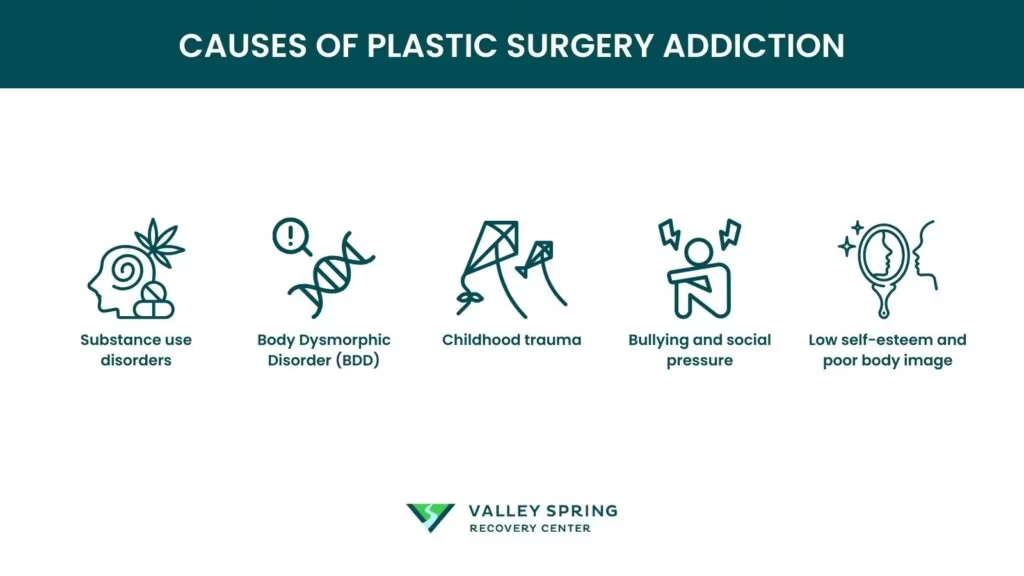
The top 5 causes of plastic surgery addiction are:
- Body Dysmorphic Disorder (BDD)
- Childhood Trauma
- Bullying and Social Pressure
- Substance Use Disorders
- Low Self-Esteem and Poor Body Image
1. Body Dysmorphic Disorder (BDD)
Body Dysmorphic Disorder (BDD) is a mental health condition characterized by an obsessive focus on perceived flaws or defects in physical appearance that are either minor or not observable to others. Individuals with BDD undergo multiple plastic surgeries in an attempt to correct these perceived imperfections, driven by intense dissatisfaction with their appearance. Around 15% of people seeking plastic surgery have BDD, as reported by Priory, “The risks of cosmetic surgery for body dysmorphic disorder (BDD) patients.”
2. Childhood Trauma
Childhood trauma involves adverse experiences during early development, such as abuse or neglect, which profoundly affect psychological well-being. Individuals with a history of childhood trauma turn to plastic surgery as a way to cope with deep-seated emotional pain or to regain a sense of control and self-worth, according to a study by Tung, K. V., Ho, W. Y. et al. 2019, “Healing Childhood Psychological Trauma and Improving Body Image Through Cosmetic Surgery.” These individuals are at a higher risk of developing plastic surgery addiction as they seek to regain control and improve their perceived self-worth through cosmetic procedures.
3. Bullying and Social Pressure
Bullying and social pressure refer to the negative impact of peer ridicule or societal expectations on an individual’s self-esteem and body image. Experiences of bullying, particularly related to physical appearance, lead to long-term psychological effects. Victims of bullying turn to plastic surgery in an attempt to alter their appearance and reduce the likelihood of further bullying. Additionally, societal and media pressures to conform to certain beauty standards drive individuals to undergo multiple surgeries.
4. Substance Use Disorders
Substance use disorders involve the compulsive use of drugs or alcohol despite negative consequences. There is a correlation between substance use disorders and plastic surgery addiction. Individuals with a history of substance abuse transfer their addictive behaviors to plastic surgery as a way to cope with underlying mental health issues.
5. Low Self-Esteem and Poor Body Image
Low self-esteem and poor body image are psychological conditions where individuals have a diminished sense of self-worth and a negative perception of their physical appearance. Persistent dissatisfaction with one's appearance, coupled with low self-esteem, motivates individuals to undergo frequent surgeries in hopes of improving their self-image, as discussed by Furnham A, Levitas J., et al. 2012, “Factors that motivate people to undergo cosmetic surgery.”
What are the Risks Associated with Plastic Surgery Addiction?
The risks associated with plastic surgery addiction are severe physical complications such as infections, scarring, and complications from repeated surgeries. It also leads to psychological issues like increased anxiety, depression, and a distorted body image. Socially, individuals experience strained relationships and isolation due to their obsessive focus on appearance and the consequences of multiple procedures.
Plastic surgery addiction poses 4 significant risks to an individual's physical, mental, financial, and social well-being:
1. Physical Risks
Repeated cosmetic surgeries associated with plastic surgery addiction increase the risk of severe complications, including infections, blood clots, excessive bleeding, nerve damage, and adverse reactions to anesthesia, according to an article by WebMD 2022, “What to Know About Plastic Surgery Risks.”These health issues can lead to long-term problems and, in extreme cases, life-threatening conditions.
2. Psychological Risks
Addiction to plastic surgery exacerbates underlying mental health conditions, including BDD, anxiety, depression, and obsessive-compulsive disorder. The failure of surgeries to meet unrealistic expectations leads to increased dissatisfaction and emotional distress, according to a study by Sansone RA, Sansone LA. et al. 2007, “Cosmetic surgery and psychological issues.” A series of studies have consistently suggested an increased risk of suicide among women who have undergone cosmetic breast augmentation surgery.
3. Financial Risks
The high cost of cosmetic surgeries, which are typically not covered by insurance, results in substantial financial strain. The ongoing expense of repeated procedures leads to significant debt and financial instability.
4. Social Risks
An obsession with plastic surgery strains relationships with family and friends, contributing to social isolation. Additionally, this addictive behavior negatively affects an individual’s professional life, potentially leading to job loss or diminished academic performance.
How to Treat Plastic Surgery Addiction?
To treat plastic surgery addiction, a multifaceted approach focusing on both the psychological and behavioral aspects of the condition is required. This involves therapy to tackle underlying issues and counseling to modify addictive behaviors, ensuring a holistic treatment plan for effective recovery, according to a study by Higgins S, Wysong A. et al. 2017, “Cosmetic Surgery and Body Dysmorphic Disorder - An Update.”
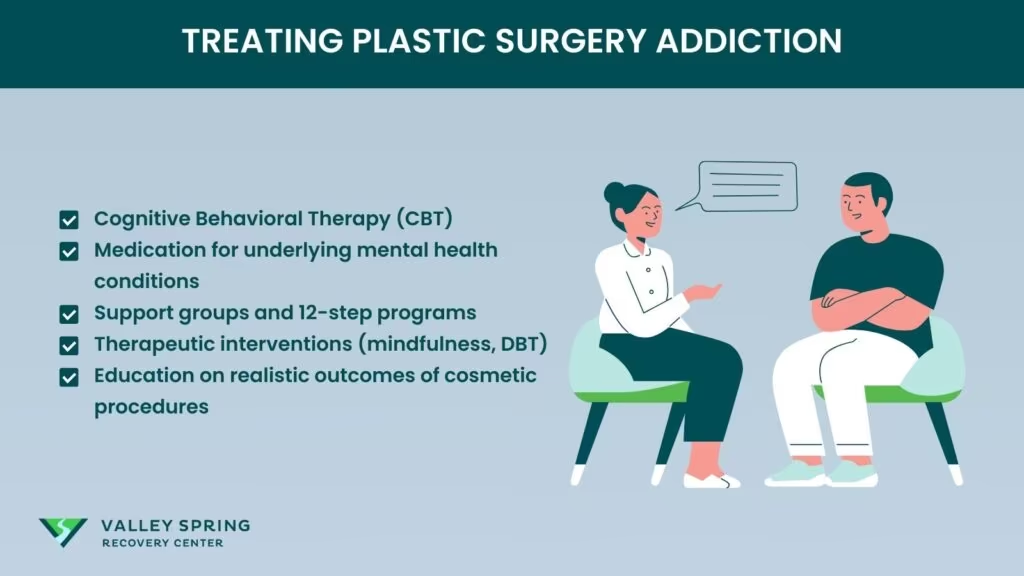
The most effective methods to treat plastic surgery addiction include:
- Cognitive Behavioral Therapy (CBT)
- Medication
- Support Groups and 12-Step Programs
- Therapeutic Interventions
- Education and Awareness
Cognitive Behavioral Therapy (CBT)
Cognitive Behavioral Therapy (CBT) is a therapeutic approach that helps individuals identify and change negative thought patterns and behaviors. CBT is an effective treatment for plastic surgery addiction, assisting individuals to identify and challenge distorted thought patterns that contribute to their addictive behaviors. The prevalence of psychiatric disorders in patients undergoing cosmetic surgery is 4 to 57% for body dysmorphic disorder (BDD), according to Bascarane S, Kuppili PP, Menon V., et al. 2021, “Psychiatric Assessment and Management of Clients Undergoing Cosmetic Surgery: Overview and Need for an Integrated Approach.” By replacing negative thoughts with more realistic and positive ones through CBT, individuals reduce their compulsive urge for surgery and improve their overall quality of life.
Medication
Medication involves the use of pharmaceutical interventions to manage symptoms associated with plastic surgery addiction. While there are no specific medications approved for treating plastic surgery addiction, antidepressants and anti-anxiety medications are beneficial in managing co-occurring mental health conditions such as BDD, depression, and anxiety. These medications help reduce symptoms and improve emotional stability.
Support Groups and 12-Step Programs
Support groups and 12-step programs provide a community-based approach to addiction treatment. These programs offer individuals struggling with plastic surgery addiction a supportive environment where they share experiences, gain insights, and receive encouragement from others facing similar challenges, according to a study by Higgins S. By participating in these groups, individuals find motivation, build accountability, and develop coping skills to manage their addiction more effectively.
Therapeutic Interventions
Therapeutic interventions encompass various methods and techniques used to address plastic surgery addiction. These include individual counseling, family therapy, and specialized treatment programs designed to address the unique aspects of addiction to cosmetic procedures. These interventions aim to explore underlying psychological issues, improve self-esteem, and develop healthier behaviors, ultimately supporting individuals in overcoming their addiction.
Education and Awareness
Education and awareness initiatives focus on informing individuals about the risks and signs of plastic surgery addiction. By increasing understanding of the psychological and physical consequences of excessive cosmetic procedures, these programs help individuals recognize problematic behaviors and seek appropriate help, according to a study by Higgins S. Promoting awareness also assists in preventing addiction by providing resources and information on healthier approaches to body image and self-esteem.