


Clinical guide
Tattoo Addiction: Characteristics, Health Impact, Assessment, and Treatment
Tattoo addiction describes a compulsive, repeated urge to get tattoos beyond personal satisfaction, often tied to emotional or psychological needs.
By Paul James Roeser·Reviewed by Noelle Mathew, LCSW, LCADC, CASAC-M·14 min read
Published ·Updated
Tattoo addiction is characterized by an intense and compulsive need to obtain tattoos, driven by psychological or emotional factors continually. This behavior involves a repeated pattern of seeking out and receiving tattoos beyond initial intentions or personal satisfaction, potentially leading to a preoccupation with the act of tattooing as a means of emotional expression or escape.
Understanding the characteristics of tattoo addiction illuminates the nuanced relationship individuals develop with body art. Compulsive thoughts and actions, loss of control over tattooing habits, and significant negative impacts on personal, social, and professional spheres are hallmark features, according to a study by Braithwaite R. et al. 2001, "Tattooing and body piercing among adolescent detainees: Relationship to alcohol and other drug use."
The health impact of tattoo addiction extends beyond the aesthetic appeal of body art. While tattoos are generally considered safe when performed under sterile conditions, excessive and frequent tattooing leads to various health complications. These include allergic reactions to tattoo pigments, skin infections due to improper aftercare, and more serious risks such as bloodborne diseases if equipment is not adequately sterilized, according to a study by Nicolas, K., and Bosonnet S. et al. 20217, "Keloid occurring in a tattoo."
Assessing tattoo addiction involves navigating the intricate web of behaviors and motivations that drive excessive tattooing. Although not officially recognized as a medical disorder, the evaluation of tattoo addiction revolves around understanding the psychological and behavioral patterns associated with compulsive tattoo acquisition, according to a study by Pirrone C, Castellano S, Platania GA, Ruggieri S, Caponnetto P., et al. 2020, “Comparing the emerging psychological meaning of tattoos in drug-addicted and not drug-addicted adults.” It involves exploring the individual's relationship with tattoos, their reasons for getting inked, and how tattooing impacts their daily life and well-being.
Treating tattoo addiction involves addressing the psychological reasons behind the compulsion to get tattoos and the practical effects on an individual's life. Effective treatment strategies include therapy, support groups, and education programs. These approaches help reduce the negative impacts of excessive tattooing and promote overall well-being, according to a study by Sosin I. et al. 2014, "Tattoo as a subculture and new form of substantial addiction: The problem identification.”
By raising awareness, providing psychological support, and encouraging safe tattoo practices, treatment aims to manage addictive behaviors and empower individuals to make informed decisions about their body art and mental health.
What is Tattoo addiction?
Tattoo addiction refers to the compulsive desire to continually get tattoos, driven by psychological factors rather than mere aesthetic enjoyment. Individuals with tattoo addiction feel an overwhelming need to get inked more, using it as a way to cope with emotional or psychological issues. While it is not officially recognized as a medical condition, tattoo addiction leads to significant psychological, social, and health consequences.
Approximately 32% of Americans have a tattoo, including 22% who have more than one, according to the Pew Research Center. Tattoos have a rich history and cultural significance, symbolizing personal milestones, cultural heritage, or individual expression. Modern tattooing has become a popular form of body art, with millions worldwide getting tattoos for various reasons. The process involves injecting ink into the skin's dermis layer and creating permanent designs. While generally safe when done by professional artists in sterile environments, tattoos carry risks such as infections, allergic reactions, and potential complications from unsterile equipment.
What are the Characteristics of Tattoo Addiction?
The characteristics of tattoo addiction are similar to behavioral addictions like gambling or shopping. Alcohol, marijuana, antidepressants, and sedatives are significantly correlated with having tattoos, according to a study by Braithwaite R. et al. 2001, "Tattooing and body piercing among adolescent detainees: Relationship to alcohol and other drug use.”
The 5 classified characteristics of tattoo addiction are:
- Compulsive Behavior
- Loss of Control
- Emotional Turmoil
- Social and Occupational Impact
- Psychological Drivers
Compulsive Behavior
Compulsive behavior in tattoo addiction refers to the persistent and uncontrollable urge to get more tattoos, even when faced with negative consequences such as financial strain or relationship difficulties. This compulsive drive dominates an individual's decision-making process, leading them to prioritize the act of getting tattoos over other important aspects of life, according to a study by Braithwaite R. People find themselves continually seeking new tattoos despite understanding the potential drawbacks, illustrating how the urge to modify their bodies overrides rational considerations.
Loss of Control
Loss of control in tattoo addiction describes the inability to resist the urge to get tattooed, even when individuals have previously resolved to cut back or stop altogether. This characteristic reflects a common feature of addictive behaviors, where individuals struggle to manage their impulses and adhere to their initial intentions, according to a study by Braithwaite R. Despite making conscious efforts to reduce their tattooing habits, those with tattoo addiction find themselves relapsing into the behavior, highlighting a fundamental loss of control over their actions.
Emotional Turmoil
Emotional turmoil in tattoo addiction involves experiencing intense emotional responses, such as remorse or regret, after impulsive tattoo decisions. Individuals regret tattoos that do not align with their values or beliefs, leading to a cycle of seeking further tattoos as a way to cope with or distract from these negative emotions, according to a study by Braithwaite R. This emotional distress exacerbates the compulsion to continue getting tattoos, creating a loop of dissatisfaction and further tattoo acquisition.
Social and Occupational Impact
Social and occupational impact refers to the significant consequences of tattoo addiction on an individual's personal and professional life. Negative societal perceptions of tattoos result in discrimination or hinder career opportunities, especially in professional environments where tattoos are less accepted, according to a study by Braithwaite R. Additionally, personal relationships suffer if others do not understand or support the individual's compulsion to get tattooed, potentially leading to conflicts or isolation.
Psychological Drivers
Psychological drivers in tattoo addiction involve underlying emotional or psychological factors that contribute to the compulsion to get tattoos. Individuals use tattoos as a coping mechanism for emotional distress, to enhance self-esteem, or to seek validation through changes in their external appearance, according to a study by Braithwaite R. These psychological drivers play a crucial role in the development and persistence of tattoo addiction, influencing how individuals perceive and respond to their tattooing behavior.
What are the Health Impacts of Excessive Tattooing?
The health impacts of excessive tattooing include skin infections, allergic reactions, and scarring due to frequent skin trauma. Additionally, individuals who get numerous tattoos are at risk of complications from ink ingredients, which lead to skin irritation or systemic reactions. There is also a potential for more serious infections if proper hygiene practices are not followed during the tattooing process.
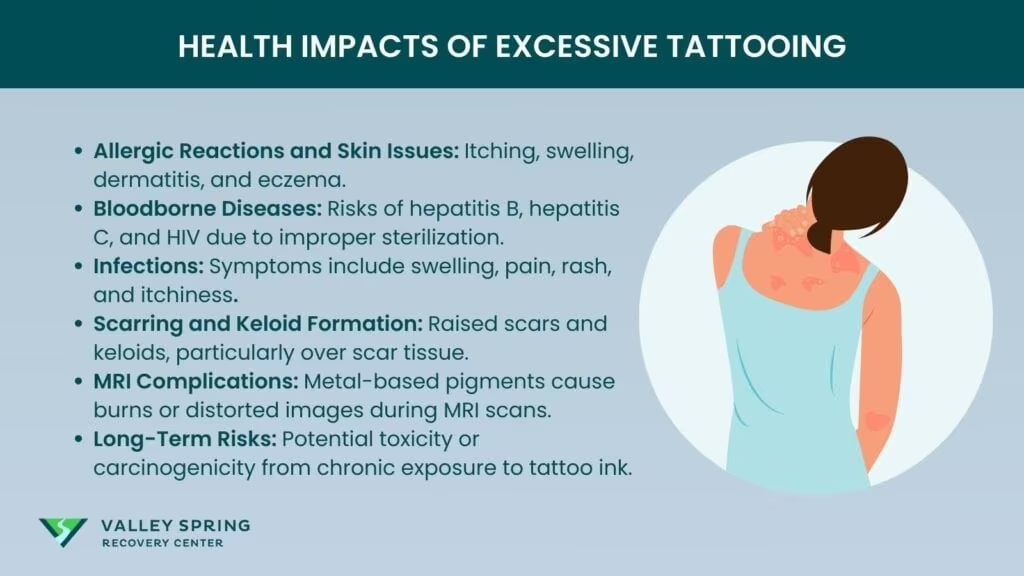
The health impacts of excessive tattooing, according to a study by Bäumler W. et al. 2016, “Tattoos and Their Potential Health Consequences,” are:
- Allergic Reactions and Skin Issues
- Bloodborne Diseases
- Infections
- Scarring and Keloid Formation
- MRI Complications
- Long-Term Health Risks
Allergic Reactions and Skin Issues
Allergic reactions and skin issues related to tattoos involve adverse responses triggered by tattoo pigments, which lead to chronic skin conditions. Some individuals experience allergies to specific ink components, resulting in symptoms such as itching, swelling, dermatitis, and eczema, according to a study by Bäumler W. Poor aftercare practices exacerbate these issues, potentially causing persistent discomfort and requiring ongoing medical treatment.
Bloodborne Diseases
Bloodborne diseases refer to infections transmitted through contaminated tattoo equipment that has not been properly sterilized. Risks include bacterial infections like staphylococcus or streptococcus, as well as viral infections such as hepatitis B, hepatitis C, and HIV, according to a study by Bäumler W. These diseases have severe long-term health consequences and necessitate immediate medical intervention to manage and treat them effectively.
Infections
Infections associated with tattoos manifest through symptoms such as redness, dark brown or purple discoloration, bumpy or raised skin, swelling, pain, rash, and itchiness, according to a study by Bäumler W. These signs indicate that the tattooed area is infected and requires prompt medical attention. Proper care and hygiene are crucial to prevent infections and address them swiftly.
Scarring and Keloid Formation
Scarring and keloid formation involve the development of raised scars or keloids, particularly when tattooing occurs over scar tissue or areas prone to keloid formation. Keloids are an overgrowth of scar tissue extending beyond the original wound, causing itching, discomfort, and cosmetic concerns. Managing keloids is challenging and requires medical intervention to reduce their appearance, as detailed in the study by Nicolas, K., and Bosonnet, S. et al. 2021, "Keloid occurring in a tattoo."
MRI Complications
MRI complications occur when tattoo pigments containing metal components interfere with magnetic resonance imaging (MRI) scans. Metal-based tattoos cause burns or distort MRI images, making it crucial to inform healthcare providers about tattoos before undergoing MRI procedures to avoid these complications, according to a study by Bäumler W.
Long-Term Health Risks
Long-term health risks refer to potential adverse effects associated with repeated tattooing and chronic exposure to tattoo ink and its components. Ongoing research is investigating the safety and biocompatibility of tattoo pigments, focusing on issues such as toxicity and carcinogenicity, according to a study by Islam P. et al. 2016, “Medical Complications of Tattoos: A Comprehensive Review.” It underscores the importance of informed decision-making and adherence to safe tattoo practices to mitigate potential health risks.
How to Assess Tattoo Addiction?
To assess tattoo addiction, evaluating the extent to which an individual's desire for new tattoos interferes with their daily life and well-being is essential. This assessment includes examining patterns of compulsive tattooing, financial strain due to frequent tattoo sessions, and the impact on personal relationships, according to a study by Altunay İK, Güngör İE, et al. 2022, “Tattoos: Demographics, Motivations, and Regret in Dermatology Patients.” Mental health professionals use interviews, questionnaires, and discussions about underlying psychological factors to determine the degree of addiction and its effects on the individual's overall functioning.
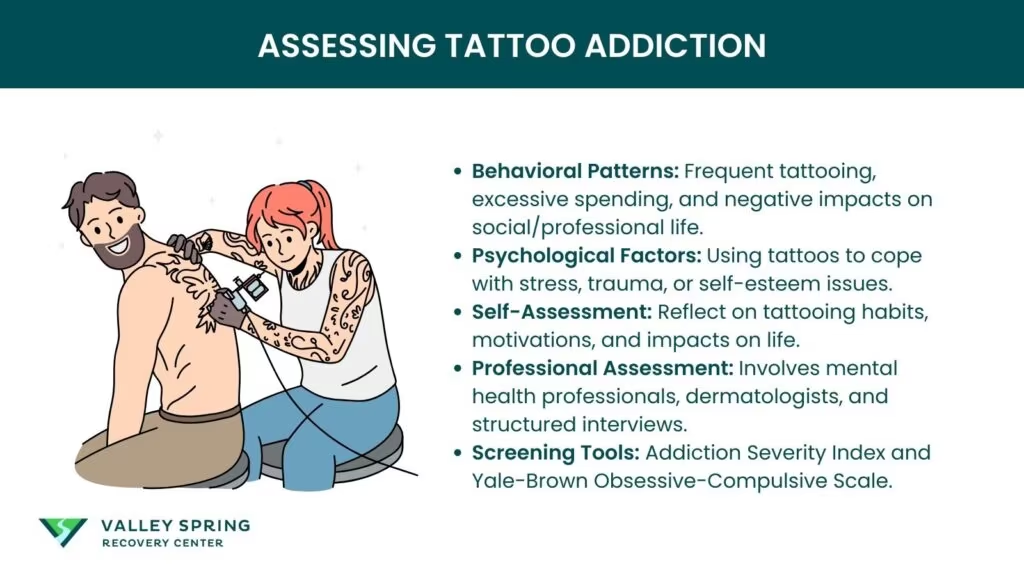
Assessing Tattoo Addiction is done by:
- Behavioral Patterns
- Psychological Factors
- Self-Assessment
- Professional Assessment
- Addiction Screening Tools
Behavioral Patterns
Behavioral patterns related to tattoo addiction involve identifying compulsive tendencies such as frequent tattooing without sufficient breaks, overspending on tattoos despite financial limitations, and experiencing negative effects on social relationships or professional advancement. These patterns suggest addiction-like behaviors, where individuals prioritize tattooing over other essential aspects of their lives, according to a study by Altunay İK.
Psychological Factors
Psychological factors are central to understanding tattoo addiction, as individuals use tattoos as a coping mechanism for underlying emotional or mental health issues, such as stress, trauma, or self-esteem problems. Research, including a study by Pirrone C. et al. (2020), indicates that those with certain psychological conditions engage in more frequent and extensive tattooing, reflecting a deeper psychological need or unresolved issues.
Self-Assessment
Self-assessment involves individuals using questionnaires or checklists to evaluate their tattooing habits, motivations, and the effects on their lives. This process helps individuals recognize behaviors that indicate addiction, allowing for a better understanding of their relationship with tattooing and its impact on their overall well-being, according to a study by Altunay İK.
Professional Assessment
A professional assessment is essential for diagnosing tattoo addiction. Mental health professionals provide clinical evaluations and develop tailored treatment plans based on individual needs. Dermatologists assess physical health issues related to tattooing, while social workers address the social consequences of addiction, according to a study by Altunay İK. Structured interviews are conducted to gather comprehensive information about an individual's tattooing history, motivations, and impact on their life, which is critical for effective diagnosis and intervention.
Addiction Screening Tools
Addiction screening tools are utilized to evaluate the severity of tattoo addiction and guide treatment planning. Tools such as the Addiction Severity Index or the Yale-Brown Obsessive-Compulsive Scale help measure the extent of the addiction and assist in developing a detailed and effective treatment approach.
What are the Treatment Approaches for Tattoos Addiction?
Treatment for tattoo addiction involves a multifaceted approach that includes psychological therapy, behavioral interventions, and support systems. Cognitive-behavioral therapy (CBT) helps address underlying emotional and mental health issues driving the addiction, while behavioral strategies focus on managing compulsive tattooing behaviors, according to an article by Psychology Today 2020, "Tattoo Addiction." Support from mental health professionals, dermatologists, and social workers is crucial for addressing the addiction's impact on physical health and personal relationships.
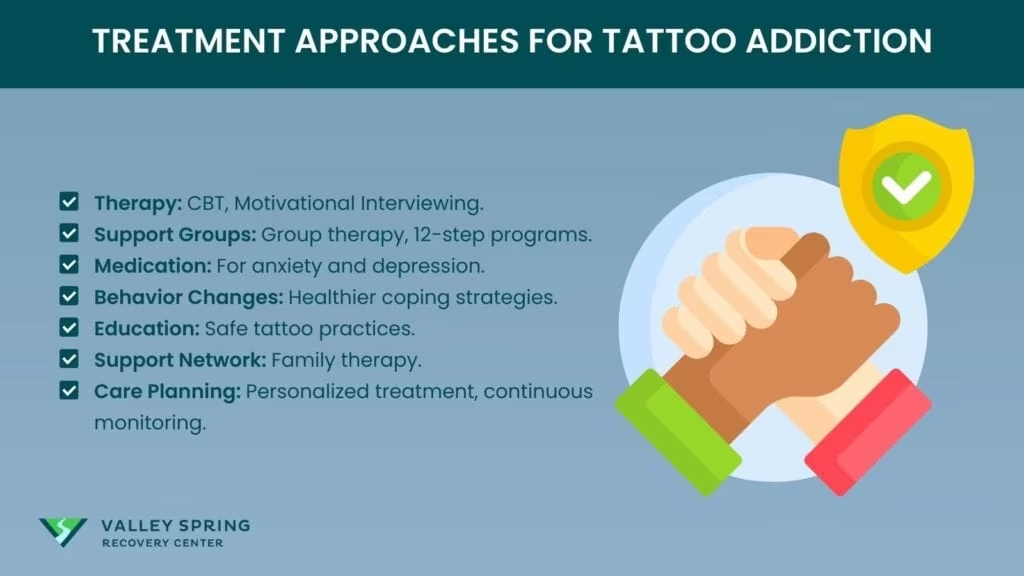
Treatment approaches for Tattoos Addiction are:
- Psychotherapy
- Support Groups
- Pharmacotherapy
- Behavioral Interventions
- Education and Awareness
- Family and Social Support
- Comprehensive Care Planning
Psychotherapy
Psychotherapy refers to the treatment of mental health issues through various therapeutic techniques aimed at addressing psychological factors and behavioral patterns. In the context of tattoo addiction, effective psychotherapy involves approaches like Cognitive Behavioral Therapy (CBT) and Motivational Interviewing (MI), according to Psychology Today. CBT helps individuals recognize and challenge irrational thoughts driving their tattooing behavior, fostering healthier coping mechanisms and impulse control. MI enhances individuals' motivation to change their tattooing habits by exploring their intrinsic desires and goals for behavior modification.
Support Groups
Support groups are gatherings of individuals who share similar experiences or challenges, providing mutual support and encouragement. For tattoo addiction, support groups such as Group Therapy and 12-step Programs (e.g., Alcoholics Anonymous) offer a sense of community and shared understanding. These groups help reduce feelings of isolation, facilitate emotional support, and encourage individuals to stay committed to their recovery journey by connecting with others who face similar struggles, according to Psychology Today.
Pharmacotherapy
Pharmacotherapy involves the use of medications to manage mental health disorders that contribute to addictive behaviors. While no medications are specifically approved for tattoo addiction, pharmacotherapy addresses co-occurring conditions such as anxiety or depression, according to Psychology Today. Medications like antidepressants and anti-anxiety drugs help alleviate symptoms that impact the addiction, thereby supporting overall treatment and recovery efforts.
Behavioral Interventions
Behavioral interventions focus on changing maladaptive behaviors and developing healthier coping strategies. For tattoo addiction, these interventions include techniques such as stress management, problem-solving skills, and assertiveness training. These strategies aim to prevent relapse and address triggers that lead to excessive tattooing, according to Psychology Today. By fostering alternative coping mechanisms and promoting behavioral changes, individuals better manage their addiction and reduce their reliance on tattoos as an escape.
Education and Awareness
Education and awareness involve informing individuals about the safety, hygiene practices, and potential health risks associated with excessive tattooing. By understanding these aspects, individuals are empowered to make informed decisions regarding their tattooing habits, according to Psychology Today. Education also helps mitigate the risk of addiction by promoting safe practices and awareness of the potential negative consequences of frequent tattooing.
Family and Social Support
Family and social support encompass involving family members and building strong support networks to enhance recovery from tattoo addiction. Family Therapy and the development of Social Support Networks provide emotional backing and create a stable environment conducive to healing, according to Psychology Today. Support from loved ones and a strong social network significantly boost motivation, encourage, and assist in managing addiction-related challenges.
Comprehensive Care Planning
Comprehensive care planning involves creating individualized treatment plans and ensuring ongoing monitoring and support throughout the recovery process. This approach tailors treatment to each person's unique needs and progress, enhancing the effectiveness of recovery efforts. Components of comprehensive care include Individualized Treatment Plans and Continued Monitoring and Follow-Up, which help track progress, adjust strategies as needed, and ensure sustained support for long-term recovery.
Can tattoo addiction lead to physical health complications beyond skin reactions?
Tattoo addiction leads to serious health complications beyond skin-related problems, especially if the equipment used to make tattoos isn't properly sterilized, such as bloodborne diseases, according to a study by Sankaranantham M. et al. 2017, “HIV Transmission through Tattoos.” To mitigate these risks, it's crucial to prioritize sterile environments and ensure tattoo artists adhere to strict hygiene standards.
How does societal perception of tattoos impact those struggling with addiction?
Societal attitudes towards tattoos influence self-esteem and exacerbate addiction tendencies. Negative perceptions in professional settings, for example, amplify feelings of regret or hinder employment opportunities, compounding the challenges faced by individuals with tattoo addiction, according to a study by Broussard KA, Harton HC. et al. 2018, “Tattoo or taboo? Tattoo stigma and negative attitudes toward tattooed individuals.”
What role does the tattoo industry play in managing and preventing addiction-like behaviors?
The tattoo industry promotes safe practices and ethical guidelines to minimize addiction risks. Educating clients about the permanence and implications of tattoos, along with fostering a supportive environment for responsible tattooing decisions, helps mitigate addiction-related challenges, according to Beckett, E. 2023, "Resisting, Reframing and Rethinking the Tattoo Industry."
Can therapy effectively address underlying psychological factors contributing to tattoo addiction?
Yes, therapy, particularly cognitive-behavioral approaches, helps individuals explore underlying motivations and develop healthier coping mechanisms, according to a study by Sudhir PM. et al. 2018, “Cognitive behavioral interventions in addictive disorders.” By addressing emotional triggers and enhancing self-awareness, therapy supports individuals in managing compulsive tattooing behaviors and improving overall well-being.