Inpatient vs Outpatient Rehab: Which Drug and Alcohol Treatment Is Right for You?
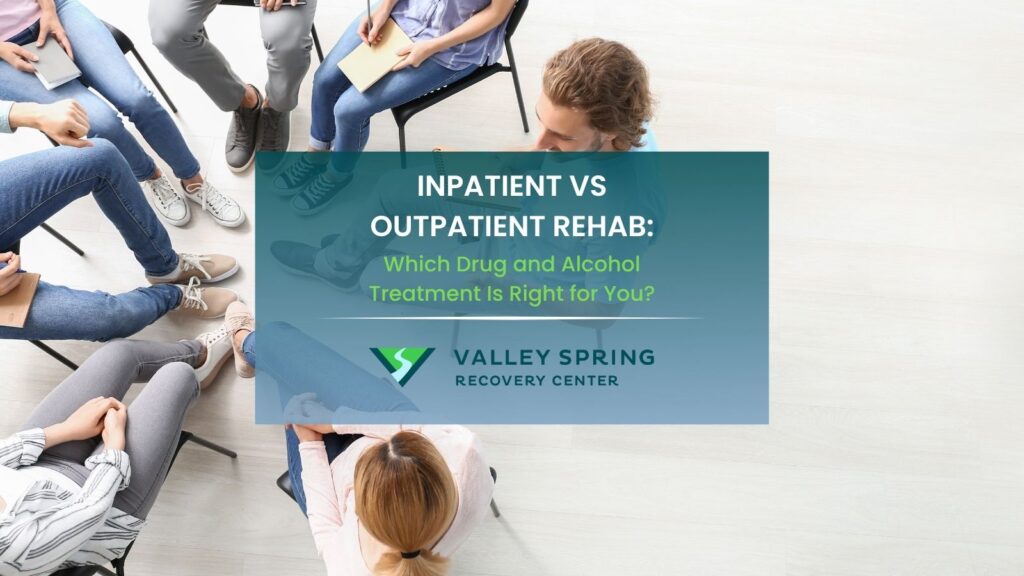
Inpatient and outpatient rehab are the two primary models of drug and alcohol addiction treatment, each offering distinct structures and levels of support. Choosing the right one depends on a person’s substance use severity, lifestyle, and recovery needs.
Inpatient rehab involves residing at a treatment facility 24/7, providing a highly structured environment with constant medical supervision and intensive therapy. It’s ideal for individuals with severe addictions, co-occurring disorders, or those at high risk of relapse who need a break from their everyday environment.
Outpatient rehab allows individuals to live at home while attending scheduled treatment sessions during the day or evening. It offers flexibility for those with mild to moderate substance use disorders or for those transitioning from inpatient care.
Both programs include evidence-based therapies, such as behavioral counseling, medication-assisted treatment, and relapse prevention planning. The choice between them often depends on factors like support systems at home, work, or school obligations, and personal readiness.
What Is the Difference Between Inpatient Residential Rehab and Outpatient Rehab?
The primary differences between inpatient and outpatient rehab include level of care, setting, and time commitment.
Inpatient Residential Rehab provides a structured environment where individuals receive round-the-clock care in a dedicated facility. This rehab type suits those requiring intensive support and supervision due to severe addiction or co-occurring mental health issues.
Outpatient Rehab allows individuals to maintain daily routines while receiving treatment. Participants attend therapy sessions and support meetings at scheduled times and return home afterward. This option suits those with less severe addictions or those transitioning from a residential program.
When evaluating the best treatment option, consider specific needs, including:
- Substances used
- Duration of substance use
- Underlying reasons for addiction
- Financial considerations
- Comfort level with sharing personal information
Both treatment types offer merits and effectiveness. The best choice aligns closely with individual situations and recovery goals.
The table below compares inpatient residential rehab and outpatient rehab.
| Feature | Inpatient Residential Rehab | Outpatient Rehab |
| Duration | Typically lasts 30 to 90 days, depending on individual needs and program structure. | Varies; can last several weeks to months, with sessions scheduled a few times a week. |
| Environment | Structured, controlled environment with 24/7 medical and emotional support. | Flexible environment; patients manage their own schedules while living at home or in a supportive setting. |
| Level of Care | High level of care with constant supervision, including medical staff and therapists. | Lower level of care; patients are responsible for their own safety and well-being, with scheduled therapy sessions. |
| Therapeutic Activities | Intensive therapy sessions, group activities, holistic treatments, and life skills training. | Therapy sessions, support groups, individual counseling, and sometimes educational workshops. |
| Cost | Generally, more expensive due to room, board, and comprehensive care services. | Typically less expensive; costs vary based on the frequency and type of sessions, and insurance coverage may apply. |
| Ideal For | Individuals with severe addiction, co-occurring mental health disorders, or those needing a break from their environment. | Individuals with milder addiction issues, strong support systems, or those transitioning from inpatient care. |
| Family Involvement | Family therapy sessions are often included to support recovery and communication. | Family involvement is encouraged but may vary by program; some offer family counseling options. |
| Aftercare Support | Often includes a structured aftercare plan with follow-up services and support groups. | May offer aftercare support, but it can vary by program; often includes referrals to community resources. |
| Flexibility | Less flexible; patients must adhere to a strict daily schedule and routine. | More flexible; patients can schedule sessions around their daily lives, work, or school commitments. |
Did you know most health insurance plans cover substance use disorder treatment? Check your coverage online now.
Did you know most health insurance plans cover substance use disorder treatment? Check your coverage online now.
What is Inpatient Residential Rehab?
Inpatient residential rehab is a treatment program at a specialized facility that provides individuals with comprehensive care and structure to help them recover from drug and alcohol addiction.
A typical day in inpatient treatment consists of structured activities such as individual therapy sessions, group counseling, family involvement support services, and medication management strategies.
These treatments are beneficial because they enable the patient to take advantage of professional guidance throughout their recovery process while simultaneously assuring that there is still stability back home for when they return after completing the program.
According to the New Jersey Department of Human Services’ “Substance Use Overview 2022 Statewide” report that intensive outpatient programs (IOPs) represented 15% of all treatment admissions in 2022.

The components of inpatient rehab treatment include:
- Location: Inpatient rehab involves residing at a specialized facility for the duration of the treatment program.
- Level of Care: It provides 24/7 medical and emotional support, making it ideal for those with severe substance abuse issues or co-occurring mental health disorders.
- Duration: Typically lasts for 30, 60, or 90 days, although this can be extended based on individual needs.
- Structure: Highly structured, involving a blend of medical detox, counseling, therapy, and group sessions.
- Cost: Generally more expensive due to comprehensive services, including lodging, meals, and medical care.
- Isolation from Triggers: Being in a controlled environment removes the patient from potential triggers and allows for focused recovery.
What Are Outpatient Rehab Programs?
Outpatient Rehab Programs provide treatment and support for individuals recovering from addiction or mental health issues without requiring an overnight stay. These programs include therapy sessions, counseling, and medical support, allowing patients to maintain their daily routines while receiving care.
According to the New Jersey Department of Human Services’ “Substance Use Overview 2022 Statewide” report that outpatient care constituted 46% of all treatment admissions in New Jersey in 2022.

The components of outpatient rehab programs include:
- Location: Outpatient rehab allows individuals to live at home while attending scheduled treatment sessions.
- Level of Care: It offers less intensive care and is usually best for those with mild to moderate substance abuse issues.
- Duration: Varies significantly, from a few weeks to several months, based on individual treatment plans.
- Structure: Usually involves therapy, counseling, and educational sessions that the patient attends for a set number of hours per week.
- Cost: Generally more affordable, as it does not include the costs for lodging and round-the-clock care.
- Flexibility: Suitable for individuals who need to maintain their daily responsibilities, like work, school, or family commitments.
What Factors to Consider When Choosing Between Residential and Outpatient Rehab?
Factors to consider when choosing between residential and outpatient rehab include addiction severity, current obligations, support system, and the desired level of structure and support.
Residential programs offer 24/7 care in a dedicated environment, which is necessary for those with severe addiction or limited support at home. On the other hand, outpatient programs allow individuals to maintain their daily activities and responsibilities while receiving treatment.
Contact us today to schedule an initial assessment or to learn more about our services. Whether you are seeking intensive outpatient care or simply need guidance on your drug addiction journey, we are here to help.
What Are The Mental Health Considerations in Rehab Program Selection?
The mental health considerations in rehab program selection include the severity of addiction and any co-occurring mental health issues. Inpatient treatment is ideal for severe cases, offering 24/7 care and support.
Outpatient therapy suits those with less intense addiction or needing flexibility, providing intensive outpatient program sessions and adaptive counseling without full residential commitment.
Both inpatient and outpatient options aim to support long-term recovery from addiction and any underlying psychological conditions.
Choosing the Right Path for Your Unique Recovery Journey
Ultimately, whether you opt for inpatient or outpatient rehab, the end goal remains the same: achieving a healthier, more fulfilling life through sobriety. The route you take is less significant than the commitment and effort you invest in your journey.
With the context-rich information provided in this article, we aim to empower you to make a decision that is not just informed but also profoundly tailored to your path to recovery.
Which is better for men— inpatient or outpatient rehab for drug and alcohol addiction?
There’s no one-size-fits-all answer. Inpatient rehab is generally better for men with severe addiction, unstable home environments, or multiple relapses, as it offers intensive care and structure. Outpatient rehab may suit men with milder addictions or strong social support, as it allows them to maintain daily responsibilities while receiving treatment. A professional assessment can determine which approach best fits an individual’s recovery needs.
Share This Post

Valley Spring Editorial Team
All author posts
Our Therapuetic Recovery Programs
Are you covered for treatment?






Valley Spring Recovery Center is an approved provider for Blue Shield of California and Cigna, while also accepting many other major insurance carriers.
Check Coverage Now!