


Clinical guide
Naloxone: How It Reverses Opioid Overdose and How to Use It
Naloxone reverses opioid overdose by restoring breathing. Learn when and how to give it, repeat-dose guidance, side effects, access, and treatment limits.
By Paul James Roeser·Reviewed by Dr. Michael Olla, MD·Last reviewed August 22, 2026·7 min read
Published ·Updated
Naloxone is a medication that reverses opioid overdose by blocking opioid receptors and restoring breathing. It can work against heroin, fentanyl, and prescription opioid medications when given in time. Naloxone does not replace emergency care because an opioid can outlast the reversal medication and suppress breathing again.
Anyone can carry and administer available community formulations of naloxone. A suspected overdose requires immediate action: give naloxone, call 911, support breathing when trained, and stay with the person until emergency responders arrive.
What is naloxone?
Naloxone is a fast-acting opioid antagonist used to reverse known or suspected opioid overdose. It binds to opioid receptors without activating them and displaces opioids that are suppressing breathing. Clinical care uses naloxone as the generic medication name; Narcan is one brand of naloxone nasal spray.
Naloxone is available as prefilled nasal spray and injectable medication. The selected product determines its strength, route, storage instructions, and dose, so a responder should follow the directions on the device or package rather than apply dosing instructions from a different formulation.
When should someone give naloxone?
A bystander should give naloxone when a person may have used an opioid and cannot be awakened or is not breathing normally. Slow, shallow, irregular, or stopped breathing; choking or gurgling sounds; pinpoint pupils; blue or gray lips; and a limp body support the need for emergency care.
Uncertainty should not delay clinical action. CDC guidance states that naloxone will not harm a person who is overdosing on opioids or other drugs, so giving it is appropriate when opioid involvement is possible.
How do you respond to a suspected opioid overdose?
An overdose treatment response combines naloxone, emergency medical help, breathing support, positioning, and observation. Give the first dose according to its label, call 911 immediately, and use rescue breathing or CPR when trained and indicated.
- Check: Shout the person's name, try to wake them, and look for abnormal breathing.
- Give: Administer one naloxone dose according to the product directions.
- Call: Contact 911 and report a suspected overdose.
- Support: Provide rescue breathing or CPR if trained and place a breathing person on their side to reduce choking risk.
- Repeat and stay: Give another dose when directed and remain until emergency responders arrive.
Heroin, fentanyl, prescription opioids, and sedative combinations can suppress breathing during an opioid overdose.
An M367 pill contains hydrocodone and acetaminophen, produces opioid respiratory depression when overdosed, and requires the same naloxone-and-911 response when opioid poisoning is suspected.
How is naloxone nasal spray administered?
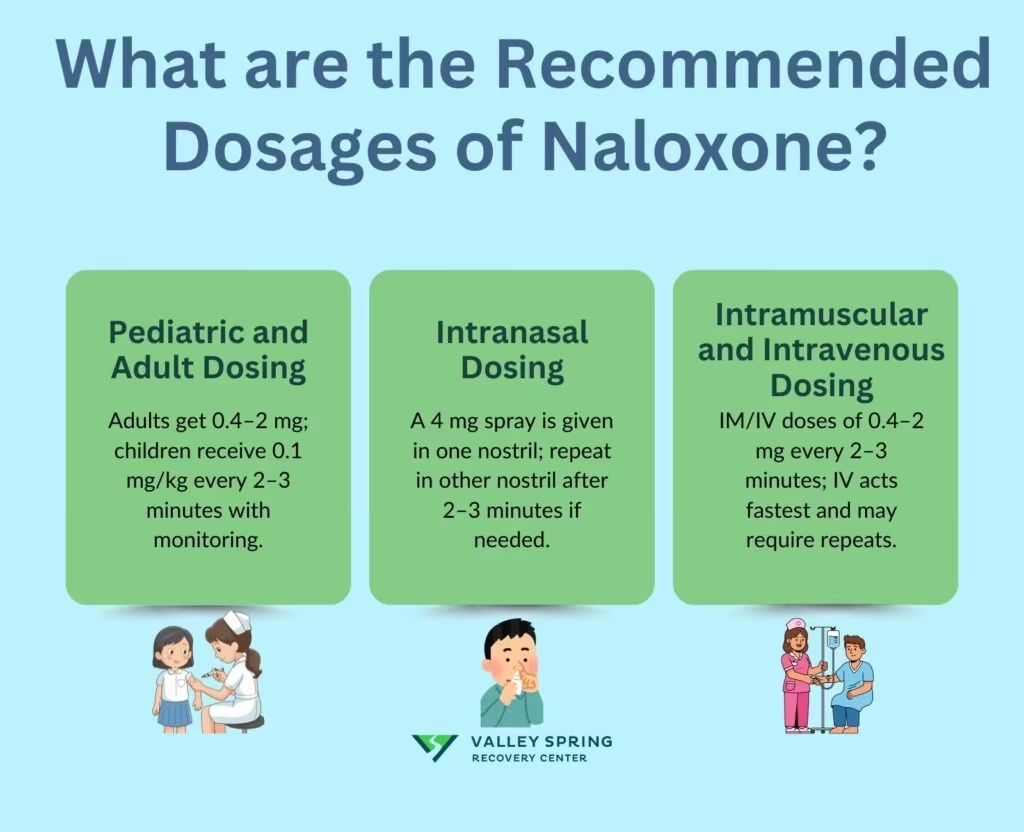
Naloxone nasal spray delivers one complete dose from one single-use device into one nostril. Clinical instructions vary by product. For over-the-counter 4 mg Narcan, the FDA Drug Facts label directs the responder to place the person on their back, insert the nozzle into either nostril, and press the plunger firmly. The device should not be tested or primed because it contains only one spray.
FDA labeling directs a responder to wait 2 to 3 minutes after the first dose. FDA labeling also directs the responder to use a new device and continue giving doses every 2 to 3 minutes when the person does not wake or breathe normally, until the person responds or emergency help arrives.
Why might a person need more than one naloxone dose?
A person may need repeat naloxone because the first dose is insufficient or respiratory depression returns. Clinical response considers the amount and type of opioid, the route of exposure, and the naloxone product. Potent opioids such as fentanyl may require more than one dose.
Improvement does not end the emergency. The opioid can remain active after naloxone's effect declines, causing the person to become unresponsive or stop breathing normally again. Stay with the person, keep additional doses ready, and follow emergency-dispatch instructions.
What side effects can naloxone cause?
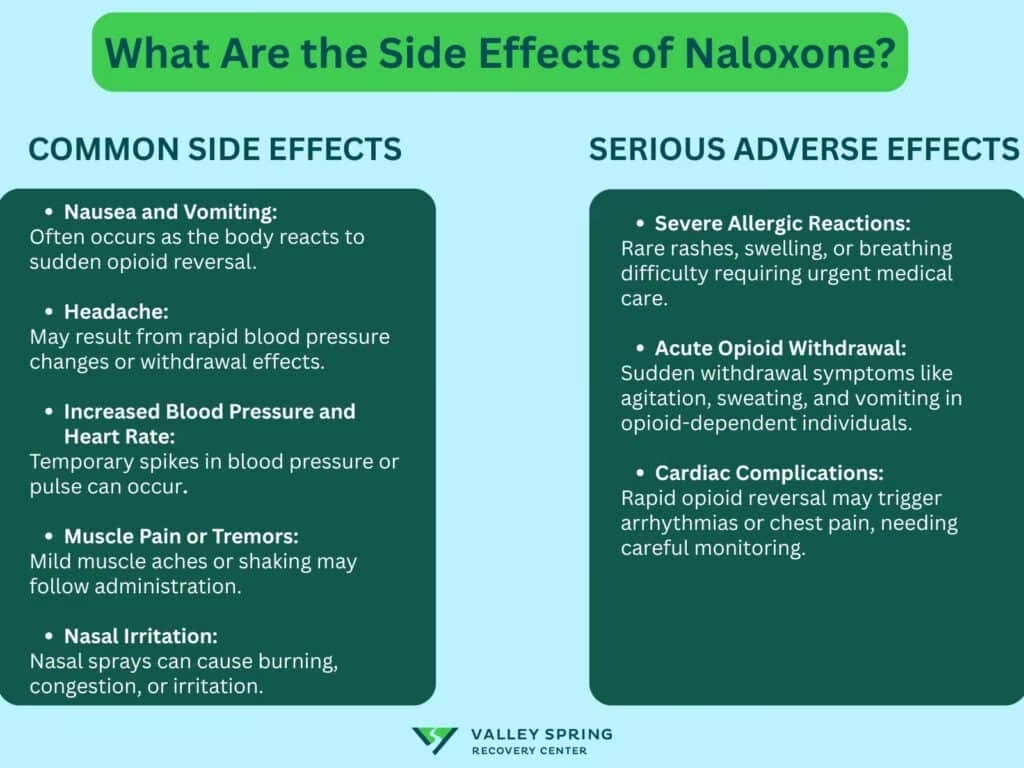
Naloxone can precipitate opioid withdrawal in a person who is physically dependent on opioids. CDC and FDA clinical guidance list sweating, shaking, nausea, vomiting, irritability, restlessness, body aches, diarrhea, rapid heart rate, and increased blood pressure among possible reactions.
Withdrawal can be intense, and vomiting or agitation can complicate the emergency response. The possibility of withdrawal should not delay naloxone during a suspected overdose because untreated respiratory depression can be fatal.
What overdoses does naloxone not reverse?
Naloxone does not reverse alcohol, cocaine, methamphetamine, or benzodiazepine toxicity when no opioid is involved. Those substances act through mechanisms that an opioid antagonist does not block. They can still cause fatal poisoning and require emergency clinical care.
Illicit products may contain undisclosed opioids, and a person may have used more than one substance. Give naloxone when opioid exposure is possible, but continue the full emergency response whether or not the person improves.
Who should carry naloxone?
People with opioid exposure and anyone likely to witness an opioid overdose should carry naloxone. CDC specifically recommends access for people with opioid use disorder, people who use heroin or fentanyl, people prescribed at least 50 morphine milligram equivalents of opioids per day, and people who combine opioids with benzodiazepines.
Family members, friends, caregivers, treatment providers, and community members can also carry it. Because a person cannot administer naloxone to themselves after losing consciousness, people nearby should know where it is stored and how to use it.
Where can people get naloxone?
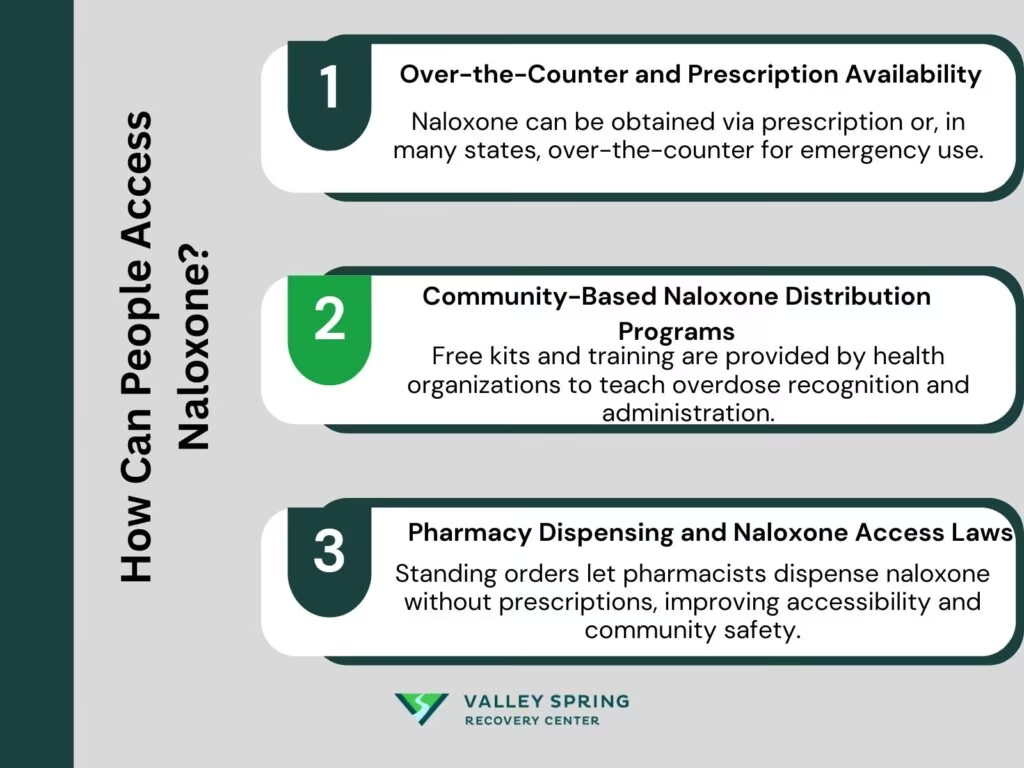
People can obtain naloxone over the counter, through pharmacies, from health departments, or through community distribution programs. The FDA approved 4 mg Narcan nasal spray for nonprescription sale in 2023, and CDC reports that naloxone is available over the counter in all 50 states.
Cost and stock vary by location. Insurance may cover prescription or over-the-counter products, while local health departments, syringe service programs, and community organizations may provide naloxone at little or no cost. Check the expiration date and follow the product's temperature, light, and storage instructions.
Does naloxone treat opioid addiction?
Naloxone reverses an opioid overdose but does not treat opioid use disorder by itself. Ongoing treatment can include methadone, buprenorphine, or naltrexone, along with individualized counseling, behavioral health care, peer support, and recovery services.
Buprenorphine-naloxone is a maintenance medication that combines two drugs in one product; it is different from giving naloxone alone during an overdose. A medication-assisted treatment program can assess which medication and level of care fit a person's clinical needs.

How does naloxone relate to heroin overdose?
Naloxone can reverse heroin-induced respiratory depression when it is administered before prolonged oxygen deprivation causes death. Heroin's strength and contents are not reliably visible, and illicit products may contain fentanyl or other opioids that increase overdose risk.
People who use heroin and the people around them should carry more than one naloxone dose, recognize abnormal breathing, and plan to call 911. After the emergency, heroin use disorder and withdrawal risk require clinical assessment and evidence-based treatment.
Frequently asked questions about naloxone
What does naloxone do to a person who has no opioids in their system?
Naloxone has no intoxicating effect and generally produces no opioid-reversal response when opioids are absent. That safety profile supports giving it when an unresponsive person's drug exposure is uncertain and opioid involvement remains possible.
How long does naloxone last?
Naloxone's reversal effect is temporary and may wear off while the opioid remains active. A person who improves can become unresponsive again, which is why every response still requires 911, observation, and repeat doses when directed.
What is the difference between naloxone and naltrexone?
Naloxone is a rapid overdose-reversal medication, while naltrexone is a longer-acting medication used after an opioid-free interval to help prevent opioid effects and return to use. The medications share opioid-antagonist activity but differ in onset, duration, formulation, and clinical purpose.
Sources & References6ShowHide
- CDC. Lifesaving Naloxone — Current federal guidance on naloxone forms, overdose response, repeat dosing, access, and who should carry it.
- CDC. Naloxone Frequently Asked Questions — Naloxone safety, withdrawal effects, repeat-dose timing, and bystander response steps.
- FDA. NARCAN Naloxone Hydrochloride Nasal Spray 4 mg Drug Facts Label — Official over-the-counter label directions for identifying overdose, administering one spray, calling 911, repeating doses, and staying with the person.
- FDA. Access to Naloxone Can Save a Life During an Opioid Overdose — Current consumer guidance on approved naloxone products, response, recurrence, and access.
- SAMHSA. Overdose Prevention and Response Toolkit, 2025 — Federal guidance for recognizing, reversing, and responding to overdose and supporting care after an overdose.
- CDC. Opioid Use Disorder: Treating — Distinction between overdose reversal and evidence-based medications for ongoing opioid use disorder treatment.