Medication Assisted Treatment (MAT): Definition, Types And Applications in Addiction Treatment

Medication-Assisted Treatment (MAT) provides a structured, evidence-based approach to treating substance use disorders. It combines FDA-approved medications with counseling and behavioral therapies. MAT targets both the biological and behavioral aspects of addiction and provides a sustainable recovery path. It reduces cravings, withdrawal symptoms, and relapse risk.
MAT treats multiple substances, including opioids, alcohol, and tobacco. It is complemented by support groups, educational programs, and psychosocial services to ensure holistic care. Patients experience improved treatment retention, better quality of life, and lower overdose risk. MAT programs also positively impact public health, including reduced community drug-related incidents. In New Jersey, community centers implementing MAT report a 45% increase in recovery retention compared to non-MAT programs. MAT serves as a frontline intervention for both short-term stabilization and long-term recovery success by integrating medications with therapy.
What Is Medication-Assisted Treatment?
Medication-Assisted Treatment (MAT) is a structured approach for addiction treatment that combines FDA-approved medications with counseling and behavioral therapies to support long-term recovery. MAT is a patient-centered model. It treats recovery as a holistic process by addressing both biological and behavioral needs.
MAT defines addiction as a medical condition instead of a moral failing. MAT medication reduces withdrawal symptoms, stabilizes brain chemistry, and lowers cravings. This integration of pharmacological and psychological support improves stability and reduces relapse risk.
The goal of MAT therapy extends beyond abstinence. It includes better health, daily functioning, and quality of life. A MAT program adapts to the patient’s biological, behavioral, and social needs by integrating medication-assisted therapy with counseling. According to the 2021 Journal of Substance Abuse Treatment review, MAT recovery programs increased retention rates by 45% compared to non-MAT treatment. Community centers that implemented MAT programs reported a 30% reduction in drug-related crime, as reported by the Centers for Disease Control and Prevention (CDC).
When Is MAT Treatment Used?
Medication-Assisted Treatment (MAT) is used when individuals struggle with substance use disorders, particularly opioid and alcohol dependence, and need both medical and behavioral support to recover. According to SAMHSA, MAT treatment is not a “last resort,” but a frontline intervention proven to improve survival, retention in care, and long-term recovery outcomes.
MAT treatment is especially important in the following situations:
- Early recovery and detox: MAT medicine helps manage withdrawal symptoms and stabilize patients so they can safely begin treatment.
- High risk of relapse: MAT therapy reduces cravings and supports long-term sobriety by balancing brain chemistry.
- Chronic opioid or alcohol use: MAT programs are most effective for people with a history of repeated use, where relapse and overdose risks are higher.
- Co-occurring conditions: When mental health challenges are present, MAT recovery provides stability that allows counseling and therapy to be more effective.
- Community and public health needs: MAT drugs reduce the risk of overdose deaths, lower disease transmission, and lessen criminal activity related to substance use.
What Types of Addictions are Treated with MAT?
The types of addictions treated with MAT therapy include opioid addiction, alcohol addiction, and tobacco addiction. MAT programs provide comprehensive care for addiction that reduces it by combining FDA-approved MAT medications with counseling and behavioral therapies.
Opioid Addiction
MAT medicines such as methadone, buprenorphine, and naltrexone are highly effective in reducing opioid withdrawal symptoms and lowering the risk of fatal overdose. Research by Au VYO, et al. 2021, titled “Factors associated with opioid overdose during medication-assisted treatment: How can we identify individuals at risk?” shows that MAT cut the risk of opioid overdose deaths by more than 50%.
Alcohol Addiction Medication
The alcohol addiction medications like disulfiram, naltrexone, and acamprosate are used to reduce cravings and improve abstinence rates for alcohol use disorder. A study by McPheeters M et al. 2023, titled “Pharmacotherapy for Alcohol Use Disorder
A Systematic Review and Meta-Analysis,” confirms that medication-assisted therapy significantly lowers alcohol relapse risks compared to non-medicated approaches.
Tobacco Addiction
MAT treatment also addresses nicotine dependence through options like nicotine replacement therapy, bupropion, and varenicline. A study by Fagerström K, Hughes J. et al. 2008, titled” Varenicline in the treatment of tobacco dependence,” shows these MAT drugs like Varenicline double quit success rates compared to placebo.
What Are the Common Medications for Opioid Use Disorder?
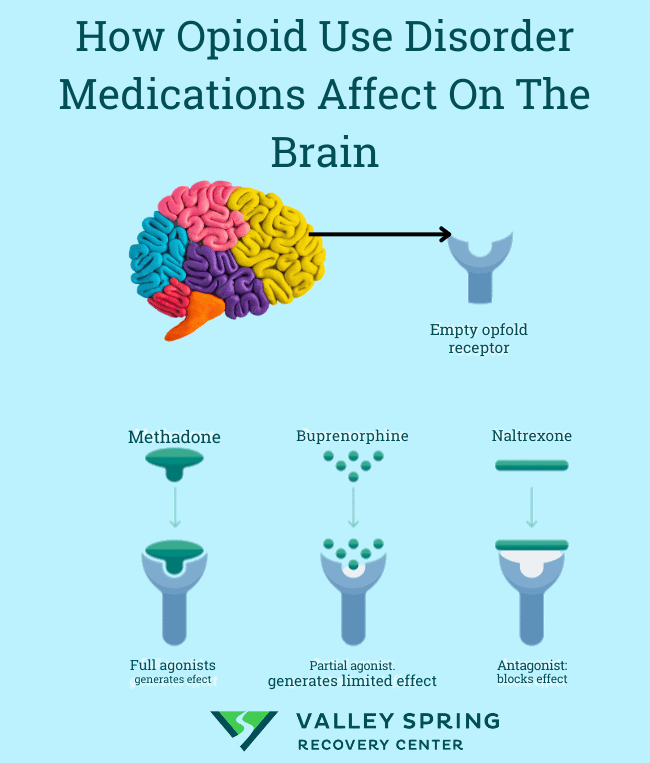
The common MAT drugs for opioid use disorder include methadone, buprenorphine, and naltrexone. MAT treatment improves patient stability, lowers overdose risk, and increases retention in recovery programs by addressing both the biological and behavioral aspects of addiction.
The common MAT drugs for opioid use disorder are as follows:
Methadone
Methadone is an FDA-approved long-acting opioid agonist that relieves withdrawal symptoms and suppresses cravings. Administered in a controlled dose through a MAT program, methadone stabilizes patients without producing the highs and lows of illicit opioids.
The controlled action of methadone enables individuals to function in daily life while focusing on counseling and behavioral therapies. Methadone’s effectiveness in reducing opioid misuse and overdose deaths has made it a cornerstone of MAT treatment worldwide.
Buprenorphine
Buprenorphine partially activates opioid receptors, easing withdrawal while reducing cravings. Its unique ceiling effect limits misuse and lowers the risk of overdose, positioning it as a safer alternative in MAT recovery programs.
Buprenorphine supports long-term stabilization without the same dependency risks as full agonists. This MAT medication helps patients stay engaged in treatment and therapy by reducing the physical grip of opioid dependency.
Naltrexone
Naltrexone is a non-addictive opioid antagonist that blocks the euphoric effects of opioids. Available in daily oral tablets or long-acting monthly injections, this MAT medicine prevents relapse by making opioid use unrewarding.
Naltrexone is particularly valuable after detox, when patients are opioid-free but vulnerable to relapse. Within a MAT program, Naltrexone reinforces abstinence, helping individuals maintain long-term recovery while lowering cravings and the risk of overdose.
How Does MAT for Alcohol Addiction Work?
naltrexone, and acamprosate, to target withdrawal, cravings, and brain chemistry imbalances. Each MAT medication addresses a different stage of alcohol dependence, allowing a comprehensive and patient-centered approach. MAT treatment for alcohol use disorder provides individuals with a structured path to recovery that integrates both medical and behavioral care by reducing the appeal of drinking, discouraging relapse, and supporting long-term abstinence.
The following MAT medications are used to treat alcohol use disorder:
Disulfiram
Disulfiram acts as a deterrent by causing unpleasant reactions such as nausea, vomiting, and headaches when alcohol is consumed. It helps reinforce abstinence and accountability in MAT recovery by associating drinking with discomfort.
This MAT medication works best when combined with counseling and social support, making it a valuable option for individuals motivated to remain sober. Disulfiram has been in use for decades and continues to be an important tool in alcohol addiction treatment.
Naltrexone
Naltrexone reduces the pleasurable effects of alcohol by blocking endorphin receptors linked to drinking behavior. It lowers the desire to drink and supports sobriety by making alcohol less rewarding.
Within MAT programs, naltrexone is prescribed alongside therapy to address both biological and psychological triggers. Its role in reducing heavy drinking episodes and improving abstinence rates has been consistently validated in clinical studies.
Acamprosate
Acamprosate restores chemical balance in the brain that becomes disrupted by long-term alcohol use. It reduces withdrawal-related discomfort such as anxiety, insomnia, and restlessness, making it easier for individuals to maintain abstinence. As part of MAT therapy, acamprosate helps sustain recovery during the challenging early months of sobriety. This MAT medicine does not reduce cravings directly but supports long-term healing of brain function, reinforcing a stable and drug-free lifestyle.
What Medications Are Used in MAT Therapy for Tobacco Addiction?
Nicotine replacement therapies (NRTs), bupropion, and varenicline are used in MAT therapy for tobacco addiction. These MAT medications reduce cravings, ease withdrawal symptoms, and improve quit success rates compared to unassisted attempts. Smokers gain a higher chance of long-term recovery and reduced relapse risk by integrating MAT therapy with behavioral support.
The following medications are used in MAT therapy for tobacco addiction:
Nicotine Patches
Nicotine patches deliver a controlled dose of nicotine through the skin, gradually reducing dependence without exposing individuals to harmful tobacco smoke. As a cornerstone of MAT programs, they provide steady relief from withdrawal and cravings, helping patients focus on lifestyle changes.
Nicotine Patches are particularly effective when paired with counseling, making them one of the most widely used forms of nicotine replacement therapy.
Bupropion
Bupropion, an antidepressant repurposed for MAT treatment, reduces nicotine cravings while alleviating withdrawal symptoms. Its dual action helps individuals manage both the physical and emotional challenges of quitting smoking.
Within MAT recovery programs, bupropion has been shown to increase quit rates and improve long-term abstinence outcomes. It offers a critical advantage for those who struggle with depression-linked smoking triggers by supporting mood stability during cessation.
Varenicline
Varenicline directly targets nicotine receptors in the brain, blocking the rewarding effects of smoking while reducing cravings. By diminishing both the pleasure and the urge to smoke, it effectively supports long-term abstinence.
In MAT therapy, varenicline is often regarded as one of the most powerful tools for tobacco cessation, with clinical studies showing significantly higher quit success rates compared to placebo. This MAT medication is especially useful for individuals who have struggled with multiple failed attempts to quit.
What Is Opioid Overdose Prevention Medication?
Opioid Overdose Prevention Medication, particularly naloxone, is a critical tool in addressing the opioid epidemic. Naloxone acts as a life-saving antidote by rapidly reversing the effects of opioid overdose and restoring normal respiration in individuals whose breathing has been compromised by heroin or prescription opioids.
Naloxone is administered by individuals without medical training, making it an essential resource in emergency situations. Widespread availability of naloxone is vital for reducing overdose deaths and emphasizes the need to integrate overdose prevention strategies into broader public health initiatives and addiction treatment programs.
What Are The Benefits of MAT For Substance Use Disorder?
The benefits of MAT for substance use disorder include reducing overdose risk, increasing treatment retention, and supporting long-term stability. MAT therapy combines FDA-approved MAT medications with counseling and behavioral interventions, offering a comprehensive approach that addresses both biological and psychological aspects of addiction.
The benefits of MAT for substance use disorder are as follows:
- Reduces Risk of Overdose: MAT drugs such as buprenorphine and methadone stabilize brain chemistry and lower the likelihood of fatal overdoses. A study by Larochelle et al. 2018 shows that opioid overdose death rates decrease significantly in regions with expanded MAT access.
- Increases Retention in Treatment Programs: MAT therapy helps patients manage cravings and withdrawal, making it easier to remain in treatment. According to SAMHSA (2021), individuals receiving MAT for opioid use disorder are more than twice as likely to stay in treatment compared to those not on MAT medication.
- Improves Survival Rates: MAT treatment improves long-term survival by combining MAT medicine with counseling. A longitudinal study by Sordo et al., 2017 found that patients with opioid use disorder who engaged in MAT programs had a higher five-year survival rate than those not receiving MAT.
- Higher Success Rates in Recovery: MAT recovery programs produce better long-term abstinence outcomes compared to non-medicated approaches.
- Reduces Cravings and Withdrawal Symptoms: MAT medications like methadone, buprenorphine, and naltrexone ease physical discomfort and psychological cravings. This makes the early stages of recovery safer and more manageable.
- Enhances Quality of Life: MAT treatment improves relationships, employment stability, and psychological well-being by stabilizing health and reducing relapse risk. Patients report better functioning and life satisfaction while on MAT programs, according to SAMHSA, 2021.
- Safety and Overdose Prevention: MAT medicine is designed with built-in safeguards. For example, buprenorphine’s “ceiling effect” reduces overdose risk, while methadone provides controlled, long-acting relief.
- Comprehensive and Tailored Care: MAT therapy integrates medications with behavioral counseling, peer support, and lifestyle interventions. This personalized approach addresses diverse needs across opioid, alcohol, and tobacco use disorders.
How Is MAT Integrated with Other Forms of Addiction Treatment?
Medication Assisted Treatment (MAT) integrates with other treatment approaches to create a holistic path to recovery. This integration combines MAT with counseling, behavioral therapies, support groups, and educational programs.
The combined approach ensures treatment is personalized. It caters to the unique needs of each individual and equips them with the tools and support required for successful recovery.
MAT therapy is integrated with the following forms of addiction treatment:
Counseling and Behavioral Therapies
Counseling and behavioral therapies play a critical role alongside MAT. These therapies include individual, group, and family sessions that apply strategies such as cognitive-behavioral therapy (CBT) and motivational interviewing. Therapies help patients uncover the root causes of substance use and build effective coping strategies. They also support behavior change that strengthens the results of MAT.
Support Groups
Support groups complement MAT by creating a community of shared experiences. Support Groups such as Alcoholics Anonymous (AA) or Narcotics Anonymous (NA) provide peer support and encouragement. Members motivate one another to stay committed to recovery goals. Peer connection reinforces the behavioral changes that MAT supports, offering emotional strength during challenging phases of recovery.
Educational Programs
Educational programs empower patients to understand addiction and recovery. These programs explain the biological, psychological, and social aspects of substance use disorders. They also provide practical relapse prevention strategies. Education complements MAT by giving individuals the knowledge and tools to actively manage their recovery. Patients who understand their condition are more likely to stay engaged and succeed in long-term treatment.
How Effective is Medication-Assisted Treatment for Addiction?
Medication-Assisted Treatment (MAT) effectively treats substance use disorders, including opioid, alcohol, and tobacco addictions. MAT shows efficacy in reducing cravings, managing withdrawal symptoms, and supporting long-term recovery.
MAT proves effective for alcohol use disorders. Medications such as Disulfiram (Antabuse), Acamprosate (Campral), and Naltrexone reduce alcohol consumption and support sustained abstinence. A 2014 review in the Cochrane Database of Systematic Reviews found that Acamprosate and Naltrexone significantly improve abstinence rates and decrease relapse likelihood.
For tobacco addiction, Nicotine Replacement Therapies (NRT), including patches, gums, and lozenges, increase the probability of quitting smoking. Research published in Nicotine & Tobacco Research shows that NRT can double cessation success compared to placebo interventions. Bupropion and Varenicline complement NRT by reducing cravings and withdrawal symptoms, further improving smoking cessation outcomes.
MAT is most effective when combined with behavioral therapies and counseling. Integrating pharmacological treatment with psychological support addresses both physical dependence and the behavioral aspects of addiction, ensuring a “whole-patient” approach. Government agencies, such as the Substance Abuse and Mental Health Services Administration (SAMHSA), and major medical organizations endorse MAT as a standard treatment for substance use disorders.
How Long Does MAT Last?
The duration of Medication-Assisted Treatment varies from person to person and is based on individual needs. Some patients require short-term treatment for 30 days, while others need long-term or even lifelong treatment. The treatment plan is adjusted over time to meet the evolving needs of the patient.
Is MAT Safe During Pregnancy?
Yes, MAT is considered a safer alternative to untreated opioid addiction during pregnancy. Medications like Buprenorphine are recommended as they pose a lower risk to the fetus compared to other opioids. However, it’s crucial to consult a healthcare provider for a tailored treatment plan that considers the health of both the mother and the baby.
Who Is a Fit for Medication-Assisted Treatment?
Medication-Assisted Treatment (MAT) is a valuable approach for those involved with opioids, alcohol, and tobacco. Identifying who is a fit for MAT involves considering several factors, including the severity of the addiction, co-occurring mental health disorders, and the individual’s treatment history and preferences.
The following individuals are the best fit for MAT therapy:
- Individuals with Severe Opioid Use Disorder: MAT is highly effective for people with severe opioid addiction. MAT combines medications such as methadone, buprenorphine, and naltrexone with counseling and behavioral therapy to manage withdrawal, reduce cravings, and lower relapse risk.
- Those with Alcohol Dependence: MAT benefits people with alcohol use disorder. Medications like disulfiram, naltrexone, and acamprosate improve abstinence rates, reduce relapse risk, and ease withdrawal symptoms. These MAT medications are most suitable for moderate to severe alcohol dependence.
- Smokers with High Nicotine Dependence: MAT supports smokers with high nicotine dependence who struggle to quit using other methods. NRT, bupropion, and varenicline reduce cravings and withdrawal, which increases quit success.
- People with Co-occurring Mental Health Disorders: MAT benefits individuals with substance use disorder who also experience depression or anxiety. MAT addresses both addiction and co-occurring conditions, leading to better outcomes by combining medications with therapy.
- Individuals with a History of Relapse: MAT is especially helpful for those who have relapsed multiple times during recovery attempts. MAT medications stabilize brain chemistry, block euphoric effects, and reduce cravings, making it easier to maintain long-term sobriety.
- Those Seeking Comprehensive Treatment: MAT is suitable for individuals who want a holistic recovery plan. MAT integrates FDA-approved medications with counseling and behavioral therapies to support long-term recovery and improve quality of life.
Share This Post

Valley Spring Editorial Team
All author posts
Our Therapuetic Recovery Programs
Are you covered for treatment?




Valley Spring Recovery Center is an approved provider for Blue Shield of California and Cigna, while also accepting many other major insurance carriers.
Check Coverage Now!