

Addiction Programs
Cocaine Addiction Treatment in Norwood, New Jersey
Norwood, NJ Cocaine Addiction Treatment addresses cocaine use disorder and co-occurring anxiety, depression, bipolar disorder, and ADHD for adults throughout Bergen County. Valley Spring Recovery Center delivers cocaine addiction treatment through Partial Care (ASAM 2.5), Intensive Outpatient (ASAM 2.1), and Outpatient (ASAM 1.0) programs at 830 Broadway in Norwood, New Jersey. The client's clinical team maintains an 8:1 therapist-to-client ratio across all cocaine treatment programs. Valley Spring Recovery Center holds CARF accreditation and A+ Better Business Bureau rating. Same-day admissions are available seven days a week. Call (855) 924-5320 to verify insurance and schedule the client's intake assessment today.
- Same-day admissions available seven days a week
- 8:1 staff-to-client ratio for personalized attention
- Psychiatric evaluation within 24 hours of admission
- CBT, DBT, and Contingency Management for stimulant addiction
- Evening IOP sessions 6:00 PM - 9:00 PM for working professionals
- Integrated dual diagnosis treatment for co-occurring conditions
- Family Program six-month family education workshop
- Lifetime alumni support with monthly meetings and quarterly outings
Free Insurance Verification
Get Answers Now
Same-day admissions available. Our team verifies your insurance and schedules your intake, typically the same day.
Programs Available
What Cocaine Addiction Treatment Programs Does Valley Spring Recovery Center Offer in New Jersey?
Valley Spring Recovery Center offers Cocaine Addiction Treatment through Partial Care (6 hours/day, Monday–Saturday), Intensive Outpatient Program (3 hours/day, Monday–Friday evenings), and Virtual IOP. All levels use CBT, DBT, and evidence-based protocols in groups under 10 people with an 8:1 staff-to-client ratio at 830 Broadway, Norwood, NJ.
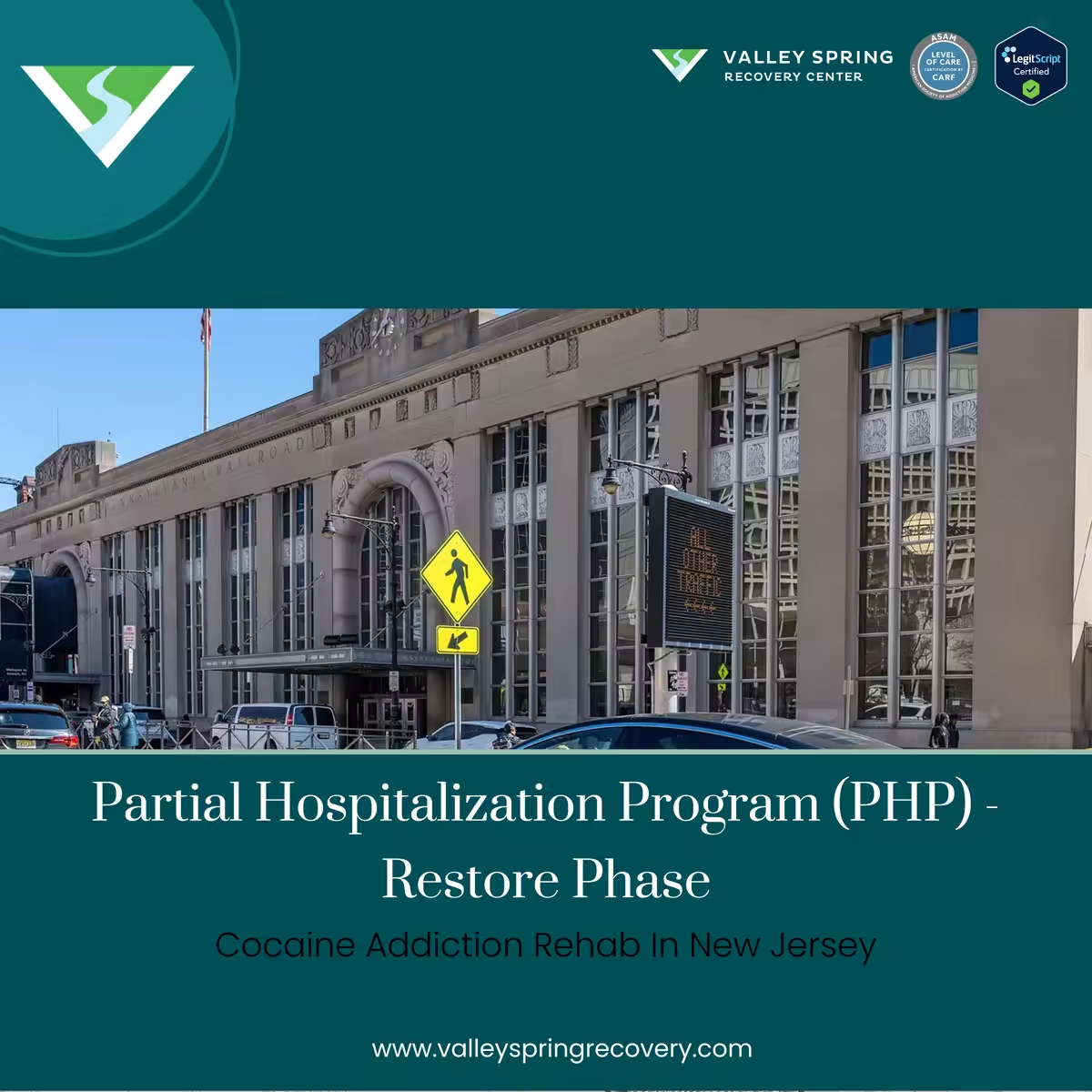
Valley Spring Recovery Center · Norwood, NJ


People Who Recovered
Norwood, NJ Cocaine Addiction Treatment Center Reviews
“It cannot be more clear the profound impact that Sean has made in my recovery journey. Finding someone who can balance the weight of recovery with genuine humor is rare, and he embodies that perfectly.”
Daisy McCloud
“Valley Spring Recovery Center truly changed my little brother Jordan's life. From the moment he entered the program, he was treated with respect, care, and real compassion. The staff went above and beyond to support him, not just in his recovery, but in every aspect of his life.”
Deshaya Williams
“Valley Spring Recovery Center saved my son's life. The staff is amazing. I'm so grateful for the exceptional care he received. The support and encouragement by the staff and the rest of the Valley Spring Community is so meaningful.”
Lana Roeser
“Valley Spring Recovery Center is absolutely exceptional. Brian and Mike have created a truly beautiful establishment, both in appearance and in spirit. The clinical setting is world class, blending professionalism with genuine compassion.”
Christopher Ferry
“Everyone treated me like family, I felt like I was born into this family. The welcoming I received was incredible. Valley Spring changed my life in ways I never thought possible.”
Tr3 Weee
Best in Bergen County
Why Is Valley Spring Recovery the Best Cocaine Addiction Treatment Center Near Norwood, NJ?
Valley Spring Recovery Center operates as a leading cocaine addiction treatment facility in Norwood, New Jersey, serving Bergen County residents. The client's treatment team maintains an 8:1 staff-to-client ratio with small process groups under 10 people, ensuring personalized attention throughout the recovery journey. Valley Spring Recovery Center was founded to combine clinical excellence with individualized care for cocaine addiction and co-occurring mental health conditions.
This approach distinguishes the facility from larger treatment centers by providing intimate programming with small process groups under 10 people and elective groups that give clients a say in the client's treatment. Valley Spring Recovery Center holds CARF accreditation, NAATP membership, and an A+ Better Business Bureau rating, and was featured as the number one treatment center in Best of New Jersey.
8:1
Staff-to-Client Ratio
Same-Day
Admissions Available
24 Hours
Psychiatric Evaluation
CARF
Accredited Facility
Why Valley Spring
Why Choose Valley Spring Recovery Center for Cocaine Addiction Treatment in Norwood?
CARF-accredited and NJ-licensed, Valley Spring Recovery Center maintains an 8:1 staff-to-client ratio, accepts 17 major insurance plans including Horizon, Anthem, and Aetna, and offers same-day admissions with groups capped at 10 people for Cocaine Addiction Treatment.
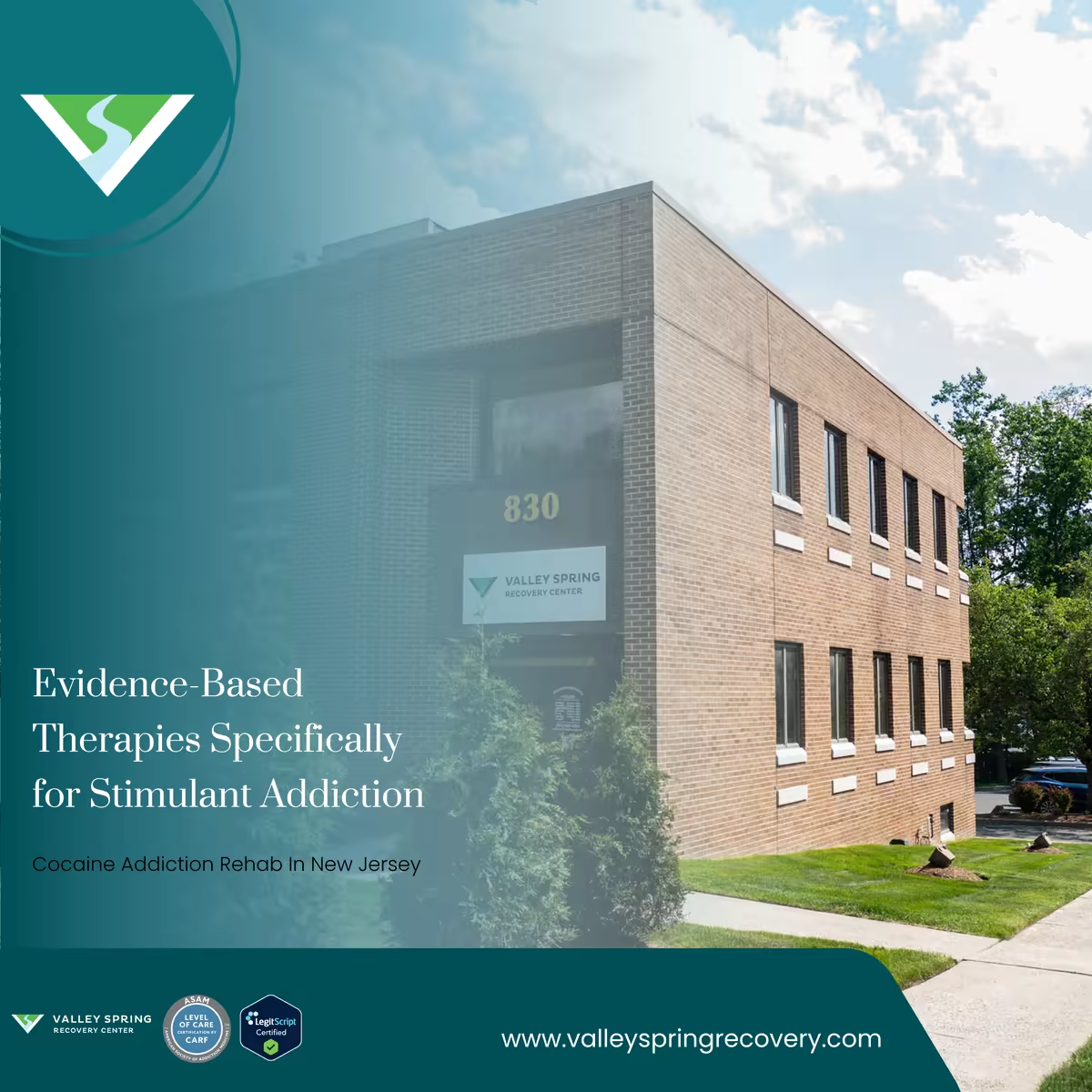
Valley Spring Recovery Center · Norwood, NJ
Treatment Timeline
What Does Cocaine Addiction Treatment at Valley Spring Recovery Look Like?
Cocaine Addiction Treatment at Valley Spring Recovery Center follows a staged clinical process beginning with assessment, progressing through active treatment, and continuing to aftercare planning. Timeline varies by severity and ASAM criteria, typically 30 to 90 days across program levels.
Physical Health Stabilization and Withdrawal Management
Clients will experience supervised stabilization as the client's body adjusts to life without cocaine, with medical monitoring for depression, fatigue, and intense cravings. The psychiatric provider prescribes appropriate medications to reduce craving intensity and support cognitive function during early recovery. The client's treatment team tracks sleep patterns, appetite changes, and mood stability to support safe withdrawal progression. Clients will learn about post-acute withdrawal syndrome (PAWS) and develop strategies for managing the psychological symptoms that can persist for months.
Supporting Services: Medical monitoring, psychiatric evaluation within 24 hours, medication management, and PAWS education.
Psychological Symptom Relief and Emotional Regulation
Clients will develop skills to manage the depression, anxiety, and emotional instability that often accompany cocaine withdrawal and early recovery. The client's individual therapist uses CBT techniques to help clients identify and challenge the thoughts that trigger cocaine cravings and impulsive decisions. Clients will practice DBT skills for distress tolerance, learning how to sit with uncomfortable emotions without using cocaine to escape them. The client's treatment team addresses any co-occurring mental health conditions like anxiety or bipolar disorder that may have contributed to the client's cocaine use.
Supporting Services: Individual therapy, CBT and DBT skills groups, psychiatric medication evaluation, and dual diagnosis coordination.
Craving Management and Relapse Prevention
Clients master specific techniques for managing cocaine cravings, including urge surfing, distraction techniques, and emergency coping strategies. The client's therapist helps clients identify high-risk situations, people, and emotions that trigger cocaine use, developing detailed plans for handling each scenario safely. Clients will practice Contingency Management strategies that reward healthy behaviors and sobriety milestones with meaningful incentives. The client's treatment team teaches clients to recognize early warning signs of relapse, including changes in thinking patterns, social isolation, or neglecting self-care.
Supporting Services: Contingency Management, relapse prevention groups, emergency coping strategy development, and individual therapy.
Cognitive Function Recovery and Decision-Making Skills
Clients will experience gradual improvement in memory, concentration, and executive function as the brain heals from cocaine's effects on dopamine pathways. The client's treatment team provides cognitive exercises and real-world practice opportunities to strengthen decision-making skills and impulse control. Clients will learn about cocaine's impact on brain chemistry and how consistent recovery practices support neuroplasticity and cognitive healing.
Supporting Services: Cognitive skills training, psychoeducation on brain recovery, and individualized therapy focused on executive function.
Relationship Repair and Family Healing
Clients work to rebuild trust with family members and friends whose relationships were damaged by the client's cocaine addiction. The family therapist facilitates conversations about hurt, disappointment, and hope, teaching communication skills that support ongoing recovery. Clients will learn to make amends appropriately while respecting others' boundaries and healing timelines.
Supporting Services: Family therapy sessions, Family Program workshop, communication skills training, and amends planning.
Employment Stability and Financial Recovery
Clients will develop strategies for maintaining job performance while managing the ongoing challenges of cocaine addiction recovery. The client's case manager provides support with FMLA documentation, disability claims, and return-to-work planning to protect the client's employment during treatment. Clients will learn financial management skills to address debt, legal costs, or other financial consequences of cocaine addiction.
Supporting Services: Case management, FMLA documentation, return-to-work planning, and financial literacy programming.
Long-Term Recovery Planning and Community Integration
Clients will create a comprehensive plan for maintaining cocaine addiction recovery after completing formal treatment, including ongoing therapy, support groups, and lifestyle changes. The client's treatment team connects clients with community resources, including 12-step meetings, SMART Recovery groups, or other peer support options that fit the client's preferences. Clients will develop a daily routine that supports recovery, including exercise, healthy eating, sleep hygiene, and stress management practices.
Supporting Services: Aftercare planning, alumni program orientation, community resource connections, and lifestyle support.
Our Facility
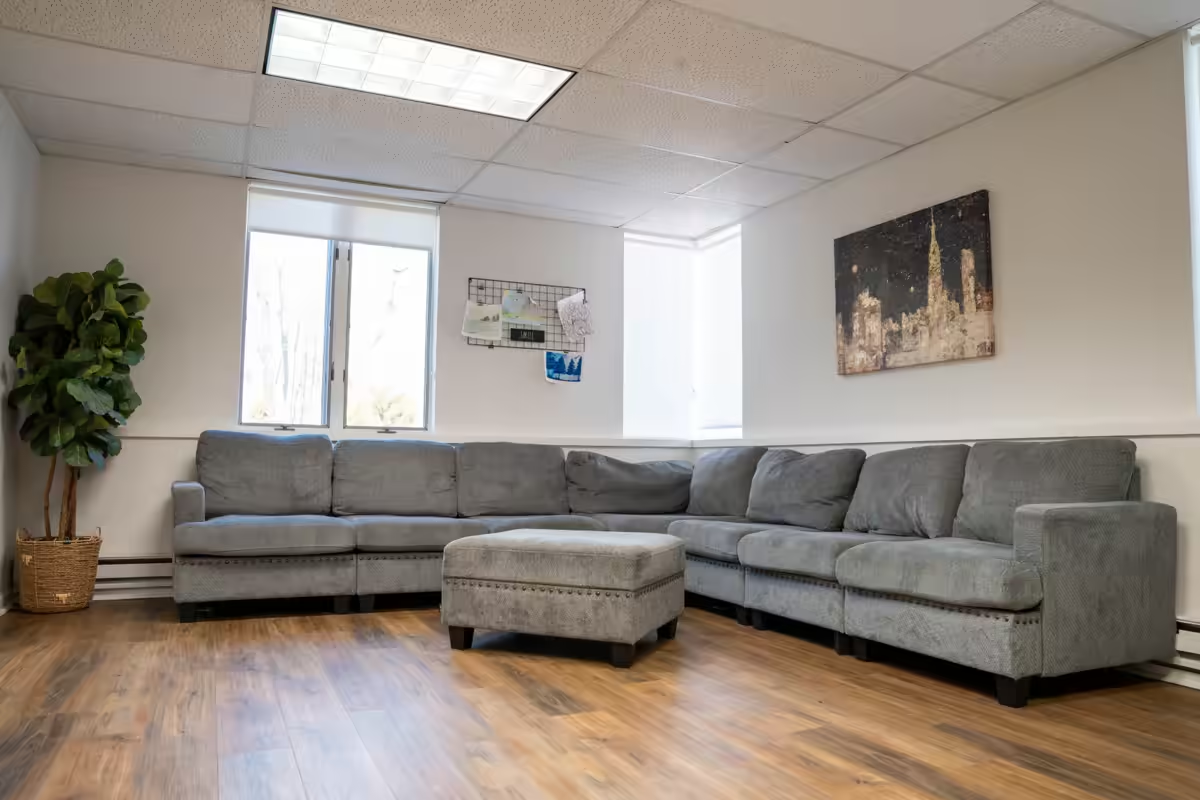
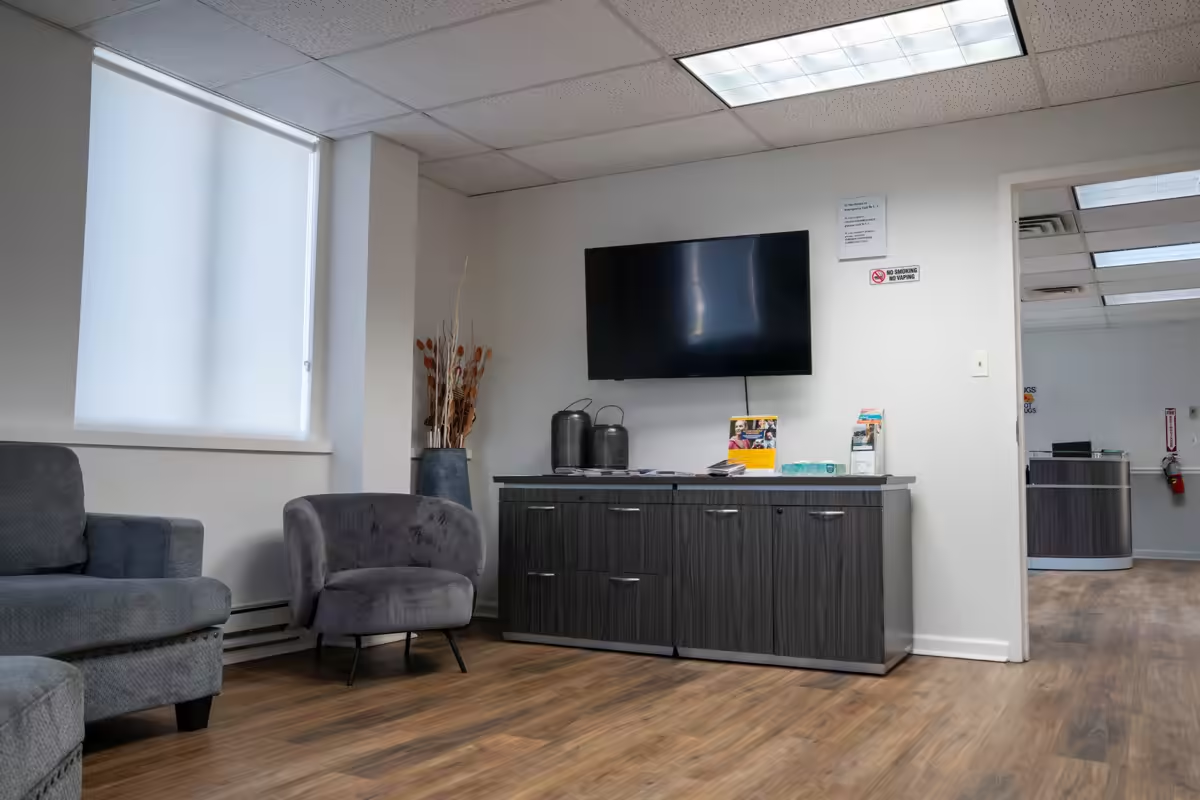
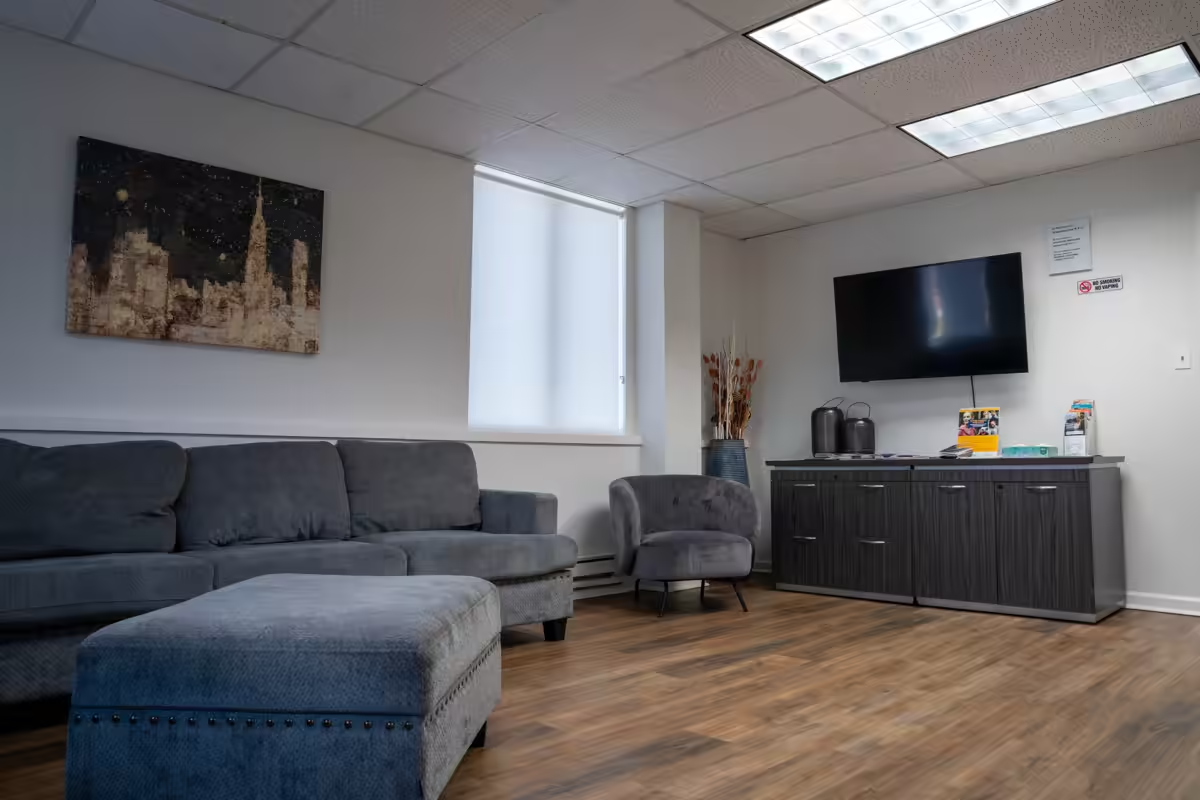
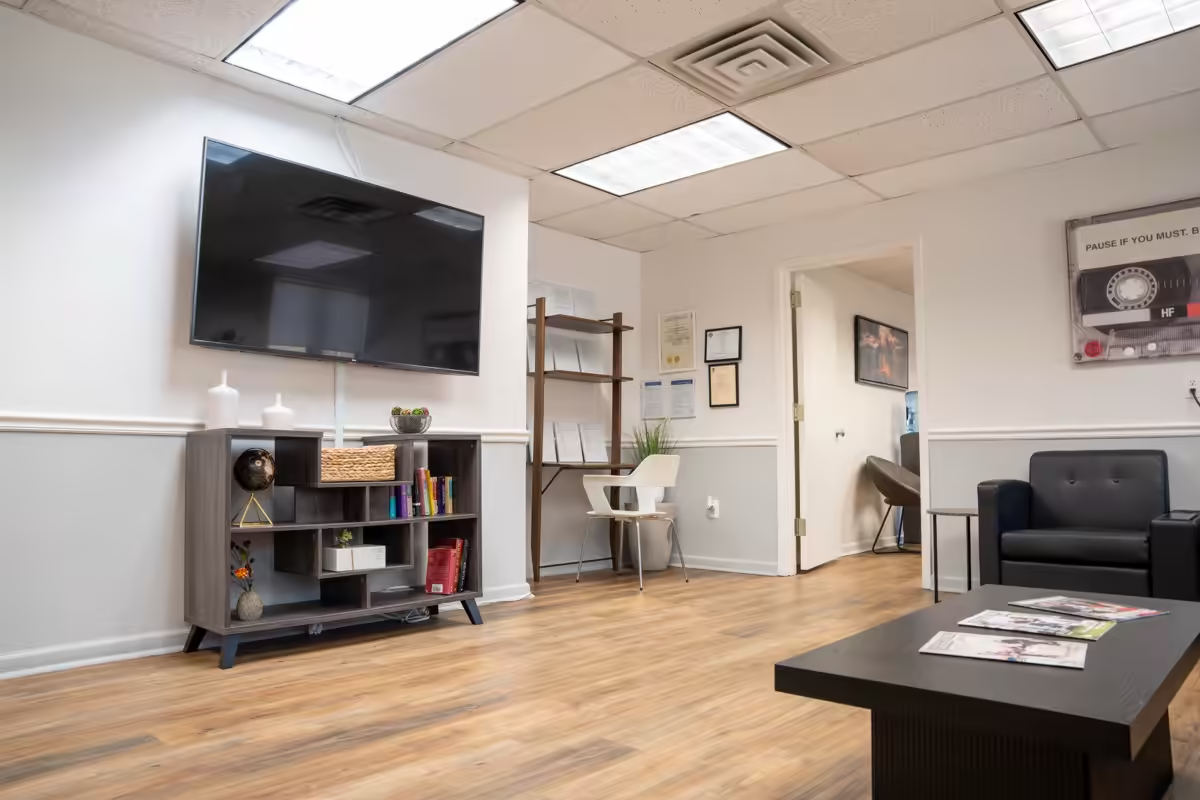
What Does Valley Spring Recovery Center's Norwood, NJ Facility Look Like?
830 Broadway, Norwood, NJ 07648 — private parking, comfortable clinical spaces, and intimate group rooms under 10 people.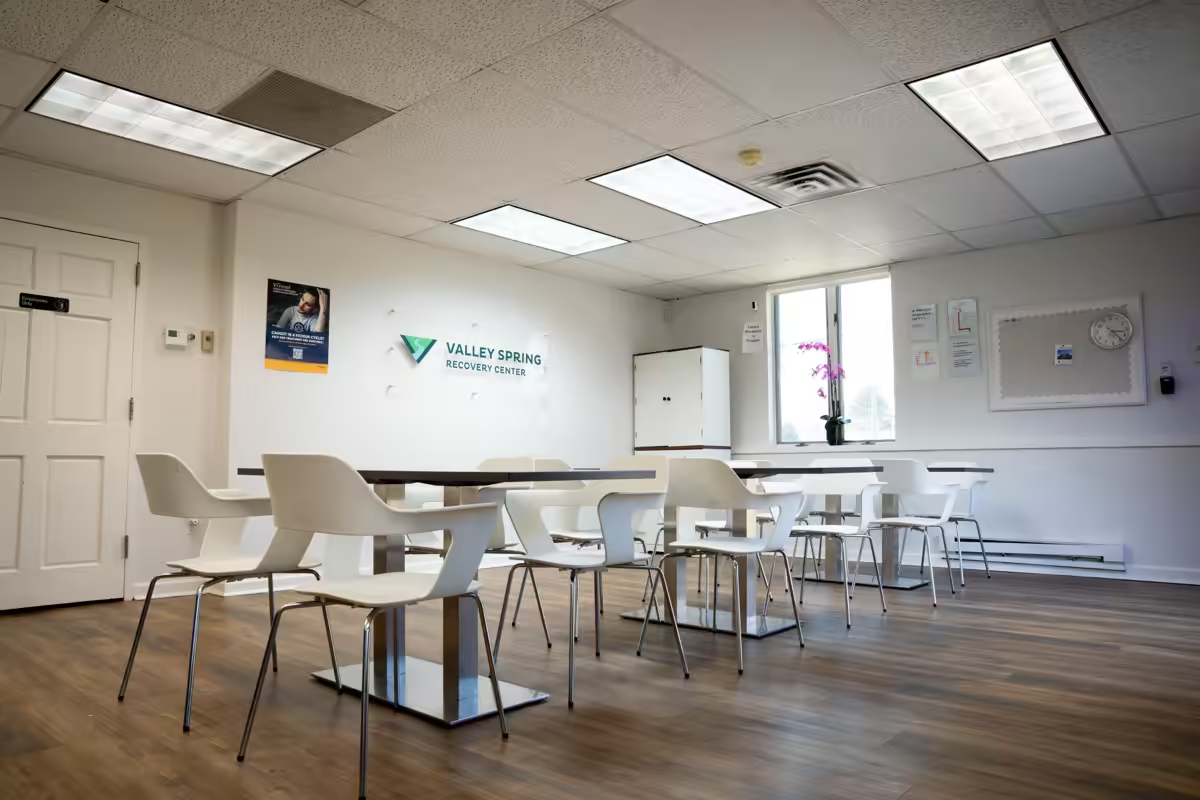

Start Cocaine Addiction Treatment Today
Recovery from cocaine addiction starts with a single decision to reach out for professional help. The Valley Spring Recovery Center clinical team is standing by 24/7 to help clients begin the journey to lasting sobriety. Call (855) 924-5320 to verify insurance and schedule the client's intake assessment today.
HIPAA compliant · Confidential · No obligation
Warning Signs
What Are the Common Signs of Cocaine Addiction?
Cocaine addiction presents nine recognizable signs requiring professional treatment intervention. The common signs of cocaine addiction are listed below with severity levels and health implications.
01.MODERATEIncreased Tolerance and Escalating Use+
Clients need larger amounts of cocaine to achieve the same effects they once experienced with smaller doses. The client's cocaine use has gradually increased from occasional recreational use to more frequent, higher-dose consumption. This tolerance development indicates the brain's reward system has adapted to cocaine's presence.
Health Risks: Increased tolerance accelerates physical dependence and raises overdose risk as clients consume dangerous amounts seeking the original high.
02.HIGHFailed Attempts to Control or Stop Use+
Clients have tried multiple times to quit or reduce the client's cocaine use but consistently return to previous patterns within days or weeks. Despite genuine intentions and efforts, clients find themselves unable to maintain control over when, where, or how much cocaine they use. These failed quit attempts often trigger shame and hopelessness about the client's ability to recover.
Treatment Indication: Repeated failed attempts to control use indicate the need for professional cocaine addiction treatment with medical and therapeutic support.
03.HIGHNeglecting Work, Family, and Personal Responsibilities+
The client's job performance has declined due to cocaine use, missed work days, or inability to concentrate during important tasks. Clients have canceled family obligations, missed important events, or failed to meet commitments because of cocaine use or recovery from use. Personal hygiene, household maintenance, and financial responsibilities have become secondary to obtaining and using cocaine.
Consequences: Continued neglect of responsibilities leads to job loss, relationship breakdown, and financial instability that complicate recovery efforts.
04.SEVEREPhysical Health Deterioration+
Clients experience frequent nosebleeds, chronic runny nose, or nasal damage from snorting cocaine. The client's sleep patterns are severely disrupted, with periods of insomnia followed by crashes and excessive sleeping. Clients have lost significant weight, appear gaunt or unhealthy, and may have developed cardiovascular symptoms like chest pain or irregular heartbeat.
Medical Emergency: Cardiovascular complications from cocaine use can be life-threatening and require immediate medical evaluation and ongoing monitoring.
05.HIGHPsychological and Mood Changes+
The client's personality has changed significantly, with increased irritability, paranoia, or aggressive behavior when not using cocaine. Clients experience severe depression, anxiety, or mood swings that interfere with daily functioning and relationships. Cocaine use has become the client's primary method of managing stress, emotions, or psychological discomfort.
Critical Indicator: Psychological dependence on cocaine for emotional regulation indicates the need for dual diagnosis treatment addressing both addiction and mental health.
01.HIGHSocial Isolation and Relationship Problems+
Clients have withdrawn from family members and friends who don't use cocaine, preferring to spend time only with other users. Important relationships have been damaged by lying about cocaine use, stealing money, or choosing cocaine over time with loved ones. Clients feel increasingly isolated and disconnected from people who once mattered to them.
Health Risks: Social isolation increases depression risk and removes natural support systems that aid in recovery from cocaine addiction.
02.SEVEREFinancial Problems and Risky Behaviors+
Clients have spent money intended for rent, utilities, or other necessities on cocaine, creating financial instability. Clients have engaged in illegal activities, borrowed money they can't repay, or sold personal belongings to fund the client's cocaine use. The client's financial situation has deteriorated significantly due to the cost of maintaining the client's cocaine habit.
Legal Consequences: Financial desperation often leads to illegal activities that result in criminal charges, complicating treatment and recovery efforts.
03.SEVEREContinued Use Despite Serious Consequences+
Clients continue using cocaine despite experiencing job loss, relationship breakdown, legal problems, or health complications directly caused by the client's use. Even after facing serious consequences, clients find themselves unable to stop using cocaine for extended periods. The fear of consequences no longer outweighs the client's compulsion to use cocaine.
Treatment Indication: Continued use despite severe consequences indicates advanced cocaine addiction requiring intensive professional treatment and ongoing support.
04.MODERATEWithdrawal Symptoms When Not Using+
Clients experience depression, fatigue, increased appetite, and intense cocaine cravings when they haven't used for several hours or days. Sleep disturbances, anxiety, and inability to experience pleasure from normal activities occur when cocaine is unavailable. These withdrawal symptoms drive clients to use cocaine again to feel normal or functional.
Health Risks: Cocaine withdrawal symptoms, while not life-threatening, create significant psychological distress that increases relapse risk without professional support.
Take the First Step Toward Cocaine Addiction Treatment Recovery Today
Our admissions team is available around the clock. Call (855) 924-5320 or verify your insurance online, no commitment required.
HIPAA compliant · Confidential · No obligation
Local Data
Cocaine Addiction Statistics in Norwood
Bergen County cocaine addiction statistics demonstrate treatment need in Norwood, New Jersey. The following notable statistics highlight local and regional patterns:
- Treatment needs assessment data varies by study and methodology across Bergen County and New Jersey.
- Emergency department visit trends for cocaine-related incidents require ongoing monitoring and analysis.
- Co-occurring mental health conditions commonly accompany cocaine addiction treatment needs throughout the region.
- Age of first use varies by population and geographic region across New Jersey and nationally.
- Treatment completion rates vary by program type and individual factors including engagement and support systems.
- Recovery outcomes depend on multiple factors including treatment engagement, family involvement, and community support.
In-Network Insurance Accepted










Most PPO & HMO plans accepted · Call 24/7 to verify your specific benefits
Family Support
How Can Families Help a Loved One Struggling with Cocaine Addiction?
Recognize Cocaine Binge-Crash Patterns and Physical Signs
A loved one needs larger amounts of cocaine to achieve the same effects they once experienced with smaller doses. They've tried multiple times to quit or reduce cocaine use but consistently return to previous patterns within days or weeks. Their job performance has declined due to missed work, inability to concentrate, or cocaine use affecting professional responsibilities. They've canceled family obligations, missed important events, or failed to meet commitments because of cocaine use. Physical signs include frequent nosebleeds, chronic runny nose, or nasal damage from snorting cocaine, along with significant weight loss and possible cardiovascular symptoms. Their personality has changed significantly, with increased irritability, paranoia, or aggressive behavior when not using cocaine. They've withdrawn from family and friends who don't use cocaine, and have spent money intended for necessities on cocaine, creating financial instability.
Start the Conversation About Cocaine's Impact
Have this conversation when a loved one is sober and in a calm, private setting where they feel safe to talk openly. Use "I" statements to express concerns without triggering defensiveness, such as "I've noticed changes in your behavior that worry me." Express love and support throughout the conversation, emphasizing the desire to help them get better. Walk into the conversation with the Valley Spring intake number, current insurance card details, and a couple of program options already written down. Offer to attend the assessment appointment with them or help with transportation to remove barriers to seeking help.
Avoid These Harmful Approaches
Never give them money, pay their bills, or cover consequences of their cocaine use, as this enables continued addiction. Avoid nagging, lecturing, or repeatedly bringing up their cocaine use, as this often pushes them further away and increases their shame. Never confront them about their cocaine use when they're intoxicated or in crisis, as they cannot process information effectively in this state.
Connect Them with Cocaine Treatment and Peer Support Groups
Help them find local Cocaine Anonymous meetings, SMART Recovery groups, or other peer support options that fit their preferences and schedule. Offer to attend Al-Anon or Nar-Anon meetings to learn how to support their recovery without enabling their addiction. Research family therapy options and educational resources like Valley Spring Recovery Center's Family Program workshop for family members. Keep Valley Spring Recovery Center's contact information (855) 924-5320 easily accessible and be ready to help them call when they express readiness for treatment.
What If They Refuse to Go to Treatment?
Don't give up after one conversation, as multiple discussions are often necessary before someone accepts help for cocaine addiction. Consider hiring a professional interventionist who specializes in cocaine addiction to facilitate a structured conversation with a loved one. Protect personal wellbeing by attending Al-Anon meetings, seeking individual therapy, and setting clear boundaries about what behaviors are and aren't tolerable.
Be ready when they're ready by keeping treatment information accessible and maintaining hope that they will eventually accept help. Allow natural consequences of their cocaine use to motivate change rather than removing or minimizing these consequences through enabling behaviors. Maintain consistent boundaries about money, housing, and other support while expressing ongoing love and willingness to help when they're ready for treatment.
Service Area
Which Bergen County Communities Does Valley Spring Serve for Cocaine Addiction?
Valley Spring Recovery Center operates at 830 Broadway in Norwood, New Jersey, serving as the primary cocaine addiction treatment hub for Bergen County residents. This strategic location provides easy access to major highways including the Palisades Parkway, Garden State Parkway, and New York Thruway. Primary service areas include Norwood (5 minutes), Northvale (8 minutes), Old Tappan (10 minutes), Harrington Park (12 minutes), and Closter (15 minutes).
The service area extends throughout Bergen County with convenient drive times from Paramus (20 minutes), Ridgewood (25 minutes), Hackensack (30 minutes), and Fort Lee (25 minutes). Greater Bergen County communities including Teaneck, Englewood, Bergenfield, and Dumont access Valley Spring Recovery Center's cocaine addiction treatment services within 35 minutes. Specific cross-state communities in New York including Pearl River (15 minutes), Nanuet (20 minutes), and Spring Valley (25 minutes) benefit from Valley Spring Recovery Center's proximity to the New York border.
From the George Washington Bridge, take the Palisades Parkway north for approximately 15 miles to Exit 6W (Norwood/Northvale). Turn right onto Livingston Street, then left onto Broadway. Valley Spring Recovery Center is located at 830 Broadway with private parking available in a discrete stand-alone building. Some clients face barriers including transportation limitations, distance, or mobility challenges. All cocaine addiction treatment programs accommodate virtual attendance through HIPAA-compliant video platforms with dedicated remote staff.
FAQ
Frequently Asked Questions About Cocaine Addiction Treatment at Valley Spring Recovery
How do I know if I need cocaine addiction treatment?+
Cocaine treatment is indicated when the binge-crash-crave cycle has become self-sustaining — binges growing longer, crashes producing severe depression, and cravings returning within hours of the last use. Nasal damage from snorting, cardiovascular symptoms like chest pain or irregular heartbeat, or a co-occurring ADHD or bipolar diagnosis that cocaine has been used to self-medicate are additional clinical signals that structured care is needed.
Do I need medical detox before starting treatment?+
Most people with cocaine addiction can begin outpatient programming directly, since cocaine withdrawal is primarily psychological rather than medically dangerous. However, if cocaine is being combined with alcohol, opioids, or benzodiazepines — a common poly-substance pattern — the admissions team coordinates medical detox for the co-substance before outpatient programming begins.
Will cocaine addiction treatment interfere with my job?+
Evening IOP runs 6:00 PM to 9:00 PM, Monday through Friday, so working adults can attend without disrupting their daytime schedule. Case management provides FMLA documentation, disability paperwork, and return-to-work letters — especially important for professionals whose cocaine use is tied to performance pressure or long work hours.
Do you offer medication for cocaine addiction?+
There are no FDA-approved MAT medications for cocaine use disorder, but Valley Spring Recovery Center's on-staff psychiatrist may prescribe off-label options such as Topamax (topiramate) or bupropion for clients with severe cravings or co-occurring depression and ADHD. The dopamine dysregulation cocaine produces is addressed primarily through CBT, DBT, and Contingency Management protocols rather than pharmacotherapy.
What makes you different from other cocaine addiction treatment centers?+
Valley Spring Recovery Center's 8:1 therapist-to-client ratio keeps groups under 10 people, which matters for cocaine clients processing shame and career consequences in group therapy. Contingency Management — a reward-based protocol with the strongest evidence base for stimulant use disorders — is integrated alongside same-day admissions and evening IOP scheduling.
What if I relapse during or after treatment?+
The cocaine binge-crash cycle makes relapse a recognized clinical risk, not a character failure — the team treats a return to use as data about which trigger or coping gap needs adjustment. Clients are welcomed back without penalty to an appropriate level of care, and the alumni program provides ongoing peer accountability for longer-term recovery.
Can my family participate in cocaine addiction treatment?+
Family members can join the Family Program six-month workshop, which covers cocaine addiction's impact on trust, finances, and emotional stability in the household, and teaches communication strategies specific to stimulant use disorder. Weekly individual family therapy sessions are available with the client's consent.
What happens after I complete cocaine addiction treatment?+
Clients transition to the alumni program with monthly peer meetings and quarterly community outings, plus continued individual therapy with community providers. Psychiatric medication management for any co-occurring ADHD, depression, or bipolar disorder identified during treatment continues through outpatient follow-up.
How much does cocaine addiction treatment cost?+
Valley Spring Recovery Center accepts 17 insurance contracts including Horizon, Anthem, and Aetna, with most plans covering PC and IOP as medically necessary care. The admissions team verifies exact benefits and out-of-pocket costs the same day a client calls — no commitment is made until costs are fully transparent.
Do you treat other addictions besides cocaine?+
Valley Spring Recovery Center treats alcohol, opioid, benzodiazepine, marijuana, stimulant, and other substance use disorders. Cocaine is frequently used alongside alcohol or opioids, and the dual-substance presentation is addressed within a single integrated treatment plan rather than requiring separate programs.
What if I have anxiety or depression along with cocaine addiction?+
ADHD and bipolar disorder are the most common co-occurring conditions in cocaine use disorder — many clients began using cocaine to self-medicate focus deficits or mood instability. Valley Spring Recovery Center's dual diagnosis team assesses whether crash depression is substance-induced or reflects an independent mood disorder and tailors the medication plan accordingly.
Can I bring my phone to cocaine addiction treatment?+
Phones and laptops are permitted outside of group sessions so clients stay connected with work and family. Devices are silenced during therapeutic programming to protect confidentiality and support the focused CBT skill practice that is particularly important for cocaine clients managing high-intensity cravings in real-world settings.
What if I'm not ready to stop using cocaine completely?+
Motivational interviewing is used at the start of cocaine treatment to explore the client's relationship with stimulant use and build internal readiness for change. Many clients enter ambivalent about abstinence but develop clarity through psychoeducation on dopamine dysregulation, peer support, and observing functional improvements during early sobriety.
What happens if I use while in treatment?+
A cocaine-positive screen triggers a clinical review focused on identifying which social environment, emotional trigger, or craving-management gap contributed to the return to use — not discharge. The Contingency Management protocol is adjusted and the relapse prevention plan is revised before the client's next session.
Do you drug test?+
Urine drug screening is conducted at intake and periodically throughout the program to track progress and guide Contingency Management incentives and level-of-care decisions. Results inform clinical adjustments and are not used punitively.
What if I'm on probation or parole?+
The case management team coordinates with probation officers and drug court programs to provide attendance verification, progress summaries, and compliance documentation formatted for Bergen County and New Jersey courts.