Addiction Treatment: Definition, Levels of Care, Therapies Used
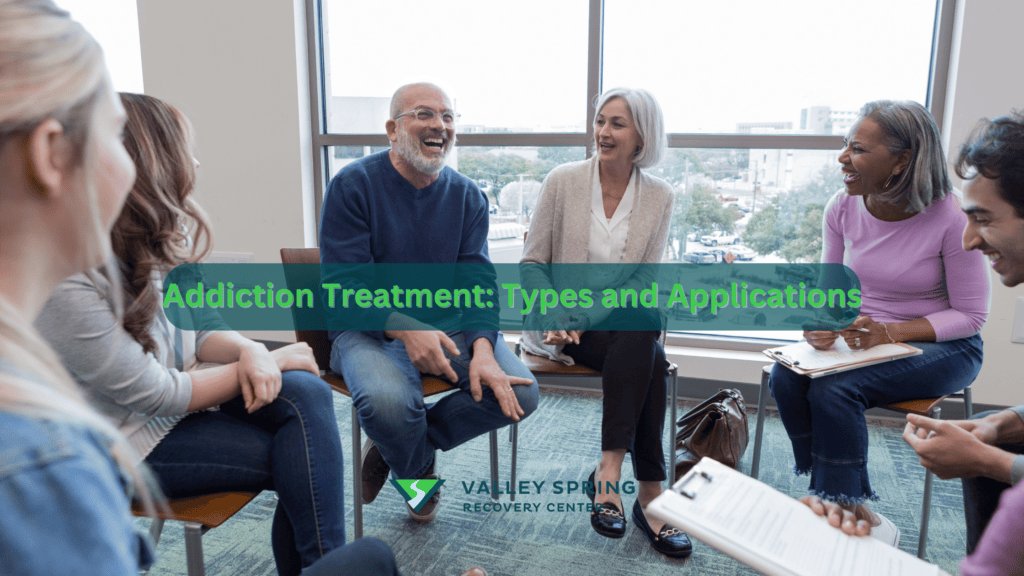
Addiction treatment is a specialized form of interventions aimed at helping individuals overcome the compulsive and detrimental use of drugs or behaviors that lead to drug abuse.
The ASAM Criteria, developed by the American Society of Addiction Medicine, are objective guidelines that standardize treatment planning and patient placement in addiction treatment.
Addiction treatment philosophies vary, and the best plan depends on the underlying causes of addiction. Causes and symptoms that require treatment can include biological factors, emotional triggers, and mental health conditions. These root causes often perpetuate addiction, making targeted treatment in a specialized setting crucial for long-term recovery. Ignoring these factors can lead to health complications and strained relationships.
Addiction treatment programs can lead to positive outcomes such as improved mental health, social reintegration, enhanced physical well-being, and increased self-esteem. These programs also equip individuals with skills for better performance in work, education, and other life areas.
What Is Addiction Treatment?
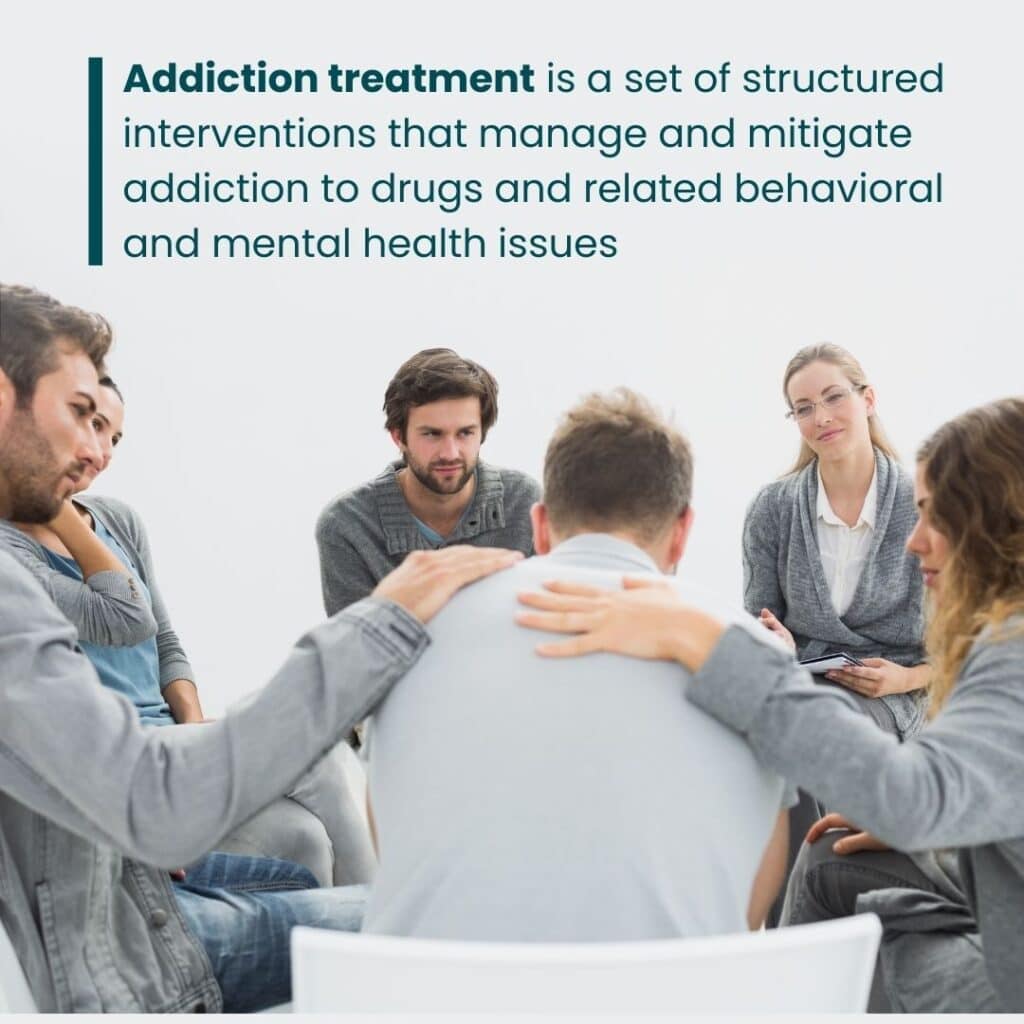
Addiction treatment refers to a set of structured interventions aimed at managing and mitigating addiction to drugs and related behavioral and mental health issues. This broad term covers a variety of therapeutic interventions that help individuals develop coping skills crucial for maintaining abstinence from substance use and promoting holistic recovery. The methodologies of addiction treatment are diverse, encompassing holistic and evidence-based approaches, experiential therapies, and a range of intensity levels within a continuum of care as defined by Mee-Lee and Shulman’s 2003 NCBI study.
Treatment occurs in various environments, from inpatient rehab centers and outpatient clinics to virtual care via telehealth programs. It can also take place in individual settings with a therapist or psychiatrist, or through peer recovery programs like Alcoholics Anonymous. This multifaceted approach to treatment integrates medical, psychological, and lifestyle perspectives, ensuring a comprehensive response to the complex nature of addiction.
The effectiveness of these treatments is well-documented, according to the 2001 Principles of Drug Addiction Treatment by the National Institute on Drug Abuse (NIDA), drug treatment can reduce drug use by 40 to 60 percent and significantly decrease criminal justice activities both during and after treatment. Additionally, treatment can dramatically improve employment possibilities, with gains of up to 40 percent, positioning addiction treatment on par with the treatment of other chronic diseases like diabetes, hypertension, and asthma.
Recent statistics reinforce the need and effectiveness of these programs, for instance, in 2022, there were 85,266 treatment admissions and 84,437 discharges reported by the New Jersey Department of Human Services, Division of Mental Health and Addiction Services. These figures highlight the dynamic nature of addiction treatment and its critical role in fostering sustainable recovery and improving the quality of life for individuals with substance use disorders.
Did you know most health insurance plans cover substance use disorder treatment? Check your coverage online now.
What Are The levels of care according to ASAM Criteria?
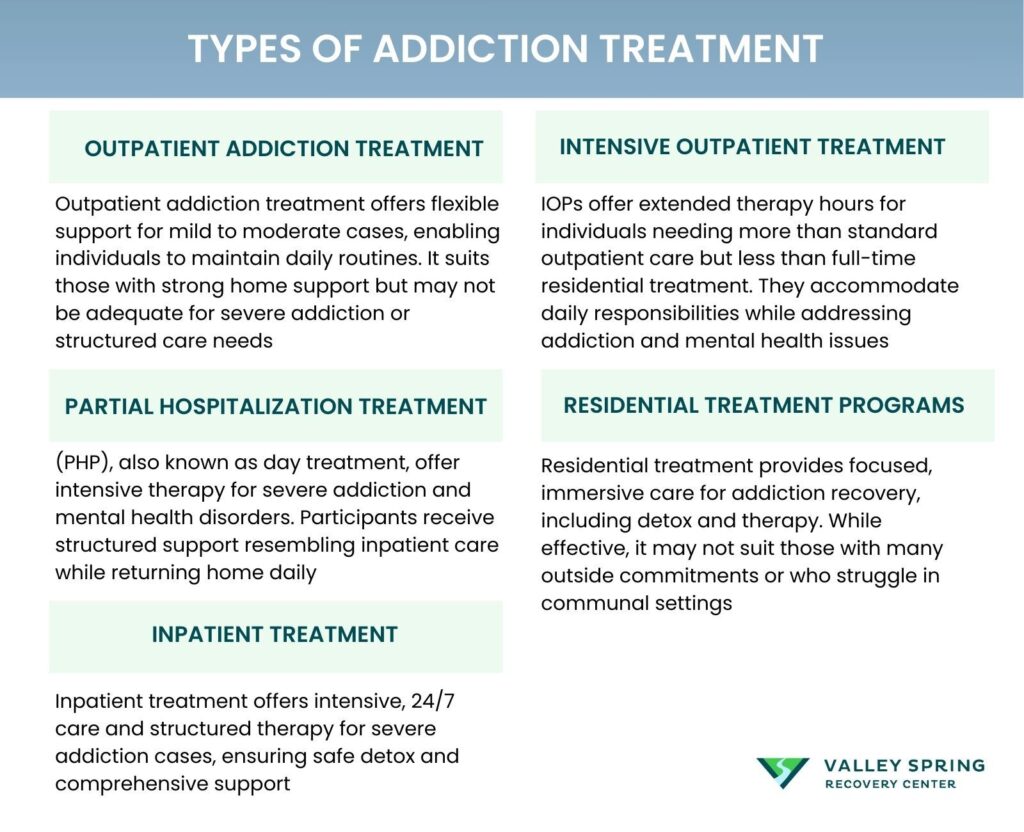
The levels of care in addiction treatment are Level 0.5 Early Intervention, Level I Outpatient, Level II Intensive Outpatient/Partial Hospitalization, Level III Residential/Inpatient, and Level IV Medically Managed Intensive Inpatient.
*Note ASAM updated its levels of care in 2023 to include recovery residences as a new level of care.
Level 0.5: Early Intervention Services
Early interventions focus on identifying and addressing problematic substance use before it escalates into addiction. This level is appropriate for individuals at risk of developing substance use disorders. Symptoms and conditions are minimal, and individuals should not be at risk of experiencing withdrawal symptoms. The length of Level 0.5 treatment varies based on individual needs but is generally reserved for short-term intervention.
Level I: Outpatient Services
*commonly called outpatient treatment or OP.
Outpatient services provide a less restrictive setting suited for individuals who can maintain their daily responsibilities while receiving care. This level is appropriate for individuals with stable living environments and support systems. Symptoms and conditions include minimal withdrawal risk, stable biomedical and emotional conditions, readiness for recovery, and the ability to maintain abstinence with minimal support. The treatment involves less than 9 hours of service per week for adults.
Contact us today to schedule an initial assessment or to learn more about our services. Whether you are seeking intensive outpatient care or simply need guidance on your drug addiction journey, we are here to help.
Level II: Intensive Outpatient/Partial Hospitalization Services
*commonly called IOP, PHP.
II.1: Intensive Outpatient (IOP):
Intensive outpatient services (IOP) offer structured outpatient care for 3 hours a day, 3-5 days a week. This level is appropriate for individuals needing more support than standard outpatient care.
Symptoms and conditions include minimal risk of severe withdrawal, stable biomedical conditions, mild severity of emotional conditions, and variable treatment engagement.
IOP treatment involves more than 9 hours of service per week for adults.
II.5: Partial Hospitalization (HIOP):
Partial hospitalization services (HIOP) provide more intensive outpatient care with rigorous, structured therapy but not 24-hour inpatient services. This level is appropriate for individuals needing a higher level of support. Symptoms and conditions include moderate risk of severe withdrawal, stable biomedical conditions, mild to moderate emotional conditions, and poor treatment engagement. Partial hospitalization treatment involves 20 or more hours of service per week.
Level III: Residential/Inpatient Services
*Also known as rehab, inpatient rehab & drug and alcohol rehab.
III.1: Clinically Managed Low-Intensity Residential:
Residential services provide a supportive living environment with treatment services. This level is appropriate for individuals needing a stable environment to maintain recovery. Symptoms and conditions include no or minimal withdrawal risk, stable biomedical conditions, minimal emotional conditions, and openness to recovery. The program involves at least 5 hours of clinical service per week.
Rediscover Life at Valley Spring Recovery Center
Get the compassionate support you deserve. We're here to help you reclaim joy, wellness, and a brighter future.
Verify Benefits
III.3: Clinically Managed Medium-Intensity Residential:
This level offers more structured care, appropriate for individuals with cognitive and other impairments needing 24-hour care. Symptoms and conditions include manageable withdrawal risk, stable biomedical conditions, and mild to moderate emotional conditions. The length of stay is variable based on individual needs.
III.5: Clinically Managed High-Intensity Residential:
Provides intensive residential services with 24-hour care, appropriate for individuals with severe addiction issues. Symptoms and conditions include manageable withdrawal risk, stable biomedical conditions, significant difficulty with treatment, and the need for skills to prevent continued use. The length of stay is variable and often longer-term compared to other levels.
III.7: Medically Managed Residential:
Offers a structured environment with medical and clinical support as needed, appropriate for individuals with significant medical and psychological needs. Symptoms and conditions include high withdrawal risk, the need for 24-hour medical monitoring, and moderate severity of conditions. The stay involves extended periods based on medical necessity.
Are you covered for treatment?


Valley Spring Recovery Center is an approved provider for Blue Cross Blue Shield and Cigna, while also accepting many other major insurance carriers.
Check Coverage Now!Level IV: Medically Managed Intensive Inpatient Services
*Also known as rehab, inpatient rehab & drug and alcohol rehab.
Medically managed intensive inpatient services are the most intensive form of addiction treatment, involving 24-hour medical supervision and intensive therapy. This level is appropriate for patients with acute medical conditions arising from substance use. Symptoms and conditions include high withdrawal risk requiring full hospital resources and severe or unstable challenges. This is a short-term intervention until stabilization, followed by a transition to less intensive levels of care.
Recovery Residence
*Also known as sober living.
Recovery residences provide a living environment with peer support and resources for maintaining long-term recovery. This level is appropriate for individuals transitioning from higher levels of care back into the community. Symptoms and conditions include stable biomedical and emotional conditions, readiness for reintegration into the community, and a need for continued support. The duration is variable, depending on individual needs and progress.
How Can Treatment Change Based on the Stage of the Addiction Cycle and the Severity of the Addiction?
The stage of the addiction cycle and the severity of the addiction are critical factors that healthcare providers consider when determining the most appropriate treatment plan. In the early stages of addiction, when an individual is experimenting with a substance but is not yet dependent, outpatient treatment and counseling can be sufficient to bring about a full recovery. This approach allows the individual to continue with their daily activities while receiving support and education to prevent further progression into addiction.
As the addiction becomes more severe and the individual moves into regular use and dependence, more intensive treatment options are necessary. This could include inpatient treatment, which provides a structured environment for detoxification, medical supervision, and intensive therapy. In the most severe cases, where there are significant physical and mental health risks, long-term residential treatment is recommended. These programs offer extended care, often lasting several months, and focus on treating the addiction as well as any co-occurring disorders.
The treatment plan evolves as the individual progresses through recovery. For example, someone transitioning from an inpatient setting to an outpatient program and then to aftercare services like support groups or sober living homes. The goal is to provide a continuum of care that supports the individual at each stage of the addiction, adapting the treatment approach as their needs change.
Did you know most health insurance plans cover substance use disorder treatment? Check your coverage online now.
What is the goal of addiction treatment?
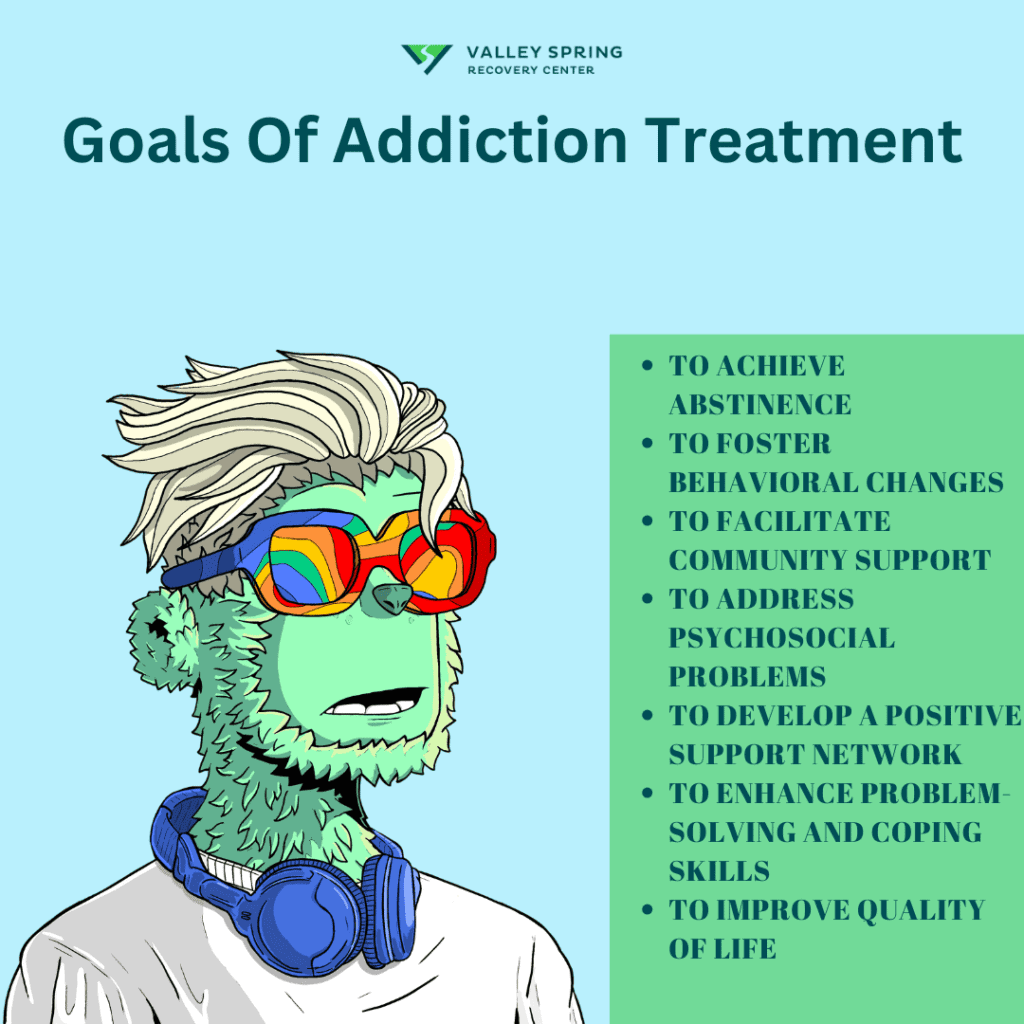
The goal of addiction treatment is multifaceted, aiming not only to achieve and maintain abstinence from substances but also to address the broader spectrum of recovery needs. For many individuals, the primary objective is complete sobriety, which forms the foundation of a sustainable recovery journey. However, recognizing that total abstinence may not be the goal for everyone, modern treatments also focus on reduction-based goals. This approach allows individuals, such as alcohol users, to reduce their intake to less harmful levels.
In addition to these goals, addiction treatment emphasizes relapse prevention, which involves developing strategies to identify triggers, manage cravings, and cope with high-risk situations, thereby enhancing resilience and helping individuals avoid substance use during challenging times. Treatment also addresses the physical and mental health consequences of substance abuse, setting goals to improve fitness, correct nutritional deficiencies, establish healthy sleep patterns, and manage co-occurring mental health conditions through therapy and counseling.
Furthermore, recovery is viewed as an opportunity for personal growth and transformation. Goals in this area include improving self-esteem, enhancing communication skills, building healthy relationships, and engaging in activities that provide a sense of purpose and fulfillment. Building a strong social support network is also crucial, involving participation in support groups, therapy with family members, and fostering connections with sober peers. Ultimately, treatment goals for substance use disorders should be individualized to fit each person’s specific needs and circumstances, ensuring a comprehensive approach to recovery.
- To Improve Quality of Life
- To Reduce Harm
- To Achieve Abstinence
- To Foster Behavioral Changes
- To Facilitate Community Support
- To Address Psychosocial Problems
- To Develop a Positive Support Network
- To Enhance Problem-Solving and Coping Skills
How to Determine the Right Type of Addiction Treatment?
Choosing the right type of addiction treatment is a critical decision that can significantly impact your recovery journey. Various diagnostic tools and personal considerations come into play when making this choice.
DSM-5 Criteria: The Diagnostic and Statistical Manual of Mental Disorders, Fifth Edition (DSM-5), is a widely used clinical tool for diagnosing various mental health conditions, including addiction. The DSM-5 provides a set of criteria that healthcare providers use to assess the severity and type of addiction. These criteria can include patterns of use, withdrawal symptoms, unsuccessful attempts to quit, and the impact of addiction on daily life. Based on this assessment, professionals can recommend the most appropriate form of treatment, whether it’s inpatient rehab, outpatient therapy, medication-assisted treatment, or a combination thereof.
Human Approach – Personal Comfort and Needs: While clinical diagnostics are invaluable, they are not the sole determinants in choosing the right treatment. Your comfort level with the proposed treatment options is equally crucial. Some people prefer a more holistic approach that incorporates alternative therapies like yoga, meditation, or acupuncture. Others feel more comfortable in a group therapy setting, sharing experiences and coping strategies with peers. Financial considerations, such as insurance coverage and out-of-pocket expenses, can also influence your decision.
Balancing Clinical and Personal Factors: The most effective approach to determining the right type of addiction treatment often involves a balance between clinical diagnostic methods and personal preferences. For instance, healthcare providers use DSM-5 criteria to recommend inpatient rehab, but if you have work or family commitments that make this option unfeasible, outpatient therapy might be a more practical choice. Open communication with your healthcare provider about your personal needs and constraints is essential for tailoring a treatment plan that you’re comfortable with and that also meets clinical recommendations.

What Therapies Are used to treat addiction?
Evidence-based therapies are approaches that have been rigorously tested in controlled conditions and validated through peer-reviewed research. These methods are considered the gold standard for addiction treatment because they are rooted in scientific evidence, ensuring their efficacy. The main therapies used during treatment are listed below.
Contact us today to schedule an initial assessment or to learn more about our services. Whether you are seeking intensive outpatient care or simply need guidance on your drug addiction journey, we are here to help.
Medication-Assisted Treatment (MAT):
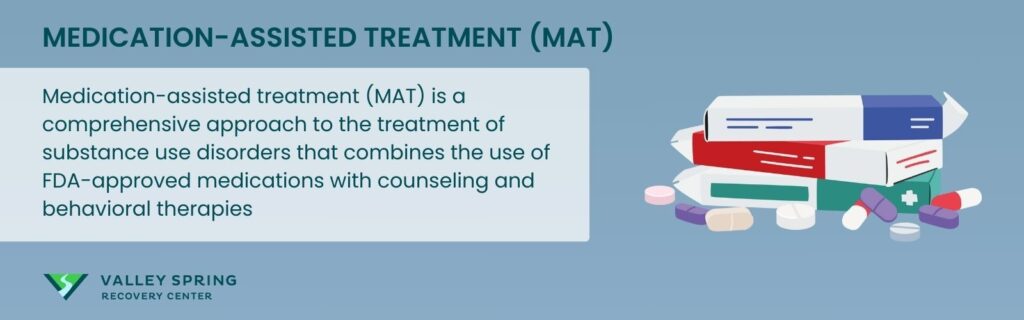
Medication-assisted treatment (MAT) is a comprehensive approach to the treatment of substance use disorders that combines the use of FDA-approved medications with counseling and behavioral therapies. MAT is designed to treat the whole patient, addressing the medical, psychological, and social aspects of addiction.
MAT works by using medications to stabilize brain chemistry, block the euphoric effects of alcohol and drugs, relieve physiological cravings, and normalize body functions without the negative effects of the abused substances. The medications used in MAT are tailored to specific types of substance dependencies:
- Opioids: Medications such as methadone, buprenorphine, and naltrexone help reduce cravings and withdrawal symptoms associated with opioid addiction.
- Alcohol: Disulfiram, acamprosate, and naltrexone are commonly used to treat alcohol dependency by altering the way alcohol is metabolized and mitigating withdrawal symptoms.
- Nicotine: Patches, gum, lozenges, and other nicotine replacement therapies provide a controlled dose of nicotine to ease withdrawal from smoking without the harmful effects of tobacco.
Research supports the efficacy of MAT in improving patient survival, increasing retention in treatment, and decreasing illicit drug use and other criminal activity among people with substance use disorders. According to the Substance Abuse and Mental Health Services Administration (SAMHSA) 2021 study on Medication and Counseling Treatment, MAT has proven to reduce the need for inpatient detoxification services for these individuals. Studies, such as those conducted by the National Institute on Drug Abuse (NIDA) in 2021 on Medication Assisted Treatment, have shown that when delivered properly, MAT can help patients recover from addiction and can contribute to lowering a person’s risk of contracting HIV or hepatitis C by reducing the potential for relapse.
While MAT is highly effective, it is sometimes met with skepticism due to misconceptions that it replaces one drug with another. Medical and addiction professionals emphasize that the medications used are therapeutic tools, not substitutes for drugs of abuse. They are considered part of a comprehensive therapeutic process when combined with counseling and psychosocial support.
Medication Assisted Treatment is widely implemented in various treatment settings, including outpatient clinics, residential treatment centers, and during aftercare programs, forming a crucial component of modern addiction treatment paradigms. Its use is particularly emphasized in settings where withdrawal management and relapse prevention are critical.
Cognitive Behavioral Therapy (CBT):

Cognitive Behavioral Therapy (CBT) is a widely used evidence-based psychological treatment that has been proven effective for a range of issues including substance use disorders. CBT focuses on identifying and modifying dysfunctional behaviors, emotions, and thoughts through a goal-oriented, systematic approach.
CBT works by helping individuals identify and challenge negative thought patterns and behaviors that contribute to their substance abuse issues and replacing them with healthier, more constructive ones. This therapy empowers individuals to become more aware of their triggers and develop coping strategies to manage and prevent relapses. Techniques often include problem-solving skills, stress management techniques, assertiveness training, and the exploration of the positive and negative consequences of continued drug use.
The effectiveness of CBT in treating substance use disorders is well-documented. A meta-analysis published in the American Journal of Psychiatry (Magill, M. and Ray, L.A., 2009) emphasizes that CBT significantly improves the chances of maintaining sobriety. The National Institute on Drug Abuse (NIDA) highlights in their 2018 study, “Principles of Drug Addiction Treatment: A Research-Based Guide (Third Edition),” that CBT not only helps manage substance abuse but also addresses co-occurring mental disorders by modifying attitudes and behaviors related to drug abuse, thus enhancing the effectiveness of other treatments like medication.
CBT can be conducted in individual sessions with a therapist or in group settings, making it adaptable to a variety of treatment environments. It is typically structured over a series of sessions that build on each other and can be tailored to the needs of the individual, making it a flexible method of treatment that can be adjusted based on the patient’s progress.
One of the primary benefits of CBT is its ability to provide patients with the skills to self-regulate and deal with challenges in recovery long after the completion of treatment. However, its success heavily relies on the active participation of the patient and may require a higher level of commitment and cognitive capability, which can be a limitation for individuals with severe mental impairment or those who have difficulty engaging in psychotherapeutic settings.
Life skills training is closely aligned with Cognitive Behavioral Therapy for addiction as it equips individuals with the tools they need to cope with the stresses and challenges of daily life.
Contingency Management:
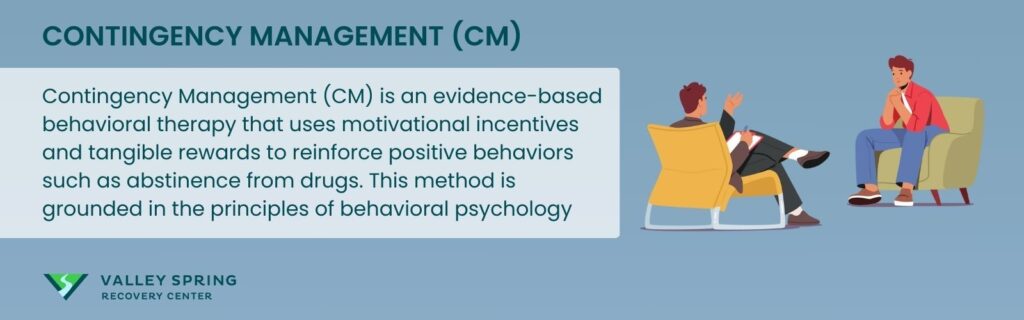
Contingency Management (CM) is an evidence-based behavioral therapy that uses motivational incentives and tangible rewards to reinforce positive behaviors such as abstinence from drugs. This method is grounded in the principles of behavioral psychology, particularly operant conditioning, which posits that behavior is more likely to be repeated when it is followed by positive consequences.
In Contingency Management, the rewards are typically contingent upon the submission of drug-free urine samples or other measurable outcomes that demonstrate adherence to treatment goals. The rewards might include vouchers, small cash prizes, or privileges that increase in value with successive achievements, designed to reinforce the desired behaviors progressively.
Research has consistently shown that Contingency Management is highly effective in increasing retention in treatment programs and promoting abstinence from various substances, including opioids, stimulants, and alcohol. A meta-analysis published in the Journal of Consulting and Clinical Psychology (Petry, N.M., 2012) highlights that patients in addiction treatment who participate in CM programs are significantly more likely to achieve sustained abstinence compared to those receiving standard care without incentives. The National Institute on Drug Abuse (NIDA) 2018 study “Principles of Drug Addiction Treatment: A Research-Based Guide (Third Edition).” confirms the efficacy of CM in improving treatment outcomes for substance use disorders.
Despite its proven effectiveness, CM has sparked some debate due to concerns about the ethical implications of using monetary or material rewards in medical treatments and the sustainability of behavior change once the incentives are removed. Critics argue that while CM can effectively initiate behavior change, it might not foster intrinsic motivation for long-term recovery. However, proponents suggest that the immediate benefits of decreased drug use and increased treatment engagement justify the approach, especially as a bridge to more sustainable recovery efforts.
Contingency Management is increasingly incorporated into various treatment settings, including outpatient clinics, residential programs, and VA hospitals, often in combination with other therapeutic interventions like cognitive-behavioral therapy (CBT) and medication-assisted treatment (MAT). Its application has been particularly noted in treatments where adherence is challenging but critical for success, such as methadone maintenance programs for opioid addiction.
Rediscover Life at Valley Spring Recovery Center
Get the compassionate support you deserve. We're here to help you reclaim joy, wellness, and a brighter future.
Verify BenefitsMotivational Interviewing (MI) for Addiction Treatment
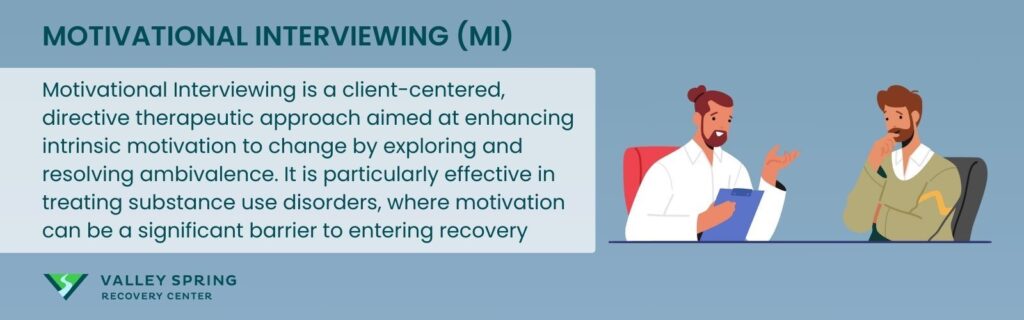
Motivational Interviewing (MI) is a client-centered, directive therapeutic approach aimed at enhancing intrinsic motivation to change by exploring and resolving ambivalence. It is particularly effective in treating substance use disorders, where motivation can be a significant barrier to entering recovery.
MI operates under the premise that the responsibility and capability for change are within the client. This method involves an empathetic and accepting counselor who encourages individuals to talk about their need for change and their own reasons for it. The technique focuses on engaging clients through open-ended questions, reflective listening, and affirmations that promote a discussion about change based on the client’s own values and concerns.
Research has consistently supported the efficacy of Motivational Interviewing in addiction treatment. A study highlighted in the Journal of Substance Abuse Treatment (Hettema, J., Steele, J., & Miller, W.R., 2005) found that MI significantly improves treatment engagement and adherence, thereby increasing the likelihood of successful outcomes. The National Institute on Drug Abuse (NIDA) in its 2012 guide, “Principles of Drug Addiction Treatment,” emphasizes that MI is effective not only in initiating treatment but also in reducing the severity of relapses in those who do return to substance use.
Motivational Interviewing can be used as a standalone treatment or as a precursor to other therapeutic interventions. It is typically brief, consisting of one to four sessions, and can be integrated into a variety of treatment settings, including outpatient clinics, residential treatment centers, and hospital systems. MI is also used to enhance engagement in more structured therapies such as CBT and MAT.
The strength of Motivational Interviewing, MI lies in its flexibility and client-centered nature, which can significantly enhance patient engagement and empowerment. However, its effectiveness can be limited by the practitioner’s skill in maintaining a non-confrontational and supportive environment. It requires skilled therapists who are adept at guiding rather than directing conversations, a challenge that may not suit all therapeutic contexts.
What Types Of Treatment Cater To Individuals With Diverse Backgrounds?
Specialized treatments target individuals with unique needs that cannot be fully addressed by more traditional therapy options. The specialized addiction treatment types are listed below:
Dual Diagnosis: As mentioned earlier, dual diagnosis is crucial for those who experience substance abuse along with another mental health disorder. In cases involving trauma and PTSD, dual diagnosis can provide a more comprehensive treatment plan that addresses both issues concurrently.
Mental Health Treatment: Treating the mental health condition alongside addiction is critical for dual diagnosis. Failure to address the mental illness can lead to relapse, and untreated addiction can exacerbate mental health symptoms.
Family Integration: When dealing with specialized treatments like dual diagnosis, family involvement becomes crucial. The family program’s goal is to provide opportunities to increase understanding of co-occurring disorders and help in stress management and communication. Addiction often affects more than just the individual; it can disrupt family dynamics and relationships as well. Family therapy programs involve loved ones in the treatment process, teaching communication skills, and fostering understanding and reconciliation.
Trauma-Informed Care: Trauma-informed care is an approach that acknowledges the prevalence and impact of trauma in the lives of those seeking addiction treatment. PTSD can lead to self-medication, creating a vicious cycle where substance abuse exacerbates PTSD symptoms. Specialized treatments often employ a multi-disciplinary approach that includes both medication and therapy to address both issues. Trauma treatment within the context of drug addiction aims to avoid re-traumatization and create a setting where the individual feels safe to engage in the recovery process.
Demographic-Based Treatments: These could include treatments for individuals who are deaf and hard of hearing, LGBTQ+-focused therapies, gender-specific treatment approaches, and treatments focused on cultural sensitivities or by profession. For instance, there are different professional treatment approaches for doctors, lawyers, and discreet options for celebrities.
What Happens When Treatment Is Not Successful?
Failure in addiction treatment, often manifested as an inability to remain abstinent, resulting in relapse, is not an uncommon scenario. It’s critical to understand that addiction treatment is a complex and ongoing process that doesn’t guarantee immediate or permanent success. Despite the setbacks, a relapse should not be viewed as an outright failure but rather as a pivotal moment that requires a reassessment and recalibration of the treatment plan.
Frequently Asked Questions (FAQs) About Addiction Treatment
What Role Does the Family Play in Addiction Treatment?
Family involvement is crucial, especially in specialized treatments like Dual Diagnosis or trauma-informed care. Families are often integrated into the treatment program through educational sessions and counseling. Involvement helps family members understand addiction as a chronic illness and improve overall communication and functioning within the family unit.
What is Trauma-Informed Care?
Trauma-Informed Care is a treatment approach that recognizes the widespread impact of trauma on those seeking addiction treatment. The aim is to create a safe and supportive environment that avoids re-traumatizing the individual. This approach is especially beneficial for individuals who have experienced significant trauma and have PTSD symptoms alongside substance abuse issues.
How Does Group Counseling Differ From Individual Counseling?
In individual counseling, the patient meets one-on-one with a therapist to explore personal issues that might be difficult to discuss in a group setting. On the other hand, group counseling comprises six to ten participants and is facilitated by one or two counselors. The group format allows individuals to share their experiences, struggles, and coping strategies, fostering a sense of community and shared understanding.
What is Dual Diagnosis and Why is it Important?
Dual Diagnosis is a specialized treatment approach for individuals who suffer from both a mental health disorder, such as anxiety or depression, and substance abuse. Treating only one condition can often lead to a relapse or exacerbation of the untreated issue. In Dual Diagnosis, the focus is on treating both disorders simultaneously, increasing the chances of a successful, long-term recovery.
What is the main goal when evaluating the effectiveness of treatment approaches for substance use disorders?
The primary focus in evaluating the effectiveness of various treatment approaches for substance use disorders is generally abstinence or at least a clinically meaningful reduction in substance use. Other important outcomes usually assessed include treatment retention and associated problems like psychiatric severity, medical issues, legal concerns, family/social relations, and job/vocational functioning. Although there is some variability in how these criteria are measured, most researchers agree on these indicators and standard assessment procedures. (Psychiatr Clin North Am, vol. 26)
What Are the Costs Associated with Addiction Treatment?
The costs of addiction treatment can vary widely depending on the type of treatment, location, and duration. While insurance covers some costs based on plan type, additional out-of-pocket expenses are likely. It’s essential to inquire about costs upfront and explore payment options.
What Are the Success Rates of Different Addiction Treatments?
Success rates can vary depending on the type of addiction, the individual’s commitment to recovery, and the quality of the treatment program. Evidence-based treatments like CBT and MAT generally have higher success rates, but individual outcomes can differ.
How Do Inpatient and Outpatient Treatments Differ?
Inpatient treatment involves staying at a specialized facility for a specific period, usually ranging from 30 to 90 days, for intensive therapy and medical supervision. Outpatient treatment allows individuals to live at home while attending scheduled therapy sessions, offering more flexibility but generally less supervision.
Are Medications Used in Addiction Treatment?
Yes, medication-assisted treatment (MAT) is often used in conjunction with behavioral therapies. Medications like Methadone, Buprenorphine, and Naltrexone are commonly used to manage withdrawal symptoms and cravings, particularly for opioid addiction.
What is the Importance of Aftercare in Addiction Treatment?
Aftercare is a crucial component of long-term recovery and often involves ongoing therapy, support groups, and sometimes sober living environments. It aims to provide continued support and resources to prevent relapse.
How Effective is Holistic Treatment?
Holistic treatment approaches, which may include practices like yoga, meditation, and nutritional counseling, are increasingly recognized for their potential to support traditional therapies. However, their effectiveness can vary from person to person and should not replace evidence-based treatments.
Are you covered for treatment?
Valley Spring Recovery Center is an approved provider for Blue Cross Blue Shield and Cigna, while also accepting many other major insurance carriers.
Check Coverage Now!What Are The Alternative Addiction Treatment Options?
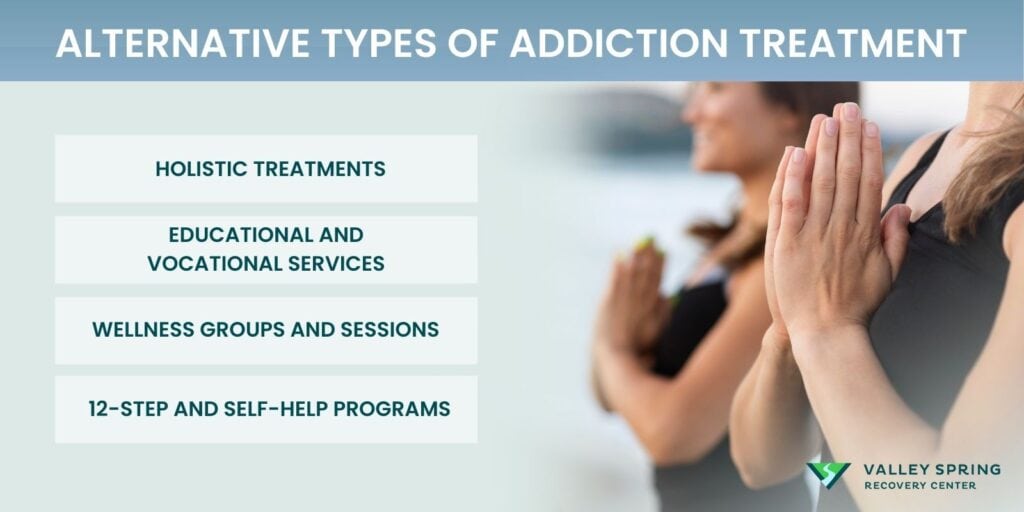
The alternative addiction treatment therapies are listed below:
- Holistic Treatments: Beyond traditional medical and psychological interventions, holistic treatments aim to address the person as a whole—mind, body, and spirit. Yoga, meditation, and acupuncture are some of the techniques often employed in this modality. The goal of holistic therapy is to restore balance, providing individuals with tools to maintain sobriety by reducing stress and increasing well-being.
- Educational and Vocational Services: Holistic treatments aren’t limited to physical and emotional well-being. Educational and vocational services can offer complementary benefits, helping individuals to re-integrate into society successfully. (NIH)
- Wellness Groups and Sessions: These interventions range from full workout programs to relaxation techniques, aiming to treat the client holistically.
- Experiential Treatments: Experiential therapy takes individuals out of the talking and thinking modality into the realm of action. This could include adventure therapy, which uses outdoor activities like hiking or rock climbing to foster teamwork, build confidence, and develop problem-solving skills. Equine-assisted therapy is another experiential method for treating addiction where interaction with horses is used to mirror and explore emotional states and behavioral patterns.
- 12-Step and Self-Help Programs – Peer Recovery: Derived from the Alcoholics Anonymous (AA) model, 12-step programs are community-based, peer-led support groups. These programs provide a structured environment in which participants progress through 12 steps that focus on admitting powerlessness over the addiction and seeking guidance from a higher power. In addition to AA, there are other variations like Narcotics Anonymous (NA) and SMART Recovery, which is a self-management program.
Share This Post

Dr. Michael Olla
All author posts
Our Therapuetic Recovery Programs
Are you covered for treatment?



Valley Spring Recovery Center is an approved provider for Blue Shield of California and Cigna, while also accepting many other major insurance carriers.
Check Coverage Now!