


Clinical guide
Drug Withdrawal: Symptoms, Risks, Timeline, and Treatment
Drug withdrawal occurs after reducing or stopping a substance. Learn how symptoms, risks, timelines, and treatment differ by drug class.
By Paul James Roeser·Reviewed by Stephen LaTourette, Pharm.D., RPh, CADC Intern·Last reviewed August 22, 2026·7 min read
Published ·Updated
Drug withdrawal is the physical and psychological response that can follow a dose reduction or cessation after the body has adapted to repeated substance exposure. Symptoms range from mild sleep or mood changes to seizures, delirium, severe dehydration, or suicidal thinking. The substance involved determines the expected syndrome and the safest level of care.
No single withdrawal timeline or treatment fits every drug. A clinician considers the substance, formulation, amount, frequency, duration, last use, other medications, prior withdrawal complications, pregnancy status, and physical and mental health before recommending observation, a taper, medication, or a higher level of care.
What is drug withdrawal?
Drug withdrawal describes a predictable group of symptoms caused by reducing or stopping a substance after neuroadaptation has occurred. Repeated exposure can change receptor activity, neurotransmitter signaling, stress responses, sleep, and autonomic function. When exposure falls, those adapted systems need time to regulate without the prior drug level.
Withdrawal is not the removal of stored "toxins," and sweating does not cleanse a drug from the body. The liver, kidneys, lungs, and digestive system process and eliminate substances, while withdrawal symptoms reflect the body's response to changing exposure.

Clinical perspective
Withdrawal gets treated like a single event, but it's really a timeline, and most people don't realize the acute symptoms ending isn't the same as the brain being done adjusting. People weeks or months out are commonly still navigating what's called post-acute withdrawal — mild but real symptoms that are actually the brain relearning how to function without the substance.
How are withdrawal, physical dependence, and addiction different?
Physical dependence produces an adaptation and possible withdrawal, whereas addiction involves impaired control and continued use despite harmful consequences. A person can become physically dependent on a prescribed medication taken exactly as directed without developing a substance use disorder.
A clinical evaluation separates expected adaptation from compulsive use, craving, hazardous use, and functional impairment. Physical drug dependence is a pharmacologic state rather than proof of addiction.
When does drug withdrawal start and how long does it last?
Drug withdrawal starts after substance exposure falls enough for the adapted nervous system to react, and it lasts until the acute syndrome resolves or becomes a longer-lasting symptom pattern. Short-acting substances tend to produce an earlier onset than long-acting substances, but that pattern does not create a universal timetable.
The acute phase can include onset, increasing intensity, peak symptoms, and stabilization. Duration varies with drug half-life, active metabolites, dose, sustained-release formulation, duration of use, liver and kidney function, co-use of other substances, and whether a clinician uses a gradual taper.
Symptoms such as sleep disturbance, anxiety, low mood, fatigue, reduced concentration, or craving can continue or recur after the acute phase. Clinicians assess these symptoms individually because "post-acute withdrawal syndrome" does not describe one uniform course across all drugs.
What symptoms can drug withdrawal cause?
Drug withdrawal can disrupt autonomic function, movement, digestion, sleep, mood, thinking, and perception. The symptom pattern matters more than any one isolated sign because different substances can produce opposite effects.
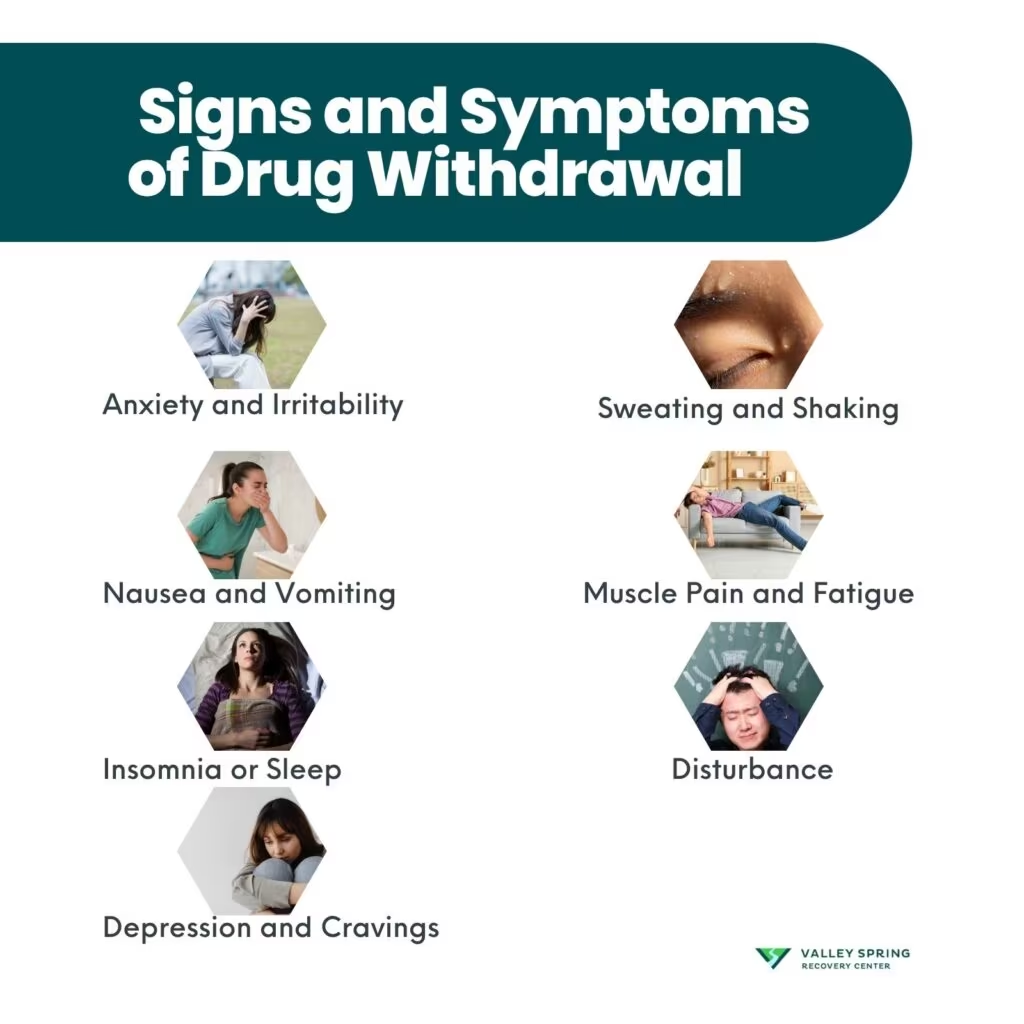
| Substance class | Common withdrawal features | Important risks |
|---|---|---|
| Opioids | Muscle aches, yawning, sweating, runny nose, nausea, vomiting, diarrhea, insomnia and craving | Dehydration, return to use and overdose after tolerance falls |
| Alcohol | Tremor, sweating, anxiety, nausea, insomnia and agitation | Seizures, hallucinations and delirium |
| Benzodiazepines and barbiturates | Anxiety, insomnia, tremor, sensory changes and agitation | Seizures, delirium, psychosis and severe mood symptoms |
| Stimulants | Fatigue, increased sleep or insomnia, low mood, slowed activity, anxiety and craving | Severe depression, suicidal thinking, agitation or psychosis |
| Cannabis | Irritability, anxiety, sleep difficulty, reduced appetite and restlessness | Functional impairment or worsening of a co-occurring condition |
Opioid withdrawal produces generalized restlessness with autonomic and gastrointestinal symptoms, whereas restless legs syndrome produces an urge to move that begins at rest, improves with movement, and worsens at night.
Polysubstance exposure can blur these patterns. A person who used opioids, alcohol, sedatives, or stimulants together may develop overlapping intoxication, withdrawal, medication interaction, or mental health symptoms.
When is drug withdrawal a medical emergency?
Drug withdrawal is a medical emergency when it causes a seizure, delirium, hallucinations, severe confusion, chest pain, breathing difficulty, uncontrolled vomiting, loss of consciousness, suicidal intent, or dangerous agitation. Call 911 for these signs or when the substance and level of risk are uncertain.
Alcohol, benzodiazepine, and barbiturate withdrawal can be life-threatening. A person with heavy or prolonged exposure, prior withdrawal seizures, serious illness, pregnancy, or use of several depressants needs prompt clinical assessment before reducing or stopping.
Opioid withdrawal is usually not fatal on its own, but it can cause severe fluid loss and can lead to return to use after tolerance has declined. If an opioid exposure causes unresponsiveness or slow, irregular breathing, give naloxone when available and follow the opioid overdose response steps while emergency help is coming.
How do clinicians assess withdrawal severity?
Clinicians assess withdrawal by identifying recent substance exposure, measuring current symptoms and vital signs, and evaluating medical, psychiatric, and overdose risk. The assessment includes prescribed drugs, nonmedical use, alcohol, supplements, route of administration, last dose, prior withdrawal, co-occurring conditions, and available support.
Clinicians may use a substance-specific rating scale to track severity, but a score does not replace history, examination, toxicology interpretation, or judgment. Testing can help identify exposure and complications; it cannot determine every substance taken, the exact dose, or whether symptoms will worsen.
How is drug withdrawal treated?
Withdrawal treatment matches the substance and clinical risk with monitoring, medication, hydration, nutrition, symptom relief, and a planned transition to continuing care. Treatment may occur in a hospital, licensed withdrawal-management facility, residential program, or outpatient setting according to medical need.
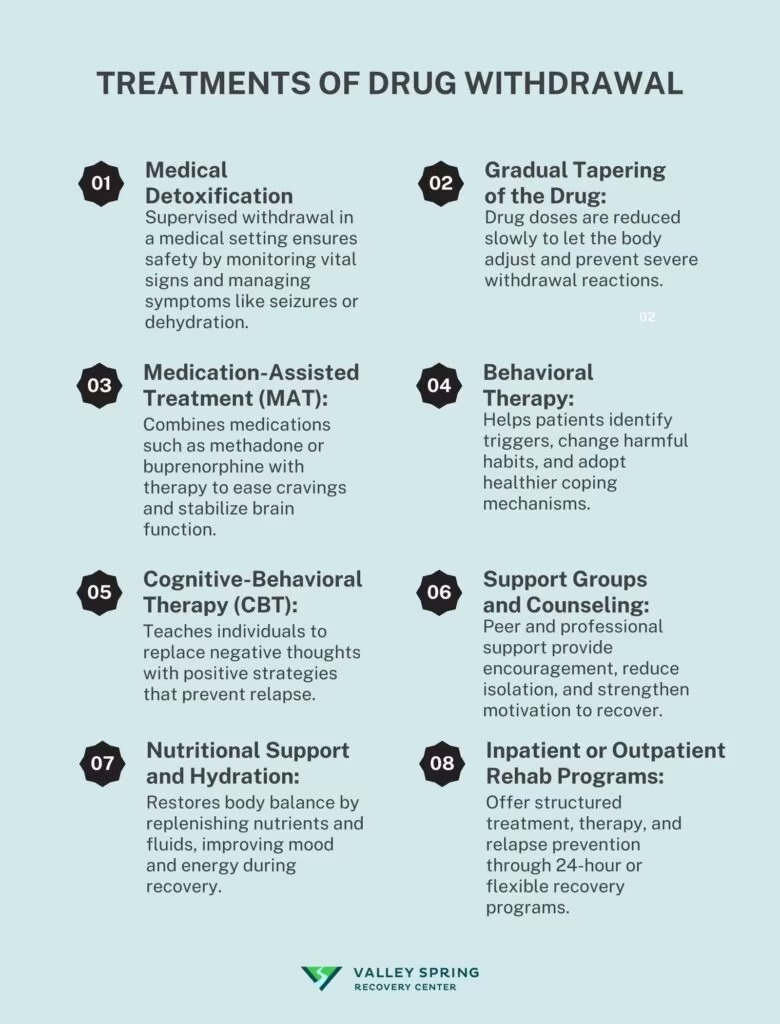
- Opioid withdrawal: Buprenorphine or methadone can suppress withdrawal and craving while treating opioid use disorder. Other medications can target individual symptoms. Medication selection and initiation require clinical assessment because poorly timed buprenorphine can precipitate withdrawal.
- Benzodiazepine withdrawal: A clinician usually reduces the dose gradually with a patient-specific taper. The FDA and the 2025 Joint Clinical Practice Guideline warn against abrupt discontinuation in a physically dependent patient.
- Alcohol withdrawal: Clinicians use risk-based monitoring and medication to prevent or treat complications because alcohol withdrawal symptoms and emergency risks differ from other withdrawal syndromes.
- Stimulant withdrawal: Care emphasizes sleep, nutrition, mood and suicide-risk assessment, management of agitation or psychosis, and treatment engagement. No medication is FDA-approved specifically for stimulant use disorder.
- Supportive care: Fluids, nutrition, sleep support, a calm environment, and symptom-specific treatment can reduce complications, but home remedies do not substitute for medical management when risk is elevated.
Drug and alcohol detox placement connects people who need supervised withdrawal with a hospital or licensed withdrawal-management provider before admission to the appropriate rehabilitation level after medical stabilization. Valley Spring Recovery Center coordinates that transition but does not operate a medical detox unit.
Does detoxification treat a substance use disorder?
Detoxification manages acute withdrawal, but detoxification alone does not treat the behavioral, medical, and social dimensions of a substance use disorder. A complete transition plan addresses medication, craving, relapse prevention, co-occurring mental health conditions, housing, family support, and recovery goals.
For opioid use disorder, buprenorphine and methadone treat withdrawal while also supporting ongoing care; extended-release naltrexone requires an opioid-free interval before initiation. Opioid addiction treatment can connect medication management with therapy, overdose prevention, and continuing recovery support after stabilization.
Can drug withdrawal be managed at home?
Home withdrawal management is appropriate only when a qualified clinician determines that the expected syndrome is low risk and establishes a monitoring and escalation plan. The plan should specify medication instructions, follow-up, supportive care, emergency signs, and who will help if symptoms worsen.
A person should not improvise a taper, use alcohol or borrowed medication to suppress symptoms, or stop a benzodiazepine, barbiturate, or long-term opioid prescription abruptly. Medical advice is especially important after prior severe withdrawal, during pregnancy, with unstable physical or mental health, or when several substances are involved.
What should happen after withdrawal stabilizes?
Continuing care should begin as soon as withdrawal stabilizes because reduced symptoms do not remove craving, relapse risk, or the underlying substance use disorder. The next step may include medication for opioid or alcohol use disorder, outpatient or residential treatment, behavioral therapy, psychiatric care, peer support, and overdose-prevention planning.
Transition planning should occur before discharge rather than after a gap in care. A documented medication list, naloxone access when opioids are involved, confirmed follow-up appointment, transportation plan, and communication between providers reduce ambiguity during the handoff.
Sources & References7ShowHide
- Substance Abuse and Mental Health Services Administration. TIP 63: Medications for Opioid Use Disorder, updated 2024 — Federal guidance on opioid withdrawal, buprenorphine, methadone, naltrexone and continuing treatment for opioid use disorder.
- U.S. Food and Drug Administration. FDA Requiring Boxed Warning Updated to Improve Safe Use of Benzodiazepine Drug Class, 2020 — Official warning on physical dependence, life-threatening withdrawal reactions and individualized gradual tapering.
- American Society of Addiction Medicine. Joint Clinical Practice Guideline on Benzodiazepine Tapering, 2025 — Current multidisciplinary guidance on assessing withdrawal risk and tapering benzodiazepines safely.
- U.S. Food and Drug Administration. FDA Updates Prescribing Information for All Opioid Pain Medicines to Provide Additional Guidance for Safe Use, 2023 — Official guidance against abruptly discontinuing opioid pain medicine in a physically dependent patient.
- Substance Abuse and Mental Health Services Administration. TIP 33: Treatment for Stimulant Use Disorders, updated 2021 — Federal guidance on stimulant withdrawal, clinical assessment and evidence-based continuing treatment.
- National Institute on Drug Abuse. Drugs, Brains, and Behavior: The Science of Addiction — Federal overview of dependence, withdrawal, addiction treatment and recovery.
- Centers for Disease Control and Prevention. What to Do If You Think Someone Is Overdosing, 2024 — Official guidance on recognizing opioid overdose, giving naloxone and obtaining emergency help.