


Clinical guide
Video Game Addiction: Definition, Symptoms, Causes, Effects and Treatment
Video game addiction disrupts school, work, and relationships through excessive, compulsive play. Learn its symptoms, causes, and treatment options.
By Paul James Roeser·Reviewed by Noelle Mathew, LCSW, LCADC, CASAC-M·10 min read
Published ·Updated
Video game addiction, also known as gaming disorder, is when someone plays video games so much that it causes big problems in their life, like not doing well at school or work, losing friends, or feeling really bad when they can't play. This addiction disrupts daily routines, relationships, work, and school responsibilities. Understanding video game addiction involves exploring its definition, symptoms, causes, effects, and treatment options.
The symptoms of video game addiction include preoccupation with gaming, withdrawal symptoms when not playing, unsuccessful attempts to reduce playing time, and continued excessive gaming despite negative consequences. Individuals may also neglect personal hygiene, nutrition, and sleep.
The causes of video game addiction include psychological factors such as low self-esteem or anxiety, social influences like peer pressure and the need for social acceptance, and the engaging and immersive nature of video games that provide a sense of achievement and escape from reality.
The effects of video game addiction are far-reaching, impacting physical health through issues like eye strain, sleep disorders, and poor posture. Mentally, it leads to anxiety, depression, and social isolation. Additionally, it strains relationships and hinders academic or professional performance.
Treatment options for video game addiction include cognitive-behavioral therapy (CBT), counseling, support groups, and in severe cases, inpatient rehabilitation programs. These treatments aim to help individuals develop healthier habits, manage their gaming time effectively, and address any underlying psychological issues.
What are Video Games?
Video games are interactive digital entertainment programs that allow players to control characters or elements within a virtual environment, often featuring goals, challenges, and storylines, played on various devices like consoles, computers, or mobile phones. According to Kristen J. Nyitray in her 2019 article "Game On to Game After: Sources for Video Game History," published in the Reference & User Services Quarterly, video games have evolved significantly over the years, with a rich history that includes a variety of genres and platforms.
Video games encompass a broad range of genres, including action, adventure, role-playing, simulations, strategy, sports, and puzzles. These games are either single-player or multiplayer, allowing for both solitary and social gaming experiences. The interactive nature of video games engages players in a way that traditional media cannot, offering immersive environments and dynamic storylines that adapt to the player's choices.
What is Video Game Addiction?
Video game addiction is a condition where a person plays video games so much that it causes problems in their daily life, such as neglecting responsibilities, social withdrawal, and experiencing negative emotions when not playing. According to a study by Griffiths and Pontes (2014) published in the Journal of Addiction Research & Therapy, video game addiction is distinct from general internet addiction and involves specific diagnostic criteria related to gaming behavior.
The World Health Organization (WHO) included gaming disorder in the International Classification of Diseases (ICD-11) in 2018, defining it as a pattern of gaming behavior characterized by impaired control over gaming, increasing priority given to gaming over other activities, and continuation or escalation of gaming despite negative consequences. This addiction manifests in both online and offline gaming environments and is marked by its detrimental impact on various aspects of life.
What are the signs of Video Game Addiction?
Signs of video game addiction include preoccupation with gaming, inability to control gaming habits, neglecting other activities, lying about gaming time, using gaming to escape problems, and experiencing negative impacts on personal, social, or professional life due to excessive gaming. According to David A. Olle and Jean Riescher Westcott in their 2018 book Video Game Addiction, these signs are crucial for recognizing the presence of an addiction.
- Preoccupation with Gaming: Constantly thinking about gaming, even when not playing. This preoccupation interferes with daily tasks, conversations, and overall mental focus.
- Inability to Control Gaming Habits: Failing to reduce the amount of time spent playing games despite trying. Individuals may repeatedly play for longer periods than initially intended, losing track of time.
- Neglecting Other Activities: Ignoring hobbies, sports, or social activities to spend more time gaming. This neglect leads to a loss of interest in previously enjoyed activities and a decline in physical health.
- Lying About Gaming Time: Hiding or minimizing the amount of time spent playing games. Deception about gaming habits strain relationships with family members and friends who may be concerned about excessive gaming.
- Using Gaming to Escape Problems: Playing video games to avoid dealing with personal issues, stress, or negative emotions. This reliance on gaming prevents individuals from developing healthy coping mechanisms for real-life challenges.
- Experiencing Negative Impacts: Suffering from deteriorating relationships due to excessive gaming. Academic or professional performance may decline as gaming interferes with responsibilities, and physical health issues like eye strain, poor posture, and sleep disturbances arise from extended gaming sessions.
What are the causes of Video Game Addiction?
Video game addiction is caused by the games' inherently addictive design using behavioral psychology, escapism from real-life problems, the brain's reward system response to gaming, underlying mental health issues like depression or ADHD, and psychosocial factors such as low self-esteem, poor social skills, or lack of family support. According to David A. Olle and Jean Riescher Westcott in their 2018 book Video Game Addiction, these factors contribute to the development and maintenance of video game addiction.
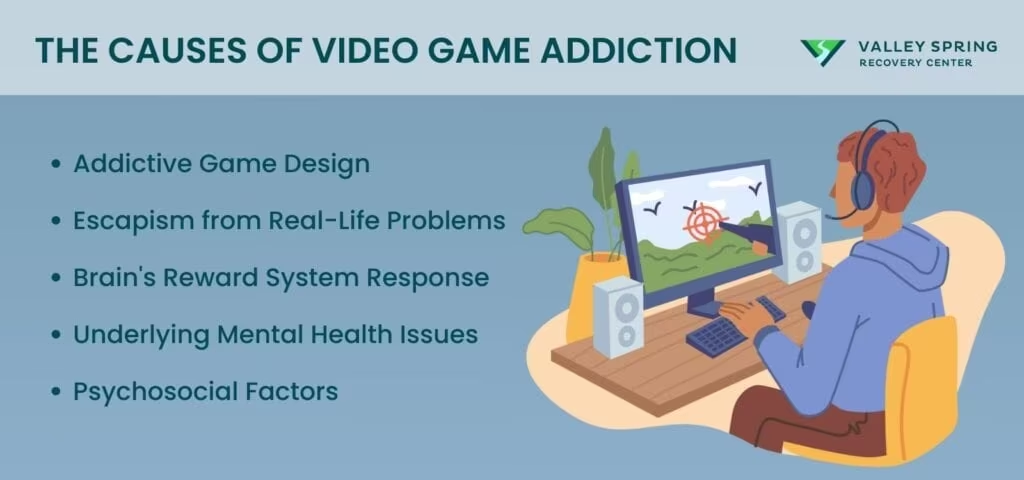
- Addictive Game Design: Reward schedules, level progression, social competition, and limited-time events extend play and encourage repeated sessions. On mobile devices, notifications and immediate access also connect gaming behavior with problematic smartphone use.
- Escapism from Real-Life Problems: Many individuals turn to video games as a way to escape from real-life issues or stress. This escapism provides temporary relief but leads to an unhealthy reliance on gaming as a coping mechanism.
- Brain's Reward System Response: The brain's reward system is activated during gaming, releasing dopamine, a neurotransmitter associated with pleasure and reward. This response reinforces the gaming behavior, making it difficult for individuals to stop playing.
- Underlying Mental Health Issues: Conditions such as depression, anxiety, or attention-deficit/hyperactivity disorder (ADHD) make individuals more susceptible to video game addiction. Gaming provides a distraction or a sense of achievement that might be lacking in other areas of their lives.
- Psychosocial Factors: Low self-esteem, poor social skills, and a lack of family support contribute to video game addiction. Individuals who struggle with social interactions or lack a supportive environment may turn to gaming for social fulfillment and a sense of belonging.
What are the effects of Video Game Addiction?
The effects of video game addiction include physical health problems, mental health issues, social isolation, neglect of responsibilities, and negative impacts on relationships, education, and career, potentially leading to a significant decline in overall quality of life and well-being. According to David A. Olle and Jean Riescher Westcott in their 2018 book Video Game Addiction, these impacts are far-reaching and severely disrupt an individual's life.
- Physical Health: Video game addiction can lead to various physical health problems, such as eye strain, poor posture, carpal tunnel syndrome, sleep disturbances, and weight gain.
- Mental Health: Excessive gaming is associated with mental health issues like depression, anxiety, and increased stress levels.
- Social Isolation: Individuals addicted to video games may withdraw from social activities and relationships, leading to loneliness and social isolation.
- Neglect of Responsibilities: Addicted gamers often neglect responsibilities at home, school, or work, resulting in poor performance and potential disciplinary actions.
- Impact on Relationships: Gaming addiction can strain relationships with family and friends, leading to conflicts and reduced social support.
- Educational and Career Decline: The time spent gaming can detract from academic and professional achievements, causing declines in performance and missed opportunities.
What are the Treatment Options for Video Game Addiction?
Treatment options for video game addiction include cognitive behavioral therapy, family therapy, support groups, digital detox programs, and in severe cases, inpatient rehabilitation, all aimed at addressing underlying issues and developing healthier coping mechanisms and lifestyle habits. According to Mohammad, Jan, and Alsaedi (2023) in their peer-reviewed article published in Cureus, these treatment options have shown varying degrees of effectiveness, and more clinical trials are needed to determine their long-term benefits.
1. Cognitive Behavioral Therapy (CBT)
- Addressing Thought Patterns: CBT helps individuals identify and change negative thought patterns that contribute to their addiction. By recognizing these patterns, individuals develop healthier thinking and behavior habits to reduce their gaming time.
- Developing Coping Strategies: CBT teaches practical skills for managing stress, anxiety, and other emotional issues. These strategies help individuals find alternative ways to cope without resorting to gaming.
2. Family Therapy
- Improving Communication: Family therapy involves working with family members to enhance communication and resolve conflicts. This approach helps rebuild trust and fosters a supportive environment for the individual struggling with addiction.
- Creating a Supportive Environment: Through family therapy, family members learn how to support their loved ones effectively. This includes setting boundaries and creating a home environment that encourages healthier habits and reduces reliance on gaming.
3. Support Groups
- Sharing Experiences: Support groups offer a safe space for individuals to share their experiences and challenges with others facing similar issues. This sense of community provides emotional support and reduces feelings of isolation.
- Peer Support: In these groups, members provide practical advice and encouragement to each other. The shared understanding and collective wisdom help individuals stay committed to their recovery journey.
4. Digital Detox Programs
- Reducing Screen Time: Digital detox programs focus on limiting screen time and encouraging participation in offline activities. These programs often include structured schedules that help individuals disconnect from gaming and engage in real-life experiences.
- Rebuilding Habits: Participants in digital detox programs are encouraged to develop new hobbies and interests. This shift helps create a balanced lifestyle and reduces dependency on video games.
5. Inpatient Rehabilitation
- Intensive Treatment: In severe cases, inpatient rehabilitation offers a structured environment with round-the-clock support. This intensive approach includes detoxification and therapy to address the addiction comprehensively.
- Holistic Care: Inpatient programs typically combine therapy, medical care, and lifestyle education. This holistic approach ensures that all aspects of the individual’s well-being are addressed during the recovery process.
6. Pharmacotherapy
- Medication Use: Some pharmacotherapy approaches help manage symptoms associated with video game addiction, such as anxiety and depression. These medications are used to complement other treatment methods and support overall recovery.
- Complementary Approach: Medications are not a standalone solution but are used in conjunction with therapy and lifestyle changes. This integrated approach helps address both the addiction and any underlying mental health issues.
7. PIPATIC Program
- Specific Program: The PIPATIC program is tailored to treat internet and technology addiction, including video game addiction. It involves a combination of therapy, skill-building, and lifestyle changes aimed at reducing dependency on gaming.
- Tailored Interventions: This program provides personalized interventions based on the individual’s needs. The customized approach ensures that treatment is effective and relevant to each person’s specific situation.
Can video game addiction affect children and teenagers?
Yes, video game addiction significantly impacts children and teenagers. Young individuals may neglect schoolwork, experience decreased social interactions, and develop physical health issues due to prolonged gaming. Early intervention and parental guidance are crucial to prevent these negative outcomes.
How can parents help prevent video game addiction in their children?
Parents help prevent video game addiction by setting clear limits on gaming time, encouraging a balance between gaming and other activities, and fostering open communication about the potential risks of excessive gaming. Involvement in their children's gaming habits and promoting alternative hobbies are also effective.
Is there a difference between video game addiction and a strong interest in gaming?
Yes, there is a difference between video game addiction and a strong interest in gaming. While a strong interest involves enthusiasm and enjoyment without significant negative consequences, addiction is characterized by an inability to control gaming, leading to harmful impacts on daily life, relationships, and responsibilities.
Can video game addiction be linked to other forms of addiction?
Yes, video game addiction is linked to other forms of addiction, such as internet addiction or drug addiction. The compulsive nature of gaming shares similarities with other addictive behaviors, and individuals with one type of addiction may be more susceptible to developing another.
Are there specific types of video games that are more likely to lead to addiction?
Certain types of video games, such as massively multiplayer online role-playing games (MMORPGs) and games with extensive reward systems, are more likely to lead to addiction. These games often have features designed to keep players engaged for extended periods, increasing the risk of developing addictive behaviors.