


Clinical guide
Halfway House: Definition, Purpose, Operation, For Whom, Benefits
A halfway house is a transitional residence supporting people recovering from addiction or reentering society after incarceration. Learn how it works.
By Paul James Roeser·Reviewed by Noelle Mathew, LCSW, LCADC, CASAC-M·17 min read
Published ·Updated
A halfway house is a transitional living facility designed to help individuals recovering from addiction or reintegrating after incarceration. Structured environments like halfway houses significantly improve long-term recovery outcomes, reducing relapse rates compared to independent living. According to research by McKay JR. et al. 2021, titled “Impact of Continuing Care on Recovery From Substance Use Disorder,” around 60% of individuals who stay in a halfway house for at least 90 days complete their recovery program successfully. These facilities provide stability and support as individuals rebuild their lives.
The primary purpose of a halfway house is to bridge the gap between intensive treatment and independent living. It promotes accountability and sobriety and helps residents develop important life skills. By offering structured living conditions, halfway houses create an environment that encourages long-term recovery and successful reintegration into society.
Halfway houses operate through structured schedules, house rules, and support programs. They are managed by staff who enforce sobriety requirements, facilitate group meetings, and assist residents with job placement. Some facilities are government-funded, while others operate privately, collaborating with treatment programs or sober living homes to maintain continuous care.
Individuals recovering from substance use disorders, those with co-occurring mental health conditions, and formerly incarcerated individuals benefit the most from halfway houses. The National Institute on Drug Abuse (NIDA) titled “Common Comorbidities with Substance Use Disorders” shows that approximately 50% of individuals with substance use disorders also struggle with mental health issues, making comprehensive support necessary. These facilities offer a safe and supportive space, allowing residents to gradually regain independence while receiving guidance from counselors, peers, and trained staff.
The key benefits of halfway houses include relapse prevention, improved mental health, and a smoother transition to independent living. Residents of structured sober living homes have lower relapse rates compared to those without such support. Halfway houses sustain long-term recovery and rehabilitation by promoting stability and responsibility.
What is a Halfway House?
A halfway house is a type of transitional housing designed to support individuals recovering from addiction. It provides a structured environment that helps people reintegrate into the community after completing addiction treatment.
According to SAMHSA, a halfway house is a “residential facility providing short-term supervised living and/or care.” These homes are designed to support individuals in recovery from addiction, offering a structured environment that promotes sobriety while helping residents transition back into the community.
These homes offer a safe, sober living space while allowing residents to rebuild life skills, maintain sobriety, and gradually transition back into society. Also seen as part of the addiction treatment process, halfway houses provide the necessary support for continued recovery and prevent relapse by fostering a stable, supportive living environment. By providing supervision and a stable living situation, halfway houses maintain long-term recovery and reintegration into society.
What is the Purpose of a Halfway House?
The purpose of a halfway house is to provide a supportive, structured environment for individuals transitioning from addiction treatment back into society. These homes offer supervised living while helping residents maintain sobriety and develop independent living skills.
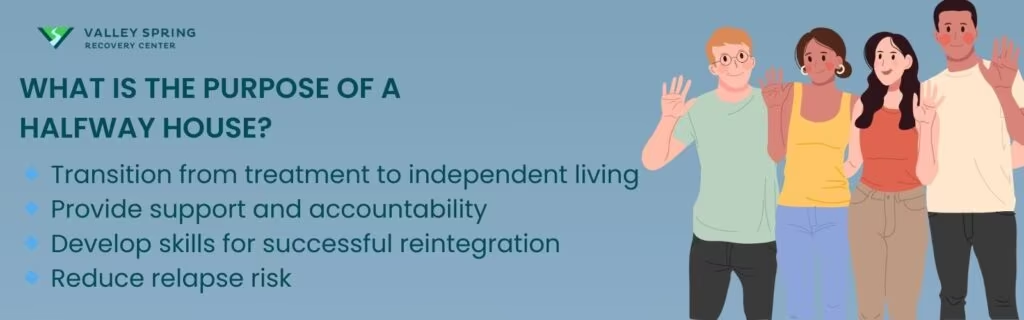
Halfway houses promote independence by encouraging personal responsibility and accountability. Residents must follow the rules, contribute to the household, and engage in work, education, or volunteering. This structure helps them build the skills needed to live independently while staying sober.
Halfway houses support individuals in maintaining long-term sobriety by providing a stable environment where they continue recovery-focused activities like therapy, 12-step meetings, and peer support. Individuals who complete a program in a halfway house have higher success rates in maintaining sobriety compared to those who return directly to unstructured living environments. According to research by McKay JR. et al. 2021, titled “Impact of Continuing Care on Recovery From Substance Use Disorder,” around 60% of individuals who stay in a halfway house for at least 90 days complete their recovery program successfully.
How Do Halfway Houses Help Individuals Transition From Addiction Treatment?
Halfway houses help individuals transition from addiction treatment by providing a structured and supportive environment that encourages continued sobriety and self-reliance. This transitional phase helps bridge the gap between intensive addiction treatment and independent living.
One key aspect of halfway houses is their structured schedule. Residents are expected to follow a daily routine that includes work, chores, therapy sessions, support groups, and other recovery-related activities. This consistency helps individuals avoid the temptations and chaos of unstructured living, which lead to relapse. Research by Polcin DL, Korcha R, Bond J, Galloway G., et al. 2010, titled “What did we learn from our study on sober living houses and where do we go from here?” indicates that individuals in structured environments, such as halfway houses, have a significantly lower relapse rate compared to those who skip this step in recovery.
Halfway houses offer support groups and life skills training, both of which are necessary for long-term recovery. Support groups, such as 12-step meetings, provide a sense of community and accountability, which help individuals remain focused on their recovery goals. Life skills training, such as budgeting, cooking, and job searching, equips residents with the necessary tools to succeed in their personal and professional lives after leaving the halfway house.
These elements of halfway houses, such as structure, support, and life skills, greatly reduce relapse rates. According to the National Institute on Drug Abuse (NIDA), individuals who engage in supportive, structured living environments are 50% more likely to stay sober for longer periods compared to those who do not.
How Do Halfway Houses Operate?
Halfway houses operate as structured, supervised living environments that provide a safe space for individuals transitioning from addiction treatment to independent living. They are organized to offer a balance of personal freedom and accountability, emphasizing maintaining sobriety and promoting personal development.
Managing a halfway house involves a combination of residential staff, addiction counselors, and case managers. Staff members oversee daily activities, ensure residents follow the house rules, and provide emotional and psychological support. They also offer or coordinate therapy sessions, group meetings, and other recovery-focused activities. The role of staff is important in maintaining a safe environment and helping residents stay on track with their recovery goals.
Daily schedules at halfway houses are highly structured to promote routine and accountability. Residents must adhere to specific wake-up times, curfews, and responsibilities such as work or school attendance, house chores, and participation in group therapy or 12-step meetings. These structured routines help reinforce discipline and provide a sense of stability, which is important in early recovery.
Funding for halfway houses comes from a variety of sources, including government grants, private donations, insurance, and resident payments. Many halfway houses are nonprofit organizations, but some operate as for-profit entities. The funding supports the operational costs, staffing, and services provided to residents, ensuring the sustainability of the halfway house and its ability to serve individuals in need of support during their transition to independent living.
What Are Typical Rules and Regulations of Halfway Houses?
Typical rules and regulations of halfway houses are designed to ensure that residents maintain structure, stability, and accountability while transitioning from addiction treatment to independent living. These rules help reinforce the importance of sobriety, responsibility, and personal growth.
The typical rules and regulations of halfway houses are:
- Curfew: Halfway houses usually have a curfew in place, requiring residents to be home by a certain time in the evening. This rule ensures that individuals maintain a stable routine and prevents situations that lead to relapse. Adhering to a curfew helps promote a sense of responsibility and discipline during recovery.
- Mandatory Meetings: Attendance at group meetings, such as 12-step meetings or house meetings, is a requirement. These meetings provide emotional support, encourage shared experiences, and promote a sense of community among residents. They help reinforce recovery principles and allow residents to discuss challenges and progress with peers.
- Sobriety: A strict sobriety rule is enforced in halfway houses. Residents are expected to remain drug and alcohol-free at all times. Random drug tests are conducted to ensure compliance with this rule. Maintaining sobriety is a fundamental aspect of the recovery process, and any violations result in disciplinary action or removal from the facility.
- Employment Expectations: Residents are required to seek and maintain employment or actively engage in education or vocational training. Having a job or attending school helps individuals build financial independence and instills a sense of responsibility. It also contributes to personal growth and a sense of purpose during recovery.
Can You Leave a Halfway House During the Day?
Yes, you can leave a halfway house during the day, but permission is required. Residents are allowed to leave for work, medical appointments, or other necessary activities, but they must follow the halfway house's rules regarding permissions. According to "HALFWAY HOUSE RULES/REGULATIONS" by United States Courts, these permissions are granted based on a structured schedule, and residents must notify staff in advance for approval. Unauthorized departures or failure to return on time lead to disciplinary actions or even removal from the facility.
Can You Work While in a Halfway House?
Yes, residents can work while in a halfway house, and employment is encouraged. Having a job supports their recovery by promoting responsibility, structure, and financial independence. Employment helps residents develop life skills, rebuild confidence, and engage in productive activities, all of which are necessary components of successful reintegration into society.
Can You Have Visitors in a Halfway House?
Yes, you can have visitors in a halfway house, but there are rules and restrictions in place for safety and recovery purposes. Visitors are required to undergo screening and approval by staff, and visits are scheduled during designated hours. These policies help ensure that interactions do not interfere with recovery goals or the safety of residents, as maintaining a sober and controlled environment is key to rehabilitation success.
How Do Halfway Houses Manage Security and Safety for Residents?
Halfway houses manage security and safety for residents through measures like monitoring, drug testing, and staff supervision. Regular checks ensure that residents follow the rules and remain sober, creating a structured environment conducive to recovery. Drug tests are conducted on a scheduled basis or when deemed necessary to detect any substance use and prevent relapse.
Staff members are trained to respond to emergencies, mediate conflicts, and provide support in high-stress situations, ensuring residents' well-being. The presence of on-site security personnel and surveillance systems further reinforces safety, and restrictions on visitors and access to the outside world help minimize the risk of exposure to harmful influences.
How Do Halfway Houses Support Mental Health During Addiction Recovery?
Halfway houses support mental health during addiction recovery by offering services such as therapy, counseling, and support groups. These services are designed to address co-occurring mental health disorders, which are prevalent among individuals in recovery. In many cases, mental health issues such as anxiety, depression, and PTSD exacerbate substance use disorders, making integrated care required.
Therapy sessions are individualized or group-based, focusing on coping strategies, emotional regulation, and cognitive-behavioral techniques to help residents manage their mental health alongside their recovery. Support groups provide a safe space for individuals to share experiences and gain encouragement from peers, promoting a sense of community and belonging.
Research by the National Institute on Drug Abuse (NIDA) titled “Common Comorbidities with Substance Use Disorders” shows that approximately 50% of individuals with substance use disorders also struggle with mental health issues, making comprehensive support necessary. Regular mental health care helps prevent relapse, improves overall well-being, and supports long-term recovery, allowing residents to build resilience and develop healthier coping mechanisms for the future.
How Long Can You Stay in a Halfway House?
You can stay in a halfway house for up to 6 months, although the exact duration varies. Residents stay for 3 to 6 months, depending on their progress in recovery. Factors such as personal commitment to sobriety, completion of treatment programs, and adherence to halfway house rules influence the length of stay.
Who Can Benefit from a Halfway House?
Individuals with substance use disorders, mental health issues, or those transitioning from incarceration benefit from a halfway house. These facilities offer a safe, structured living environment that supports individuals through their recovery and reintegration process. For those recovering from addiction, halfway houses provide important resources like counseling, support groups, and life skills training, helping them avoid relapse and maintain sobriety.
Individuals with co-occurring mental health conditions benefit from integrated services, where both their mental health and substance use disorders are treated simultaneously. For individuals transitioning from incarceration, halfway houses assist in adjusting to life outside prison, helping them develop the necessary skills to reintegrate into society successfully. The supportive structure of a halfway house helps individuals gain the stability and independence they need to move forward and maintain long-term recovery.
What Are the Eligibility Requirements for Halfway Houses?
The eligibility requirements for halfway houses are based on factors such as sobriety, commitment to recovery, and referral from treatment programs or probation officers. Applicants must show proof of their participation in rehabilitation or addiction treatment and demonstrate a readiness to comply with the halfway house's rules and regulations. Many facilities require residents to actively engage in their recovery through attendance at therapy sessions, support meetings, or other recovery-oriented activities.
Some halfway houses require residents to be employed or actively seeking employment, as this helps promote independence and responsibility. Some facilities also have age, gender, or behavioral requirements, depending on their specific focus, such as supporting individuals with a history of criminal offenses or providing services for women or veterans. Overall, these eligibility requirements aim to ensure that individuals are ready to benefit from the structure and support of a halfway house while maintaining their commitment to recovery.
What Are the Benefits of Halfway Houses in Addiction Recovery?
The benefits of halfway houses in addiction recovery are significant in helping individuals maintain sobriety, gain independence, and successfully reintegrate into society. Halfway houses provide a supportive environment that encourages long-term recovery and reduces the likelihood of relapse. They offer a structured setting with set rules, promoting personal responsibility and accountability. Residents receive ongoing support through counseling, therapy, and group meetings, helping them stay focused on their recovery goals.
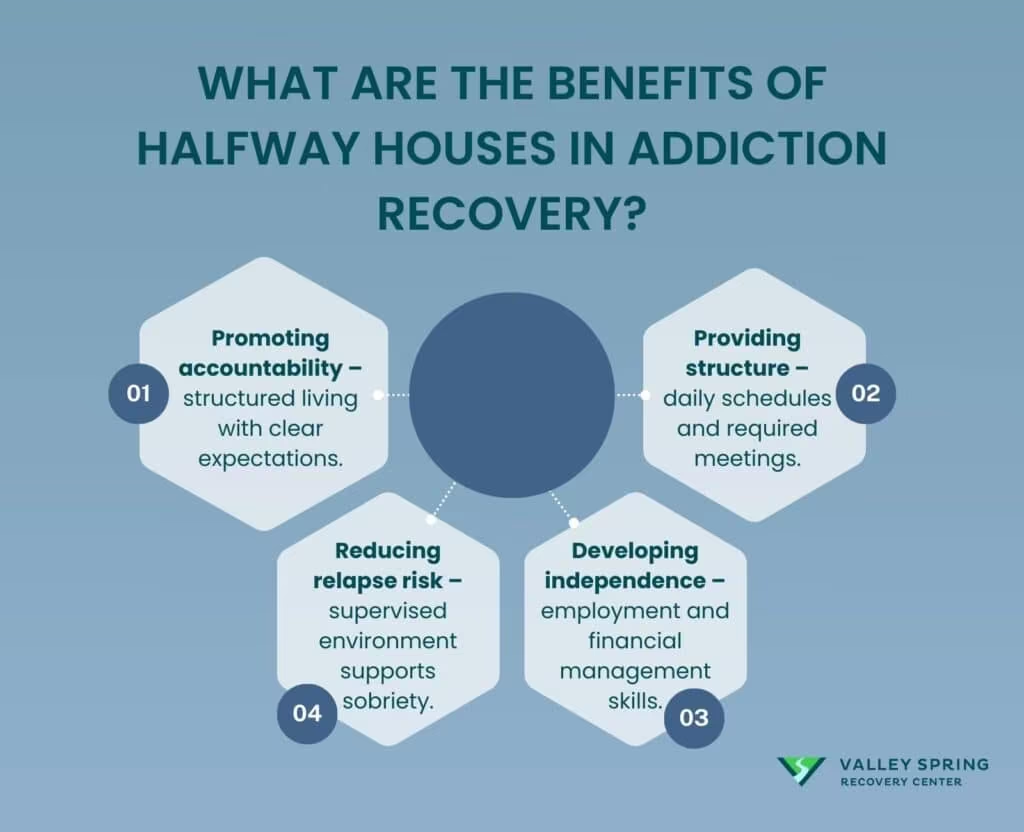
The benefits of halfway houses in addiction recovery are:
- Promoting Accountability: Halfway houses help encourage accountability by maintaining a structured environment where residents follow set rules and schedules. This allows individuals to avoid falling back into old habits and ensures they stay on track with their recovery plan. Accountability to staff and peers is a strong motivator, reinforcing the importance of maintaining sobriety.
- Providing Structure: A key benefit of halfway houses is their ability to provide a structured environment. This includes daily schedules, mandatory meetings, and supervised activities, which help individuals focus on their recovery. Structure creates a routine that reduces idle time and minimizes the temptation to use substances, contributing to improved recovery outcomes.
- Reducing Relapse Risk: Halfway houses significantly reduce the risk of relapse. Individuals who transition from inpatient treatment to a halfway house are less likely to relapse compared to those who move directly into independent living.
- Developing Independence: Residents in halfway houses gradually develop the skills necessary for independent living. This includes employment training, financial management, and decision-making skills, which are necessary for maintaining long-term sobriety and self-sufficiency. Learning how to live independently while still receiving support from peers and staff makes the transition back to society smoother.
What Are the Key Differences Between Halfway Houses and Sober Living Homes?
The key difference between halfway houses and sober living homes is that halfway houses are more structured and have stricter rules, serving as a transitional step after rehab or incarceration. Halfway houses have mandatory curfews, job requirements, and more stringent supervision, and they are usually linked to a treatment program or legal requirements.
In contrast, sober living homes offer a more flexible, less restrictive environment, focusing primarily on maintaining sobriety without the need for intensive therapy or legal oversight. While both aim to support individuals in recovery, halfway houses are designed to facilitate reintegration into society, whereas sober living homes emphasize long-term sobriety and independent living.
What Is the Process for Being Placed in a Halfway House?
The process for being placed in a halfway house is a multi-step procedure that begins with a referral and includes approval and eligibility assessments.
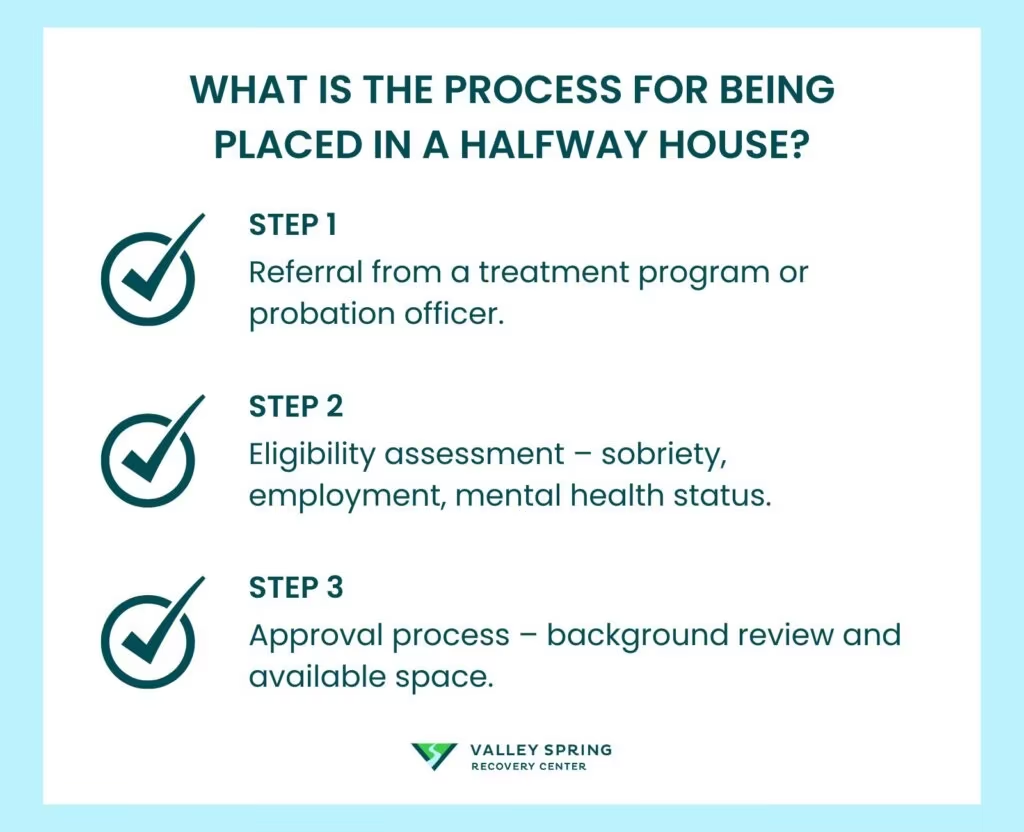
The steps in the halfway house placement process are:
- Referral from Treatment Programs: Individuals seeking placement in a halfway house begin the process with a referral from a rehabilitation center or treatment program. These referrals ensure that the individual has already participated in necessary addiction treatment and is ready to transition to a less intensive, supportive environment.
- Eligibility Assessment: After receiving a referral, the halfway house will evaluate the individual’s eligibility. This includes assessing their commitment to recovery, current sobriety, and the specific needs related to their addiction or mental health. Some facilities require a clean drug test or proof of participation in therapy.
- Approval Process: Once eligibility is determined, the individual must be approved. This involves a review of the applicant's history, including any legal considerations or previous treatment efforts. After review, the facility decides if it will accommodate the applicant based on available space and the applicant's suitability for the program.
Are You Allowed to Choose Halfway Houses?
Yes, you are allowed to choose halfway houses, but several factors limit it. While individuals express a preference for a specific halfway house, their selection is influenced by factors such as availability, eligibility requirements, financial considerations, and legal circumstances. Some halfway houses require referrals from treatment programs or probation officers, restricting personal choice.
State or federally funded halfway houses assign placements based on need rather than preference. However, individuals who can afford private facilities or meet specific criteria have more flexibility in choosing a location that best suits their recovery needs.
What Are the Common Challenges Faced by Halfway Houses in the US?
The common challenges faced by halfway houses in the US are funding shortages, societal stigma, staff shortages, and balancing safety with rehabilitation. Many halfway houses struggle with inadequate funding, limiting their ability to provide basic services like counseling and job training. National reports by Prison Policy titled “What you should know about halfway houses” indicate that staffing shortages are another major concern, with many facilities operating with insufficient personnel to monitor and assist residents effectively.
Societal stigma around halfway houses leads to community resistance, making it difficult to establish or maintain these facilities. Balancing strict safety regulations with rehabilitation promotion is also a challenge, as overly restrictive policies hinder recovery efforts.
How Much Does a Halfway House Cost?
Halfway house costs range from $500 to $2,500 per month, depending on the location, level of services, and funding structure.
Factors influencing the cost include whether the facility is government-funded, the type of services provided (such as therapy and job training), and the duration of stay. Some halfway houses offer sliding-scale fees based on income, while others require residents to contribute a fixed amount toward their living expenses.
Who Pays for Halfway House Services?
Government programs, private insurance, and resident contributions cover the costs of halfway house services. Many state and federally funded halfway houses receive grants or subsidies to cover operational costs, allowing low-income individuals to access support.
Private insurance covers certain services, such as addiction treatment and therapy, but not always room and board. Residents who do not qualify for government assistance pay out of pocket, with costs varying based on the facility's pricing structure. Some nonprofit halfway houses offer financial aid or payment plans to assist residents in need.
How Do Insurance and Healthcare Access Work for Halfway House Residents?
Insurance and healthcare access are beneficial for halfway house residents, as they can utilize Medicaid, private insurance, or state-funded healthcare programs to cover medical and mental health services. Many halfway houses partner with local healthcare providers to ensure residents receive necessary care, including addiction treatment and psychiatric support.
Residents with insurance have access to in-network services, while those without insurance qualify for free or low-cost healthcare through state-funded programs. Case managers at halfway houses help residents navigate insurance enrollment, ensuring they receive the necessary medical and mental health care during their transition to independent living.