


Clinical guide
Sober Living Homes: Definition, How It Works, For Whom, How To Choose, Benefits
Sober living homes are substance-free, structured residences that support people transitioning out of intensive addiction treatment programs.
By Paul James Roeser·Reviewed by Noelle Mathew, LCSW, LCADC, CASAC-M·33 min read
Published ·Updated
Sober living homes are structured, substance-free environments designed to support individuals in recovery from addiction. They provide a safe, supportive space for those transitioning from inpatient rehab or other intensive programs, aiming to promote long-term sobriety. A study by Polcin DL, Korcha RA, Bond J, Galloway G., et al. 2010, titled “Sober living houses for alcohol and drug dependence: 18-month outcomes”, has shown that sober living homes significantly reduce the risk of relapse and improve recovery outcomes.
These homes operate by providing a stable living environment that focuses on accountability, personal growth, and peer support. Residents are required to follow the rules of their sober living home, participate in recovery programs, and contribute to household chores. The homes provide a structured routine while allowing individuals to practice independence and self-discipline.
Sober living homes benefit individuals who are transitioning from rehab, those with co-occurring disorders, and anyone in need of a supportive, sober community. Individuals in early recovery, or those who are not ready for full independence, particularly benefit from the structure and accountability that these homes provide, helping them avoid relapse.
To choose a sober living home, it's important to consider factors such as location, cost, available support services, and the home’s accreditation. Researching a home's reputation and ensuring it offers a structured environment that aligns with personal recovery goals is important for long-term success.
Key benefits of sober living homes include enhanced accountability, peer support, and improved recovery outcomes, according to a study by Polcin DL, Korcha R, Bond J, Galloway G., et al. 2010, titled “What did we learn from our study on sober living houses and where do we go from here?” These homes offer a secure environment that encourages sobriety while providing residents with the opportunity to rebuild their lives through a structured routine and a strong support network, ultimately leading to successful long-term recovery.
What Are Sober Living Homes?
Sober living homes are specialized residences designed to support individuals in recovery from substance use disorders. They serve as a transitional space between inpatient treatment facilities and independent living, offering a safe, supportive environment where individuals continue their recovery journey. These homes are structured to help residents gradually reintegrate into society while maintaining sobriety. They are seen as an important part of addiction recovery, providing a buffer from environments or social situations that trigger relapse.
The primary purpose of sober living homes is to provide a stable environment that promotes recovery, healing, and personal responsibility. Residents in these homes continue to participate in therapy, attend support groups like Alcoholics Anonymous (AA) or Narcotics Anonymous (NA), and follow a set of house rules. These rules include no drug or alcohol use, mandatory group meeting attendance, regular drug testing, and curfew adherence. By creating a structured setting with clear expectations, sober living homes help individuals focus on their sobriety while giving them the freedom to take on more responsibilities at their own pace.
A key element of sober living homes is their structure, designed to provide accountability and support. Each sober living home has its own set of house rules, but most homes require residents to contribute in some way to the upkeep of the house, such as doing chores or participating in community activities.
This structured environment fosters a sense of discipline and responsibility, helping residents develop the skills necessary for independent living. Sober living homes also offer a sense of community, as residents share common goals of maintaining sobriety and forming strong, supportive relationships with one another.
Are Sober Living Homes Regulated and Safe?
Yes, sober living homes are regulated and safe, though the level of regulation varies depending on location. In many states, sober living homes are required to adhere to specific standards to ensure the safety and well-being of their residents. These homes are required to follow compliance regulations set by state and local authorities, and they are also subject to oversight by organizations that certify their operations. Inspections are regularly conducted to confirm that these homes meet specific requirements, including those related to health, safety, and overall living conditions.
How Do Sober Living Homes Operate?
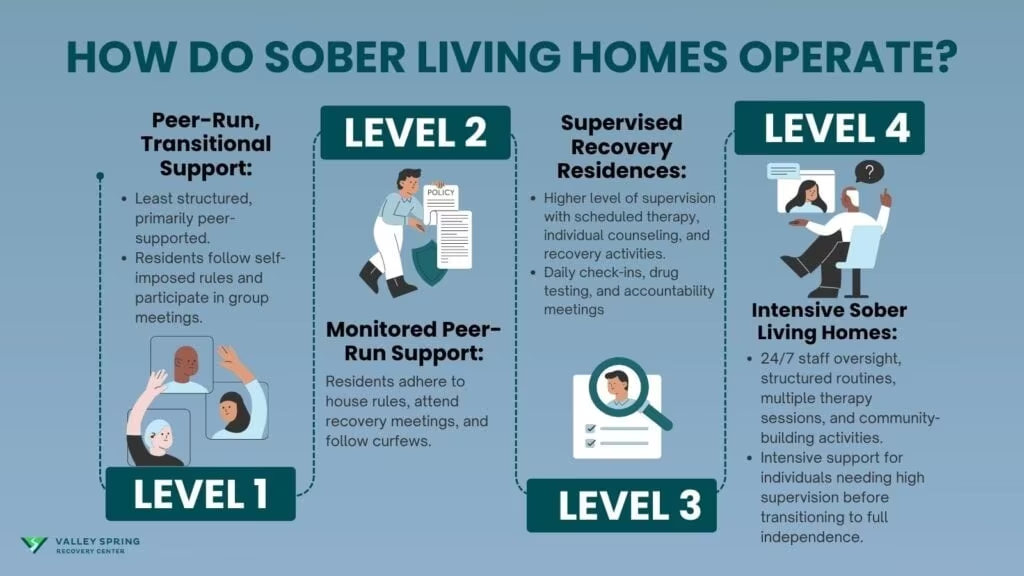
Sober living homes operate differently depending on the level of care and structure provided. The National Alliance for Recovery Residences (NARR) classifies sober living homes into four distinct levels, each offering varying degrees of support, supervision, and accountability. These levels are designed to meet the diverse needs of individuals in recovery, from those who are newly sober to those who are more independent but still seeking community support.
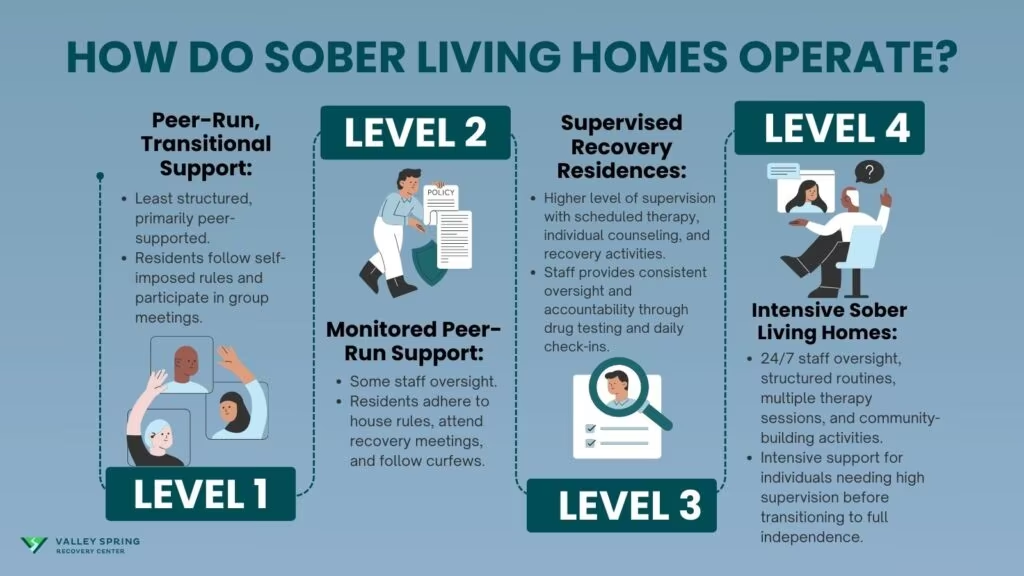
- Level 1 – Peer-Run, Transitional Support: These homes are the least structured and operate primarily through peer support. Residents are encouraged to maintain sobriety while managing their daily responsibilities with minimal supervision. The daily operations involve residents participating in group meetings, completing chores, and attending therapy or recovery activities. Staff members, if present, are in roles of oversight rather than direct intervention. Accountability is fostered through regular check-ins and the peer-driven support system, which encourages residents to help and hold each other responsible.
- Level 2 – Monitored Peer-Run Support: Level 2 homes are more structured than Level 1 but still rely heavily on peer support. These homes have staff members who oversee the residents’ adherence to house rules, ensuring that they follow curfews, attend meetings, and refrain from substance use. Staff conduct regular drug testing, provide coaching on life skills, and facilitate group sessions to encourage recovery. Accountability is emphasized through scheduled check-ins, house meetings, and regular evaluations of progress, with residents being held responsible for their behavior by both staff and peers.
- Level 3 – Supervised Recovery Residences: At Level 3, sober living homes provide a higher level of supervision. These homes have a more structured daily routine, including mandatory attendance at support groups, individual therapy, and recovery meetings. The staff is more involved in day-to-day operations, with house managers or sober coaches providing consistent oversight, monitoring behavior, and facilitating recovery activities. Accountability is reinforced through a more formalized structure, with residents being required to follow strict rules and regulations. Daily check-ins, drug testing, and accountability meetings help residents maintain their sobriety while working on personal development.
- Level 4 – Intensive Sober Living Homes: Level 4 homes provide the highest level of supervision and support, offering 24/7 staff oversight. These homes are designed for individuals who require intensive care and supervision as they transition into a fully independent life. Daily operations include structured routines with multiple recovery sessions, therapeutic interventions, life skills training, and community-building activities. Staff members are deeply involved in managing both the operational and therapeutic aspects of the home. Accountability is a key focus, with regular monitoring, individual counseling sessions, and rigorous adherence to house rules to ensure that residents stay committed to their recovery.
What Are the Rules of Sober Living Homes?
The rules of sober living homes are designed to create a substance-free, accountable, and supportive environment for residents. These homes enforce strict rules to ensure that individuals in recovery focus on their healing without distractions or temptations. The rules aim to maintain structure and consistency, which are key to successful long-term sobriety.
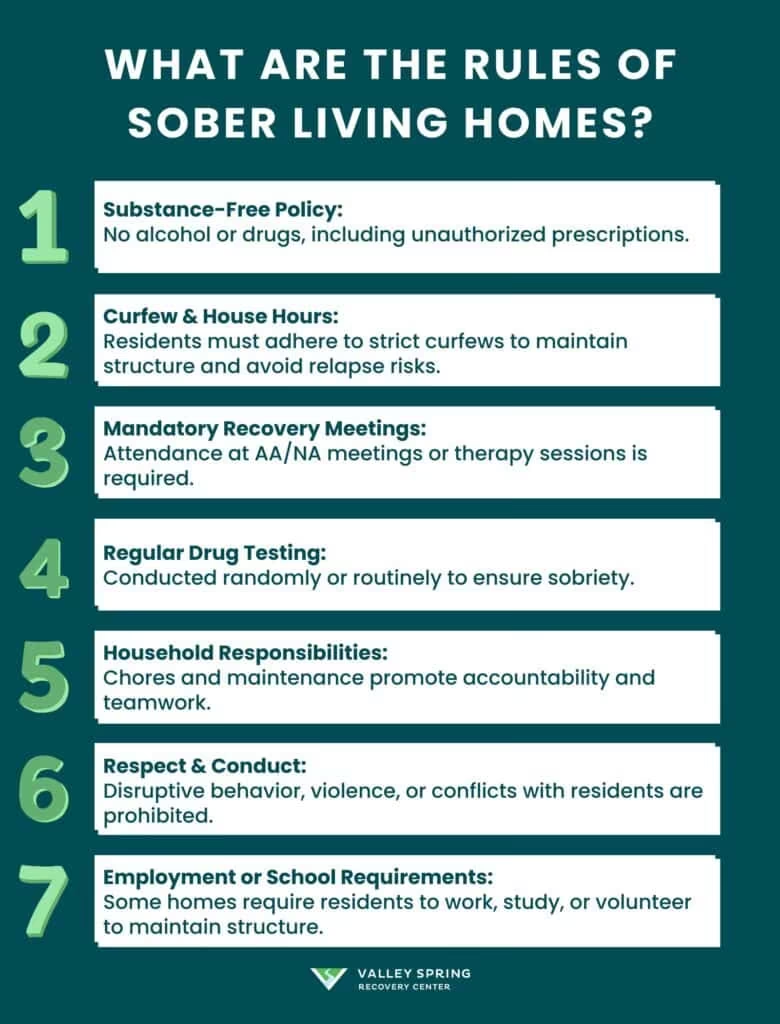
The rules of sober living homes are:
- Substance-Free Policy: All sober living homes enforce a strict ban on alcohol and drugs. The use of any substances, including prescription drugs that are not medically prescribed or monitored, is strictly prohibited. This rule is the foundation of sober living, ensuring a safe, drug-free environment where residents focus entirely on their recovery.
- Curfew and House Hours: Curfews are commonly set to ensure residents stay committed to their recovery and avoid risky situations during late hours. The specific curfew time varies depending on the level of the sober living home, but it is enforced to maintain structure and accountability. Failure to comply with curfews results in disciplinary action or even removal from the residence.
- Mandatory Participation in Recovery Meetings: Residents are usually required to attend a set number of meetings each week, such as those organized by Alcoholics Anonymous (AA), Narcotics Anonymous (NA), or other recovery programs. This participation helps residents stay connected to their recovery community, reinforcing their commitment to sobriety and providing emotional and social support.
- Regular Drug Testing: To ensure that residents are staying sober, many sober living homes conduct random or scheduled drug tests. Testing serves as an accountability measure, helping residents stay mindful of their actions and their commitment to recovery. Failure to pass a drug test results in eviction or a requirement for additional treatment.
- Chores and House Responsibilities: Residents are required to participate in daily chores and contribute to the upkeep of the home. These responsibilities promote accountability and foster a sense of community. By taking care of the shared living space, residents gain valuable life skills and are reminded of their role in maintaining a positive environment.
- Respect for House Rules and Fellow Residents: Mutual respect is paramount in sober living homes. All residents are expected to follow the house rules, which include restrictions on disruptive behavior or conflicts with other residents. A peaceful, cooperative living environment is important for everyone’s well-being and progress in recovery.
- Employment or School Requirements: Some sober living homes require residents to be employed, attending school, or engaged in volunteer work. This encourages independence and personal responsibility, as well as helping residents reintegrate into society while maintaining a stable routine.
What Is the Daily Routine in a Sober Living Home?
The daily routine in a sober living home is designed to provide structure, foster accountability, and support residents' recovery by incorporating basic activities like chores, therapy, and meetings. These routines help individuals stay focused on their sobriety while building healthy habits and life skills. Each day is structured to balance personal growth, community involvement, and the development of a stable lifestyle.
A typical day in a sober living home starts with morning routines, including breakfast and a meeting or check-in session to discuss progress, goals, and any challenges. Residents are required to attend recovery meetings, such as those organized by AA or NA, either in the morning or throughout the day. These meetings serve as key opportunities for personal reflection and group support.
After meetings, residents spend time completing their daily chores, which include tasks like cleaning common areas, preparing meals, or maintaining the house. Chores are an important part of the routine, helping residents practice responsibility, teamwork, and structure while contributing to a positive environment. In addition to these daily responsibilities, therapy sessions or individual counseling are scheduled, offering residents the chance to work on personal issues, triggers, or relapse prevention strategies.
Throughout the day, there are additional check-ins or group discussions, where residents share their progress, discuss their experiences, and support each other in their recovery journey. Evening activities include another group meeting, individual time for reflection, or recreational activities that promote healthy living. By maintaining this consistent, structured routine, sober living homes help residents stay committed to their recovery while preparing them for independent, sober living outside the facility.
How Are Co-occurring Mental Health Disorders Managed in Sober Living Homes?
Co-occurring mental health disorders are managed in sober living homes through a combination of structured support, access to mental health services, peer support, and skill development programs. These strategies ensure that residents receive the care they need while maintaining their sobriety, helping them build stability and long-term wellness. Sober living homes provide an integrated approach that addresses both addiction recovery and mental health needs to promote overall healing. According to SAMHSA, in the United States, approximately 21.5 million adults have a co-occurring disorder, and up to 45% of adolescents and young adults with mental health disorders also have a substance use disorder.
The strategies employed to manage co-occurring mental health disorders in sober living homes are:
- Access to Mental Health Services: Many sober living homes collaborate with mental health professionals, such as therapists, counselors, and psychiatrists, to ensure residents receive appropriate treatment. This includes individual or group therapy, medication management, and psychiatric evaluations. By integrating mental health care into their recovery process, residents effectively manage conditions like depression, anxiety, PTSD, or bipolar disorder alongside their addiction recovery.
- Peer Support System: A strong peer support network is important in sober living homes, as residents share their experiences, offer encouragement, and hold each other accountable. Peer-led meetings, support groups, and one-on-one mentorship help individuals with co-occurring disorders feel understood and supported in a safe environment. This system reduces isolation, builds self-esteem, and reinforces the importance of both sobriety and mental wellness.
- Skill Development Programs: Sober living homes provide life skills training to help residents develop coping mechanisms, emotional regulation techniques, and stress management strategies. These programs include job readiness training, financial literacy education, communication skills workshops, and mindfulness exercises. Learning these skills equips residents with the tools they need to manage their mental health effectively and maintain long-term stability.
What Types of Recovery Programs Are Offered in Sober Living Homes?
The types of recovery programs that are offered in sober living homes include 12-step meetings, peer support groups, therapy sessions, and alternative holistic approaches. These programs are designed to provide residents with multiple pathways to recovery, ensuring they receive the support and guidance necessary for long-term sobriety.
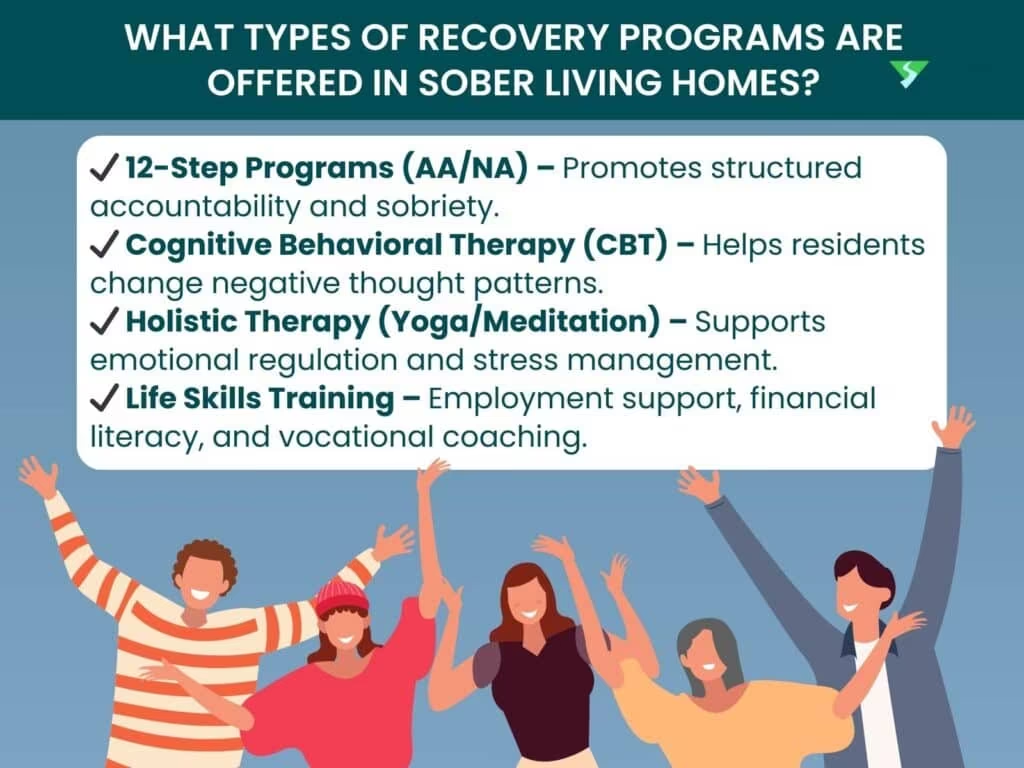
Following are the types of recovery programs offered in sober living homes:
- 12-Step Meetings (AA/NA): Many sober living homes encourage or require attendance at 12-step meetings, such as Alcoholics Anonymous (AA) or Narcotics Anonymous (NA). These programs focus on a structured, step-by-step approach to recovery, emphasizing personal accountability, spiritual growth, and support from peers who have experienced similar struggles. Residents attend meetings both inside and outside the home, helping them stay engaged in the broader recovery community.
- Peer Support Groups: In addition to 12-step programs, sober living homes facilitate peer support groups where residents share their experiences, struggles, and successes in a safe and understanding environment. These groups promote a sense of community, reduce isolation, and provide emotional support, helping individuals navigate challenges in their recovery journey.
- Cognitive Behavioral Therapy (CBT) and Counseling: Some sober living homes offer access to individual or group therapy sessions, particularly using evidence-based methods like Cognitive Behavioral Therapy (CBT). These sessions help residents identify and change negative thought patterns, develop healthier coping mechanisms, and address underlying emotional or psychological issues that contribute to substance use.
- Holistic and Alternative Recovery Approaches: Many sober living homes incorporate holistic recovery methods, such as meditation, yoga, art therapy, and mindfulness practices. These approaches aim to heal the mind, body, and spirit, providing residents with additional tools to manage stress, anxiety, and triggers in a healthy way.
- Life Skills and Vocational Training: Recovery goes beyond abstinence from substances; it also involves rebuilding a stable and independent life. Some sober living homes offer life skills programs that focus on job readiness, financial literacy, time management, and relationship-building skills. These programs help residents prepare for a successful transition back into society.
Can You Visit Someone in a Sober Living Home?
Yes, you can visit someone in a sober living home, but visitation rules vary by facility. Most homes allow visits to support residents’ recovery but enforce strict guidelines to maintain a safe, substance-free environment. Common rules include scheduled visiting hours, pre-approval of visitors, and restrictions on bringing alcohol or drugs. Some homes require visits to take place in common areas rather than private rooms. Guests must follow house rules and respect curfews to ensure they do not disrupt the structured environment.
How Do You Get Into a Sober Living Home?
You get into a sober living home by completing an admission process that includes an application, meeting certain eligibility requirements, and agreeing to house rules. This process ensures that residents are committed to recovery and that the home provides a suitable environment for their needs. While specific requirements vary by facility, most homes follow a structured approach to screening and admitting new residents.
The steps required to get into a sober living home are:
- Research and Choose a Sober Living Home: Start by researching different sober living homes to find one that fits your needs, location preferences, and level of support required. Some homes specialize in specific recovery programs, offer different levels of structure, or provide additional mental health resources.
- Complete the Application: Most sober living homes require an application to assess eligibility. This includes personal details, addiction history, recovery progress, and current health status. Some homes also require proof of completion of a detox or rehabilitation program before acceptance.
- Interview and Assessment: Many sober living homes conduct an interview or assessment to ensure that the individual is a good fit for the community. This process involves discussing personal recovery goals and financial arrangements and understanding the house rules. Staff also evaluate whether the home’s structure aligns with the applicant’s recovery needs.
- Agree to House Rules and Financial Terms: Before moving in, residents must agree to follow house rules, which often include a commitment to sobriety, participation in recovery meetings, and adherence to curfews. Residents must confirm their ability to pay rent or any associated fees, as sober living homes are not free and require financial responsibility.
- Move-In and Orientation: Once accepted, the new resident will go through an orientation process to understand the expectations, meet other residents, and integrate into the home’s daily routine. This step helps individuals adjust to their new environment while reinforcing their commitment to recovery.
How Long Can You Stay in a Sober Living Home?
You can stay in a sober living home for 90 days to 18 months, depending on individual needs, progress in recovery, and the home's policies. While there is no strict time limit, most residents stay long enough to build stability, secure employment, and develop coping skills before transitioning to independent living. Factors influencing the length of stay include personal recovery goals, financial situation, support system availability, and adherence to house rules. Some homes have structured programs with recommended timeframes, while others offer flexible stays based on individual progress.
How Long Do Most People Stay in Sober Living?
Most people stay in sober living homes for 6 to 12 months on average, according to the National Institute on Drug Abuse (NIDA). The ideal length of stay varies, but studies suggest that longer stays improve long-term sobriety outcomes. Many residents transition out once they have secured stable housing, employment, and a strong support network, while others may choose extended stays to reinforce their recovery foundation.
Who Can Benefit from Sober Living Homes?
Individuals benefit from sober living homes who are transitioning from rehab, managing co-occurring mental health disorders, or seeking a structured, supportive environment for long-term recovery. These homes provide a stable, substance-free space where residents focus on rebuilding their lives while maintaining accountability.
People who have recently completed an inpatient rehabilitation program use sober living homes as a transitional step before returning to independent living. Those with co-occurring mental health disorders, such as anxiety, depression, or PTSD, also benefit from structured support and access to recovery resources.
Individuals who lack a stable or sober home environment find these residences important in maintaining their sobriety. Whether someone is new to recovery or has relapsed in the past, sober living homes offer guidance, peer support, and a structured routine to help them achieve lasting success.
Are There Sober Living Options for Specific Demographic Groups?
Yes, there are sober living options for specific demographic groups to provide a more comfortable and supportive recovery environment. These specialized homes address the unique challenges and needs of various populations, ensuring residents receive care that aligns with their backgrounds, identities, and life circumstances.
Examples of sober living options for specific groups are:
- Gender-Specific Sober Living Homes: These homes cater exclusively to men or women, creating a safe space where residents focus on their recovery without distractions or social pressures. Gender-specific homes address issues unique to men’s or women’s experiences with addiction, trauma, and mental health.
- LGBTQ+ Sober Living Homes: Designed for individuals in the LGBTQ+ community, these homes provide a welcoming and inclusive environment where residents heal without fear of discrimination. They offer specialized support for challenges such as coming out, family rejection, and mental health concerns that contribute to substance use.
- Veterans’ Sober Living Homes: These homes serve veterans recovering from addiction, integrating services for PTSD, trauma, and reintegration into civilian life. Many provide access to VA resources, mental health counseling, and peer support from fellow veterans who understand their experiences.
- Young Adult Sober Living Homes: Targeting individuals in their late teens and early twenties, these homes provide a structured, age-appropriate environment focused on education, career development, and independent living skills. They help young adults transition into sober adulthood while maintaining a strong peer support system.
- Sober Living Homes for Families with Children: Some homes accommodate parents in recovery who require a stable living environment for their children. These homes often provide parenting support, childcare resources, and family-focused recovery programs to help parents rebuild their lives while maintaining their sobriety.
Are Sober Living Homes Suitable for Everyone?
No, sober living homes are not suitable for everyone. They are designed for individuals committed to recovery and willing to follow structured rules. Those who require medical detox, intensive mental health care, or 24/7 supervision need inpatient treatment instead. Individuals unwilling to adhere to sobriety, house rules, or community responsibilities struggle in this environment. Sober-living homes are best suited for individuals who are stable enough to live semi-independently while continuing their recovery journey.
What Are the Benefits of Sober Living Homes?
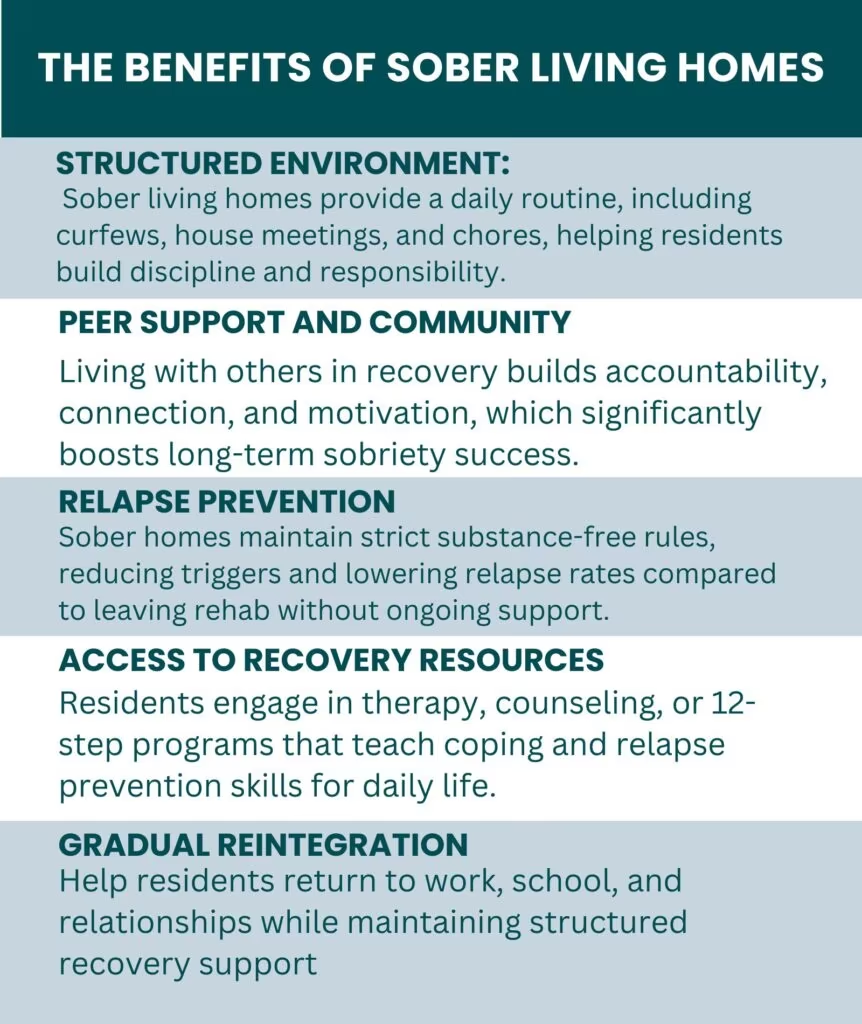
The benefits of sober living homes are providing a structured environment, peer support, and relapse prevention, which help individuals maintain long-term sobriety. These homes serve as a necessary transition between rehab and independent living, offering stability and accountability. Individuals who transition directly from rehab to independent living face higher relapse rates than those who stay in sober living homes, where ongoing support significantly improves recovery outcomes.
The benefits of sober living homes are:
- Structured Environment: Sober living homes provide a daily routine, including curfews, house meetings, and chores, helping residents build discipline and responsibility. This structure reduces the likelihood of relapse by reinforcing positive habits and promoting a healthy lifestyle, as studied by Islam MF, Guerrero M, Nguyen RL, Porcaro A, Cummings C, Stevens E, Kang A, and Jason LA. et al. 2023, titled “The Importance of Social Support in Recovery Populations: Toward a Multilevel Understanding.”
- Peer Support and Community: Residents live alongside others in recovery, fostering a sense of camaraderie and accountability. According to the National Institute on Drug Abuse (NIDA), strong social support networks significantly improve recovery success rates, reducing isolation and increasing motivation to stay sober.
- Relapse Prevention: Sober living homes enforce a drug- and alcohol-free environment, minimizing exposure to triggers. Research by Mericle AA, Slaymaker V, Gliske K, Ngo Q, Subbaraman MS. et al. 2022, titled “The role of recovery housing during outpatient substance use treatment,” indicates that individuals who transition directly from rehab without sober living support face relapse rates as high as 60%, whereas those utilizing sober living homes have significantly lower relapse rates due to continuous guidance and structured support.
- Access to Recovery Resources: Many homes require or encourage participation in 12-step meetings, therapy, or counseling. These ongoing recovery programs provide the necessary tools for managing cravings, coping with stress, and preventing relapse in real-world situations.
- Gradual Reintegration into Society: Unlike rehab, sober living homes allow residents to work, attend school, or rebuild relationships while still receiving recovery support. This gradual transition helps individuals regain independence and financial stability without the immediate pressures of returning to an unstructured environment.
What Are the Success Rates of Sober Living Homes?
Six-month abstinence among sober living house residents rose from 19 percent at entry to 43.1 percent at 18 months, and arrests fell from 42 percent to 28 percent over the same period. Polcin, Douglas L., Korcha, Rachael, Bond, Jason and Galloway, Gantt followed 245 residents across 16 freestanding houses in Sacramento County, California and published those figures in the Journal of Substance Abuse Treatment, volume 38, pages 356 to 365, 2010.
| Measure | At entry | 6 months | 12 months | 18 months |
| Abstinent from alcohol and drugs for 6 months | 19% | 39% | 49.1% | 43.1% |
| Arrested at least once in the previous 6 months | 42% | 26% | - | 28% |
| Still living in the sober living house | 100% | 42% | 18% | 16% |
The bottom row is what makes the rest of the table readable. By 18 months only 16 percent were still living in a house, so the 43.1 percent describes people who had largely moved on — which is the intended outcome of transitional housing, and also the reason no honest version of these numbers is a single success rate for sober living itself.
Length of stay is the factor the literature returns to most consistently: residents who stay longer tend to do better, which is why a house with a minimum expected stay is not simply imposing a rule. Involvement in a 12-step group predicted fewer arrests and lower substance use in the same study, and the amount of substance use in a resident's social network predicted nearly every outcome measured.
Treat any single percentage attached to sober living with caution. A figure quoted without its study design says nothing about how long it followed people, whether it counted those who left early, or what it treated as success — and the published figures show how much the answer moves depending on which question is asked. Valley Spring Recovery Center publishes no success rate of its own for any level of care.
What Are the Pros and Cons of Sober Living Homes?
The pros and cons of sober living homes are the benefits of structure, support, and accountability versus challenges like cost and strict rules. These homes offer a safe, substance-free environment to help individuals maintain sobriety after rehab, but the cost and rigid expectations are difficult for some.
The pros and cons of sober living homes are:
| Pros | Cons |
| Structure: Provides a daily routine that helps residents stay disciplined and focused on their recovery. | Cost: Many sober living homes require rent or fees, which are a financial burden for some individuals. |
| Peer Support: Living with others in recovery fosters accountability and offers emotional support. | Rules and Regulations: Strict curfews, attendance requirements, and restrictions on visitors or alcohol use feel restrictive for some. |
| Relapse Prevention: Creates a drug- and alcohol-free environment, reducing the likelihood of relapse. | Limited Privacy: Shared living spaces and supervision limit privacy and personal space. |
| Gradual Reintegration: Residents ease back into daily life, including work or education, while receiving ongoing support. | Eligibility Requirements: Some sober living homes have strict admission requirements or exclude certain individuals based on their needs. |
What Happens After Leaving a Sober Living Home?
After leaving a sober living home, individuals transition into independent living, but they continue to rely on aftercare, ongoing support, and relapse prevention strategies to maintain their sobriety. Many people stay connected with recovery groups, attend therapy, and utilize support networks like family or sober friends to help navigate the challenges of daily life. Relapse prevention is important during this time, and individuals are encouraged to maintain a routine of healthy habits, engage in sober social activities, and stay accountable to a support system. Transition plans include securing stable housing, employment, or further education and seeking additional support through outpatient therapy or 12-step meetings. According to a study by the National Institute on Drug Abuse, 40-60% of people who receive addiction treatment will relapse at some point. And according to Journal of Psychoactive Drugs, titled “Outcomes Among Sober Living House Residents Who Relapse,” 55% of sober living house residents maintain their sobriety.
How to Choose the Right Sober Living Home?
To choose the right sober living home, it’s important to consider factors like location, cost, available services, and the home’s accreditation. Finding a home that aligns with your specific recovery needs will help ensure long-term success. It’s also important to visit the homes, meet staff members, and understand the rules and expectations to ensure they match your personal goals and lifestyle.
The checklist for choosing the right sober living home is:
- Location: Consider homes that are conveniently located near your support network, work, or school. Proximity to recovery meetings or therapy centers is also important for maintaining your recovery.
- Cost: Understand the financial requirements of each home, including rent, deposits, and any additional fees. Check if insurance or financial assistance options are available to help cover costs.
- Services Offered: Evaluate the services provided, such as access to therapy, life skills programs, job placement assistance, or recovery meetings. The more comprehensive the support, the better equipped you will be for successful long-term recovery.
- Accreditation and Licensing: Ensure the sober living home is accredited by a reputable organization like the National Alliance for Recovery Residences (NARR) or another local body. This ensures the home meets high standards for safety, care, and treatment.
- House Rules and Structure: Review the home's rules, such as curfews, substance-free policies, and participation requirements. Make sure the structure and rules align with your recovery needs and comfort level.
- Peer Support: Consider homes that promote a strong sense of community and accountability among residents. Peer support is a powerful tool in maintaining sobriety and dealing with challenges.
What Questions Should You Ask When Evaluating a Sober Living Home?
When evaluating a sober living home, you should ask questions to ensure the home aligns with your recovery goals, provides adequate support, and maintains a safe, structured environment. These questions will help you gather essential information about the rules, programs, and overall atmosphere, enabling you to make an informed decision.
When evaluating a sober living home, ask:
- What are the house rules and expectations?: It’s important to understand the specific rules, such as curfews, substance-free policies, and participation in meetings or chores. Clarify any restrictions on visitors, including the duration of their stay. Ensuring these rules align with your needs and comfort level will help set the right expectations for your stay.
- What kind of support does the home provide?: Ask about the support services offered, such as access to therapy, 12-step meetings, job placement programs, or life skills training. These services significantly enhance your recovery by providing ongoing assistance and resources as you transition back to independent living.
- Who is responsible for managing the home, and what is their experience?: Inquire about the staff's qualifications and experience in addiction recovery. Are they licensed professionals or peer-support staff with lived experience? Understanding the level of expertise helps ensure that you receive the right guidance and support during your stay.
- How do you handle emergencies or crises?: Safety is a top priority in sober living homes. Ask about their procedures for handling emergencies, such as medical issues, relapses, or conflicts among residents. Knowing that clear plans are in place for crisis management will give you confidence in the home's ability to support you through difficult situations.
- What is the process for moving out or transitioning?: Understand the policies regarding the end of your stay. Is there a clear process for transitioning to independent living, or is it possible to stay as long as needed? Knowing the expectations for moving out and the potential for ongoing support after leaving will help you plan your recovery path.
- How do you ensure a safe and substance-free environment? Safety protocols, such as drug testing, supervision, and policies for dealing with relapses, are required. Ask how the home ensures that all residents remain in a substance-free environment and how they handle situations if someone relapses.
If you are completing treatment in New Jersey, Valley Spring Recovery Center offers sober living home referrals in New Jersey through its network of vetted local recovery residences.
How Much Does Sober Living Cost?
Sober living costs range from $500 to $2,500 per month, depending on the location, services offered, and the level of care provided. For example, a basic sober living home in a more rural area costs approximately $500 per month, while homes in urban centers or those offering additional services, such as therapy and job assistance, can exceed $2,000 per month. Pricing also varies by state; see sober living costs in New Jersey for what drives NJ costs and how to verify a certified home.
According to the National Institute on Drug Abuse (NIDA) and various addiction treatment industry reports, the cost of sober living is influenced by factors such as the location of the home, the amenities provided, and whether the home is part of a larger treatment facility offering additional support programs. Other considerations include whether the home is gender-specific, offers 24/7 supervision, or provides access to mental health and medical services, which raises the price. Some insurance plans cover part of the cost, but individuals should confirm coverage with their provider.
Who Pays for Sober Living Homes?
Individuals pay for sober living homes out-of-pocket, though there are various payment options. Many residents use personal savings or income to cover the cost, while others qualify for insurance coverage through private health plans, Medicaid, or other state-funded programs. Some sober living homes also offer financial assistance or sliding scale fees based on a person’s financial situation. It's essential to verify with individual homes about their payment policies, as some may accept insurance or offer payment plans to make sober living more accessible.
Does Insurance Cover Sober Living Homes?
No, insurance does not cover sober living homes. Insurance covers inpatient treatment and outpatient rehab programs, but sober living homes are considered a separate, non-medical service. Some individuals can use insurance to cover other recovery-related services, such as therapy or counseling, which complement their time in a sober living program. Alternative payment options include using personal savings, applying for state funding or financial assistance programs, or setting up payment plans directly with sober living homes. Some sober living homes offer sliding scale fees based on an individual's financial situation.
Are There Government or State Programs That Fund Sober Living Homes?
Yes, there are government and state programs that help fund sober living homes. Medicaid covers certain recovery services, such as outpatient treatment, that complement time spent in sober living homes. These programs are designed to provide financial support for individuals in recovery, making sober living more accessible. While not all sober living homes directly accept government funding, many are affiliated with treatment centers that access these resources to help residents cover costs.
Are There Any Alternatives For Sober Living?
Yes, several alternatives to sober living homes offer support for individuals in recovery. These options offer varying levels of care and structure, tailored to meet the individual's specific needs. Some alternatives are more suitable for those who do not require the same level of supervision or support offered in sober living homes.
The alternatives to sober living are:
- Outpatient Programs: These programs provide treatment and counseling while allowing individuals to continue living at home. They involve therapy sessions, group counseling, and medical support, but without the residential aspect of sober living homes.
- Halfway Houses: Similar to sober living homes, halfway houses provide a structured environment but with fewer rules and regulations. They are designed to help individuals transition from inpatient rehabilitation to independent living.
- Oxford Houses: A network of sober living homes democratically run by their residents, Oxford Houses provide a peer-supported, substance-free environment for individuals in recovery. They offer less structure than some other sober living homes but focus heavily on accountability and self-management.
- Community Support Groups: While not a residential option, community support groups like Alcoholics Anonymous (AA) or Narcotics Anonymous (NA) offer ongoing peer support, fellowship, and resources for maintaining sobriety. These groups are a valuable supplement to any living situation.
The types of transitional housing and recovery residences comparison sets sober living houses, halfway houses, and Oxford houses side by side.
What Is the Difference Between a Halfway House and Sober Living?
The main difference between a halfway house and sober living is that halfway houses are a more structured and regulated environment aimed at individuals transitioning out of prison or a rehabilitation program, while sober living homes focus more on providing a supportive, substance-free environment for individuals in recovery, with less emphasis on formal supervision. Halfway houses have stricter rules and are sometimes state-run or court-ordered, while sober living homes provide more autonomy and flexibility for residents.
The difference between a halfway house and sober living is:
| Feature | Halfway House | Sober Living |
| Purpose | Transition for individuals exiting prisons or rehab programs | Support for individuals in recovery from addiction |
| Eligibility | Requires individuals to have completed a rehab program or prison sentence | Available to anyone in recovery from addiction |
| Regulation | More regulated by local or state authorities, court-ordered | Less regulated, but follow standards like NARR |
| Rules | Stricter rules and supervision include curfews, drug testing, and mandatory meetings | More flexible rules with a focus on accountability, no curfew in many homes |
| Duration of Stay | Shorter-term, 3 to 6 months | Range from a few months to over a year, depending on needs |
| Programs Offered | Focuses on reintegration, therapy, and vocational training | Emphasizes sober living, peer support, and 12-step programs |
| Cost | Subsidized or state-funded, lower cost | Varies, usually privately funded, and are more expensive |
| Focus | Reintegration and preparation for independent living | Long-term recovery maintenance and Sobriety |
| Examples of Residents | Recently released individuals from prison or rehab | Individuals in recovery from substance abuse |
| Environment | More structured with formal staff supervision | More independent, often peer-run, with informal supervision |
What Is the Difference Between Rehab and Sober Living?
The main difference between rehab and sober living is that rehab is a structured treatment program designed to help individuals overcome addiction through intensive therapy and medical care, while sober living provides a less formal, supportive environment for those who have completed rehab, focusing on maintaining sobriety and reintegrating into everyday life.
The difference between rehab and sober living is:
| Feature | Rehab | Sober Living |
| Primary Goal | Medical stabilization and detox | Long-term accountability and reintegration |
| Environment | Clinical, supervised | Peer-run or lightly supervised |
| Length of Stay | Short-term (30-90 days) | Medium to long-term (3-12 months) |
| Treatment Services | Includes therapy, medication, and detox | No formal treatment, but required support group attendance |
| Cost | Covered by insurance in most cases | Out-of-pocket or sliding scale |
| Rules & Structure | Strict schedule with full-time care | Daily routines with personal responsibility |
| Peer Interaction | Limited | High, based on community living |
Rehab involves inpatient or outpatient programs that offer a high level of care, including detoxification, individual and group therapy, medical supervision, and support for co-occurring mental health issues. Its primary focus is on addressing the root causes of addiction and helping individuals build coping mechanisms for long-term recovery. The duration of rehab programs varies, but they usually last from 30 days to several months, depending on the severity of the addiction.
In contrast, sober living homes are designed to provide a stable, substance-free environment after rehab, where individuals continue their recovery journey with less intensive supervision. The focus is on offering structure and peer support to help residents maintain sobriety while gaining independence. The length of stay in sober living homes is more flexible and lasts anywhere from a few months to a year or more. While sober living homes provide some support, they do not offer the same level of medical care or therapy as rehab centers.
Sources & References4ShowHide
- Polcin DL, Henderson DM. A Clean and Sober Place to Live: Philosophy, Structure, and Purported Therapeutic Factors in Sober Living Houses. Journal of Psychoactive Drugs, 2008;40(2):153-159 — Descriptive source for the philosophy, structure and purported therapeutic factors of sober living houses. It does NOT report a success rate; a 60 to 80 percent figure was previously attributed to this paper on this page and has been removed.
- Polcin DL, Korcha R, Bond J, Galloway G. Sober Living Houses for Alcohol and Drug Dependence: 18-Month Outcomes. Journal of Substance Abuse Treatment, 2010;38(4):356-365 — Source of every figure in the outcomes table: 245 residents across 16 freestanding houses in Sacramento County, 6-month abstinence of 19% at entry rising to 39% at 6 months, 49.1% at 12 and 43.1% at 18; arrests in the previous 6 months falling from 42% to 26% at 6 months and 28% at 18; and residency of 42%, 18% and 16% at those points. Also the source of the 12-step involvement and social-network findings.
- National Alliance for Recovery Residences. NARR Standard and the four levels of recovery residence — Source for the four-level classification distinguishing peer-run from clinically supervised residences, and for the certification that separates a standards-based house from an unregulated one.
- SAMHSA. Best Practices for Recovery Housing, Publication PEP23-10-00-002, 2023 — Federal guidance on recovery housing operation, resident rights and the distinction between recovery housing and treatment.