

Bipolar disorder, also known as manic depression, is a mental health condition that is characterized by extreme shifts in mood including emotional highs (mania) and lows (depression). These shifts in mood can severely impact a person’s ability to function in daily life.
The types of bipolar disorder include bipolar I disorder, bipolar II disorder, cyclothymic disorder, and other specified and unspecified bipolar and related disorders.
The signs and symptoms of bipolar disorder include rapid cycling, hypomanic episodes, depressive episodes, mixed episodes, and rapid cycling.
Effects of bipolar disorder include thyroid issues, obesity, substance abuse, and cardiovascular problems.
Treatment options for bipolar disorder include medication, psychotherapy, electroconvulsive therapy (ECT), lifestyle, and self-management strategies.
What is Bipolar Disorder?
Bipolar disorder is a serious mental health condition where a person experiences extreme mood swings. These mood swings can range from emotional highs to lows. This has a severe impact on how a person feels, behaves, and functions in daily life routines.
According to the Diagnostic and Statistical Manual of Mental Disorders (DSM-5), there are 2 main classifications of bipolar disorder including bipolar disorder-I, and bipolar disorder - II. Diagnosis involves the presence of manic, hypomanic, or major depressive episodes. For Bipolar -I, at least one manic episode must be present. However, for bipolar II, at least one hypomanic and one depressive episode.
As per the National Institute of Health (NIH), an estimated number of almost 2.8% of adults in the United States annually suffer from the symptoms of Bipolar Disorder.
What are the types of Bipolar Disorder?
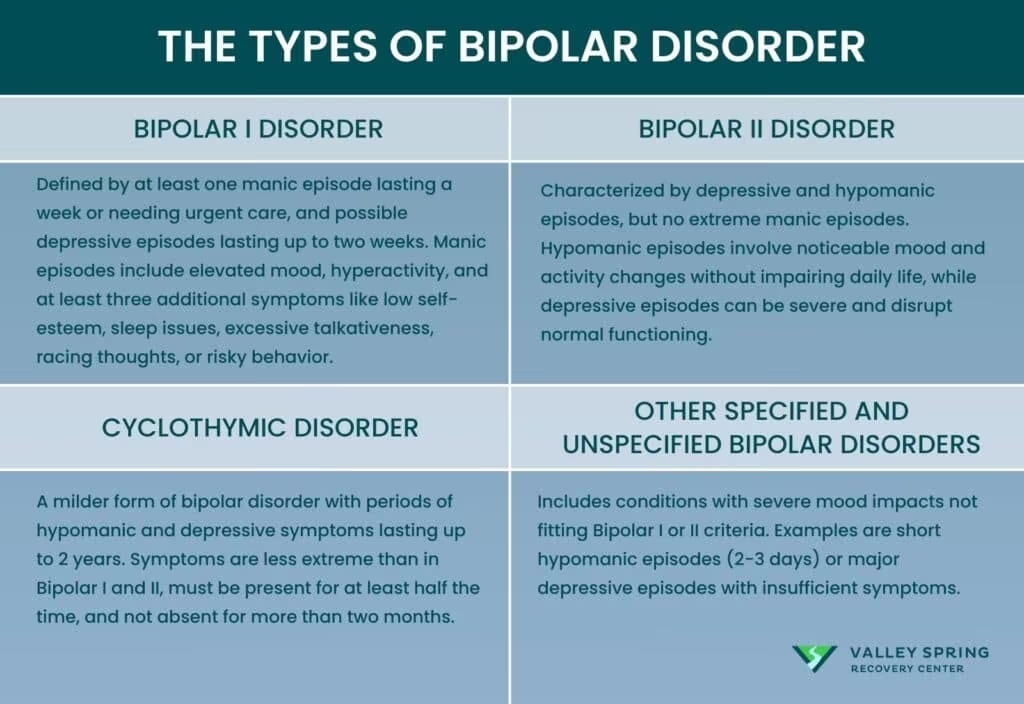
The types of bipolar disorder include bipolar I disorder, bipolar II disorder, cyclothymic disorder, and other specified and unspecified bipolar and related disorders.
These common types of bipolar disorder are mentioned below:
Bipolar I disorder:
Bipolar I disorder is characterized by the presence of at least 1 manic episode that lasts up to a week minimum or it gets so intense that immediate care is required. Depressive episodes can occur as well and can last up to two weeks. As per NIMH, The manic episode in this form of bipolar disorder includes elevated or irritable mood, hyperactivity, and at least three additional symptoms like low self-esteem, sleep disturbances, being more talkative, racing thoughts, or involvement in activities that can have painful consequences.
Bipolar II disorder:
Bipolar II disorder involves the presence of a pattern of depressive and hypomanic episodes, but not extreme manic episodes that are common in Bipolar I disorder. Hypomanic episodes involve elevated mood and activity levels that can be noticed by others but it’s not too extreme as to cause any impairment in daily routine. However, the depressive episodes on the other hand can turn out to be severe and can cause disruptions in normal functioning.
Cyclothymic disorder:
Cyclothymic disorder or cyclothymia is a form of bipolar disorder including periods of hypomanic symptoms and periods of depressive symptoms that can last up to 2 years. However, the symptoms of both, hypomanic episodes and depressive episodes do not meet the full criteria for the diagnoses of each. According to the NHS, the symptoms and mood swings experienced by people with cyclothymia are less extreme than those experienced by people with bipolar disorder I and II. Symptoms must be present half the time and not be absent for more than two months at a time.
Other specified and unspecified bipolar and related disorders:
This form of bipolar disorder includes conditions that do not fit the criteria for bipolar disorder I and II. However, it has severe mood impacts. These disorders are specified when the mental health professional communicates and addresses the root cause for conditions and it does not match the criteria for other bipolar disorders. Some examples include short-duration hypomanic episodes (2-3 days) major depressive episodes, and hypomanic episodes with insufficient symptoms.
What Are the Signs and Symptoms of Bipolar Disorder?
The signs and symptoms of bipolar disorder include extreme mood swings between mania (high energy, euphoria) and depression (low mood, fatigue). During manic episodes, people may feel energetic and impulsive. During depressive episodes, they experience deep sadness and low energy. Some people have mixed episodes with both high and low symptoms at once.
Common signs and symptoms of bipolar disorder are listed below:
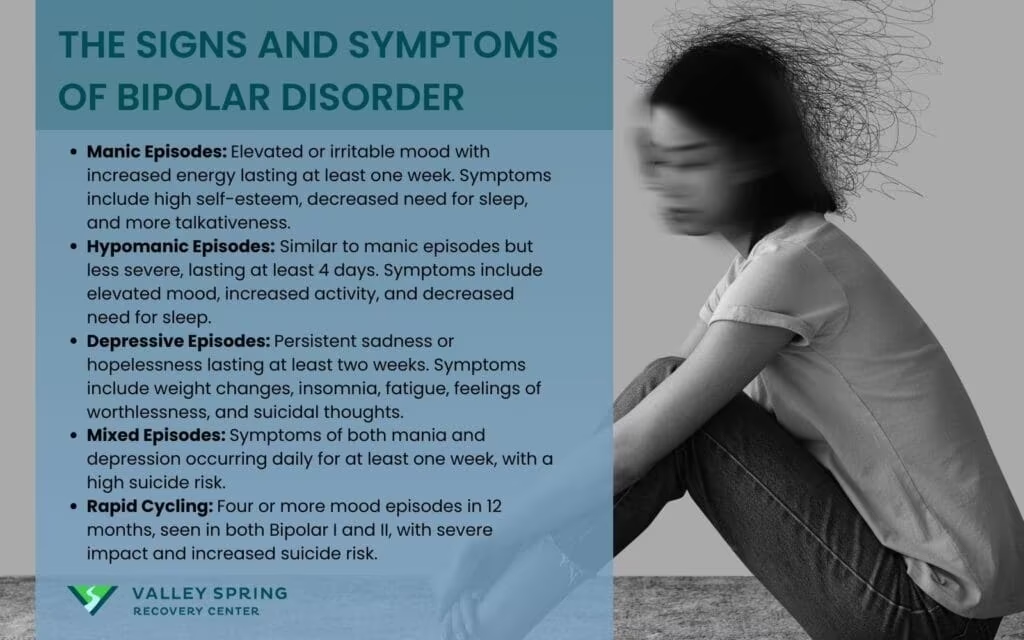
- Manic episodes: A manic episode is a distinct duration of elevated or irritable mood. It includes the presence of more goal-oriented activities and high levels of energy which must last at least one week. As per the NHS, during a manic episode, individuals might experience high levels of self-esteem, less need for sleep, and be more talkative than usual.
- Hypomanic episodes: Hypomanic episodes are similar to manic episodes but the symptoms are less in severity and last for at least 4 consecutive days. Based on research by Science Direct, symptoms of hypomania include elevated mood, increased activity, decreased need for sleep, and being more talkative than usual.
- Depressive episodes: A depressive episode includes a persistent feeling of sadness and hopelessness lasting at least two weeks. As per NHS, symptoms can include depressed mood, major weight loss or gain, insomnia, fatigue, loss of energy, feelings of worthlessness and guilt, and recurring thoughts of suicide and death.
- Mixed episodes: Mixed episodes involve symptoms of both manic and depressive episodes that happen daily for at least one week. As per NIH, people experiencing mixed episodes might feel very sad and hopeless but at the same time high levels of energy as well. This combination can lead to the risk of suicide.
- Rapid cycling: Rapid cycling includes four or more mood episodes (mania, hypomania, or depression) within a period of 12 months. According to DBS, rapid cycling can occur in both bipolar disorder I and II. It has more severe impairment consequences, suicide risk, and course of illness.
What Are The Symptoms of Bipolar Disorder in Teens?
Symptoms of bipolar disorder in teens include extreme mood swings that alternate between manic (unusually high energy) and depressive episodes. During manic phases, teens may show increased irritability, reduced need for sleep, and risky behaviors. Depressive episodes can involve prolonged sadness, changes in sleep patterns, and difficulty concentrating. During manic episodes, there is heightened energy, less need for sleep, and risk-taking behaviors. Whereas during depressive episodes there are prolonged feelings of sadness and detachment from friends and family.
What Are the Symptoms of Bipolar Disorder in Adults?
The symptoms of bipolar disorder in adults include distinct mood episodes that range from manic and hypomanic to depressive phases. During manic episodes, adults experience severe symptoms such as:
- Excessive energy and activity
- Restlessness and agitation
- Decreased need for sleep
- Racing thoughts and rapid speech
- Impulsive or risky behavior
During depressive episodes, adults show symptoms including:
- Persistent sadness and emptiness
- Hopelessness and worthlessness
- Loss of interest in activities
- Changes in sleep patterns
- Difficulty concentrating
These symptoms typically begin as subtle mood changes that gradually become more intense over time. Early warning signs may include irregular sleep patterns, unusual irritability, and shifts in energy levels.
What Are the Causes of Bipolar Disorder?
The causes of bipolar disorder include hereditary influences from family genetics, chemical imbalances affecting brain neurotransmitters, emotional responses to environmental stressors, and variations in brain structure. These factors can individually or collectively contribute to the development and progression of bipolar disorder.
Some common causes of bipolar disorder are listed below:
- Genetic factors: Bipolar disorder tends to run in families indicating a major genetic component. As per research by UNC, people with a first-degree relative suffering from bipolar disorder are at higher risk of suffering from bipolar disorder.
- Neurochemical factors: Imbalances in neurotransmitters like dopamine, serotonin, and norepinephrine play a significant role in mood regulation. As per NIMH, imbalances associated with the neurotransmitters can have a significant impact on mood swings related to bipolar disorder.
- Environmental factors: Stressful events, trauma, and significant life changes, can trigger bipolar episodes in individuals related to the disorder. Events like the death of a loved one, accidents, or financial problems can act as catalysts within this situation.
- Brain structure and function: Research using brain imaging techniques has identified structural and functional abnormalities in the brains of individuals suffering from bipolar disorder. These abnormalities may affect mood regulation and cognitive functions.
What Are the Risk Factors of Bipolar Disorder?
The risk factors of bipolar disorder include genetic predisposition in family members, exposure to significant life stressors, and struggles with substance use. Additional factors that may contribute to developing this condition are concurrent medical conditions, psychological disorders, and trauma to the brain. For a comprehensive understanding of all potential risk factors and their implications, please refer to the detailed list below.
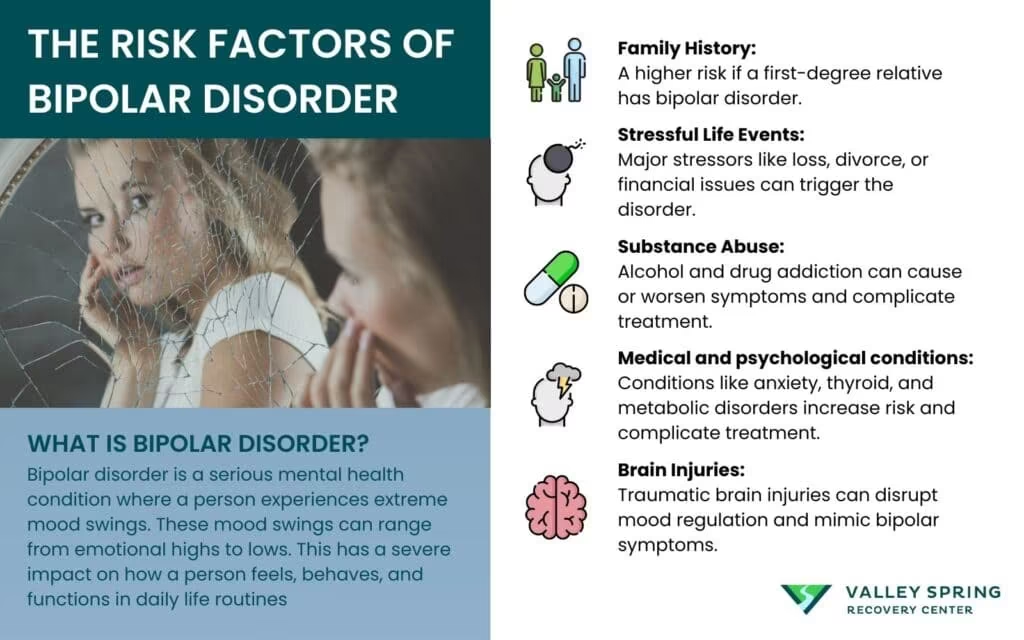
- Family history: Bipolar disorder has a major genetic component. Individuals who have a first-degree relative (parent or sibling) suffering from bipolar disorder are more likely to develop the condition themselves.
- Stressful life events: Experiencing major stressful life events like the death of a loved one,e divorce, or major financial troubles can trigger the onset of bipolar disorder. These stressful events can disrupt the brain’s balance of chemicals and hormones.
- Substance addiction: Substance abuse, including alcohol and drug addiction, can lead to the symptoms of bipolar disorder and might complicate the treatment. Substance use can trigger mood episodes and interfere with medications used to treat bipolar disorder.
- Medical and psychological conditions: Other medical and psychological conditions like anxiety disorders, thyroid conditions, and metabolic disorders can increase the risk of developing bipolar disorder. These conditions can even further complicate the diagnosis and treatment.
- Brain injuries: Traumatic brain injuries (TBI) can alter brain functions and structures, potentially leading to the development of bipolar disorder. TBIs can damage and alter the areas that are required for mood regulation. This in turn results in symptoms that are similar to those of bipolar disorder.
What Are the Effects of Bipolar Disorder?
The effects of bipolar disorder include disrupted thyroid function, increased risk of obesity, higher rates of substance abuse, and severe cardiovascular complications. These health impacts can significantly affect treatment outcomes and quality of life.
Some common effects of bipolar disorder are listed below:
- Thyroid issues: Bipolar disorder is often associated with thyroid dysfunctions, specifically hypothyroidism. This condition can occur as a side effect of lithium, a medication that is used to treat bipolar disorder. It can also happen as a direct result of the disorder. Hypothyroidism can impact mood swings and other symptoms. It further complicates the diagnosis and treatment.
- Obesity: Individuals with bipolar disorder are at higher risk of becoming obese. This is due to several factors including medication side effects, poor dietary habits, and reduced physical activity during depressive episodes. Obesity can lead to further health complications such as diabetes, cardiovascular diseases, and increased mortality rates.
- Substance abuse: Substance abuse is common among people with bipolar disorder, as they may use drugs or alcohol to self-heal and manage their symptoms. However, substance abuse can worsen the course of the disorder. This can lead to more frequent and severe mood episodes making it difficult to treat.
- Cardiovascular problems: Bipolar disorder is associated with an increased risk of cardiovascular diseases. Factors such as obesity, sedentary lifestyle, and side effects of medication can contribute to this risk. Moreover, the stress linked to these mood swings can further lead to the high risk of CVDs.
What Are the Treatment Options for Bipolar Disorder?
Treatment options for bipolar disorder include medication management, psychotherapy approaches, electroconvulsive therapy (ECT), and lifestyle modifications. These comprehensive approaches range from prescribed medications like mood stabilizers and antipsychotics to structured therapeutic sessions and brain stimulation procedures.
Some treatment options for bipolar disorder are listed below:
- Medication: Medications for bipolar disorder include mood stabilizers, antipsychotics, and antidepressants. Mood stabilizers, such as lithium, manage manic and depressive episodes. Antipsychotics address persistent symptoms of mania and depression. Antidepressants treat depressive episodes alongside mood stabilizers. Patients experience treatment effects within a few weeks. Medications effectively manage symptoms and mood swings but pose potential side effects, including weight gain and stomach issues.
- Psychotherapy: Psychotherapy involves sessions with a mental health professional who helps patients understand their condition and develop coping strategies. Cognitive behavioral therapy (CBT) proves effective in managing symptoms, with ongoing benefits observable within a few months. CBT improves patients' quality of life but requires daily sessions and incurs costs.
- Electroconvulsive Therapy (ECT): ECT serves individuals with severe bipolar disorder when other treatments fail. This procedure involves brief electrical stimulation of the brain while the patient remains under anesthesia. Patients observe improvement after a few sessions of ECT. ECT offers quick relief from severe symptoms but may cause side effects, such as short-term memory loss.
- Lifestyle and Self-Management Strategies: Lifestyle changes, including regular exercise, a balanced diet, and adequate sleep, significantly impact mood and overall health. Self-management strategies involve identifying early signs of mood swings and maintaining a consistent daily routine. Recovery progresses gradually through consistent lifestyle changes. While these strategies promote overall well-being, they demand great commitment.
How Is Bipolar Disorder Diagnosed?
Bipolar disorder is diagnosed through a comprehensive evaluation process that begins with a clinical assessment by a mental health professional. During this evaluation, the specialist gathers detailed information about the patient's medical history, mood patterns, behavioral changes, and family history of mental health conditions.
Mental health providers use standardized rating scales and questionnaires to document and track mood episodes and associated symptoms over time. To ensure accurate diagnosis, healthcare providers also perform physical examinations and laboratory tests to exclude other medical conditions that may mimic bipolar disorder symptoms.
What Are the Co-Occurring Conditions of Bipolar Disorder?
Co-occurring conditions with bipolar disorder include attention-deficit/hyperactivity disorder (ADHD), anxiety, eating disorders, drug addiction, and social phobia.
Some co-occurring conditions with bipolar disorder are listed below:
- Attention-deficit/hyperactivity disorder (ADHD): ADHD features lack of attention, hyperactivity, and impulsivity. Symptoms of ADHD, such as inattention and impulsivity, often overlap with those of bipolar disorder.
- Anxiety disorders: Anxiety disorders, including generalized anxiety disorder (GAD), panic disorder, and social anxiety disorder, involve excessive worry and fear. Anxiety can intensify during manic and depressive episodes, complicating treatment.
- Eating disorders: Eating disorders like anorexia nervosa, bulimia nervosa, and binge-eating disorder involve severe disturbances in eating behaviors and body image. Individuals with bipolar disorder face a higher risk of developing eating disorders. Mood fluctuations in bipolar disorder contribute to disordered eating patterns.
- Substance use disorder: Substance use disorder involves the misuse of alcohol and drugs, leading to significant distress. Individuals with bipolar disorder may misuse substances to self-medicate, which can exacerbate symptoms and hinder treatment.
- Social phobia: Social phobia entails an intense fear of social situations and judgment from others. This condition frequently occurs in individuals with bipolar disorder and can limit interactions with support systems, reducing healing opportunities.
What Is the Relationship Between Bipolar Disorder and Posttraumatic Stress Disorder (ptsd)?
The relationship between bipolar disorder and posttraumatic stress disorder (PTSD) is characterized by frequent co-occurrence, with bipolar patients having a significantly higher risk of developing PTSD compared to the general population. This connection is particularly evident during manic episodes, which can increase vulnerability to trauma and subsequent PTSD.
While distinct conditions, they can interact and complicate each other - bipolar disorder involves mood episodes of mania and depression, whereas trauma response and flashbacks characterize PTSD. The presence of either condition can intensify the symptoms of the other, making comprehensive treatment essential.
What Is the Relationship Between Bipolar Disorder and Borderline Personality Disorder?
The relationship between Bipolar Disorder and Borderline Personality Disorder (BPD) is marked by overlapping symptoms and frequent co-occurrence, though they are distinct conditions with different patterns of mood disturbance. While both conditions involve mood instability, BPD is characterized by rapid emotional shifts and unstable self-image that can occur within hours or days, whereas bipolar disorder manifests in longer episodes of mania and depression that typically last weeks to months.
The conditions can coexist in the same person, making diagnosis and treatment more complex. A key distinction lies in their core features - BPD primarily affects interpersonal relationships and self-identity, while bipolar disorder primarily impacts mood regulation and energy levels.
What Is the Relationship Between Bipolar Disorder and Schizophrenia?
The relationship between Bipolar Disorder and Schizophrenia is characterized by shared psychotic features, though they are fundamentally different mental health conditions. While both can present with hallucinations and delusions, schizophrenia involves persistent distortions in thinking and perception, whereas bipolar disorder primarily manifests through episodic mood extremes.
The overlap is most evident during severe manic episodes in bipolar disorder, which can include psychotic symptoms similar to those in schizophrenia. However, the key distinction lies in their primary symptoms - schizophrenia consistently affects thought processes and reality testing, while bipolar disorder centers on cyclic mood changes between mania and depression. Some individuals may experience symptoms of both conditions, a presentation known as schizoaffective disorder.
How Long Do Bipolar Episodes Last?
Bipolar episodes can last from several days to a few months if left untreated. The duration usually depends on the type of bipolar disorder and treatment.
Are There Any Natural Remedies for Bipolar Disorder?
No, natural remedies alone cannot treat bipolar disorder. Traditional medical treatment supervised by a healthcare provider is essential for managing this condition. However, certain lifestyle modifications may complement prescribed treatments:
- Increasing intake of omega-3 fatty acids through diet or supplements
- Maintaining a regular exercise routine
- Establishing consistent sleep patterns and good sleep hygiene
- Managing stress through relaxation techniques
- Following a balanced diet rich in whole foods
These natural approaches should only be used as complementary measures alongside prescribed medications and professional treatment, not as replacements. Always consult your healthcare provider before incorporating any natural remedies into your treatment plan.
What Is a Bipolar Person Like?
A bipolar person is like a rollercoaster in constant motion - soaring to breathtaking heights during manic periods with intense energy and euphoria, then plunging into deep valleys of sadness and withdrawal during depressive episodes. Their emotional journey moves dramatically between these extremes, affecting every aspect of their daily life and functioning.
Can Pregnancy Affect Bipolar Disorder?
Yes, pregnancy can affect bipolar disorder. Pregnant women with bipolar disorder are at higher risk of experiencing manic and depressive episodes.
What Is the Difference Between Bipolar Disorder and Unipolar Depression?
The key difference between bipolar disorder and unipolar depression lies in their symptom patterns. Bipolar disorder is characterized by alternating episodes of mania and depression, whereas unipolar depression is marked by recurring episodes of depression without manic phases.