Sober living gives you a structured, drug-free residence after rehab, helping you rebuild your life in a safe environment. In New Jersey, where relapse risk remains high after treatment, sober homes offer the stability and support many need to stay clean.
If you're feeling unsure about your next step post-rehab, sober living bridges that gap with accountability and community. According to the Rutgers Center for State Health Policy (2022), during the midpoint assessment of New Jersey’s OUD/SUD Demonstration Program, 42% of Medicaid beneficiaries discharged from residential treatment transitioned into certified sober living arrangements.
What Is Sober Living?
Sober living is a structured, drug-free residence after rehab where you rebuild your daily life with support, routine, and accountability. It’s not a treatment center; these homes are vital during the transition from inpatient care back into the real world. You’re surrounded by others committed to recovery, which reinforces your sobriety.
According to a 2022 Rutgers Center for State Health Policy report (2022), over 61% of residents in certified NJ sober homes remained abstinent from substances after 6 months, and more than 70% gained employment or returned to school during their stay.
In New Jersey, sober living bridges the gap between intensive treatment centers and full independence. You follow house rules, attend support meetings, and fulfill your responsibilities, such as work or school. This creates stability while your mind and habits continue healing. If you’re fresh out of a NJ rehab, it’s the safest way to reduce relapse risk.
How Does Sober Living Help After Rehab
Sober living helps after rehab by giving you a bridge between clinical rehab and full reintegration into daily life. After treatment ends, you face stress, triggers, or unstable housing. These drug-free residences offer structure, stability, and aftercare support to help you avoid relapse.
In a sober living residence in New Jersey, you maintain routines, attend recovery meetings, and adhere to behavioral expectations. This keeps your focus on sobriety while building real-world habits. You're not isolated. You live with peers who understand the same struggles. Shared accountability strengthens your confidence and reduces feelings of isolation.
What’s The Difference Between Rehab And Sober Living?
The difference between rehab and sober living lies in the level of medical oversight, structure, and purpose. Rehab focuses on stabilizing your physical and mental health through detox and therapy. Sober living helps you maintain sobriety while gradually returning to normal routines like work, school, or family life.
Below is a table showing the difference between rehab and sober living:
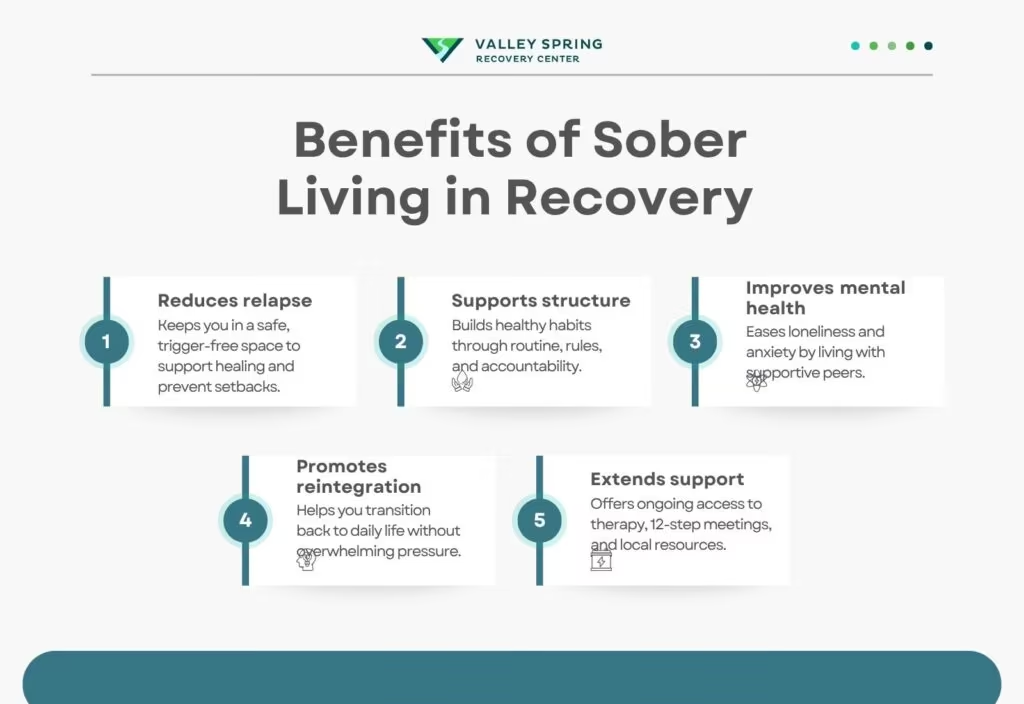
The benefits of sober living in recovery are:
- Reduces relapse: You stay away from high-risk environments that trigger addiction, giving your brain time to heal from dependency. This buffer lowers your chances of falling back into old patterns.
- Supports structure: Daily routines, curfews, and house meetings provide a sense of order and discipline. You learn discipline and time management vital for independent living.
- Improves mental health: Living with sober peers reduces isolation and anxiety. You gain emotional balance through shared understanding and mutual support.
- Promotes reintegration: You return to work, education, or family life while staying connected to a recovery-focused environment. This staged return prevents sudden overload or pressure.
- Extends support: You continue getting guidance through 12-step programs and therapy referrals. Sober homes in NJ connect you with community-based aftercare and mentors.
By living among others who share similar goals, you benefit from peer support while staying accountable. In your sober living journey, structure, community, and responsibility give you the foundation to stay committed, one day at a time.
How Long Should You Stay In A Sober Living Home?
You should stay in a sober living home for at least 90 days, though many people in New Jersey remain between 6 to 12 months. This duration supports long-term recovery and gives you enough time to stabilize routines, rebuild trust, and strengthen relapse prevention skills. Shorter stays leave gaps in your readiness for real-life pressures.
Factors that influence how long you remain include your history with addiction, progress in therapy, level of family support, and personal readiness for independence. NJ sober homes allow flexible timelines so you focus on healing, not deadlines. The longer you stay in structured housing, the better your chances of maintaining sobriety in the community.
What Rules Do Sober Living Homes Have?
The rules of sober living homes include mandatory sobriety, regular drug testing, curfews, mandatory meetings, and participation in household duties. These guidelines are not just formalities. They create the structure you need to rebuild life after addiction. By committing to rules, you show accountability to yourself and the sober community.
In New Jersey, sober living environments require you to attend 12-step meetings, follow chore rotations, and maintain respectful conduct. Violating key rules, like substance use or violence, leads to dismissal. These homes are drug-free zones, designed to give you a clean space for daily growth. Following rules builds discipline that carries into long-term recovery.
How Do You Transition From Rehab To Sober Living?
To transition from rehab to sober living, the process involves discharge planning, facility selection, documentation, and re-entry coordination. This phase determines how smoothly you adjust to life after treatment. Your rehab team usually prepares you for this step during the final weeks of care.
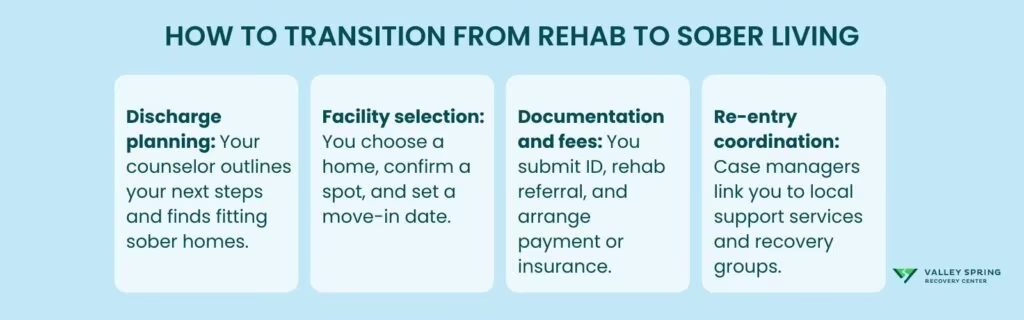
To transition from rehab to sober living, the steps are:
- Discharge planning: Your counselor creates a recovery roadmap and identifies sober living options in New Jersey that match your needs.
- Facility selection: You or your family contact licensed sober homes in New Jersey, verify availability, and schedule a move-in date.
- Documentation and fees: Most homes require ID, a referral from your rehab, and payment or insurance coordination before admission.
- Re-entry coordination: Case managers connect you to community services, recovery groups, or mental health support for the next phase.
Many residents in New Jersey also enroll in an outpatient program while living in sober homes to maintain momentum and access weekly therapy.
What Should You Look For When Choosing A Sober Living Home In NJ?
Factors you should look for when choosing a sober living home include certification, structure, peer support, location, and connection to treatment resources. These elements determine how well the home supports your long-term recovery in NJ and protects you from relapse.
Factors you should look for when choosing a sober living home are:
- Certification and safety: Look for homes registered with the New Jersey Alliance of Recovery Residences (NJARR) to ensure accountability and oversight.
- Structure and rules: Choose homes with clear guidelines on sobriety, curfews, and responsibilities. This builds consistency.
- Peer support environment: The best homes promote community and shared accountability through meetings and activities.
- Location and access: Consider proximity to work, school, family, or transit, especially in urban NJ areas.
- Aftercare connections: A strong home links you with treatment centers in NJ, therapists, or local outpatient programs.
Is Sober Living Right For Everyone?
Yes, sober living is right for you if you need structured support after rehab, but it's not the right fit if you're unwilling to follow rules or engage in community living.
These homes work best when you're motivated to maintain sobriety, accept accountability, and continue your recovery in a shared environment. Without that commitment, the structure feels restrictive instead of helpful.
What Should You Look For In A Good Sober Living Home?
Things you should look for in a good sober living home include clean facilities, strong leadership, supportive culture, recovery-focused programming, and resident accountability. These features help you stay on track with sobriety while easing your return to daily life in New Jersey.
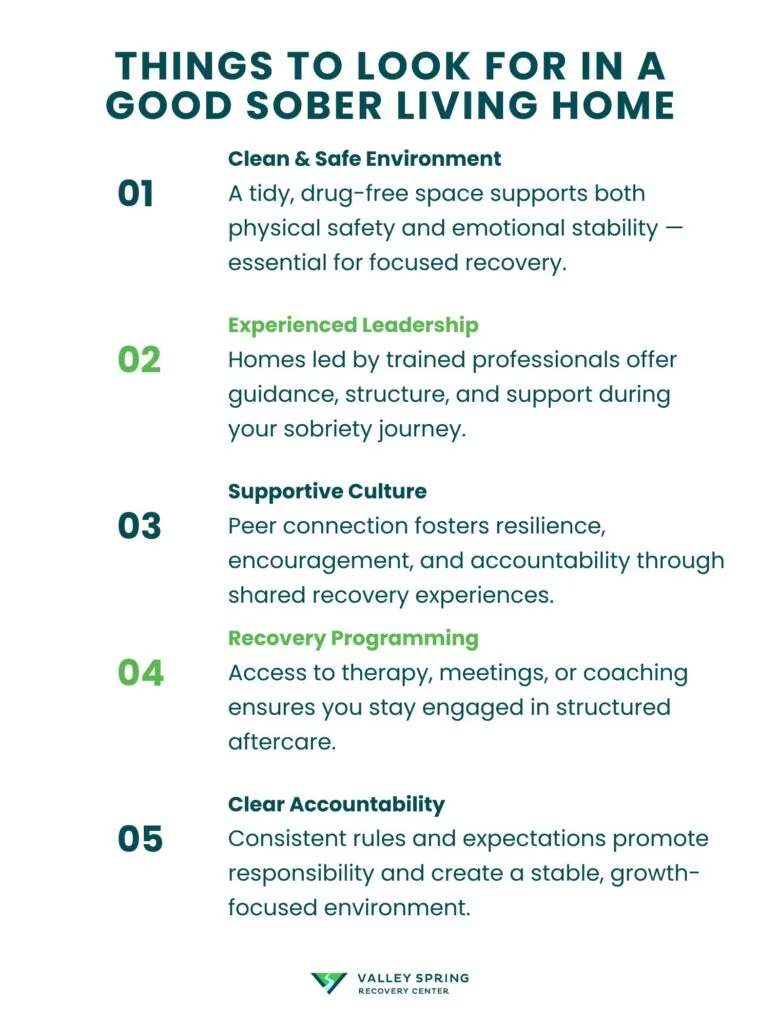
Things you should look for in a good sober living home are:
- Clean and safe environment: A well-kept, drug-free space supports your physical safety and emotional calm. You’re more likely to stay focused on recovery when your surroundings are orderly and respected.
- Experienced leadership: Good homes are run by managers trained in addiction recovery or counseling. Their guidance helps you navigate challenges and stay accountable.
- Supportive culture: A strong peer network encourages you during setbacks and helps you celebrate wins. Daily connection with others in recovery builds resilience.
- Recovery programming: The best homes link you with therapy, meetings, or coaching. This keeps you engaged in structured aftercare that reinforces sobriety.
- Clear accountability: Consistent rules and consequences help the whole house stay on track. You’re expected to meet standards, but also supported in your growth.
Can You Work Or Study While Living In A Sober Home?
Yes, you can work or study while living in a sober home, and many New Jersey facilities actively encourage it. These environments are designed to help you rebuild your routine and reintegrate into society.
Maintaining employment or attending classes adds structure, boosts confidence, and supports financial independence, all while reinforcing your commitment to sobriety.
How Much Does Sober Living Cost In New Jersey
In New Jersey, the cost of sober living ranges from $600 to $1,500 per month, depending on location, amenities, and level of support. Basic homes with shared rooms and minimal services are more affordable, while higher-end residences with private rooms and recovery staff cost more.
Most sober living homes in New Jersey require upfront fees and monthly rent, although some offer sliding-scale options tied to income or scholarships from treatment centers in New Jersey.
Is Sober Living Covered By Insurance?
No, sober living is not covered by insurance, because it's classified as housing, not medical treatment. Most policies, including Medicaid, do not reimburse rent or residency costs. Some exceptions apply if the home is attached to a licensed treatment center in New Jersey or bundled with outpatient services.
To avoid surprise costs, always verify insurance coverage with the provider before moving in. Ask if your plan supports any outpatient programs linked to the residence. Some NJ homes partner with nonprofits or grant-funded programs that reduce your out-of-pocket burden. These options do not cover rent, but they help with related care services.
Are There Gender-Specific Sober Living Homes In New Jersey?
Yes, there are gender-specific sober living homes in New Jersey, designed to meet the unique recovery needs of men and women. These residences provide a safer, more focused environment by removing distractions or risks tied to mixed-gender living. Gender-specific housing includes programming tailored to trauma, parenting, or relationship recovery.
Where Can You Find Reputable Sober Living Homes In New Jersey?
Places to find reputable sober living homes in New Jersey include licensed directories, recovery organizations, and referrals from treatment providers. These sources ensure you're choosing homes that meet standards for safety, structure, and accountability in your recovery journey.
Places to find reputable sober living homes in New Jersey are:
- New Jersey Alliance of Recovery Residences (NJARR): Offers a certified list of drug-free housing options that meet national safety and ethics standards.
- Treatment centers: Facilities like Integrity House or Seabrook provide referrals to trusted sober homes as part of their aftercare planning.
- Psychology Today: The New Jersey listings allow you to search for sober living options by location, services, and peer reviews.
- Local recovery meetings: NA, AA, and SMART Recovery chapters have up-to-date word-of-mouth recommendations.
- NJ 211 Helpline: This statewide resource connects you to licensed housing and addiction recovery programs in your area.