
Equine therapy in addiction treatment integrates structured human–horse interaction to promote behavioral change, self-awareness, and emotional balance. This therapeutic approach engages individuals in experiential learning rather than verbal analysis, using activities such as grooming, leading, and observation to rebuild trust, accountability, and emotional regulation.
The therapy’s multidimensional value extends across psychological, social, and physical recovery domains, complementing conventional methods like cognitive behavioral therapy and group counseling. In addiction recovery, equine-assisted programs foster mindfulness, relational insight, and self-efficacy, key components for long-term sobriety.
According to the New Jersey Department of Human Services, approximately 6.5% of adults in New Jersey struggle with substance use disorders, underscoring the growing demand for holistic recovery options. Currently, dozens of licensed rehab centers in New Jersey incorporate equine therapy into their addiction treatment programs.
What is Equine Therapy?
Equine therapy refers to a structured form of animal-assisted intervention. In this therapy, the individual works side-by-side with horses under the guidance of trained mental health professionals and equine specialists. Participants engage in tasks like grooming, leading, and non-riding interactions, which promote self-awareness and behavioral insight.
The horses serve as nonjudgmental mirrors of the person’s emotional state, helping the brain receive feedback on interpersonal and intrapersonal behavior. This reflective dynamic distinguishes equine-based work from traditional talk therapy alone.
According to the Professional Association of Therapeutic Horsemanship International (PATH Intl.), over 66,000 people are helped annually with equine therapy.
What Are the Different Types of Equine Therapy?
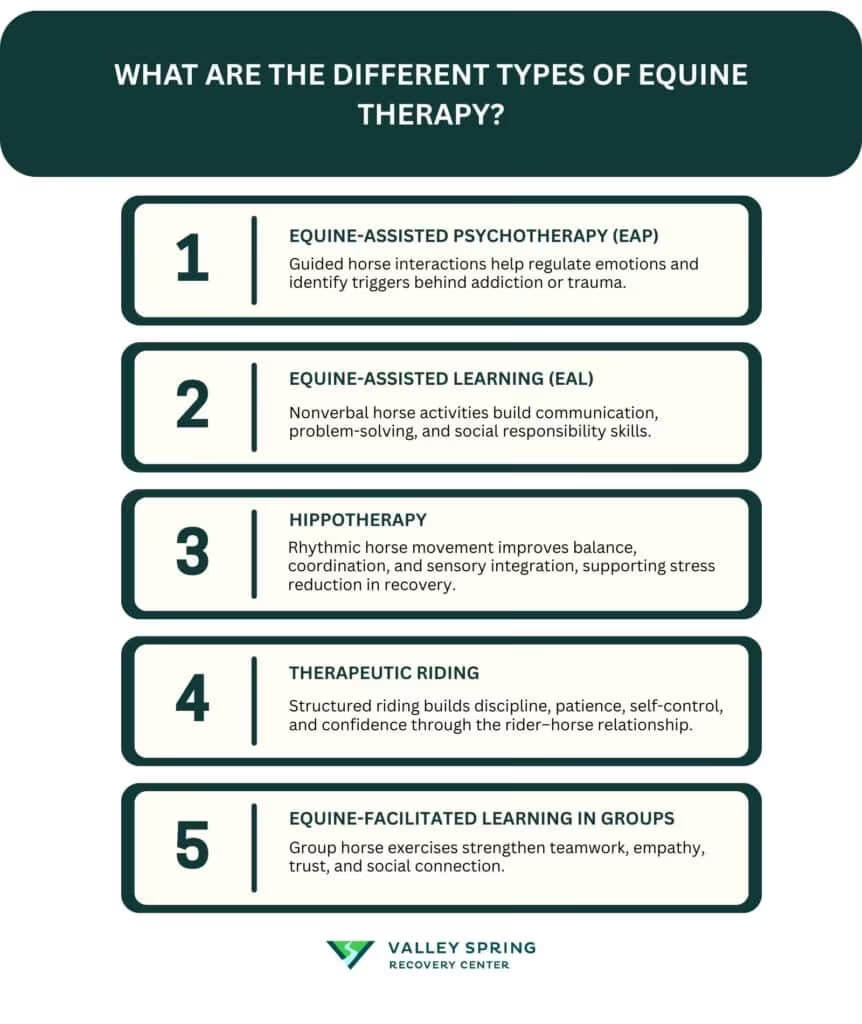
The different types of equine therapy include Equine-assisted psychotherapy, Equine-assisted learning, and Hippotherapy. Each type targets specific behavioral, emotional, or physiological outcomes by engaging patients in purposeful activities that foster connection, trust, and self-regulation. These therapies combine animal-assisted principles with clinical frameworks to improve recovery outcomes in addiction treatment and mental health rehabilitation.
The different types of equine therapy are as follows:
- Equine-Assisted Psychotherapy (EAP): Equine-assisted psychotherapy involves guided interactions between clients, horses, and a licensed therapist to address psychological and behavioral issues related to addiction, trauma, or depression. Through grooming, leading, and observation exercises, individuals learn to regulate emotions and recognize behavioral triggers that fuel substance use. Studies published in the Journal of Creativity in Mental Health show that EAP enhances emotional regulation and interpersonal awareness among clients with substance use disorders.
- Equine-Assisted Learning (EAL): Equine-assisted learning focuses on developing cognitive and interpersonal skills such as communication, leadership, and accountability through nonverbal interaction with horses. The participant learns through guided horse interaction to achieve improved problem-solving and social responsibility.
- Hippotherapy: Hippotherapy integrates controlled equine movement into physical or occupational therapy sessions. The horse’s rhythmic motion provides neuromuscular stimulation, resulting in improved balance, coordination, and sensory integration. Hippotherapy supports recovering addicts by reducing stress and enhancing body-mind coordination, which are impaired during substance withdrawal.
- Therapeutic Riding: Therapeutic riding teaches clients horsemanship skills under the guidance of certified instructors to foster discipline, patience, and emotional resilience. The rider-horse relationship generates structured riding practice, producing enhanced self-control and confidence.
- Equine-Facilitated Learning in Groups: Group-based equine programs emphasize teamwork, empathy, and social bonding. The group participants engage in collaborative horse-based exercises to achieve collective trust and emotional connection.
What Does Equine Therapy for Addiction Treatment Consist Of?
Equine therapy in addiction treatment consists of planned sessions where clients perform activities that build trust, responsibility, emotional regulation, and group processing.
Sessions begin with a brief orientation, followed by hands-on tasks such as haltering, leading the horse through obstacles, and observing the horse’s behavior in response to human cues. These activities help highlight unconscious relational patterns and build new behavioral pathways.
Research by Diaz L, et al. 2022, titled “Equine-assisted services for individuals with substance use disorders: a scoping review,” found that clients who engaged in horse-assisted therapy had statistically improved emotion regulation and self-efficacy compared to controls.
Treatment centres integrate equine therapy as an adjunct to individual and group counseling, ensuring synergy with the broader biopsychosocial model of addiction recovery.
What Techniques Are Used in Equine-Assisted Therapy for Addiction?
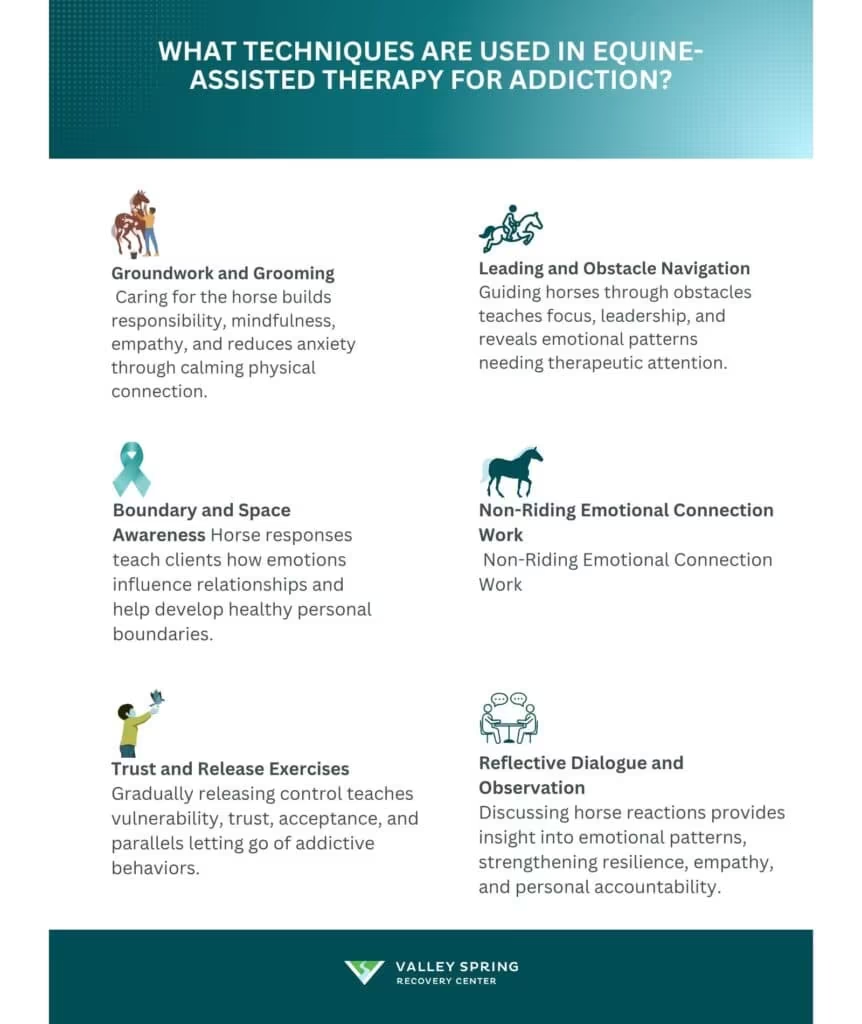
The primary techniques used in equine-assisted therapy for addiction include groundwork, grooming, leading, and emotional connection exercises. These techniques focus on practical interaction rather than theory, helping individuals rebuild trust, manage emotions, and develop healthy coping mechanisms.
The techniques used in equine-assisted therapy for addiction are as follows:
- Groundwork and Grooming: Clients care for the horse by brushing, cleaning, and maintaining its appearance. This physical connection encourages responsibility, mindfulness, and empathy. Regular grooming helps calm the nervous system, reduce anxiety, and establish consistency.
- Leading and Obstacle Navigation: Participants lead the horse through guided obstacle courses that represent real-life recovery challenges. As clients guide the horse with calm direction, they learn focus, patience, and leadership. These exercises reveal emotional patterns such as hesitation, control issues, or impulsivity, allowing therapists to address them in a safe environment.
- Boundary and Space Awareness: This exercise teaches respect for personal and emotional space. The horse responds naturally to how close or distant a person stands, reflecting comfort or discomfort. Through these interactions, clients recognize how their emotions affect relationships and learn to communicate boundaries clearly and calmly.
- Non-Riding Emotional Connection Work: Some sessions focus entirely on non-riding interaction to encourage presence rather than control. When a client approaches calmly and with balanced emotions, the horse mirrors this state, creating an authentic moment of trust. This helps participants practice emotional awareness and stability without relying on verbal expression.
- Trust and Release Exercises: Clients gradually release control, such as loosening the lead rope or allowing the horse to move freely. This process teaches trust, vulnerability, and acceptance. It models the act of letting go, an essential skill for individuals learning to live without addictive behaviors.
- Reflective Dialogue and Observation: After each session, clients discuss how the horse reacted and what that might reveal about their own emotional patterns. This guided reflection turns physical experiences into insight, reinforcing accountability, empathy, and resilience in daily life.
What to Expect During Equine Therapy Sessions?
During an equine therapy session, you expect to feel physical movement, emotional shifts, and relational shifts. You will meet in a paddock or arena environment. A facilitator will introduce the horse, explain safety measures and the session’s goal. You might groom the horse, lead it, observe its behavior, or interact via non-riding tasks. The horse responds to your body language, and you receive immediate feedback in your emotional tone and energy.
After the activity, you will reflect in a group or one-on-one debrief, discussing what you noticed about your own reactions and the horse’s responses. Sessions feel active and grounded, replacing purely verbal therapy with embodied experience. Having no previous riding experience does not hinder your participation.
How Does Equine Therapy Work for Addiction?
Equine therapy works through the interplay of body, mind, and animal partner, enabling clients to develop behavioral change and emotional resilience. First, the horse acts as a sensitive mirror. The animal senses human tension, posture, and mood, and reacts accordingly.
When a client modifies their behavior, slows their pace, softens their energy, or adjusts tone, the horse responds positively. This real-time feedback allows neural circuits responsible for social regulation, trust, and emotional control to strengthen.
The physical nature of equine therapy for addiction engages the nervous system differently than talk therapy. Walking, haltering, and leading recruit motor, vestibular, and proprioceptive systems, helping integrate emotional regulation into somatic awareness.
The group and individual reflections after the equine therapy session link the experience to underlying addiction patterns like triggers, relational deficits, and boundary issues. This supports new coping responses.
Research in an SUD cohort by Souilm, N. et al. 2023, titled “Equine-assisted therapy effectiveness in improving emotion regulation, self-efficacy, and perceived self-esteem of patients suffering from substance use disorders,” found that clients in equine therapy recorded statistically significant improvements in self-efficacy and emotion regulation after six weeks.
What Are the Benefits of Equine Therapy in Rehab?
The benefits of equine therapy in rehab include improved emotional regulation, enhanced self-efficacy, and reduced stress. Equine therapy offers benefits across psychological, social, and physical domains, especially when used alongside traditional addiction treatment programs.
Key benefits of equine therapy in rehab are as follows:
- Improved emotional regulation: Interaction with horses requires calmness and emotional control, as animals respond directly to human energy and tone. This immediate feedback helps participants recognize emotional triggers and practice self-regulation. Studies by Acri M et al. 2025, titled “Equine-Assisted Interventions for Youth with Anxiety,” report measurable reductions in anxiety, fear, and impulsivity among individuals participating in equine-assisted sessions during recovery.
- Enhanced self-efficacy and self-esteem: Learning to care for and communicate with a large, sensitive animal strengthens self-worth and personal agency. Grooming, leading, and building rapport with horses reinforce achievement and trust. According to Samba Recovery, about 75% of participants reported increased self-awareness and greater belief in their ability to maintain recovery goals after completing equine therapy sessions.
- Better treatment engagement and retention: Many individuals who struggle with traditional talk therapy respond positively to the experiential nature of equine programs. The sense of purpose and connection promotes accountability and consistency in attendance. One naturalistic prospective cohort study by Kern-Godal et al. (2015), cited in a 2022 review, reported a 56% completion rate in the horse-assisted therapy (HAT) group versus a 14% completion rate in the TAU group.
- Social and relational growth: Horses mirror human behavior without judgment, teaching clients to communicate with clarity, patience, and empathy. These interactions help rebuild trust and cooperation. Participants learn to read nonverbal cues, set healthy boundaries, and improve interpersonal awareness, which enhances relationships with family, peers, and support networks.
- Reduced stress and improved mindfulness: Working with horses outdoors activates the parasympathetic nervous system, lowering cortisol levels and promoting calm focus. The rhythmic motion, breathing, and sensory awareness cultivated during sessions encourage mindfulness and emotional grounding. This physiological and psychological balance supports long-term recovery stability.
- Physical activity and grounding: Equine therapy involves movement, coordination, and presence, which anchor clients in the present moment. The physical engagement stimulates endorphin release, reduces restlessness, and improves body-mind integration. For individuals in recovery, this grounding effect strengthens resilience and reduces relapse risk by reconnecting the body to natural rhythms of calm and control.
Who Benefits Most from Equine Therapy?
Individuals with trauma history, low verbal comfort in traditional detail-driven psychotherapy, relational issues, or youth who respond poorly to standard formats benefit most from equine therapy. Horse-assisted therapy suits clients seeking interaction, responsibility, and non-judgmental relationships rather than strictly office-based talk therapy.
Can You Join Horse-Assisted Therapy Even If You Don’t Know Horse Riding?
Yes, you can join horse-assisted therapy even if you don't know horse riding. Tasks such as grooming, leading, and interacting with the horse serve the therapeutic goals. Beginners participate fully and benefit by learning from foundational contact, which intensifies self-discovery since they are fresh to the animal context.
How Is Equine Therapy Different Than Other Therapies?
Equine therapy differs from other therapies, such as cognitive behavioural therapy (CBT) or art therapy, in its experiential, animal-interactive, and outdoor context. The horse functions as a relational partner, reflecting emotional cues and promoting embodied learning.
Traditional therapies tend to rely on verbal processing and indoor settings, while equine therapy bypasses some resistance by focusing on action, body signals, and animal feedback. This makes equine therapy especially powerful for clients who struggle with purely cognitive methods.
What is the cost of equine therapy in addiction treatment?
Equine therapy rates vary by program and region, ranging from $50 to $150 per session, while full-program costs can range from $4,000 to over $7,000 per month. Many residential addiction facilities include horse-assisted sessions in their overall program fee. Insurance coverage applies when therapy is integrated into a certified SUD treatment plan.
How many equine therapy sessions are typical in recovery programs?
Session frequency ranges from one to three times weekly over several weeks. Program length depends on client needs, facility capacity, and integration with other therapies. Studies vary, but six-week programs demonstrated positive outcomes in self-efficacy, as reported by Souilm, N. et al. 2023.
Are equine therapy programs safe for clients with physical limitations?
Yes, equine therapy programs are safe for clients with physical limitations. These programs mostly offer adaptive approaches. Non-riding interaction options and proper physical health screenings ensure safety. Certified equine specialists manage risk protocols for clients with mobility, allergy, or coordination issues.
What credentials should an equine therapy program have?
Look for programs involving both licensed mental-health therapists and certified equine-therapy professionals, following recognized standards such as those of the Equine Assisted Growth and Learning Association (EAGALA) or PATH International.
Can equine therapy replace other cognitive behavioral therapies in addiction treatment?
No, equine therapy cannot replace cognitive behavioral therapy in addiction treatment. It functions as a complementary and experiential approach that enhances emotional awareness, trust-building, and stress regulation.
While equine-assisted therapy promotes engagement and self-reflection through non-verbal interaction, it does not address the deep cognitive restructuring and relapse-prevention techniques provided by cognitive behavioral therapy.