Alcohol Recovery: Definition, Stages, Techniques, Benefits
Alcohol recovery is a step-by-step process that helps you break free from addiction and rebuild your life, physically, mentally, and emotionally.
Recovery from alcohol moves through four key stages: abstinence, post-acute withdrawal, repair, and growth.
Recovery techniques include therapy, medications like naltrexone, peer support, and holistic approaches like exercise and mindfulness. These tools curb cravings, prevent relapse, and improve overall well-being.
The benefits of alcohol recovery go far beyond sobriety, including better health, stronger relationships, and a more stable future.
What Is Alcohol Recovery?
Alcohol recovery is a structured process that helps individuals overcome alcohol dependence through detoxification, therapy, and long-term behavioral changes. Alcohol recovery begins with medical detox to manage withdrawal symptoms, followed by counseling, support groups, and lifestyle adjustments to address the underlying causes of addiction and prevent relapse.
Short-term sobriety refers to the initial phase of abstinence, where individuals focus on overcoming withdrawal and stabilizing their health. Long-term recovery, however, involves ongoing efforts to maintain sobriety, develop coping strategies, and rebuild relationships, ensuring sustained well-being and preventing relapse.

Did you know most health insurance plans cover substance use disorder treatment? Check your coverage online now.
How Does Alcohol Recovery Help Individuals Overcome Addiction?
Alcohol recovery helps individuals overcome addiction by providing structured support to manage cravings, address underlying mental health issues, and rebuild their lives. Recovery programs incorporate relapse prevention strategies, therapy, and peer support to help individuals develop healthier coping mechanisms. These programs promote long-term sobriety and overall well-being by treating both the physical and psychological aspects of addiction.
Why Is Alcohol Recovery Necessary for Long-term Health?
Alcohol recovery is necessary for long-term health because it helps restore liver function, improves cognitive function, and reduces the risk of cardiovascular diseases. Sustained sobriety allows the liver to heal from alcohol-related damage, enhances mental clarity, and lowers the likelihood of developing heart conditions. According to a study by the American Heart Association, “Drug- and alcohol-related heart disease and stroke deaths rising,” alcohol is a factor in 65% of cardiovascular disease (CVD) deaths related to substance use.
What Are the Stages of Alcohol Recovery?
The stages of alcohol recovery are abstinence, post-acute withdrawal, repair, and growth, each addressing different aspects of healing and long-term sobriety. These stages help individuals manage withdrawal, overcome emotional challenges, rebuild their lives, and sustain sobriety through continuous self-improvement and support.

The stages of alcohol recovery are as follows:
Contact us today to schedule an initial assessment or to learn more about our services. Whether you are seeking intensive outpatient care or simply need guidance on your drug addiction journey, we are here to help.
1. Abstinence Stage
The abstinence stage begins immediately after quitting alcohol and focuses on withdrawal management and detox. Individuals experience withdrawal symptoms such as tremors, anxiety, and nausea, requiring medical supervision for safety. This stage lasts a few weeks and is important for resisting cravings and stabilizing the body, according to a study by Melemis SM. et al. 2015, titled “Relapse Prevention and the Five Rules of Recovery.”
2. Post-Acute Withdrawal Stage
Post-acute withdrawal stage, also known as PAWS (Post-Acute Withdrawal Syndrome), involves lingering symptoms like mood swings, anxiety, and sleep disturbances. Emotional instability makes relapse tempting, so coping mechanisms and support systems are important during this stage. PAWS lasts several months as the brain chemistry gradually stabilizes, according to Healthline’s “Post-Acute Withdrawal Syndrome: Symptoms, Treatment.”
3. Repair Stage
During the repair phase, individuals focus on physical and emotional healing by repairing relationships, improving mental well-being, and adopting a healthier lifestyle. Therapy and support groups play an integral role in this process. This stage lasts several months to a few years, depending on the individual’s progress.
Rediscover Life at Valley Spring Recovery Center
Get the compassionate support you deserve. We're here to help you reclaim joy, wellness, and a brighter future.
Verify Benefits
4. Growth Stage
The final stage of alcohol recovery is about self-improvement, long-term sobriety, and relapse prevention. Individuals work on personal development, setting goals, and maintaining ongoing support through counseling or recovery groups. This stage is lifelong, ensuring continued commitment to sobriety and well-being. According to Healthline’s “Your Guide to the Stages of Alcohol Recovery,” the growth stage starts 3 to 5 years after you’ve stopped drinking.
What Techniques Are Used in Alcohol Recovery?
The techniques that are used in alcohol recovery include therapy and counseling, medications, support groups, and holistic approaches. A combination of these methods increases the chances of sustained recovery.

The following techniques are used in alcohol recovery:
1. Therapy and Counseling
2. Medications
3. Support Groups and Peer Networks
4. Holistic Approaches
1. Therapy and Counseling
Behavioral therapy techniques, such as Cognitive Behavioral Therapy (CBT), Dialectical Behavior Therapy (DBT), and Motivational Interviewing (MI), are widely used in alcohol addiction treatment. CBT helps individuals identify and change harmful thought patterns, with McHugh, R.K., et al. 2010 reporting a relapse reduction rate of up to 60% when combined with other treatments.
MI strengthens motivation to change, and Foxcroft DR et al. 2016 found it significantly reduced alcohol use and related problems in young adults. DBT is effective for those with co-occurring mental health conditions; Maffei C et al. 2018 reported that 73.2% of participants completing a DBT program remained abstinent by the end and showed better emotional regulation.
Are you covered for treatment?


Valley Spring Recovery Center is an approved provider for Blue Cross Blue Shield and Cigna, while also accepting many other major insurance carriers.
Check Coverage Now!2. Medications
Alcohol addiction medications are FDA-approved treatments that help reduce cravings, block alcohol’s effects, and manage withdrawal. Naltrexone reduces relapse risk by about 36% and, when used for over three months, cuts heavy drinking days by nearly two per month, according to a 2022 Drug Information Group review.
Disulfiram causes adverse reactions to alcohol and has a 50% to 80% success rate with adherence. Acamprosate restores brain balance post-detox, with Witkiewitz K., et al. 2012 reporting 40% to 50% long-term sobriety in medicated patients compared to lower rates in those not using medication.
3. Support Groups and Peer Networks
Programs like Alcoholics Anonymous (AA) and SMART Recovery provide peer accountability and support for long-term sobriety. Kaskutas LA. et al. 2009 found that AA participation led to a 40% higher chance of sustained abstinence.
Friedman R. 2014 reported that regular AA participation increases the likelihood of long-term sobriety by up to 66%. SMART Recovery, which emphasizes self-empowerment and rational decision-making, improves abstinence rates by 35% to 40% over one year.
4. Holistic Approaches
Holistic therapies such as mindfulness, yoga, meditation, acupuncture, and exercise support recovery by reducing stress and building emotional resilience. A 2021 Journal of Substance Abuse Treatment study showed mindfulness-based interventions lowered relapse rates by 35%.
Kuppili PP., et al. 2018 found yoga helped regulate emotions and reduce cravings in people with alcohol use disorder. Lynch WJ., et al. 2013 reported that regular exercise as a part of holistic therapies lowers relapse risk by 25% and improves overall mental health.
Did you know most health insurance plans cover substance use disorder treatment? Check your coverage online now.
What Are the Benefits of Alcohol Recovery?
The benefits of alcohol recovery include improved physical health, enhanced mental well-being, and better sleep quality. These positive changes help individuals regain control over their lives and experience lasting improvements in their health and well-being.
The benefits of alcohol recovery are as follows:
- Improving Physical Health: Alcohol recovery significantly reduces the risk of liver disease, heart problems, and high blood pressure. A study by Patel R et al. 2023, titled “Mueller M. Alcohol-Associated Liver Disease,” shows that within a year of sobriety, liver function improves, lowering the chances of developing cirrhosis or fatty liver disease.
- Enhancing Mental Health: Quitting alcohol helps regulate mood and reduces symptoms of anxiety and depression. According to the Mental Health Foundation’s “Alcohol and Mental Health” report, individuals in alcohol recovery experience a 40% to 50% improvement in mental well-being, with many reporting lower stress levels and better emotional stability.
- Achieving Better Sleep Quality: Alcohol disrupts sleep, leading to poor sleep quality and fatigue. After quitting, individuals report falling asleep faster, experiencing deeper sleep cycles, and waking up more refreshed. Arentson-Lantz et al. 2022, in their study titled “Improvements in sleep quality and fatigue are associated with improvements in functional recovery following hospitalization in older adults,” found that people in recovery experienced significant improvements in sleep quality.
- Strengthening Interpersonal Relationships: By improving communication and trust, recovery leads to stronger relationships. Laudet AB., et al. 2006 found that people in recovery report a 55% increase in family satisfaction and healthier social interactions, as reported in “The Role of Social Supports, Spirituality, Religiousness, Life Meaning, and Affiliation with 12-Step Fellowships in Quality of Life Satisfaction Among Individuals in Recovery from Alcohol and Drug Problems.”
- Saving Money: Alcohol recovery eliminates the high costs associated with drinking, leading to significant savings that are spent on healthier activities, personal development, or savings.
- Increasing Energy and Productivity: Sobriety restores energy, improves focus, and enhances overall productivity at work or school, leading to greater motivation and personal achievements.
- Boosting Self-Esteem and Confidence: Sobriety helps individuals regain a sense of self-worth and control over their actions. Yan F, Costello M, Allen J. et al. 2020, in their study titled “Self-Perception and Relative Increases in Substance Use Problems in Early Adulthood,” suggest that self-esteem increases within the first 6 months of sobriety.
- Enhancing Overall Quality of Life: The combination of improved health, better relationships, financial stability, and mental clarity leads to a higher quality of life, with individuals reporting significant improvements in overall life satisfaction and personal growth.
What Are the Challenges in Alcohol Recovery?
The challenges in alcohol recovery are cravings, emotional instability, social pressure, and the risk of relapse. Overcoming these obstacles requires strong coping strategies, professional support, and a commitment to long-term sobriety.

The challenges in alcohol recovery are as follows:
- Cravings and Withdrawal Symptoms: One of the biggest challenges in alcohol recovery is managing cravings and withdrawal symptoms. These symptoms, such as anxiety, irritability, nausea, and insomnia, are severe and persistent, making relapse prevention strategies essential from the start.
- Emotional Instability and Mental Health Struggles: Many individuals in recovery experience emotional instability due to the impact of alcohol on the brain’s neurotransmitters. Depression, anxiety, and resurfacing mental health issues require consistent therapy, support, and sometimes medication to manage effectively.
- Social Pressure and Triggers: Social environments where alcohol is present create significant challenges for those in recovery. Parties, holidays, and gatherings involve alcohol, and pressure from friends or family increases the risk of relapse without firm boundaries and new social routines.
- Relapse Risk and Long-Term Commitment: Relapse is a common challenge in alcohol recovery, with research by Mao S et al. 2024, titled “A probabilistic model of relapse in drug addiction,” showing that up to 60% of individuals relapse within the first year. Stress and exposure to triggers make setbacks likely, but relapse signals a need to reinforce coping tools, not a failure.
- Rebuilding Relationships and Lifestyle Changes: Recovery requires individuals to repair trust and make significant lifestyle changes. Letting go of toxic influences and forming supportive connections is difficult but important for sustaining sobriety.
- Managing Boredom and Finding New Hobbies: Alcohol becomes a routine, and without it, life feels empty or dull at first. Replacing alcohol with hobbies, exercise, or creative outlets helps prevent boredom from becoming a relapse trigger.
How Does Alcohol Addiction Treatment Support Recovery?
Alcohol addiction treatment supports recovery by providing individuals with structured interventions, medical care, and psychological support to help them overcome dependence and maintain long-term sobriety. Comprehensive treatment includes detox, therapy, FDA-approved medications, and support groups, each proven to improve recovery outcomes.
Behavioral therapies like cognitive-behavioral therapy (CBT) and motivational enhancement therapy (MET) significantly increase abstinence rates, according to research published in the Journal of the American Medical Association (JAMA).
Medications such as naltrexone and acamprosate reduce cravings and help prevent relapse. By addressing both the physical effects and underlying psychological issues, alcohol addiction treatment gives you the tools to regain control and stay sober.
Is Relapse Common in Alcohol Recovery?
Yes, relapse is common in alcohol recovery. According to a study by Kitzinger RH Jr, Gardner JA et al., 2023, titled “Habits and Routines of Adults in Early Recovery From Substance Use Disorder: Clinical and Research Implications From a Mixed Methodology Exploratory Study,” showing that 40 to 60% of individuals relapse within the first year of treatment.
What Are the Warning Signs of an Alcohol Relapse?
The warning signs of an alcohol relapse are changes in behavior, emotional distress, and increased cravings, which indicate a return to old drinking patterns.
The warning signs of an alcohol relapse are as follows:
- Emotional Distress and Mood Swings: Before a relapse occurs, individuals experience increased stress, anxiety, or irritability. Emotional instability makes it difficult to cope with daily challenges, leading to a desire to self-medicate with alcohol.
- Social Isolation and Avoidance of Support Systems: Withdrawing from therapy sessions, support groups, or sober friends is a key warning sign. Avoiding accountability indicates that an individual is struggling with sobriety and is at a higher risk of relapse.
- Romanticizing Past Drinking Experiences: If an individual starts reminiscing about alcohol use in a positive light or downplaying the negative consequences of past drinking, they mentally prepare to relapse.
- Returning to Risky Environments: Frequenting bars, social events where alcohol is present, or reconnecting with friends who drink excessively increases exposure to relapse triggers and weakens commitment to sobriety.
- Neglecting Self-Care and Coping Strategies: Skipping therapy, avoiding exercise, or neglecting other healthy coping mechanisms indicate a loss of motivation and an increased risk of turning back to alcohol as a coping tool.
How can Relapse be Prevented in Alcohol Recovery?
Relapse can be prevented in alcohol recovery by developing strong coping mechanisms, maintaining a support system, and engaging in long-term treatment strategies.
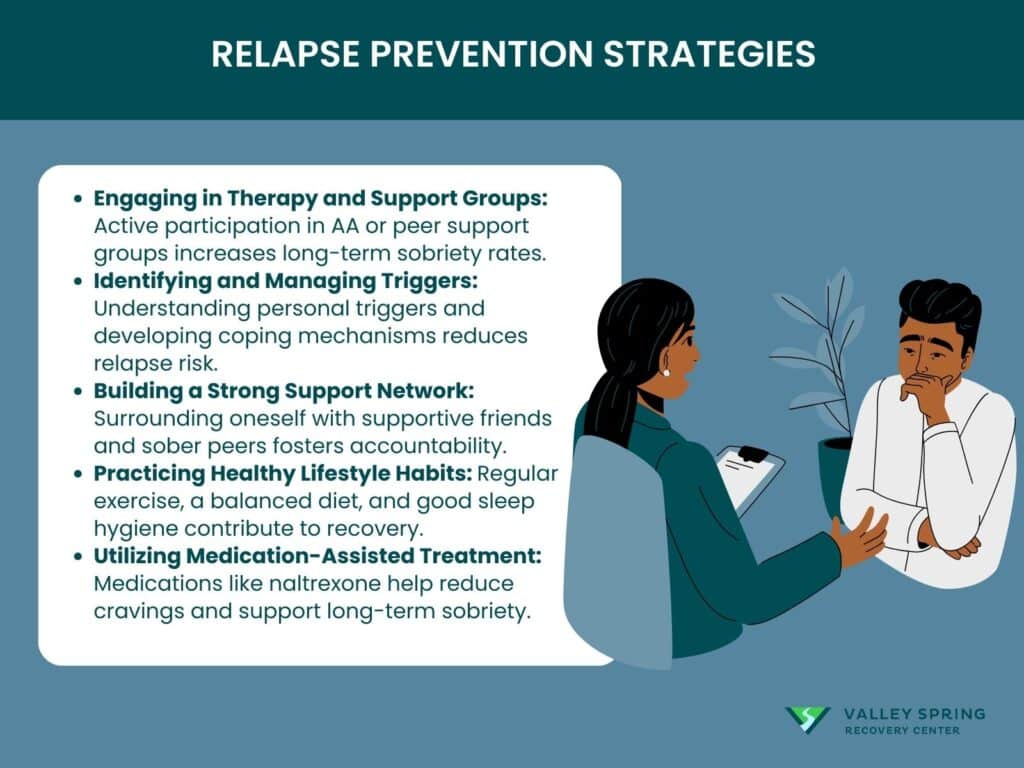
Relapse can be prevented in alcohol recovery by following the tips and strategies mentioned below:
- Engaging in Therapy and Support Groups: Participating in cognitive-behavioral therapy (CBT), group therapy, or 12-step programs helps individuals develop coping skills and maintain accountability. Individuals who actively participate in Alcoholics Anonymous (AA) or other peer support groups have higher long-term sobriety rates.
- Identifying and Managing Triggers: Understanding personal triggers, such as stress, social pressure, or negative emotions, allows individuals to develop alternative coping mechanisms, such as mindfulness, exercise, or journaling.
- Building a Strong Support Network: Surrounding oneself with supportive family, friends, and sober peers creates a sense of accountability and encouragement, reducing the likelihood of relapse.
- Practicing Healthy Lifestyle Habits: Regular exercise, maintaining a balanced diet, and prioritizing sleep all contribute to overall well-being and reduce the urge to turn to alcohol for emotional relief.
- Utilizing Medication-Assisted Treatment (MAT): For some individuals, medications like naltrexone or acamprosate help reduce cravings and prevent relapse. MAT, when combined with therapy, significantly improves recovery outcomes.
Can You Fully Recover from Alcohol Addiction?
Yes, you can fully recover from alcohol addiction with the proper treatment, support, and long-term commitment. Research from the National Institute on Alcohol Abuse and Alcoholism (NIAAA) shows that approximately one-third of people who receive treatment for alcohol use disorder (AUD) experience complete remission. In contrast, others achieve significant reductions in alcohol consumption and improved quality of life. Recovery from alcohol addiction is a lifelong process that requires ongoing effort, including relapse prevention strategies, therapy, and lifestyle changes.
What Percentage of Individuals Struggling with Alcohol Addiction Recover?
Approximately 33% of individuals suffering from alcohol addiction recover fully and remain abstinent, according to data from the National Epidemiologic Survey on Alcohol and Related Conditions (NESARC). The study found that an additional 50% of individuals achieve long-term reductions in alcohol consumption, meaning that while complete abstinence is not always achieved, significant improvements in health and well-being are possible.
Can an Alcoholic Recover on Their Own?
No, most alcoholics struggle to recover on their own, as alcohol addiction affects brain chemistry, making it difficult to quit without professional intervention.
A study in Addiction Science & Clinical Practice shows that people who try to quit without support have much higher relapse rates than those in treatment. Medical detox, therapy, and support groups are critical for managing withdrawal, addressing mental health issues, and building lasting coping skills. Some stay sober for a short time alone, but long-term recovery is far more likely with structured treatment and ongoing support.
How Long Does Alcohol Recovery Take?
Alcohol recovery takes an average of six months to several years, depending on individual factors such as the severity of addiction, co-occurring mental health disorders, and the level of support received.
Detox lasts 7 to 10 days, but post-acute withdrawal symptoms (PAWS) continue for months. Research from the American Journal of Psychiatry shows that individuals who stay sober for five years have an 85% chance of long-term recovery. Recovery is ongoing, but with consistent treatment and support, lasting sobriety is achievable.
Contact us today to schedule an initial assessment or to learn more about our services. Whether you are seeking intensive outpatient care or simply need guidance on your drug addiction journey, we are here to help.
What happens after completing alcohol detox during recovery?
After alcohol detox, the focus of recovery shifts from physical stabilization to long-term healing and behavioral change. This stage may include inpatient or outpatient rehab, therapy sessions, support groups, and aftercare planning. Ongoing support after detox helps maintain sobriety, rebuild relationships, and prevent relapse.
Can someone ever drink alcohol again after recovery?
Yes, however, experts advise that individuals in alcohol recovery avoid drinking alcohol completely, even in small amounts. Because addiction alters the brain’s reward system, drinking again can quickly trigger cravings and relapse. Long-term sobriety is best maintained through abstinence, therapy, and consistent support from recovery programs or peer groups.
Share This Post

Valley Spring Editorial Team
All author posts
Our Therapuetic Recovery Programs
Are you covered for treatment?






Valley Spring Recovery Center is an approved provider for Blue Shield of California and Cigna, while also accepting many other major insurance carriers.
Check Coverage Now!