ZzzQuil and Alcohol: Why This “Sleep Aid” Mix Is Highly Dangerous
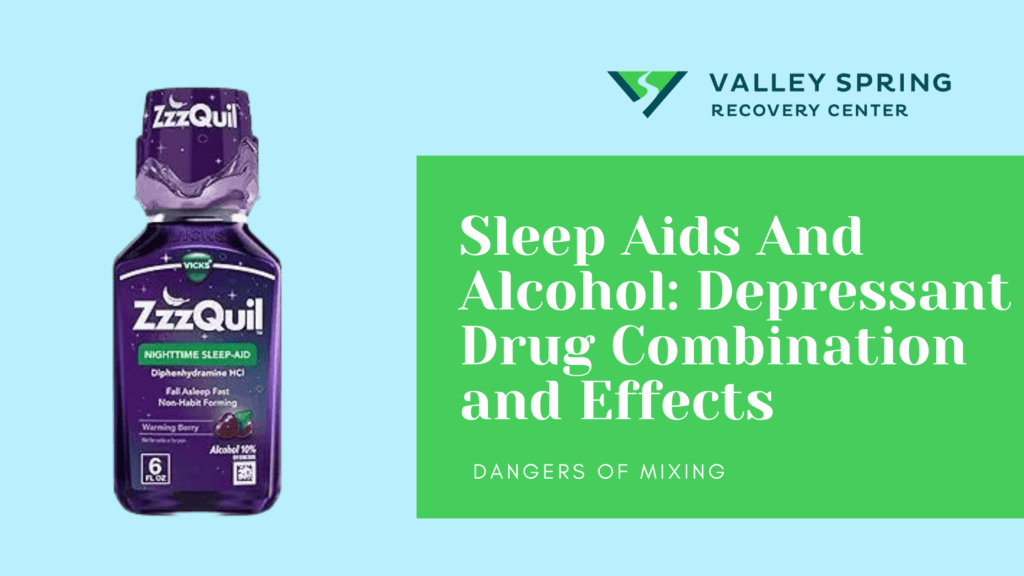
ZzzQuil is a popular over-the-counter (OTC) medication marketed as a non-habit-forming solution for occasional sleeplessness. Unlike its sister product, NyQuil, it does not contain pain relievers or cough suppressants. Its sole active ingredient is Diphenhydramine HCl, a first-generation antihistamine.
While it is effective for short-term use, many individuals combine ZzzQuil with alcohol to “knock themselves out” after a night of drinking or to combat alcohol-induced insomnia. This practice is medically dangerous. Both substances are Central Nervous System (CNS) depressants that, when combined, create a toxic synergy that can lead to severe respiratory distress, extreme motor impairment, and long-term cognitive decline.
Highlights
- CNS Depression: Combining diphenhydramine and alcohol exponentially increases the sedative effects of both.
- Hidden Alcohol Content: Some liquid ZzzQuil formulations contain 10% alcohol, which can jeopardize sobriety for those in recovery.
- Respiratory Risk: The combination can slow breathing to life-threatening levels (hypoventilation).
- Liver & Kidney Strain: Simultaneous processing of these substances puts acute stress on metabolic organs.
- Cognitive Decline: Long-term use of diphenhydramine is linked to an increased risk of dementia and memory impairment.
- Older adults are twice as likely to use OTC antihistamine sleep aids like ZzzQuil compared to younger adults, per a 2017 study, “Over-the-counter medications containing diphenhydramine and doxylamine used by older adults to improve sleep,” by Abraham et al., heightening interaction risks given alcohol’s commonality. General sleep aid-alcohol mixes contribute to elevated ED visits, though exact figures for diphenhydramine are bundled under “sedatives” in poison control data
Did you know most health insurance plans cover substance use disorder treatment? Check your coverage online now.
What Is ZzzQUil?
ZzzQuil is an over-the-counter nighttime sleep aid designed to treat occasional insomnia by helping people fall asleep faster. Most versions of ZzzQuil contain diphenhydramine hydrochloride, an antihistamine that causes drowsiness by blocking histamine signals in the brain that promote wakefulness.
The most cited study (2016, funded by Procter & Gamble) found 50 mg diphenhydramine cut sleep onset by ~8 minutes versus placebo in occasional insomnia cases, with subjective quality improvements but no next-day impact data. No new ZzzQuil-specific trials appear post-2016; regulatory labels were updated in 2025 for safety warnings on breathing issues and glaucoma contraindications.
Pharmacologically, diphenhydramine produces sedative and anticholinergic effects, which reduce sleep onset time and increase perceived sleep depth. The medication targets short-term sleep problems rather than chronic insomnia and is typically taken before bedtime for temporary relief of sleeplessness.
It is important to distinguish ZzzQuil from other “nighttime” medicines. While NyQuil contains acetaminophen (pain reliever) and dextromethorphan (cough suppressant), ZzzQuil is formulated strictly for sleep. However, its accessibility leads to the misconception that it is “harmless” to mix with other substances. In reality, ZzzQuil carries major risks of “hangover” effects, including grogginess and impaired cognitive function the following morning, due to its relatively long half-life.

Is it Safe to Take ZzzQuil While Drinking Alcohol?
No, it is never safe to mix ZzzQuil with alcohol. Even a small amount of alcohol interacts with the diphenhydramine in ZzzQuil to produce unpredictable levels of sedation.
Because both substances act as depressants, they do not just “add” to one another; they “multiply” the effects. This is known as potentiation. This interaction precipitates a state of semi-consciousness where the individual is unable to wake up even if they are choking or experiencing a medical emergency. Furthermore, the liquid form of ZzzQuil contains 10% ethanol (alcohol) by volume, meaning you are essentially adding more alcohol to your system even if you think you are just taking medicine.
What Are the Side Effects of Mixing ZzzQuil and Alcohol?
The side effects of mixing ZzzQuil and alcohol range from uncomfortable physical symptoms to fatal physiological failure. Because diphenhydramine crosses the blood-brain barrier easily, the neurological impact is immediate.
Common side effects include:
- Extreme Lethargy: Feeling “drugged” or unable to move limbs.
- Impaired Motor Coordination: High risk of falls, domestic accidents, or vehicular crashes.
- Severe Dehydration: Both substances dry out mucous membranes, leading to intense thirst and “cotton-mouth.”
- Tachycardia: An abnormally fast heart rate or palpitations as the body struggles to maintain homeostasis.
- Blurred Vision: Difficulty focusing the eyes, which persists into the next day.
Contact us today to schedule an initial assessment or to learn more about our services. Whether you are seeking intensive outpatient care or simply need guidance on your drug addiction journey, we are here to help.
Comparison of Physiological Impact
| Side Effect | Alcohol Only | ZzzQuil Only | Alcohol + ZzzQuil |
| Sedation Level | Moderate to High | Mild to Moderate | Extreme/Danger Zone |
| Breathing Rate | Slightly Decreased | Normal | Severely Depressed |
| Mental Clarity | Impaired | Drowsy | Total Disorientation |
| Next-Day “Hangover” | Moderate | Mild (Groggy) | Severe “Brain Fog” |
| Risk of Overdose | Possible at high doses | Low | High |
Can You Overdose on ZzzQuil and Alcohol?
Yes, you can overdose on ZzzQuil and alcohol; a polydrug overdose is a substantial risk when mixing these substances. Diphenhydramine toxicity on its own can cause seizures, hallucinations, and heart arrhythmias. When alcohol is added, the threshold for a fatal overdose drops significantly.
The most dangerous aspect of a ZzzQuil and alcohol overdose is respiratory depression. The brain “forgets” to tell the lungs to breathe, leading to hypoxia (lack of oxygen to the brain). If an individual is left alone to “sleep it off,” they may stop breathing entirely or aspirate on vomit due to a suppressed gag reflex.
Why Does Alcohol Make Sleep Worse When Paired with Sleep Aids?
Alcohol makes sleep worse when paired with sleep aids because the combination disrupts normal brain chemistry and sleep regulation. Alcohol lowers sleep latency, meaning it helps a person fall asleep faster, but it substantially disrupts sleep architecture. Many people use ZzzQuil to counteract the “rebound effect” of alcohol. While alcohol assists you fall asleep faster (decreased sleep latency), it destroys sleep architecture.
- REM Suppression: Alcohol prevents you from entering deep REM sleep, which is vital for emotional processing.
- Midnight Awakenings: As alcohol wears off, the body experiences a spike in glutamate (an excitatory neurotransmitter), causing you to wake up suddenly at 3:00 AM.
- The ZzzQuil Trap: Taking ZzzQuil at this point evokes “hangover” symptoms the next day, as the drug stays in your system for 12-15 hours, far longer than the remaining hours of the night.
Rediscover Life at Valley Spring Recovery Center
Get the compassionate support you deserve. We're here to help you reclaim joy, wellness, and a brighter future.
Verify Benefits
Is ZzzQuil Addictive for People with Alcohol Use Disorder?
Yes. ZzzQuil carries a high risk of psychological dependence, particularly for individuals with Alcohol Use Disorder (AUD). The sedating effects of diphenhydramine provide temporary relief from anxiety and insomnia during early abstinence, which makes the medication a behavioral “crutch.” Over time, repeated use solidifies tolerance, necessitating higher doses to achieve the same sedative effect, and perpetuating a cycle where natural sleep patterns are not restored.
For people in recovery, liquid ZzzQuil’s 10% alcohol content poses an additional risk. Even small amounts of alcohol trigger cravings or precipitate a full relapse, making ZzzQuil potentially harmful despite its over-the-counter status.
Dependence on ZzzQuil in this population combines physiological, psychological, and behavioral vulnerabilities, emphasizing the importance of alternative sleep strategies and professional supervision during recovery.
How Can You Safely Manage Insomnia Without Mixing Substances?
You can safely manage insomnia without mixing substances with safer, evidence-based alternatives:
- Cognitive Behavioral Therapy for Insomnia (CBT-I): The gold standard for treating chronic sleep issues without medication.
- Alcohol-Free Sleep Aids: If medication is necessary, look for “Alcohol-Free” ZzzQuil (usually the capsules or specific liquid versions) or melatonin, but only under a doctor’s supervision.
- Medical Detox: If you cannot sleep because you are trying to quit drinking, you are experiencing alcohol withdrawal. This needs medical intervention, as withdrawal is life-threatening.
When Is it Time to Seek Professional Treatment?
It’s time to seek professional treatment when ZzzQuil use begins to interfere with daily life, safety, or emotional well-being.
Signs are hiding medication use, exceeding recommended doses, or combining it with alcohol to escape stress, anxiety, or emotional pain. These behaviors indicate a potential substance use disorder and reflect underlying conditions such as trauma, anxiety, or depression that require targeted care.
Professional treatment addresses both sleep disturbances and alcohol dependency through structured therapy, medical monitoring, and behavioral interventions. Dual-diagnosis programs provide evidence-based strategies to restore healthy sleep without reliance on sedating medications, reduce cravings, and treat co-occurring mental health conditions. Early intervention improves long-term recovery outcomes and helps individuals regain control over sleep and emotional regulation.
Are you covered for treatment?


Valley Spring Recovery Center is an approved provider for Blue Cross Blue Shield and Cigna, while also accepting many other major insurance carriers.
Check Coverage Now!Conclusion
The data from federal health agencies and clinical research is clear: ZzzQuil and alcohol are a lethal combination. The synergistic depression of the central nervous system creates a high risk for accidental injury, respiratory failure, and long-term neurological damage. For those struggling with alcohol dependency, ZzzQuil is not a solution but a complication that can jeopardize recovery and health. Addressing sleep disorders is a comprehensive medical approach that prioritizes long-term neurological health over the short-term “knockout” effect of sedative misuse.
References
Abraham, O., Schleiden, L., & Albert, S. M. (2017). Over-the-counter medications containing diphenhydramine and doxylamine used by older adults to improve sleep. International journal of clinical pharmacy, 39(4), 808–817. https://doi.org/10.1007/s11096-017-0467-x
Sleep Review. (2016, June 15). Study: ZzzQuil helps people experiencing occasional sleeplessness. Sleep Review Magazine. https://sleepreviewmag.com/sleep-treatments/pharmaceuticals/otc/study-zzzquil-helps-people-experiencing-occasional-sleeplessness/
Share This Post

Kristie Ashe
All author posts
Our Therapuetic Recovery Programs
Are you covered for treatment?








Valley Spring Recovery Center is an approved provider for Blue Shield of California and Cigna, while also accepting many other major insurance carriers.
Check Coverage Now!