


Clinical guide
Gambling Addiction: Definition, Causes, Effects, and Treatment
Gambling addiction is an uncontrollable urge to gamble despite financial and personal harm. Learn its symptoms, causes, and treatment options.
By Paul James Roeser·Reviewed by Noelle Mathew, LCSW, LCADC, CASAC-M·11 min read
Published ·Updated
Gambling addiction, also known as compulsive gambling or gambling disorder, is a mental health condition in which a person develops an uncontrollable urge to gamble despite negative consequences, risking money, time, and relationships in pursuit of the bet. The scale is measured: 78.4 percent of US adults have gambled, 2.3 percent develop problem gambling, and 0.6 percent meet full criteria for pathological gambling, per Kessler and colleagues' 2008 National Comorbidity Survey Replication analysis in Psychological Medicine.
The symptoms of gambling addiction include a preoccupation with gambling, the need to gamble with increasing amounts of money, repeated unsuccessful attempts to stop gambling, and lying to conceal the extent of involvement with gambling.
The causes of gambling addiction include genetic predisposition, underlying mental health disorders such as depression or anxiety, exposure to gambling at an early age, and the thrill or excitement associated with gambling wins.
The effects of gambling addiction include severe financial problems, relationship issues, legal troubles, and a decline in physical and mental health.
What is Gambling Addiction?
Gambling addiction is diagnosed in the DSM-5 as gambling disorder, and its placement carries meaning: the 2013 edition moved it into the Substance-Related and Addictive Disorders chapter — the only behavioral addiction recognized there — because persistent, recurrent problematic gambling produces the same loss of control, tolerance-like escalation, and withdrawal-like restlessness that substance use disorders produce, through the same reward circuitry. A person with the disorder becomes preoccupied with gambling, needs to bet increasing amounts, and continues despite serious harm to their life, relationships, or finances.
Gambling is the act of risking something of value, typically money, on an event with an uncertain outcome, with the primary intent of winning additional money or material goods. Gambling involves wagering on games of chance, contests, or unpredictable events, where the result is determined by luck, skill, or a combination of both. Gambling takes many forms — casino games, sports betting, lotteries, and stock market and crypto speculation — all built from risk, chance, and the potential for gain and loss.
Robert Ladouceur's 2004 paper "Gambling: the hidden addiction" in the Canadian Journal of Psychiatry explains why recognition matters more here than in most addictions: no substance is ingested, so the disorder accumulates its damage privately — through bank accounts and relationships — and presents late. The treatment gap that follows is documented: in the National Comorbidity Survey Replication, not one respondent with pathological gambling had ever received treatment for it, per Kessler 2008.
What are the signs of Gambling Addiction?
The signs of gambling addiction are obsessive thoughts about gambling, inability to stop, increasing bets, lying about gambling activities, chasing losses, and jeopardizing relationships or finances due to gambling behavior.
| Sign Category | Description |
| Physical Dependency | |
| Restlessness or Irritability | Individuals may experience restlessness or irritability when attempting to cut down or stop gambling. |
| Preoccupation with Gambling | Frequent thoughts about gambling, such as reliving past gambling experiences or planning the next venture. |
| Behavioral Changes | |
| Repeated Unsuccessful Attempts to Stop | Persistent efforts to control, cut back, or stop gambling are often unsuccessful. |
| Lying to Conceal Gambling | Individuals may lie to family members, therapists, or others to hide the extent of their gambling involvement. |
| Chasing Losses | Compulsive gamblers often chase their losses, continuing to gamble in an attempt to recover lost money. |
| Psychological Signs | |
| Using Gambling to Escape | Gambling may be used as a way to escape from problems or relieve feelings of helplessness, guilt, anxiety, or depression. |
| Signs of Depression or Anxiety | Exhibiting signs of depression or anxiety when not gambling, and using gambling as a means to cope with these feelings. |
What are the causes of Gambling Addiction?
The causes of gambling addiction are the interplay of genetic predisposition, reward-circuit dopamine signaling, co-occurring mental health conditions, and environmental access. The co-occurrence data show how rarely the disorder travels alone: among pathological gamblers, 73.2 percent have an alcohol use disorder, 49.6 percent a mood disorder, 41.3 percent an anxiety disorder, and 60.8 percent a personality disorder, per Petry, Stinson, and Grant's 2005 NESARC analysis of 43,093 US adults in the Journal of Clinical Psychiatry. The 5 contributing factor groups:
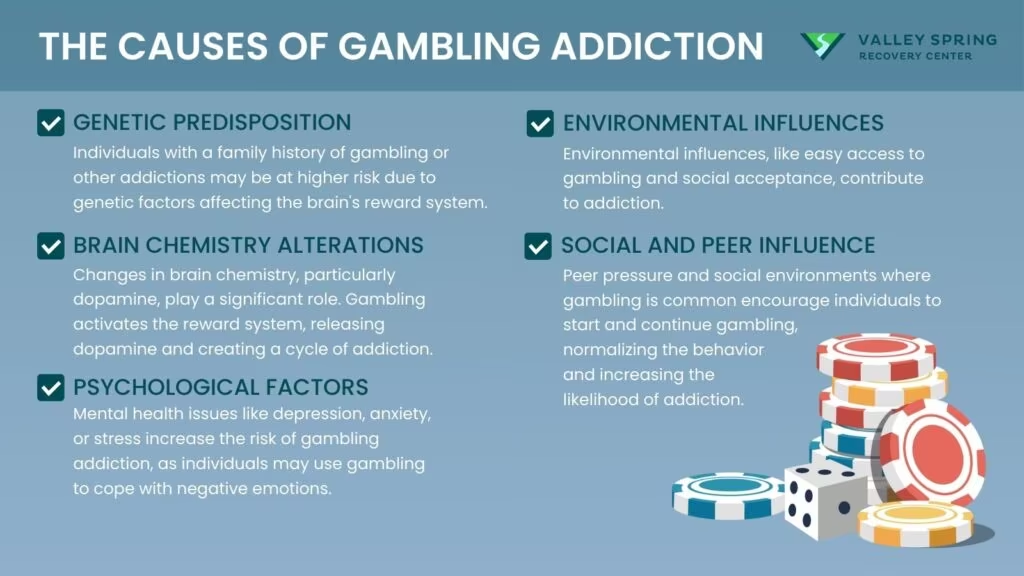
- Genetic Predisposition: Individuals with a family history of gambling addiction or other addictive behaviors may have a higher risk of developing the disorder. Genetic factors influence the brain's reward system, making some people more susceptible to addiction.
- Brain Chemistry Alterations: Changes in brain chemistry, particularly involving neurotransmitters like dopamine, play a significant role. Gambling activates the brain's reward system, releasing dopamine, which leads to a cycle of addiction as individuals seek to recreate the pleasurable feelings associated with winning.
- Psychological Factors: Mental health issues such as depression, anxiety, or stress increase the risk of developing gambling addiction. People may turn to gambling as a coping mechanism to escape their problems or alleviate negative emotions.
- Environmental Influences: Easy access to gambling opportunities, such as casinos, online gambling platforms, and lotteries, contribute to the development of addiction. Social acceptance and normalization of gambling behaviors also play a significant role, as individuals may be more likely to engage in gambling activities if they are seen as socially acceptable.
- Social and Peer Influence: Peer pressure and social environments where gambling is a common activity encourage individuals to start and continue gambling. Being part of a social group that regularly engages in gambling normalizes the behavior and increases the likelihood of addiction.
What are the effects of Gambling Addiction?
The effects of gambling addiction are financial ruin, damaged relationships, depression and anxiety, legal problems, job loss, and — in extreme cases — suicidal thoughts or attempts; anyone having thoughts of suicide can call or text 988, the Suicide and Crisis Lifeline, at any hour. The financial arithmetic alone explains the damage: pathological gamblers in the NCS-R reported largest annual losses averaging $4,800, sustained over a disorder course averaging 9.4 years, per Kessler 2008. Robert Ladouceur's 2004 paper "Gambling: the hidden addiction" in the Canadian Journal of Psychiatry organizes the key effects:
| Effect Category | Description |
| Financial Health Consequences | |
| Financial Ruin | Compulsive gambling often leads to significant financial problems, including mounting debts, bankruptcy, and the loss of savings. |
| Loss of Assets | Individuals may sell personal possessions or property to fund their gambling habits, leading to the loss of valuable assets and financial security. |
| Mental Health Issues | |
| Depression and Anxiety | The stress and guilt associated with gambling losses lead to severe depression and anxiety, exacerbating the addiction. |
| Suicidal Thoughts or Attempts | In extreme cases, the overwhelming burden of gambling debts and personal losses result in suicidal thoughts or attempts. |
| Social and Relationship Issues | |
| Damaged Relationships | Gambling addiction often strains relationships with family, friends, and partners due to lying, broken promises, and financial strain. |
| Isolation | Compulsive gamblers may withdraw from social activities and isolate themselves to hide their gambling behavior. |
| Legal Problems | |
| Criminal Activities | To sustain their gambling habits, some individuals may resort to illegal activities such as theft, fraud, or embezzlement, leading to legal troubles and incarceration. |
| Legal Fees and Penalties | Engaging in illegal activities to fund gambling results in high legal fees and penalties, compounding financial difficulties. |
| Occupational Consequences | |
| Job Loss | The preoccupation with gambling leads to decreased job performance, absenteeism, and eventual job loss. |
| Career Stagnation | Continuous gambling and its associated stress hinder career growth and professional development. |
What are the stages of Gambling Addiction?
The stages of gambling addiction are the winning phase, losing phase, desperation phase, and hopeless phase, each progressively worsening the gambler's behavior and consequences. The phase model comes from psychiatrist Robert Custer, who built the first US treatment program for compulsive gambling and described the progression clinicians still use:
| Stage | Description |
| Winning Phase | During the winning phase, individuals experience frequent wins, leading to excitement and increased gambling. This phase often includes an illusion of control and confidence. |
| Losing Phase | The losing phase is characterized by mounting losses and a growing obsession with gambling. Individuals may begin to chase losses, borrowing money and lying to cover up gambling activities. |
| Desperation Phase | In the desperation phase, the gambler's behavior becomes increasingly erratic and desperate. Significant financial problems, strained relationships, and legal issues are common. |
| Hopeless Phase | The hopeless phase is marked by severe personal and financial crises. Individuals may experience extreme depression, suicidal thoughts, and a sense of hopelessness, feeling unable to escape the cycle of addiction. |
What are the different types of Gambling Addiction?
The different types of gamblers are professional, casual social, serious social, relief-and-escape, personality, and compulsive-pathological gamblers, a typology also originated by Robert Custer, distinguishing gamblers by control, motivation, and risk of progression to the disorder:
| Type of Gambler | Description |
| Professional Gamblers | These individuals gamble as a primary source of income. They typically have a high level of control over their gambling activities and approach it as a business. |
| Casual Social Gamblers | Casual social gamblers gamble for entertainment and social interaction. They typically do not experience negative consequences from their gambling activities. |
| Serious Social Gamblers | Serious social gamblers spend more time and money on gambling than casual gamblers but still maintain control. Their gambling is a significant recreational activity. |
| Relief and Escape Gamblers | These individuals use gambling as a way to relieve stress, escape from problems, or cope with emotional issues. They are at higher risk of developing gambling problems. |
| Personality Gamblers | Personality gamblers exhibit traits such as Personality gamblers exhibit traits such as impulsivity and risk-taking behavior. They gamble for excitement and the thrill of winning, often leading to problematic gambling. |
| Compulsive-Pathological Gamblers | Compulsive-pathological gamblers have a severe addiction characterized by an inability to control their gambling behavior, leading to significant negative consequences. |
How can I help a loved one who has a gambling addiction?
Helping a loved one with a gambling addiction involves offering support and encouragement without enabling their behavior. Encourage them to seek professional help, such as therapy or support groups like Gamblers Anonymous. It is also important to educate yourself about the addiction, set boundaries, and provide emotional support while you navigate the recovery process.
Can gambling addiction be prevented?
Preventing gambling addiction involves raising awareness about the risks and promoting healthy behaviors. Educating young people about the potential dangers of gambling, encouraging open conversations about the subject, and promoting responsible gambling practices help. Additionally, limiting access to gambling opportunities and seeking early intervention for those at risk is an effective prevention strategy.
Is gambling addiction related to other mental health disorders?
Yes, gambling addiction is often related to other mental health disorders. Many individuals with gambling addiction also suffer from conditions such as depression, anxiety, or substance abuse. Addressing these co-occurring disorders is crucial in the treatment process, as they exacerbate gambling behaviors and complicate recovery.
How does gambling addiction affect families?
Gambling addiction has a profound impact on families. It often leads to financial strain, broken trust, and emotional distress among family members. Relationships may become strained due to the gambler's deceptive behaviors and financial irresponsibility. Family therapy is often recommended to address these issues and to help repair and rebuild family dynamics.
What are the long-term consequences of untreated gambling addiction?
Untreated gambling addiction leads to severe long-term consequences. Financially, it results in bankruptcy, loss of property, and long-term debt. Psychologically, it causes chronic stress, depression, and anxiety, and in extreme cases, leads to suicidal thoughts or actions. Socially, it results in isolation, damaged relationships, and legal troubles due to criminal activities undertaken to fund the gambling habit. Early intervention and treatment are critical to mitigating these long-term effects.
What are the Treatment Options for Gambling Addiction?
The treatment options for gambling addiction are cognitive behavioral therapy, support groups like Gamblers Anonymous, medication for co-occurring conditions, residential and outpatient programs, family therapy, and self-help strategies. The evidence base is specific: CBT reduces gambling behavior and symptom severity in randomized trials, per Cowlishaw and colleagues' 2012 Cochrane review, and no medication holds an FDA approval for gambling disorder — though naltrexone showed promise in Kim and colleagues' 2001 double-blind trial in Biological Psychiatry, where 75 percent of subjects on naltrexone were much or very much improved against 24 percent on placebo. New Jersey residents can reach the Council on Compulsive Gambling of New Jersey's confidential helpline at 1-800-GAMBLER, staffed 24 hours a day.
| Treatment Option | Description |
| Cognitive Behavioral Therapy (CBT) | CBT helps individuals identify and change unhealthy gambling behaviors and thought patterns. It focuses on developing coping strategies and problem-solving skills. |
| Support Groups | 12 step support groups like Gamblers Anonymous provide a supportive environment where individuals share experiences, receive encouragement, and build accountability. |
| Medication | In some cases, medications such as antidepressants or mood stabilizers may be prescribed to address underlying mental health issues that contribute to gambling addiction. |
| Residential Inpatient Programs | These programs offer intensive, structured treatment in a residential setting, providing a comprehensive approach to recovery with 24/7 support. |
| Outpatient Counseling | Outpatient counseling offers flexible therapy sessions that allow individuals to continue with daily responsibilities while receiving treatment. |
| Family Therapy | Family therapy involves family members in the treatment process to address relational dynamics and provide support for the individual's recovery. |
| Self-Help Strategies | Self-help strategies include techniques such as setting financial limits, avoiding gambling triggers, and engaging in healthy alternative activities to reduce gambling urges. |
Sources & References6ShowHide
- Petry NM, Stinson FS, Grant BF (2005). Comorbidity of DSM-IV pathological gambling and other psychiatric disorders: results from the National Epidemiologic Survey on Alcohol and Related Conditions. Journal of Clinical Psychiatry, 66(5), 564-574 — NESARC, 43,093 US adults: lifetime pathological gambling prevalence 0.42%; among pathological gamblers, 73.2% had an alcohol use disorder, 38.1% a drug use disorder, 60.4% nicotine dependence, 49.6% a mood disorder, 41.3% an anxiety disorder, and 60.8% a personality disorder; male sex, middle age, and divorced/separated/widowed status raised risk.
- Kessler RC, Hwang I, LaBrie R, Petukhova M, Sampson NA, Winters KC, Shaffer HJ (2008). DSM-IV pathological gambling in the National Comorbidity Survey Replication. Psychological Medicine, 38(9), 1351-1360 — Nationally representative NCS-R: 78.4% lifetime gambling, 2.3% problem gambling (at least one criterion), 0.6% pathological gambling; pathological gamblers first gambled at mean age 16.7 versus 23.9 for non-problem gamblers; problems typically began during the mid-20s and persisted an average of 9.4 years, with largest annual losses averaging $4,800; none of the respondents with pathological gambling had ever received gambling treatment, while 49.0% were treated for other mental disorders.
- Cowlishaw S, Merkouris S, Dowling N, Anderson C, Jackson A, Thomas S (2012). Psychological therapies for pathological and problem gambling. Cochrane Database of Systematic Reviews, 11, CD008937 — Cochrane review of randomized trials: cognitive behavioral therapy reduces gambling behavior and symptom severity in the months following treatment; evidence for durability beyond that horizon is limited, and motivational interviewing shows benefits on gambling frequency.
- Kim SW, Grant JE, Adson DE, Shin YC (2001). Double-blind naltrexone and placebo comparison study in the treatment of pathological gambling. Biological Psychiatry, 49(11), 914-921 — 83 subjects, 1-week placebo lead-in then 11-week double-blind trial, naltrexone titrated 25-250 mg/day: 75% of subjects on naltrexone were much or very much improved on both patient- and clinician-rated Clinical Global Impression versus 24% on placebo; naltrexone remains off-label for gambling disorder.
- Ladouceur R (2004). Gambling: the hidden addiction. Canadian Journal of Psychiatry, 49(8), 501-503 — Frames pathological gambling as a hidden addiction: no substance is ingested, the harms accumulate privately through finances and relationships, and the disorder presents late — the clinical case for active screening.
- Council on Compulsive Gambling of New Jersey. 1-800-GAMBLER helpline — The Council on Compulsive Gambling of New Jersey operates the 1-800-GAMBLER (1-800-426-2537) helpline offering confidential, 24/7 support and referrals for people with gambling problems and their families.