


Clinical guide
Self-Harm Addiction: Nonsuicidal Self-Injury, Risks, and Treatment
Repeated self-harm, or nonsuicidal self-injury, often regulates overwhelming emotions. Learn its warning signs, risks, assessment, and treatment.
By Paul James Roeser·Reviewed by Noelle Mathew, LCSW, LCADC, CASAC-M·11 min read
Published ·Updated
Self-harm describes deliberate injury to one's own body. When the behavior occurs without an intent to die, clinicians call it nonsuicidal self-injury (NSSI). "Self-harm addiction" is not a formal diagnosis; repeated injury is assessed by its function, frequency, medical severity, triggers, and relationship to suicide risk.
Self-harm and suicidal behavior are distinct, but they overlap. Active suicidal thoughts, a suicide plan, uncontrolled bleeding, loss of consciousness, or a life-threatening injury require immediate emergency help through 911 or the 988 Suicide & Crisis Lifeline.
Characteristics of self-harm addiction include engaging in repetitive and deliberate acts of self-injury to alleviate emotional distress through physical pain. Individuals often struggle with emotional regulation, using self-harm as a maladaptive coping mechanism to manage intense feelings such as anger, guilt, or sadness. About 17% of people experience self-harm during their lifetime, according to a study by The Recovery Village 2022, “Self-Harm Statistics and Facts.”
Self-harm manifests in various forms, including cutting, burning, hitting, hair-pulling, and less obvious behaviors like excessive scratching or skin picking. Cutting, in particular, is prevalent among adolescents and young adults and is 70-90% used as a method to alleviate emotional distress through physical pain, according to a study by Klonsky ED. et al. 2009, “The functions of self-injury in young adults who cut themselves: clarifying the evidence for affect-regulation.”
Self-harm addiction leads to serious health impacts, including physical scarring, infections, nerve damage, and tissue loss. Beyond physical harm, it is associated with increased risks of developing mood disorders like depression and anxiety, as well as personality disorders such as borderline personality disorder (BPD), according to an article by the American Psychological Association 2015, “A new look at self-injury.”
Assessing self-harm addiction involves clinical evaluation using tools like interviews, psychological questionnaires, and self-report measures, according to guidelines from the National Institute for Health and Care Excellence (NICE, 2022) on "Self-harm: assessment, management, and preventing recurrence." Risk assessment for suicidal ideation or attempts is crucial, especially in individuals experiencing severe emotional distress.
Effective treatment for self-harm addiction includes therapies like Cognitive Behavioral Therapy (CBT) and Dialectical Behavior Therapy (DBT), according to Turner BJ, Austin SB, and Chapman AL. et al. 2014, “Treating nonsuicidal self-injury: a systematic review of psychological and pharmacological interventions.” These therapies help individuals understand and manage triggers, develop healthier coping strategies, and address underlying emotional issues to promote long-term recovery.
What is Self Harm?
Self-harm refers to the deliberate, non-suicidal act of inflicting physical injury on oneself as a way to cope with overwhelming emotional distress or to communicate inner pain that is difficult to verbalize. It is not a suicidal gesture but a maladaptive coping mechanism often used by individuals experiencing intense feelings of sadness, anger, guilt, or numbness.
Lifetime prevalence of Non-suicidal self-injury (NSSI) in the community varies from approximately 6% of adults to 15-17% of adolescents and university students, according to Victor SE, Glenn CR, Klonsky ED. et al. 2012, “Is non-suicidal self-injury an "addiction"? A comparison of craving in substance use and non-suicidal self-injury.” In comparison, rates among clinical populations range from 20% to over 60%.
Common methods include cutting, burning, hitting, or scratching oneself. Self-harm provides temporary relief by redirecting emotional pain into physical pain. However, it often leads to serious bodily harm and is frequently associated with underlying mental health conditions such as depression, anxiety, or trauma.
Is Self-Harm Addictive?
Repeated self-harm follows a reinforcement cycle for some people because the behavior temporarily reduces intense negative emotion. Research comparing NSSI with substance use found that NSSI urges occur primarily during negative emotion and fit an emotion-regulation model more closely than a substance-addiction model. Repetition therefore signals a need for clinical assessment without turning every episode into an addiction diagnosis.
What Characterizes Repetitive Nonsuicidal Self-Injury?
The characteristics of self-harm include repetitive and deliberate behaviors aimed at coping with intense emotional distress like anger, guilt, or sadness, according to a study by Lloyd-Richardson EE, Perrine N, Dierker L, Kelley ML. et al. 2007, “Characteristics and functions of non-suicidal self-injury in a community sample of adolescents.” Individuals engage in these self-harming actions habitually, seeking temporary relief through physical pain despite the negative repercussions.
The 4 main characteristics of self-harm addiction are:
- Repetitive and Deliberate Behavior: Individuals with self-harm addiction often engage in these behaviors repetitively. This repetition serves as a coping mechanism to alleviate emotional turmoil temporarily. The act of self-harm, whether cutting, burning or other methods, provides a brief release of endorphins in the brain, which induce feelings of relief or numbness, according to a study by Hawton K, Kingsbury S, Steinhardt K, James A, Fagg J., et al. 1999, “Repetition of deliberate self-harm by adolescents: the role of psychological factors.” Over time, this repetitive behavior becomes habitual, with individuals feeling compelled to self-harm whenever they experience intense emotional distress.
- Emotional Regulation Difficulty: Difficulty in managing intense emotions is a significant characteristic of self-harm addiction, many individuals who self-harm struggle with regulating their emotions effectively. When faced with overwhelming feelings, self-harm becomes a maladaptive coping strategy to gain a sense of control or to distract from emotional pain, according to a study by Andover MS, Morris BW. et al. 2014, “Expanding and clarifying the role of emotion regulation in nonsuicidal self-injury.” This difficulty in emotional regulation is worsened by underlying mental health issues such as depression, anxiety, or trauma, making it challenging for individuals to find healthier ways to cope.
- Seeking Emotional Relief or Numbness: Another characteristic of self-harm addiction is the pursuit of emotional relief or numbness through physical pain. For some individuals, self-harm provides a way to escape from overwhelming emotions that feel unbearable. The act of causing bodily harm temporarily overrides emotional suffering, offering a distorted sense of control or relief, according to an article by Plymouth.gov.uk 2019, “Understanding Self-Harm.” This pursuit of relief through self-harm deepens the addictive cycle as individuals continue to seek out these behaviors despite negative consequences.
- Association with Negative Emotions: Self-harm addiction involves a strong association with negative emotions such as guilt, shame, or self-loathing. Individuals feel a sense of punishment or self-regulation through self-harm, believing they deserve the pain inflicted upon themselves, according to a study by Clapham R, Brausch A., et al. 2022, “Emotion regulation deficits across the spectrum of self-harm.” These negative emotions reinforce the addictive nature of self-harm, creating a cycle where the behavior provides temporary relief from emotional distress but also perpetuates feelings of shame or inadequacy.
What are the Types of Self-Harm?
Self-harm encompasses several types, primarily cutting, which is prevalent among adolescents and young adults. About 70-90% of individuals cut their selves in an attempt to harm themselves, according to a study by Klonsky, E. David. Et al. 2003, "Deliberate Self-Harm in a Nonclinical Population: Prevalence and Psychological Correlates."
The common types of self-harm are:
- Cutting is the most common type of self-harm, using sharp objects to make cuts on the skin.
- Burning involves using heat sources to cause burns on the skin, 15%-35 % resort to burning any part of their body, according to an article by Indiana Primary Health Care Association (IPHCA) 2024, “Self-Injury Awareness Month 2024.”
- Hitting includes hitting oneself against objects or using fists to strike oneself. About 21%-44% hit themselves or bang their heads against the surfaces, according to IPHCA.
- Hair-pulling, also known as trichotillomania, is where individuals pull out their hair, often in response to stress or anxiety.
- Excessive Scratching or Picking is another type of self-harm where repeatedly scratching or picking at the skin is used, sometimes leading to wounds.
How does Self Harm Addiction Affect Health?
Self-harm addiction affects health adversely. It can lead to various physical and psychological issues, impacting overall well-being.
- Physical Consequences
- Chronic infections
- Scarring
- Tissue damage
- Nerve damage
- Tissue loss
- Psychological Effects
- Mood disorders
- Personality disorders
- Low self-esteem
- Relationship difficulties
How Do Clinicians Assess Self-Injury and Suicide Risk?
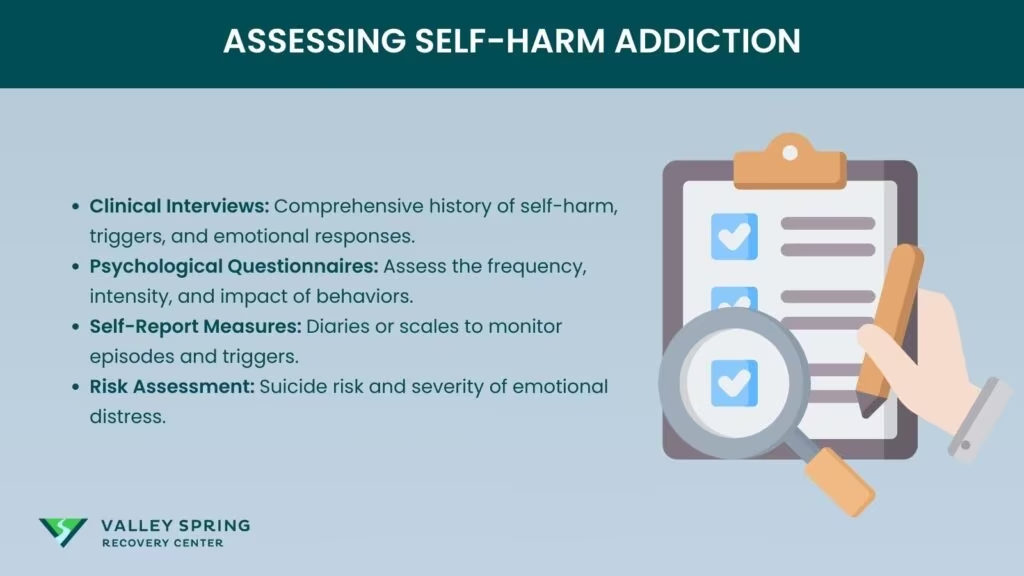
To assess self-harm as an addiction, a detailed evaluation focusing on the frequency of self-injurious behaviors and the psychological motivations behind them is essential. A thorough assessment should address the individual's immediate safety, specific needs, and underlying vulnerabilities contributing to self-harming behaviors, according to guidelines from the National Institute for Health and Care Excellence (NICE, 2022) on "Self-harm: assessment, management, and preventing recurrence."
Assessing self-harm as addiction includes:
- Clinical Evaluation
- Risk Assessment
Clinical Evaluation
- Comprehensive assessment by healthcare professionals to understand self-harm addiction's nature, severity, and underlying factors.
- Involves structured interviews, psychological testing, and medical history review to inform diagnosis and treatment planning.
- Clinical Interviews: Gather detailed information on self-harm history, triggers, and coping mechanisms.
- Psychological Questionnaires: Standardized tools assess the frequency, intensity, and impact of self-harm behaviors.
- Self-Report Measures: Individuals track their self-harm experiences to monitor progress and identify triggers.
Risk Assessment
- Evaluate the likelihood of further self-harm or suicidal behavior, considering factors like self-injury severity and support systems.
- Suicide Risk Assessment: Evaluating suicidal thoughts and plans to determine distress severity and harm potential.
- Severity of Emotional Distress: Assessing negative emotions driving self-injury, such as hopelessness and anger.
This assessment is crucial for intervention and safety planning, guiding urgent interventions and therapeutic support.
What are the Treatment Approaches for Self-Harm Addiction?
The treatment approaches for self-harm addiction focus on addressing underlying emotional dysregulation and developing healthier coping mechanisms, according to a study by Turner BJ, Austin SB, Chapman AL. et al. 2014, “Treating nonsuicidal self-injury: a systematic review of psychological and pharmacological interventions.” Structured psychotherapeutic approaches focusing on collaborative therapeutic relationships, motivation for change, and directly addressing harmful behaviors seem to be most effective in reducing self-harm addiction.
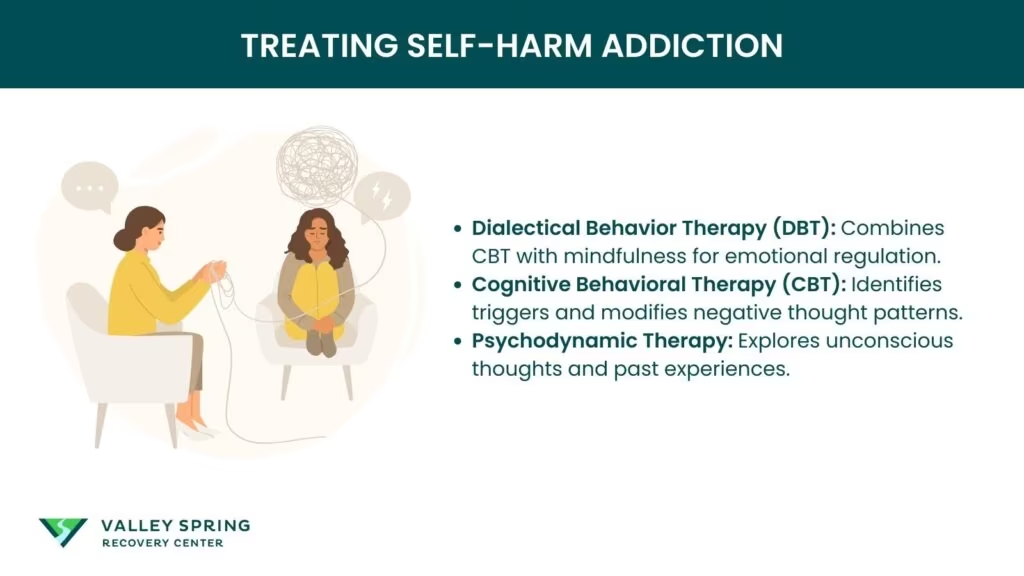
The 3 most effective treatment approaches for self-harm addiction are:
- Dialectical Behavior Therapy (DBT)
- Cognitive Behavioral Therapy (CBT)
- Psychodynamic Therapy
- Dialectical Behavior Therapy (DBT): DBT integrates cognitive behavioral therapy (CBT) with mindfulness strategies. It helps individuals regulate emotions, tolerate distress, and improve relationships. DBT is effective for self-harm addiction by teaching skills to manage intense emotions and fostering emotional resilience by replacing self-harming behaviors with healthier coping mechanisms.
- Cognitive Behavioral Therapy (CBT): CBT targets cognitive distortions and negative thought patterns related to self-harm. It helps individuals identify and challenge triggers and dysfunctional beliefs. By modifying harmful thought processes, CBT develops constructive responses to emotional distress and equips clients with skills to manage emotions and reduce self-harm incidents.
- Psychodynamic Therapy: Psychodynamic Therapy explores unconscious thoughts and unresolved past experiences. This therapy uncovers psychological conflicts and emotional pain driving self-harm. It helps individuals understand and address the root causes of self-harm and provides a framework for resolving past trauma and achieving emotional healing.
What are the Alternative Coping Strategies for Self-Harm Addiction?
The alternative coping strategies for self-harm addictions include practicing mindfulness and meditation, engaging in distracting activities, learning emotional regulation techniques, building social support, participating in therapeutic interventions, and creating safe environments. According to a study by Kilburn, E. & Whitlock, J.L. et al. 2009, “Distraction techniques and alternative coping strategies” in The Practical Matters Series, Cornell Research Program on Self-Injury and Recovery. These strategies provide healthier ways to cope with overwhelming feelings and triggers that contribute to self-harm behaviors.
The top 6 alternative coping strategies for self-harm addiction are:
- Mindfulness and Meditation: Practicing mindfulness and meditation helps individuals become more aware of their thoughts and emotions. It also allows them to respond to distressing feelings more calmly.
- Distracting Activities: Engaging in distracting activities distracts from self-harming urges and redirects focus towards constructive and enjoyable activities.
- Emotional Regulation Techniques: Learning emotional regulation techniques helps regulate intense emotions and reduces the need for immediate relief through self-injury.
- Social Support: Building social support provides emotional validation and offers alternative outlets for expressing feelings.
- Therapeutic Interventions: Participating in therapeutic interventions equips individuals with tools to challenge negative thoughts, helps manage emotions, and develops healthier coping mechanisms.
- Creating Safe Environments: Creating safe environments minimizes immediate access to tools that facilitate self-injury and involves removing or safely storing items used for self-harm.
Can Self-Harm Be a Sign of A Deeper Mental Health Issue?
Yes, self-harm indicates underlying psychological distress, such as depression, anxiety, or unresolved trauma. It serves as a maladaptive coping mechanism to manage overwhelming emotions that feel uncontrollable.
How Can You Help Someone Who Self-Harms?
Support starts with calm, nonjudgmental listening, direct questions about immediate safety, and connection to professional care. Do not shame, threaten, or demand a promise to stop. Involve a trusted adult when a minor is at risk, ask directly whether the person is thinking about suicide, and call or text 988 for crisis support. Call 911 when there is severe injury, loss of consciousness, an active suicide attempt, or immediate danger.
Is Self-Harm Addiction the Same as Suicidal Behavior?
Self-harm addiction is not the same as suicidal behavior. The intent is different, though one can lead to the other. While self-harm can coexist with suicidal thoughts or behaviors, they are not always synonymous.
How common is self-harm addiction among adolescents and young adults?
Self-harm is common among adolescents and young adults. US studies tend to find that the lifetime prevalence of common self-injury ranges from 12% to 37.2% in secondary school populations and 12% to 20% in young adult populations, according to a study by The Cornell University 2023, “Self-Injury & Recovery Resources (SIRR).” The frequency of self-harm varies among adolescents and young adults, but it's a concerning issue that requires attention. Early intervention and support are crucial in addressing self-harm behaviors and promoting mental health among this demographic.