


Clinical guide
Shopping Addiction/ Compulsive Buying Disorder (CBD): Signs, Causes and Treatment
Shopping addiction, or compulsive buying disorder, involves excessive purchasing to escape negative emotions. Learn the signs, causes, and treatment.
By Paul James Roeser·Reviewed by Noelle Mathew, LCSW, LCADC, CASAC-M·12 min read
Published ·Updated
Shopping addiction, also known as compulsive buying disorder, is characterized by excessive, unnecessary shopping to achieve pleasure and escape negative emotions. It manifests as preoccupation with shopping, unnecessary purchases, euphoria after shopping, regret, and debt accumulation.
Causes of shopping addiction include low self-esteem, anxiety, depression, and materialism. Effects of shopping addiction include intense happiness after shopping and anxiety when stopped from shopping, debt accumulation, and relationship difficulties.
To treat shopping addiction, a comprehensive approach involving medications, self-help management, financial counseling, and psychotherapy is effective.
According to Koran, Lorrin M. et al.’s 2006 study, “Estimated Prevalence of Compulsive Buying Behavior in the United States,” the prevalence of compulsive buying among the adult U.S. population was estimated at 5.8%, with a higher proportion reporting incomes under $50,000.
What is Shopping addiction?
Shopping addiction, also known as compulsive shopping or oniomania, is a behavioral disorder characterized by an inclination to acquire unnecessary or superfluous items and a lack of impulse control when it comes to shopping.
The compulsive buying disorder has a lifetime prevalence of 5.8% in the US general population, with most subjects being women (~80%). Subjects with CBD (compulsive buying disorder) report a preoccupation with shopping, prepurchase tension or anxiety, and a sense of relief following the purchase, according to Donald W. Black’s 2007 study “A review of compulsive buying disorder” published in World Psychiatry.
What is the difference between normal shopping and Shopping addiction?
The difference between normal shopping and shopping addiction is primarily distinguished by purpose, frequency, emotional state, and level of control. While normal shopping is a planned activity to acquire necessary goods, addiction is a compulsive, emotion-driven behavior that results in significant financial and personal strain.
The key differences between normal shopping and shopping addiction are:
| Aspects | Normal Shopping | Shopping Addiction |
| Purpose | To acquire necessary goods and services | To cope with emotional issues, stress, or boredom |
| Frequency | Occasional or regular | Frequent and compulsive |
| Control | Ability to stop or limit purchases | Loss of control over spending |
| Emotional State | Neutral or positive | Anxious, guilty, or euphoric |
| Impact on Finances | Minimal to moderate impact | Significant financial strain or debt |
| Relationship with Goods | Functional or practical use | Emotional attachment or possession |
| Planning | Budgeting and planning | Impulsive and unplanned purchases |
| Shopping Environment | Various locations and times | Specific stores, online platforms, or times |
| Decision-Making | Logical and Informed | Impulsive and emotional |
| Withdrawal | No withdrawal symptoms | Potential withdrawal symptoms, such as anxiety or irritability |
| Comorbidities | None of rare | Often co-occurs with other mental health conditions, such as depression or anxiety disorders. |
What Is The Difference Between Impulsive Shopping And Compulsive Shopping?
The difference between impulsive shopping and compulsive shopping is that impulsive shopping is unplanned and triggered by external temptation, whereas compulsive shopping is habitual and driven by negative feelings. Impulsive shopping is a reaction to a momentary temptation like a sale or advertisement, while compulsive shopping is a psychological struggle marked by an uncontrollable desire to shop, resulting in significant negative consequences.
What are the Signs and Symptoms of Shopping addiction?
Signs and symptoms of shopping addiction include impaired impulse control, shopping obsession, unneeded purchases, post-shopping euphoria, remorse, escalating debt, and concealed purchases.
Shopping addiction is a research construct rather than a diagnosis. Andreassen, Cecilie Schou et al. (2015) "The Bergen Shopping Addiction Scale: reliability and validity of a brief screening test", Frontiers in Psychology, validated a seven-item measure against 23,537 respondents and found that scores rose with anxiety, depression and low self-esteem, and fell with age. The DSM-5 does not list compulsive buying as a disorder.
1. Lack of impulse control
A key symptom of shopping addiction is a lack of impulse control, where individuals make rapid and excessive buying decisions without considering the consequences. Impulse control disorders involve failing to resist urges or performing acts harmful to oneself or others. Factors contributing to impaired impulse control include genetic predisposition, brain chemistry, particularly dopamine release, and co-occurring mental disorders such as anxiety, mood, or eating disorders.
2. Unnecessary purchases
Shopping addiction drives individuals to buy items they do not need to maintain personal or social identity. This behavior provides temporary satisfaction and reinforces compulsive buying patterns. Excitement from the buying process, the desire for social validation, and using shopping to manage negative emotions all contribute to accumulating unnecessary and unaffordable purchases.
3. Triggers a Feeling of Euphoria after shopping
Compulsive buyers experience euphoria after shopping, a state of intense happiness or well-being triggered by a dopamine rush from acting on impulsive urges. The shopping experience produces excitement and emotional pleasure, which strengthens the cycle of compulsive buying and reinforces the addiction.
4. Preoccupation with shopping
Preoccupation with shopping involves excessive thoughts about buying, searching for deals, and planning purchases. This symptom leads to uncontrolled buying episodes despite awareness of financial or emotional consequences. Preoccupation with shopping, both online and offline, dominates daily thoughts and negatively impacts well-being.
5. Regret After Shopping
Regret after shopping manifests as guilt, shame, and distress following purchases. Compulsive buyers recognize the negative outcomes of their behavior but struggle to stop, creating repeated cycles of impulsive spending and post-purchase remorse.
6. Stockpile of Debt
Shopping addiction frequently leads to accumulating significant debt, particularly through credit cards. As debt grows, individuals spend more to manage payments, further worsening their financial strain. Compulsive buyers are substantially less likely to pay off credit balances in full, deepening the cycle of financial difficulty.
7. Hiding Purchases
Hiding purchases is a strategy to conceal excessive buying and avoid confronting financial or social consequences. Individuals with shopping addiction often hide items from family or friends due to shame or guilt, reinforcing secrecy and prolonging compulsive behavior.
8. Impacts on Relationships with Family and Friends
Shopping addiction negatively affects relationships, creating tension, conflict, and emotional neglect. Financial strain, impulsive behavior, and preoccupation with buying erode trust and weaken social bonds. Genetic predisposition and emotional reliance on shopping intensify the problem, making recovery difficult without intervention and support from family, friends, or support groups.
What Are The Causes Of Shopping Addiction?
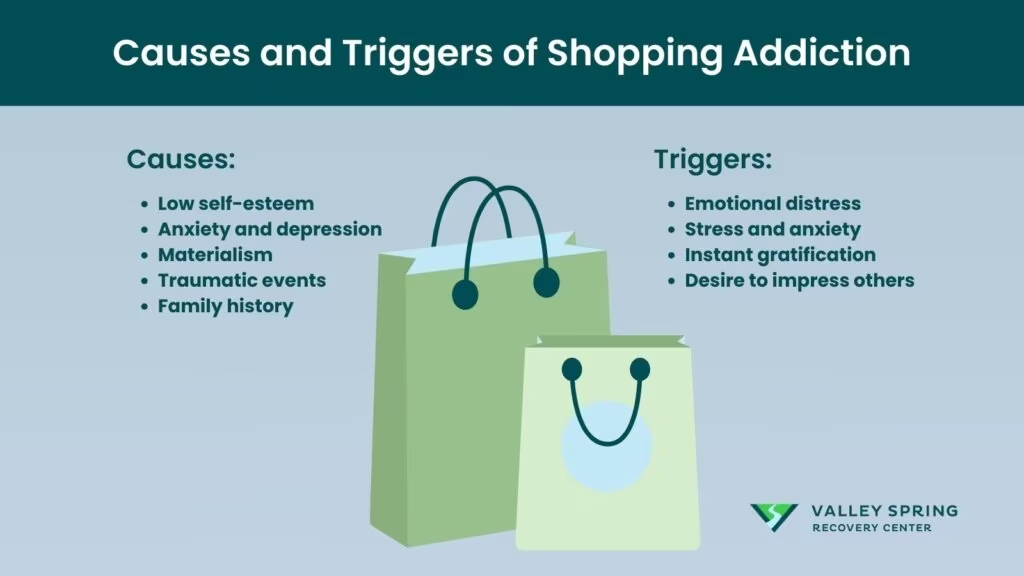
Causes of shopping addiction include low self-esteem, stress, anxiety, traumatic events, depression, and instant gratification. These factors relate to emotional distress, a desire for control, or societal pressures.
The 7 common causes of shopping addiction are:
1. Low self-esteem
Individuals with low self-esteem engage in compulsive buying to compensate for feelings of unworthiness and emptiness. Low self-esteem drives shopping as a means to boost self-worth and achieve temporary emotional relief. This pattern contributes directly to the development of shopping addiction.
2. Stress, anxiety and Depression
Stress, anxiety, and depression increase the likelihood of developing shopping addiction. Adolescents experiencing high tension or anxiety sometimes turn to shopping to relieve emotional pressure, which correlates with depressive symptoms, substance use, and aggressive behaviors. Using shopping as a coping mechanism reinforces the cycle of addictive behavior and creates additional psychological challenges.
3. Traumatic event
Childhood trauma, including witnessing violence or experiencing emotional abuse, contributes to self-regulatory difficulties in adulthood. Individuals with such trauma often develop compulsive buying behaviors as a mechanism to manage unresolved emotional pain and regain a sense of control.
4. Family history
Genetics and family environment significantly influence the development of shopping addiction. Individuals with a close family member who experiences psychological disorders are more likely to develop compulsive buying behaviors. Dysfunction in brain regions such as the frontal cortex and striatum also plays a role in reinforcing addictive patterns.
5. Escaping reality
Shopping addiction occurs when individuals use shopping as a way to escape life’s challenges. They perceive buying items as a form of emotional relief, temporarily diverting attention from unpleasant feelings or stressful situations. This reliance on shopping as a coping strategy strengthens compulsive patterns and reinforces the addiction cycle.
6. Instant gratification
The desire for instant gratification drives shopping addiction by providing immediate pleasure. The reinforcement of this pleasure strengthens impulsive buying behaviors, even when purchases lead to financial strain or emotional distress. The cycle of immediate reward creates patterns similar to other addictive disorders.
7. Impressing others
Materialistic values motivate some individuals to engage in compulsive buying to achieve social status or personal validation. Seeking approval through possessions reinforces excessive shopping behaviors. The focus on material success and social perception intensifies the addictive cycle, making it difficult for individuals to break free from the compulsion.
What Are The Effects Of Shopping Addiction?
The effects of Shopping addiction include severe financial instability, strained personal relationships, worsened mental health, and a decline in work performance. Compulsive buying can spiral into various negative outcomes, creating a continuous cycle of guilt and emotional distress.
The common effects of shopping addiction are:
- Financial debt: Shopping addiction creates mounting credit card balances and loan obligations that result in severe financial instability and damaged credit scores.
- Relationship strain: Compulsive buying generates secrecy, broken trust, and frequent conflicts that lead to separation risk and reduced family harmony.
- Anxiety and depression: Shopping addiction produces post-purchase guilt and emotional distress that result in persistent negative mood cycles and worsened mental health.
- Work performance decline: Overshopping behavior causes workplace distractions and policy violations that result in poor reviews, warnings, or job termination.
- Sleep disruption: Shopping preoccupation triggers late-night browsing sessions and overthinking that produces chronic insomnia and daytime fatigue.
- Physical health problems: Chronic financial stress elevates blood pressure and creates tension that results in headaches, cardiovascular risk, and reduced vitality.
- Legal consequences: Unmanaged debt cycles trigger bankruptcy proceedings and collection actions that result in lengthy legal battles and financial recovery timelines.
- Hoarding and clutter: Repeated unnecessary purchases accumulate unused items and disorganization that degrade living space quality and daily functioning ability.
How To Cure Shopping Addiction?
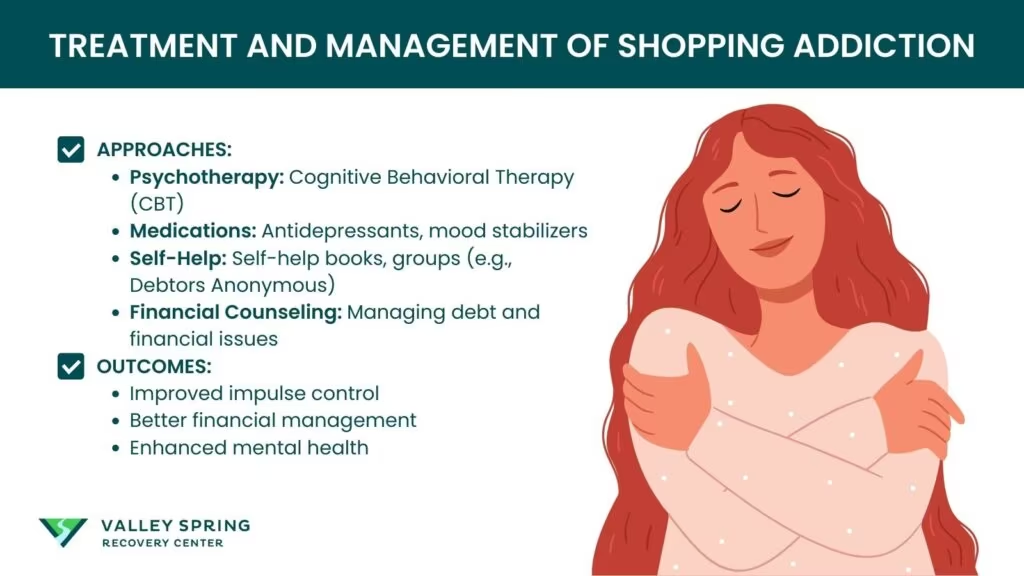
To cure shopping addiction, one should implement a multi-faceted approach involving Cognitive-behavioral therapy, psychotherapy, medications, professional guidance, engaging in therapeutic self-help resources, and implementing strict financial management strategies.
The steps to cure shopping addiction are:
Cognitive-behavioral therapy (CBT)
Cognitive-behavioral therapy (CBT) is a form of psychotherapy that effectively reduces compulsive buying in shopping addiction cases. It addresses the underlying thoughts and behaviors driving the addiction, helping individuals establish healthier purchasing patterns and improve their emotional well-being.
Psychotherapy
Psychotherapy is a mental health treatment that uses verbal communication. No standard approach exists for treating shopping addiction. Treatment recommendations depend on individual conditions.
Common psychotherapy measures for shopping addiction include psychoanalysis, family therapy, behavioral therapy, cognitive therapy, and cognitive behavioral therapy.
Medications
In treating shopping addiction, medications such as antidepressants, opioid antagonists, and mood stabilizers are often employed. There isn't a universally recognized standard pharmacological treatment for Compulsive Buying Disorder.
Self-help books
Individuals struggling with shopping addiction use self-help books to address compulsive buying when professional therapy is unavailable. These books provide personal accounts, practical strategies, and research-based insights to help readers understand their spending patterns and develop healthier habits.
Self-help groups
Self-help groups gather people who share experiences with shopping addiction and debt. Organizations like Debtors Anonymous and Simplicity Circles offer financial guidance, emotional support, and accountability to members. Participation in these groups helps individuals manage compulsive buying, address financial consequences, and reduce emotional stress.
Financial counseling
Financial counseling assists individuals facing financial strain due to compulsive buying. Counselors provide strategies for managing debt, budgeting, and creating spending plans, which help reduce impulsive purchasing and restore financial stability. Financial counseling strengthens the individual’s control over finances and supports recovery from shopping addiction.
What Are The Drug Treatments For Shopping Addiction?
The drug treatments for shopping addiction are antidepressants, including fluvoxamine, citalopram, escitalopram, and sertraline, opioid antagonists like naltrexone, mood stabilizers such as topiramate, and combination therapies including mirtazapine with bupropion. These medications address underlying symptoms, including depression, anxiety, and impulsivity, that contribute to compulsive buying behaviors. Among these, fluvoxamine is the most commonly prescribed medication for shopping addiction treatment, while citalopram has shown particularly promising results in clinical trials with patients reporting significant loss of interest in shopping within 1-2 weeks of treatment. These medications do not cure shopping addiction but help control the underlying neurochemical imbalances and co-occurring mental health conditions that drive the compulsive behavior, making them most effective when combined with cognitive behavioral therapy and other therapeutic interventions.
How To Cope With Shopping Addiction?
To cope with shopping addiction, use cash instead of credit cards to control spending and establish strict budgets. Seek professional therapy, particularly cognitive behavioral therapy, to address emotional triggers. Remove temptations by deleting shopping apps and avoiding malls. Build a support network with friends, family, or groups like Debtors Anonymous for accountability. Replace shopping urges with positive activities such as exercise or hobbies. Practice mindfulness and implement waiting periods before purchases to break impulsive habits and promote financial stability and emotional well-being.
Is Shopping Addiction Connected To Drug Addiction?
Yes. Shopping addiction connects to drug addiction through shared brain reward mechanisms that both behaviors activate. Both conditions exhibit cravings, withdrawal symptoms, and compulsive behaviors while activating similar brain reward pathways. Research shows individuals with shopping addiction face higher risks for developing substance use disorders due to underlying psychological factors. Mental health professionals classify shopping addiction as a behavioral addiction that functions similarly to drug addiction through loss of impulse control and compulsive patterns.
Between Men And Women, What Is The Majority Of Shopping Addiction?
Between men and women, women are more likely to have a majority of shopping addiction. According to Koran, Lorrin M. et al.’s 2006 study “Estimated Prevalence of Compulsive Buying Behavior in the United States”, the estimated point prevalence of compulsive buying among respondents was 6.0% for women and 5.5% for men.
Is There A Connection Between Shopping Addiction And Depression?
Yes, there is a connection between shopping addiction and depression. Shopping addiction leads to long-term depression, as it stems from chronic anxiety, financial difficulties, relationship issues, and feelings of inadequacy.
Is Shopping Addiction Classified As A Disease?
No, shopping addiction is not officially classified as a disease, but is included in ICD-11 as "other specified impulse control disorders," with many experts advocating for its recognition as a behavioral addiction. The World Health Organization recognizes compulsive buying-shopping disorder as a distinct condition requiring professional treatment while research continues toward establishing formal diagnostic criteria.