How Stop Drug Addiction
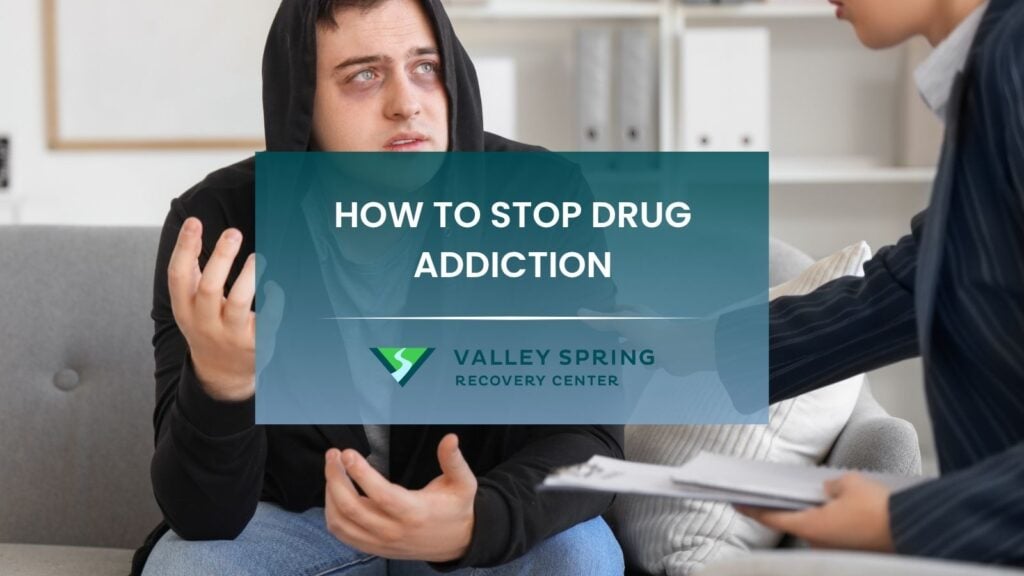
Stopping drug addiction requires a realistic approach that addresses biological, psychological, and social factors. Addiction is not a failure of willpower; it is a complex brain disorder that is treated with the right strategies, professional help, and support systems.
According to the New Jersey Department of Human Services (2024), over 320,000 adults in the state reported receiving help for substance use, highlighting how accessible and effective recovery pathways have become.
Stopping or preventing drug addiction begins with recognizing the problem, accessing evidence-based treatment, and building a sustainable plan for recovery. Recovery success depends on identifying triggers, building emotional resilience, and maintaining social support systems that reinforce sobriety and mental health. Integrating therapy, family involvement, and long-term wellness practices ensures sustainable recovery and reduces relapse risk over time.
How To Stop Drug Addiction?

To stop drug addiction, follow a structured plan that integrates medical supervision, behavioral therapy, social support, and long-term relapse prevention. Stopping drug addiction safely requires gradual detoxification, psychological treatment, and consistent aftercare to prevent relapse and support brain and body recovery.
The following are the ways you can stop drug addiction safely:
Did you know most health insurance plans cover substance use disorder treatment? Check your coverage online now.
1. Medical Detoxification
Medical detoxification removes harmful substances from the body while minimizing withdrawal symptoms through supervised medical care. It is the first step toward safe recovery and provides physical stabilization before behavioral treatment begins.
During detox, clinicians monitor vital signs, hydration, and mood changes to reduce risks such as seizures or cardiac complications. Medications like buprenorphine and methadone are commonly prescribed to manage opioid withdrawal, while benzodiazepines or gabapentin are used for alcohol and stimulant detox, as studied by the Substance Abuse and Mental Health Services Administration [SAMHSA], 2023.
Medical detox provides both biological stabilization and psychological reassurance, allowing individuals to begin recovery without severe discomfort. However, detox alone is insufficient for long-term abstinence; it serves as a bridge to therapy and structured support.
2. Behavioral Therapies
Behavioral therapies help individuals modify thought patterns, manage triggers, and develop adaptive coping skills essential for long-term recovery. These evidence-based interventions address both the psychological drivers of addiction and the learned behaviors that sustain it.
The following are the behavioral therapies that help stop drug addiction safely:
- Cognitive Behavioral Therapy (CBT): CBT teaches patients to identify and replace harmful thought patterns with constructive ones, reducing emotional triggers that lead to substance use. According to Hofmann et al. (2012), CBT has proven effective for substance use disorders by restructuring neural pathways associated with craving and impulsivity.
- Contingency Management (CM): CM uses tangible rewards to reinforce sobriety and treatment adherence. Studies published by Petry NM et al. 2017, titled “Contingency management treatment for substance use disorders: How far has it come, and where does it need to go?” found that CM participants were 50% more likely to maintain abstinence compared to those receiving standard care.
- Motivational Interviewing (MI): MI focuses on building internal motivation rather than imposing external pressure. Miller and Rollnick (2013), in their research titled “Motivational interviewing: Helping people change (3rd ed.),” describe MI as a patient-centered approach that enhances willingness to change by resolving ambivalence, a common barrier in addiction recovery.
3. Support Systems
Strong social and emotional networks significantly improve recovery outcomes. Addiction recovery is not a solitary process; it thrives on community accountability and shared understanding. Participation in organizations such as Narcotics Anonymous (NA) or SMART Recovery provides ongoing peer encouragement and structured accountability.
According to Kelly et al. (2020), individuals attending support groups at least once per week had 2.5 times higher odds of sustained recovery after one year. These support systems strengthen emotional resilience and social reinforcement, reducing the likelihood of relapse through belonging and empathy.
Contact us today to schedule an initial assessment or to learn more about our services. Whether you are seeking intensive outpatient care or simply need guidance on your drug addiction journey, we are here to help.
4. Ongoing Aftercare
Ongoing aftercare is the most critical component of sustainable recovery. It involves continued counseling, relapse prevention education, and integration of healthy lifestyle practices.
Aftercare helps individuals transition from structured treatment to independent living while maintaining accountability. Activities include regular therapy sessions, mindfulness training, and wellness routines such as exercise and balanced nutrition.
According to McLellan et al. (2014), in their study titled “Reconsidering the evaluation of addiction treatment: from retrospective follow-up to concurrent recovery monitoring,” individuals who engage in structured aftercare for at least 12 months reduce their relapse risk by nearly 50%. Continuous care supports neuroplastic recovery, helping the brain repair damaged circuits responsible for reward, impulse control, and emotional regulation.
Relapse prevention strategies in aftercare include identifying triggers, setting boundaries, and maintaining consistent contact with therapists or recovery peers. This ongoing structure helps reinforce long-term behavioral stability and a renewed sense of purpose.
5. Family Involvement
Family involvement helps stop drug addiction by providing structure, accountability, and emotional support throughout recovery. Families play a central role in sustaining motivation and preventing relapse by fostering stability and trust.
Families can help in stopping drug addiction by:
- Setting clear, compassionate boundaries: Boundaries establish mutual respect and safety during recovery. They prevent enabling behaviors while allowing the individual to take responsibility for their choices.
- Encouraging treatment participation: Families who actively promote therapy and medical care help normalize treatment as a positive step. Consistent encouragement increases adherence to recovery programs.
- Avoiding enabling behaviors: Refusing to cover up or excuse substance use helps the individual face consequences and seek help. This approach reinforces accountability and breaks dependency cycles.
- Attending family therapy to rebuild trust and communication: Joint sessions improve understanding, repair emotional wounds, and align goals. Family therapy also teaches healthy communication techniques that support long-term sobriety.
6. Professional Treatments
Treatment options for drug addiction include medical, psychological, and community-based programs designed to meet individual needs.
The following are the treatment options for drug addiction:
- Inpatient and Residential Treatment: Inpatient programs offer 24-hour supervision and structured therapy for severe addictions. Patients receive integrated care, including detox, counseling, and relapse prevention planning.
- Outpatient and Intensive Outpatient Programs (IOP): Outpatient care allows flexibility for those with work or family obligations. It includes regular therapy sessions and support groups. IOPs provide more frequent contact while maintaining independence.
- Medication-Assisted Treatment (MAT): MAT combines FDA-approved medications with behavioral therapy to treat substance use disorders effectively. It helps reduce cravings and stabilize brain function.
- Dual Diagnosis Treatment: Many people with addiction also have co-occurring mental health disorders. Dual diagnosis programs address both conditions simultaneously, improving long-term recovery prospects.
Rediscover Life at Valley Spring Recovery Center
Get the compassionate support you deserve. We're here to help you reclaim joy, wellness, and a brighter future.
Verify Benefits
What Are the Best Ways to Prevent Drug Addiction?
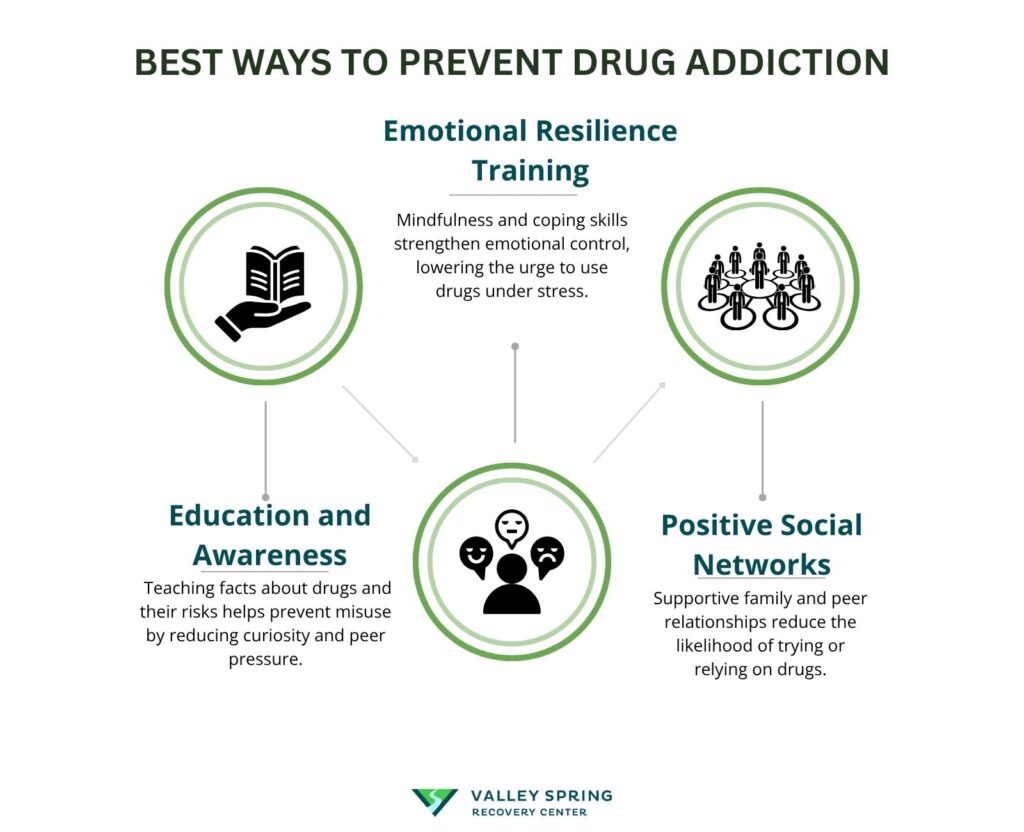
The best ways to prevent drug addiction include early education, emotional skill development, and fostering protective social environments. Prevention is most effective when started early and maintained across different life stages. According to the National Institute on Drug Abuse (NIDA, 2023), early preventive interventions reduce the initiation of substance use by up to 30% when reinforced through consistent family and community involvement.
The best ways to prevent drug addiction are as follows:
Education and Awareness
Knowledge-based prevention reduces curiosity, misinformation, and peer pressure surrounding substance use. Education shapes perceptions before drug exposure occurs, lowering the risk of experimentation and misuse.
School-based prevention programs such as LifeSkills Training and Botvin Program teach adolescents how to understand the biological and social risks of drugs while improving decision-making and resistance skills. Research by Botvin and Griffin (2015) found that students participating in these programs were 60% less likely to use illicit substances compared to non-participants.
Community and workplace awareness campaigns extend prevention into adulthood. Consistent public messaging through digital platforms and local outreach reinforces the understanding that addiction is a preventable health condition rather than a personal failure.
Emotional Resilience Training
Developing emotional resilience equips individuals to handle stress, trauma, and life challenges without resorting to drugs as a coping mechanism. Prevention programs that emphasize emotional intelligence and mindfulness strengthen mental health and reduce impulsive behaviors linked to substance use. Regular mindfulness or meditation practices help regulate stress hormones like cortisol and promote emotional control.
A study by Tang et al. (2016) titled “Mindfulness meditation improves emotion regulation and reduces drug abuse” showed that individuals who practiced mindfulness regularly demonstrated improved emotional regulation and reduced physiological stress responses associated with addiction risk.
Encouraging healthy emotional expression in family and school environments also prevents emotional suppression. Cognitive-behavioral emotion regulation techniques, combined with consistent physical activity and nutrition, stabilize neurotransmitters like dopamine and serotonin.
Positive Social Networks
Social connection is one of the strongest protective factors against substance misuse. Stable relationships create accountability, belonging, and emotional safety. These conditions reduce the likelihood of drug experimentation. Family engagement through shared routines, open communication, and monitoring significantly lowers risk behaviors.
A study by Hawkins et al. (2018) titled “Differential Effects of Parental Controls on Adolescent Substance Use: For Whom Is the Family Most Important?” found that adolescents with strong parental attachment and supervision had a 40% lower likelihood of initiating drug use compared to peers with weak family ties.
Peer and community support systems also reinforce positive behavior. Programs like Big Brothers Big Sisters of America provide mentorship that models healthy social interaction and promotes resilience.
Are you covered for treatment?


Valley Spring Recovery Center is an approved provider for Blue Cross Blue Shield and Cigna, while also accepting many other major insurance carriers.
Check Coverage Now!How Can You Cope With Cravings and Triggers?
You can cope with cravings and triggers by building awareness, using behavioral tools, and reshaping your environment. Cravings are intense but short-lived, and learning to manage them reduces relapse risk. Identifying triggers, such as stress, certain people, or specific places, helps you anticipate and prevent exposure.
Distraction techniques like exercise, journaling, or calling a supportive contact redirect focus during cravings. Mindfulness and deep breathing calm the nervous system and restore control during moments of temptation. Maintaining structured daily routines limits idle time and promotes stability. Each time a craving is managed successfully, the brain strengthens pathways that support resilience and long-term recovery.
How Can You Build a Relapse Prevention Plan?
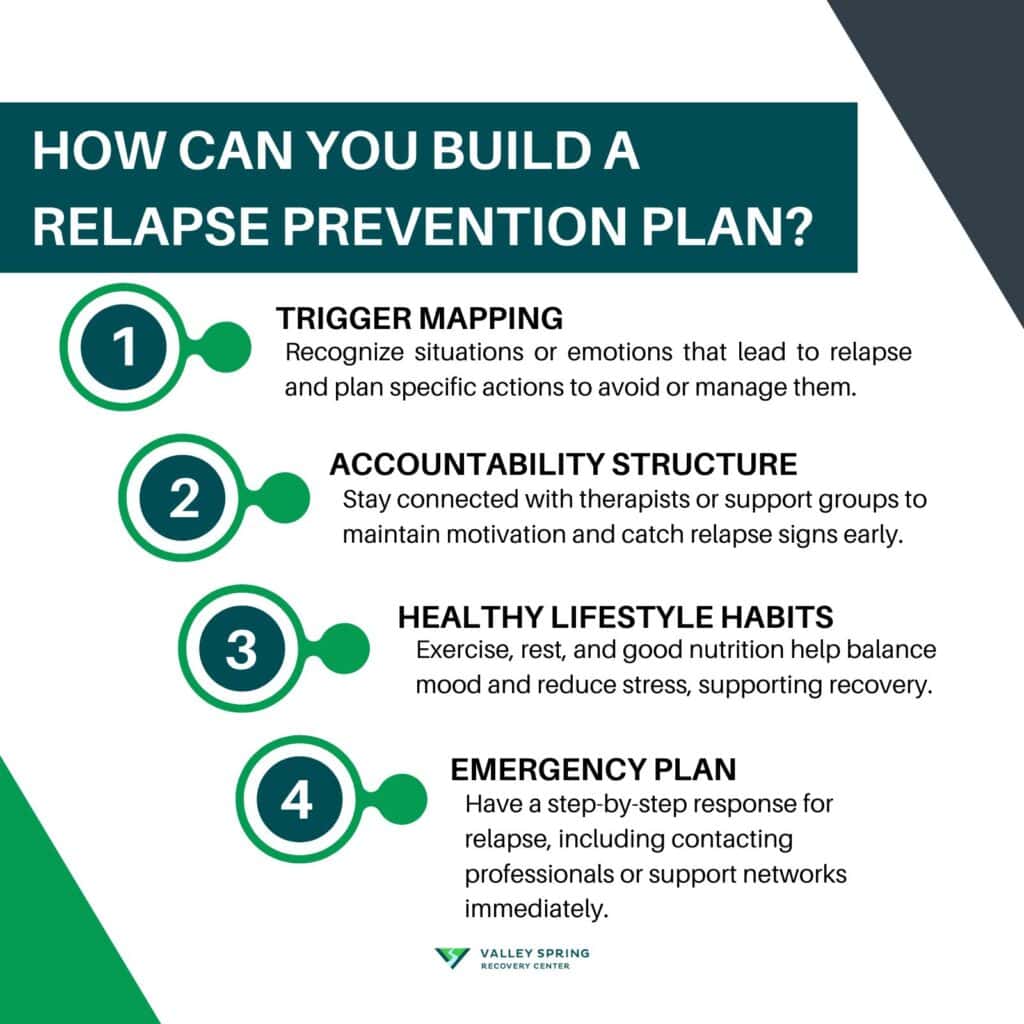
You can build a relapse prevention plan by anticipating challenges and creating structured coping strategies that promote long-term stability. A well-designed relapse plan helps identify early warning signs and reinforces preventive actions before a setback occurs.
Key components of a relapse prevention plan include:
- Trigger mapping: Identify high-risk situations, emotions, or people that prompt relapse. Define clear, actionable responses such as leaving triggering environments or contacting a support person.
- Accountability structure: Maintain regular contact with a therapist, support group, or sponsor. Consistent accountability reinforces motivation and provides early intervention when relapse risks increase.
- Healthy lifestyle habits: Prioritize physical activity, proper sleep, and balanced nutrition. These habits stabilize mood, reduce stress, and improve overall mental and physical health.
- Emergency plan: Prepare a clear set of steps for immediate action if relapse occurs. This includes reaching out to a therapist, calling a helpline, or attending an emergency meeting to regain control quickly.
What Role Does Mental Health Play in Addiction Recovery?
Mental health directly influences addiction outcomes. Conditions such as depression, anxiety, or PTSD coexist with substance use.
Effective recovery requires integrated treatment addressing both mental and physical health. Cognitive therapy, medication management, and mindfulness practices improve emotional balance.
This connection aligns with insights from the Psychological and Mental Health Effects of Addiction, showing that emotional stability enhances long-term recovery and reduces relapse risk.
Did you know most health insurance plans cover substance use disorder treatment? Check your coverage online now.
How Can You Help a Loved One Struggling With Drug Addiction?
You can help a loved one struggling with drug addiction by combining empathy with firm boundaries and informed support. Begin by approaching conversations without judgment and offering accurate information about available treatment options.
Encourage professional help instead of personal confrontation, and celebrate small recovery milestones to reinforce progress. Avoid enabling behaviors that sustain addiction, and consider participating in family education programs or therapy sessions to strengthen communication and support within the recovery process.
How Can You Maintain Long-Term Recovery After Drug Addiction Treatment?
You can maintain long-term recovery after drug addiction treatment by commitment, structure, and purpose. Long-term recovery thrives when individuals maintain both self-discipline and community engagement.
Essential habits that ensure long-term recovery after addiction treatment include:
- Continuing therapy or counseling sessions.
- Staying active in recovery communities.
- Pursuing education, volunteering, or employment to create meaning.
- Prioritizing physical health through diet and exercise.
How Does Drug Addiction Affect Psychological and Mental Health?
Drug addiction affects psychological and mental health by disrupting brain chemistry and emotional regulation, leading to anxiety, depression, and mood instability. Addressing these issues through integrated treatment improves recovery outcomes and quality of life.
Share This Post

Valley Spring Editorial Team
All author posts
Our Therapuetic Recovery Programs
Are you covered for treatment?



Valley Spring Recovery Center is an approved provider for Blue Shield of California and Cigna, while also accepting many other major insurance carriers.
Check Coverage Now!