Morphine Addiction: Symptoms, Causes, Effects and Treatment
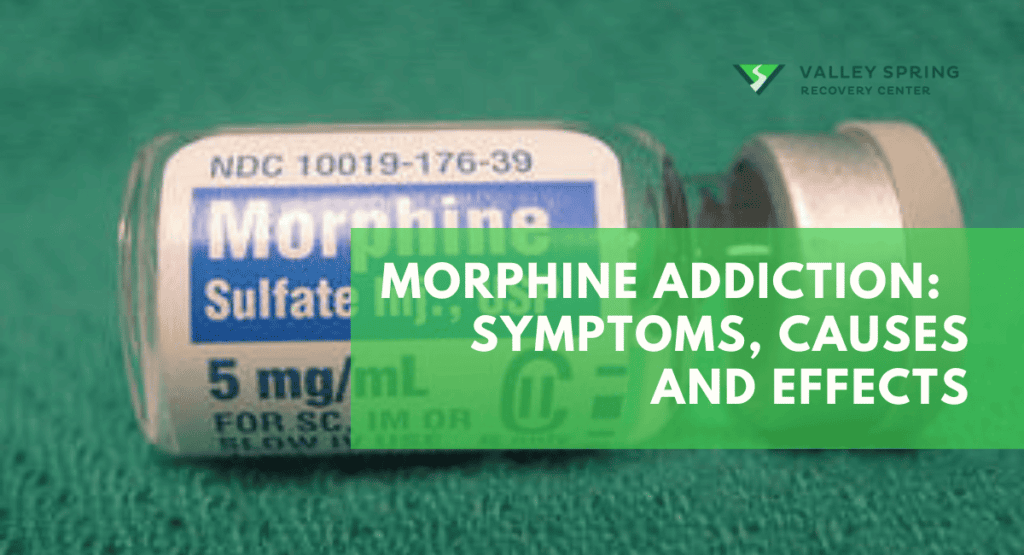
Morphine is derived from the opium poppy plant and is commonly used to relieve severe pain. When used as prescribed for short-term pain management, morphine can be highly effective. However, prolonged or recreational use of morphine can lead to tolerance, dependence, and addiction. Tolerance occurs when the body becomes accustomed to the presence of morphine, requiring higher doses to achieve the same pain relief or euphoric effect. According to the DEA fact sheet on Morphine, In the United States, a small percentage of the morphine obtained from opium is used directly for pharmaceutical products. The remaining morphine is processed into codeine and other derivatives.
The symptoms of morphine addiction encompass physical manifestations such as tolerance, withdrawal symptoms, and increased pain sensitivity, as well as psychological signs like cravings, mood swings, and impaired cognitive function, all of which can significantly impact an individual’s well-being and daily functioning.
The causes of morphine addiction are multifaceted and can include a combination of factors such as genetic predisposition, prolonged or excessive use of morphine for pain management, self-medication for underlying mental health conditions, environmental influences, and a history of substance abuse or addiction.
The effects of morphine addiction can impact various aspects of an individual’s life, including physical health with risks of respiratory problems and weakened immune system, psychological well-being with increased risk of mental health disorders, strained relationships, occupational and financial instability, and elevated risk of overdose and potential fatality.
What is Morphine Addiction?
Morphine addiction is a chronic and destructive condition characterized by physical dependence, intense cravings, and a range of adverse effects on an individual’s health, relationships, and overall functioning, necessitating comprehensive treatment and support for recovery.
Morphine addicts develop a physical and psychological dependence on morphine and will continue to use the drug despite its negative consequences on their life and their families and loved ones’ lives.
Did you know most health insurance plans cover substance use disorder treatment? Check your coverage online now.
How Does Morphine Tolerance And Dependence Develop?
Morphine tolerance and dependence develop through prolonged or recreational use of the drug. Tolerance occurs when the body becomes accustomed to the presence of morphine, requiring higher doses to achieve the same pain relief or euphoric effect. Dependence develops when the body adapts to the presence of morphine and experiences withdrawal symptoms when the drug is discontinued or reduced. Individuals with morphine addiction often experience intense drug cravings, compulsive drug-seeking behavior, and a loss of control over their drug use. They may prioritize obtaining and using morphine over other aspects of their life, leading to disruptions in relationships, work, and daily functioning.
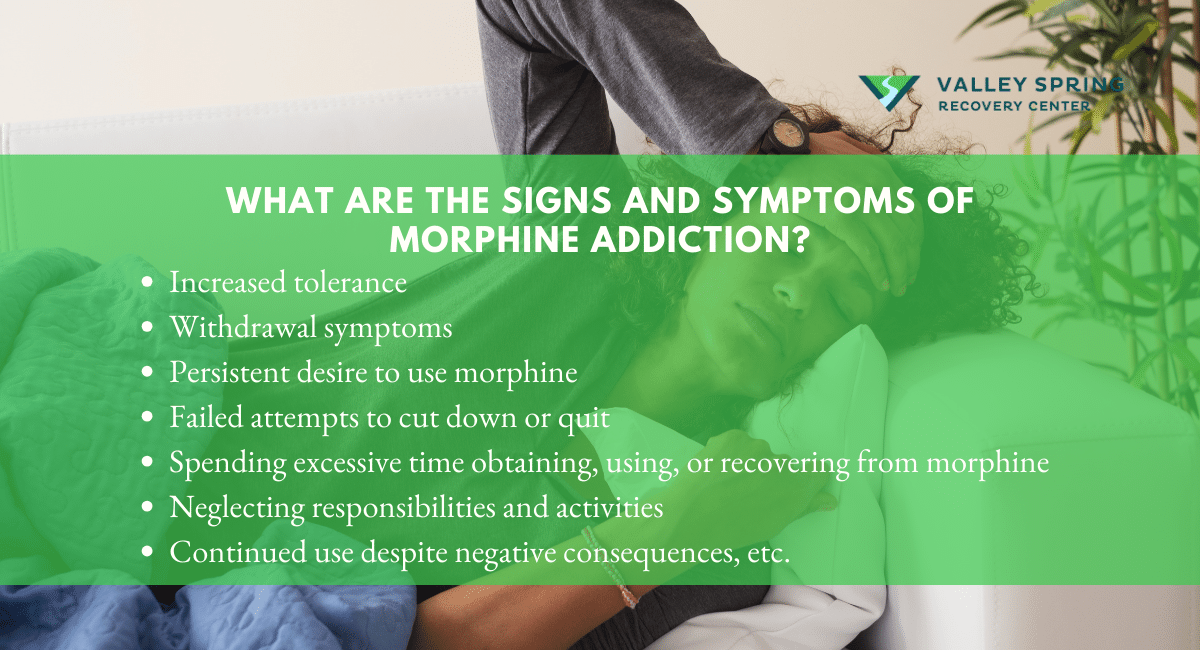
What are the Signs and Symptoms of Morphine Addiction?
A range of signs and symptoms characterizes morphine addiction. Here is a comprehensive list of these indications:
- Increased tolerance
- Withdrawal symptoms
- Persistent desire to use morphine
- Failed attempts to cut down or quit
- Spending excessive time obtaining, using, or recovering from morphine
- Neglecting responsibilities and activities
- Continued use despite negative consequences
- Strong cravings for morphine
- Social withdrawal and isolation
- Changes in behavior and mood
- Financial difficulties due to drug use
- Physical symptoms like drowsiness, constipation, and constricted pupils
- Doctor shopping or seeking multiple prescriptions
- Engaging in risky behaviors to obtain morphine
It’s crucial to be aware of the signs and symptoms of morphine addiction to recognize when you or someone you love may be struggling with this condition. Understanding these indications can help promote early intervention and support for individuals needing assistance.
What are the Causes of Morphine Addiction?
The causes of morphine addiction are multifactorial, involving a combination of biological, genetic, environmental, and psychological factors. Here are some common factors that can contribute to the development of morphine addiction.
- Biology: Biological factors, including genetic variations and physiological responses, influence the development of morphine addiction. Genetic factors affect the body’s processing and response to morphine. Physiological differences impact an individual’s susceptibility to dependence and addiction to the drug.
- Environmental Factors: The environment and social surroundings significantly impact addiction. Exposure to morphine or other opioids, peer influence, drug availability, and stress levels contribute to the development of addiction.
- Psychological Factors: Psychological factors, such as underlying mental health conditions and past trauma, contribute to morphine addiction. Individuals use morphine as a coping mechanism to alleviate emotional distress or self-medicate, increasing the risk of developing an addictive pattern of use.
- Previous Substance Use: Previous substance use increases the risk of morphine addiction. A history of substance abuse primes the brain’s reward system and reinforces addictive behaviors. Individuals with prior substance abuse experiences become more susceptible to the pleasurable effects of morphine, leading to a higher likelihood of addiction.
- Chronic Pain: Individuals experiencing chronic pain conditions requiring long-term pain management with opioids like morphine face an increased risk of addiction. The need for pain relief leads to over-reliance on the medication, resulting in dependency and addiction.
Note that these factors do not guarantee the development of morphine addiction, but can contribute to an increased risk. Understanding these causes can help in developing preventive measures and targeted interventions to address the underlying factors and promote healthier outcomes.
Contact us today to schedule an initial assessment or to learn more about our services. Whether you are seeking intensive outpatient care or simply need guidance on your drug addiction journey, we are here to help.
What are the Effects of Morphine Addiction?
Morphine addiction can have a range of effects on an individual’s physical, mental, and social well-being. Here are some of the effects associated with morphine addiction:
- Physical Health Complications: Prolonged morphine addiction leads to various physical health issues. These issues include respiratory problems, decreased heart rate, lowered blood pressure, gastrointestinal disturbances, weakened immune system, hormonal imbalances, and sexual dysfunction.
- Psychological and Cognitive Impact: Morphine addiction significantly affects mental health and cognitive functioning. Morphine addiction contributes to the development or worsening of mental health disorders such as depression, anxiety, and substance-induced psychosis. Cognitive impairments arise, including memory problems, difficulty concentrating, and decreased decision-making abilities.
- Social and Occupational Consequences: Morphine addiction strains relationships with family, friends, and colleagues. Trust issues, conflicts, and communication breakdowns occur frequently. Occupational functioning suffers, leading to absenteeism, poor job performance, and financial instability. Social isolation and withdrawal from previously enjoyed activities are also common.
- Financial and Legal Consequences: The cost of obtaining morphine creates financial strain and legal problems. Individuals resort to illegal activities to support their addiction, increasing the risk of legal issues and criminal involvement.
- Risk of Overdose and Death: Morphine, a potent opioid, heightens the risk of overdose in individuals with addiction. Overdose results in severe respiratory depression, unconsciousness, and potentially death. The risk increases when morphine combines with other substances, such as alcohol or benzodiazepines.
- Withdrawal Symptoms: Individuals with morphine addiction experience withdrawal symptoms when attempting to stop or reduce use. Withdrawal symptoms include intense cravings, restlessness, anxiety, muscle aches, sweating, nausea, vomiting, diarrhea, and insomnia. Withdrawal proves highly uncomfortable and contributes to ongoing drug use to avoid these symptoms.
The effects of morphine addiction vary among individuals. The severity of these effects depends on the duration and intensity of drug use, overall health, and individual susceptibility. Seeking professional help and support proves crucial for managing and mitigating these effects, as well as initiating the journey toward recovery.
What are the Treatment Options for Morphine Addiction?
Treatment options for morphine addiction typically involve a comprehensive approach that addresses both the physical and psychological aspects of addiction. Here are some common treatment options:
- Detoxification: Detoxification serves as the first step in treating morphine addiction. Medical supervision ensures the individual gradually weans off the drug. This process manages withdrawal symptoms and safely removes morphine from the body.
- Medication-assisted Treatment (MAT): Medications such as methadone, buprenorphine, and naltrexone support comprehensive treatment plans. These medications reduce cravings, manage withdrawal symptoms, and block opioid effects, facilitating long-term recovery.
- Behavioral Therapies: Behavioral therapies effectively treat morphine addiction. Cognitive-behavioral therapy (CBT) helps individuals recognize and change destructive thinking and behavior patterns. Contingency management provides incentives for maintaining abstinence, while motivational interviewing enhances motivation to quit drug use.
- Support Groups: Participation in support groups, such as Narcotics Anonymous (NA), provides valuable peer support and a sense of community during recovery. Sharing experiences and learning from others facing similar challenges empowers individuals.
- Residential or Outpatient Rehabilitation Programs: Outpatient rehabilitation programs offer structured treatment in residential settings. Residential programs provide 24/7 care in a therapeutic environment. Outpatient programs allow individuals to receive treatment while living at home and attending scheduled therapy sessions.
- Dual Diagnosis Treatment: Integrated treatment addresses both addiction and co-occurring mental health disorders. This approach ensures comprehensive care and improves long-term outcomes for individuals with dual diagnoses.
- Aftercare and Relapse Prevention: Ongoing aftercare support maintains sobriety after completing a treatment program. This support includes ongoing therapy, participation in support groups, regular check-ins with healthcare providers, and the development of healthy coping mechanisms to prevent relapse.
Treatment plans require tailoring to the individual’s specific needs. A combination of different approaches often proves effective. Consulting healthcare professionals or addiction specialists determines the most appropriate treatment options for morphine addiction.
What are the Withdrawal Symptoms of Morphine Addiction?
Withdrawal symptoms of morphine addiction can vary in intensity and duration, depending on factors such as the individual’s level of dependence and the duration of drug use. Here are some common withdrawal symptoms associated with morphine addiction:
- Flu-like symptoms
- Gastrointestinal distress
- Mood changes
- Autonomic nervous system effects
- Increased pain sensitivity
- Sleep disturbances
- Psychological symptoms
Withdrawal symptoms typically begin within 6 to 12 hours after the last dose of morphine and peak within a few days. The intensity and duration of withdrawal can vary, with symptoms typically subsiding over 5 to 10 days. However, some symptoms, particularly cravings and mood changes, may persist for longer periods.
Experiencing withdrawal symptoms should not discourage you from seeking treatment. Medically supervised detoxification and supportive care can help manage these symptoms and increase the chances of a successful recovery.
Rediscover Life at Valley Spring Recovery Center
Get the compassionate support you deserve. We're here to help you reclaim joy, wellness, and a brighter future.
Verify Benefits
What Drugs Cause Similar Effects to Morphine?
Drugs that cause similar effects to morphine are primarily opioids, a class of drugs known for their potent pain-relieving properties. These drugs act on the opioid receptors in the brain and nervous system, producing effects similar to morphine. Common opioids and opioid-like drugs that produce a similar effect according to the DEA are listed below:
- Codeine: A less potent opioid used for mild to moderate pain relief and cough suppression.
- Oxycodone: A powerful opioid used to treat moderate to severe pain, found in medications like OxyContin and Percocet.
- Hydrocodone: Used for moderate to severe pain, often combined with acetaminophen; known brands include Vicodin and Norco.
- Fentanyl: A synthetic opioid, much more potent than morphine, used for treating severe pain, often in hospitalized patients or for chronic pain management.
- Heroin: An illegal opioid synthesized from morphine, known for its high potential for addiction and abuse. Heroin has some of the highest overdose rates according to statistics.
- Methadone: A long-acting opioid used for chronic pain management and in the treatment of opioid dependence.
- Tramadol: A less potent opioid used for moderate pain. It has a dual mechanism of action, acting as an opioid and also affecting serotonin and norepinephrine levels.
- Buprenorphine: Often used in the treatment of opioid addiction; it’s a partial opioid agonist, meaning it produces similar but less intense effects compared to full agonists like morphine.
- Hydromorphone (Dilaudid): A derivative of morphine, used to treat severe pain and known for its high potency.
- Oxymorphone: Another potent opioid used for managing severe pain.
What Prescription painkillers are derived from Morphine?
Prescription painkillers derived from morphine belong to a class of drugs known as opioids. These medications are synthesized to mimic the pain-relieving properties of morphine, which is naturally derived from the opium poppy plant. Some of the common prescription painkillers derived from morphine include:
- Codeine: Often used for mild to moderate pain relief and sometimes as a cough suppressant.
- Hydrocodone: Frequently combined with acetaminophen, used for moderate to severe pain relief. Common brand names include Vicodin and Lortab.
- Oxycodone: Similar to hydrocodone in its pain-relieving capacity, it’s used for moderate to severe pain. Known brands include OxyContin and Percocet (when combined with acetaminophen).
- Hydromorphone (Dilaudid): A more potent derivative of morphine, used for severe pain.
- Oxymorphone: An opioid analgesic with a higher potency than morphine, used for treating severe pain.
These drugs work by binding to opioid receptors in the brain and spinal cord, reducing the perception of pain. While effective for pain management, they also carry a risk of dependence and other side effects, necessitating careful medical supervision during use.
These drugs mimic the effects of morphine, primarily in pain relief and euphoria, but they also carry risks such as respiratory depression, dependence, and addiction. Their use is typically closely regulated and monitored by healthcare professionals.
Share This Post

Valley Spring Editorial Team
All author posts
Our Therapuetic Recovery Programs
Are you covered for treatment?







Valley Spring Recovery Center is an approved provider for Blue Shield of California and Cigna, while also accepting many other major insurance carriers.
Check Coverage Now!