Xanax Addiction: Symptoms, Causes, Effects and Treatment
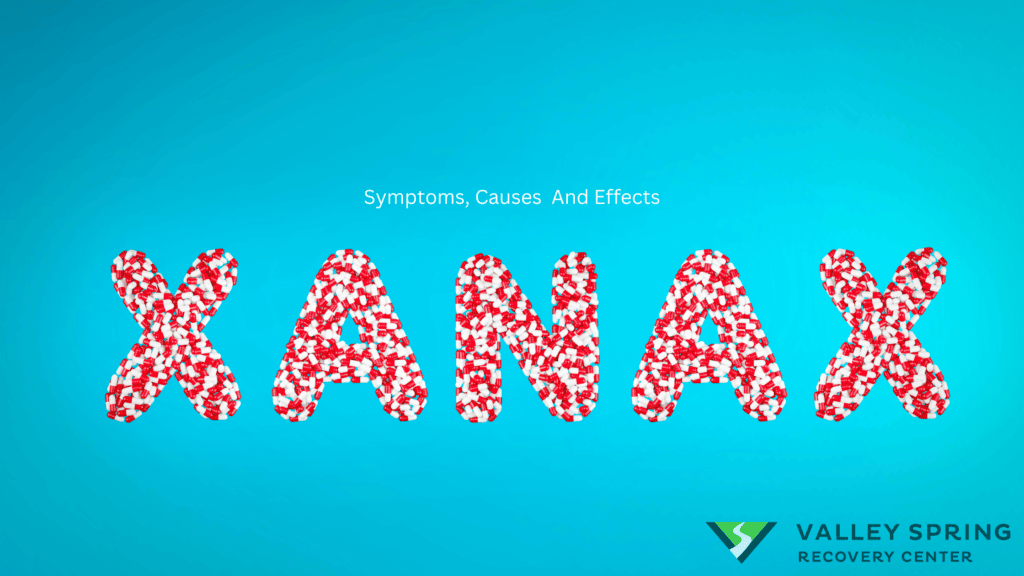
Xanax addiction refers to the repeated misuse of the anti-anxiety medication Xanax, often leading to physical and psychological dependence. It includes cravings, increased tolerance, and continued use to avoid withdrawal or feel calm.
The symptoms of Xanax addiction include increased tolerance, withdrawal symptoms when not using, social isolation, impaired memory and coordination, and neglect of responsibilities, all signaling a dangerous dependency.
The causes of Xanax addiction include legitimate medical use, leading to tolerance, or recreational misuse seeking relaxation or euphoria, with genetics and underlying mental health issues playing contributing roles.
The effects of Xanax addiction include impaired cognitive function, physical health deterioration, strained relationships, financial troubles, and an increased risk of overdose and mental health disorders.
What Is Xanax Addiction?
Xanax addiction is a type of benzodiazepine use disorder characterized by the compulsive and prolonged misuse of the prescription drug Xanax.
Tolerance to the drug builds quickly, leading individuals to take higher doses, experience intense cravings, and struggle with withdrawal symptoms when trying to stop. Withdrawal symptoms such as insomnia and anxiety occur when the drug is not taken which reinforces the repeating cycle of addiction.
Xanax addicts will continue to use at an increasing dosage even when the consequences are obvious, including withdrawal symptoms, neglecting responsibilities and seizure of death.
Did you know most health insurance plans cover substance use disorder treatment? Check your coverage online now.
What are the signs and symptoms of Xanax addiction?
Signs and symptoms of Xanax addiction, also known as benzodiazepine use disorder, can vary from person to person but often include:
- Increased Tolerance: Over time, individuals may need higher doses of Xanax to achieve the same effect they once experienced with lower doses.
- Withdrawal Symptoms: When not using Xanax, individuals may experience withdrawal symptoms such as anxiety, restlessness, insomnia, and even seizures, which can drive continued use.
- Compulsive Use: A strong urge or compulsion to use Xanax, even when it’s causing harm to one’s health, relationships, or responsibilities.
- Loss of Control: Inability to control or cut down on Xanax use, often taking it more frequently or in larger amounts than intended.
- Neglect of Responsibilities: A person may start to neglect their work, school, or family obligations due to Xanax use.
- Social Isolation: Isolating oneself from friends and family, often due to the secrecy or shame associated with addiction.
- Physical and Psychological Changes: This can include drowsiness, slurred speech, poor coordination, memory issues, and changes in mood and behavior.
- Continued Use Despite Consequences: Despite experiencing negative consequences like health problems, legal issues, or strained relationships, individuals may continue to use Xanax.
- Loss of Interest: A decline in interest in activities or hobbies that were once important or enjoyable.
- Doctor Shopping: Seeking multiple doctors or sources to obtain Xanax prescriptions, known as doctor shopping.
- Craving: Intense cravings or a strong desire to use Xanax.

Get Help For Xanax Addiction Today!
Our team is standing by ready to help. We have a same-day admissions process. Sometimes one phone call can change everything.
What are the causes of Xanax addiction?
The causes of Xanax addiction include the following:
- Medical Use: Many individuals develop Xanax addiction when they are prescribed the medication for legitimate medical reasons, such as anxiety or panic disorders. Over time, they may build a tolerance to the drug, requiring higher doses to achieve the same effect.
- Recreational Misuse: Some people misuse Xanax recreationally seeking its calming or euphoric effects. This can lead to addiction when use becomes regular and compulsive.
- Genetics: There is evidence to suggest that genetics can play a role in a person’s susceptibility to addiction. If there’s a family history of substance abuse disorders, it may increase the risk.
- Underlying Mental Health Issues: Xanax is often prescribed to treat anxiety and panic disorders. If someone has an untreated or inadequately managed mental health condition, they may be more likely to misuse the drug, leading to addiction.
- Psychological Factors: Stressful life events, trauma, or chronic stress can make individuals more vulnerable to substance abuse, including Xanax.
- Peer Pressure: Being in social circles where Xanax misuse is common can influence an individual to start using the drug recreationally.
- Ease of Access: Xanax is a prescription medication, but it can sometimes be obtained through illicit means or from multiple doctors (doctor shopping), making it more accessible to potential abusers.
- Lack of Awareness: Some people may not fully understand the addictive nature of Xanax, assuming that because it’s a prescribed medication, it’s safe to use without risk of addiction.
- Self-Medication: People might turn to Xanax to self-medicate for physical or emotional pain, not realizing the potential for addiction.
It’s important to recognize these potential causes and risk factors, as early intervention and seeking help for Xanax addiction is crucial to preventing further harm. If you or someone you know is struggling with Xanax addiction, seeking professional treatment and support is highly recommended.
What are the effects of Xanax addiction?
The effects of Xanax addiction are given below:
- Physical Health Deterioration: Prolonged Xanax use can lead to physical health problems, including respiratory issues, digestive problems, and impaired coordination.
- Mental Health Consequences: Xanax addiction can exacerbate or trigger mental health disorders like depression, anxiety, and mood swings.
- Relationship Strain: Addicted individuals often experience strained relationships with family and friends due to changes in behavior, secrecy, and mood swings.
- Financial Problems: Supporting an addiction can be expensive, leading to financial difficulties and even bankruptcy.
- Work and Academic Issues: Neglecting responsibilities at work or school can result in job loss or academic failure.
- Legal Troubles: Misusing or obtaining Xanax illicitly can lead to legal problems, including arrests and criminal charges.
- Risk of Overdose: Xanax can be particularly dangerous when abused, leading to a high risk of overdose, which can be life-threatening.
- Withdrawal Symptoms: Attempting to quit Xanax can lead to severe withdrawal symptoms, including anxiety, seizures, and even hallucinations, making it challenging to stop using without professional help.
- Social Isolation: Addiction often leads to social isolation as individuals prioritize drug use over relationships.
- Neglect of Self-Care: Addicted individuals may neglect their overall well-being, including proper nutrition and hygiene.
- Cravings and Obsession: Constant cravings for Xanax can consume an individual’s thoughts and lead to preoccupation with obtaining and using the drug.
Contact us today to schedule an initial assessment or to learn more about our services. Whether you are seeking intensive outpatient care or simply need guidance on your drug addiction journey, we are here to help.
What are the types of Xanax Addiction?
The Types of Xanax addiction are listed below:
- Prescription Xanax Addiction: This occurs when individuals become addicted to Xanax that has been legally prescribed to them. It often starts with legitimate medical use for conditions like anxiety or panic disorders but can lead to misuse, dependence, and addiction when the drug is taken in higher doses or for longer periods than prescribed.
- Recreational Xanax Addiction: Some individuals use Xanax recreationally or experimentally without a prescription, seeking its calming or euphoric effects. Recreational users may obtain the drug through illicit means or from friends who have prescriptions. This type of addiction usually involves higher doses and a greater risk of harmful consequences.
- Xanax Tolerance and Dependence: Xanax tolerance occurs when the body physically adapts to the dosage, requiring higher and more frequent amounts to get the same feeling.
- Xanax Abuse: Xanax abuse is when an individual abuses or misuses Xanax but does not do it frequently enough to develop a tolerance.
While these are the primary categories, the severity of Xanax addiction can vary widely among individuals. Some may use it occasionally, while others may develop a compulsive need for the drug, leading to more severe addiction.
Valley Spring Recovery Is Only A Phonecall Away
What withdrawal challenges are associated with Xanax addiction?
The withdrawal challenges associated with Xanax addiction include the following:
- Anxiety and Panic: Withdrawal from Xanax can lead to a resurgence of anxiety and panic symptoms, often more intense than before. This can be distressing for individuals.
- Insomnia: Many people experience difficulty sleeping during Xanax withdrawal, leading to sleep disturbances and fatigue.
- Depression: Feelings of sadness and depression are common during withdrawal. Some individuals may experience mood swings and emotional instability.
- Irritability and Agitation: Xanax withdrawal can lead to irritability, agitation, and a short temper. These mood changes can strain relationships.
- Physical Symptoms: Physical symptoms may include headaches, muscle pain, tremors, and gastrointestinal issues like nausea and diarrhea.
- Cognitive Impairment: Xanax withdrawal can lead to cognitive difficulties, including problems with concentration, memory, and decision-making.
- Hallucinations and Delusions: In severe cases, individuals may experience hallucinations or delusions during Xanax withdrawal. This is more common when withdrawal is rapid or not supervised by a healthcare professional.
- Seizures: Xanax withdrawal can increase the risk of seizures, particularly in individuals with a history of seizures or those withdrawing from high doses. This risk highlights the importance of medical supervision during detox.
- Rebound Symptoms: Rebound anxiety and panic can occur, meaning that the symptoms Xanax was initially prescribed to treat may worsen temporarily during withdrawal.
- Cravings: Cravings for Xanax can be intense during withdrawal, making it challenging to resist returning to drug use.
- Protracted Withdrawal: Some individuals may experience protracted withdrawal symptoms that persist for weeks or months after discontinuing Xanax. These symptoms can include lingering anxiety, insomnia, and mood disturbances.
What Is The Difference Between Xanax Addiction and Other Benzodiazepine addictions?
The primary difference between Xanax addiction and other benzodiazepine addictions is mainly in potency, onset, and withdrawal severity.
The key differences are highlighted in the table below:
| Factor | Xanax Addiction | Other Benzodiazepine Addictions |
|---|---|---|
| Potency | Higher potency; small doses have strong effects | Varies; often lower potency than Xanax |
| Onset of Action | Very fast-acting | Slower onset in drugs like Klonopin or Valium |
| Half-Life | Short half-life (6–12 hours) | Typically longer half-lives (e.g., Diazepam: 20–70 hours) |
| Withdrawal Severity | More intense and rapid withdrawal symptoms | Withdrawal may be milder and more gradual |
| Abuse Potential | High, due to quick relief and euphoric effects | Moderate to high depending on the specific benzodiazepine |
Rediscover Life at Valley Spring Recovery Center
Get the compassionate support you deserve. We're here to help you reclaim joy, wellness, and a brighter future.
Verify Benefits
What are the Treatment Options for Xanax addiction?

The treatment options for Xanax addiction are given below:
Medical Detox
Medical Detox is the essential first step where healthcare professionals supervise gradual Xanax tapering to safely manage withdrawal symptoms and prevent life-threatening complications like seizures.
Inpatient/Residential Programs
Inpatient/Residential Programs provide 24/7 medical supervision with intensive therapy and counseling for individuals with severe addiction or co-occurring mental health disorders, creating a safe environment free from triggers.
Are you covered for treatment?


Valley Spring Recovery Center is an approved provider for Blue Cross Blue Shield and Cigna, while also accepting many other major insurance carriers.
Check Coverage Now!Partial Hospitalization Programs (PHP)
PHP offers structured daytime treatment (5-6 hours daily), including therapy, medical monitoring, and skill-building, while allowing patients to return home in the evenings, making it ideal for transitioning from inpatient care.
Intensive Outpatient Programs (IOP)
IOP provides several hours of therapy per week (9-12 hours across multiple days) for individuals with moderate addiction who need structured support while maintaining work or family responsibilities.
Outpatient Programs (OP)
Outpatient programs offer the most flexibility with 1-2 weekly therapy sessions for milder cases, continued recovery maintenance, or as a final step-down after completing higher levels of care. Additional treatment components may include holistic approaches like mindfulness and meditation, group therapy, family therapy to rebuild relationships, and long-term medication management to prevent relapse. Recovery is an ongoing process that requires professional support, as attempting to quit Xanax abruptly without medical guidance can be dangerous and potentially fatal.
Share This Post

Dr. Michael Olla
All author posts
Our Therapuetic Recovery Programs
Are you covered for treatment?







Valley Spring Recovery Center is an approved provider for Blue Shield of California and Cigna, while also accepting many other major insurance carriers.
Check Coverage Now!