Xylazine Addiction: Definition, Symptoms, Causes, Effects and Treatment

Xylazine, a veterinary anesthetic and sedative, is intended for use by veterinarians as anesthesia for animals, not humans. Rates of Xylazine addiction are increasing, showing up in drug tests and autopsies across the United States. A recent study conducted by Russell E., Sisco E., Thomson et al., surveyed eight syringe service programs in Maryland and discovered xylazine in nearly 80% of opioid-containing drug samples.
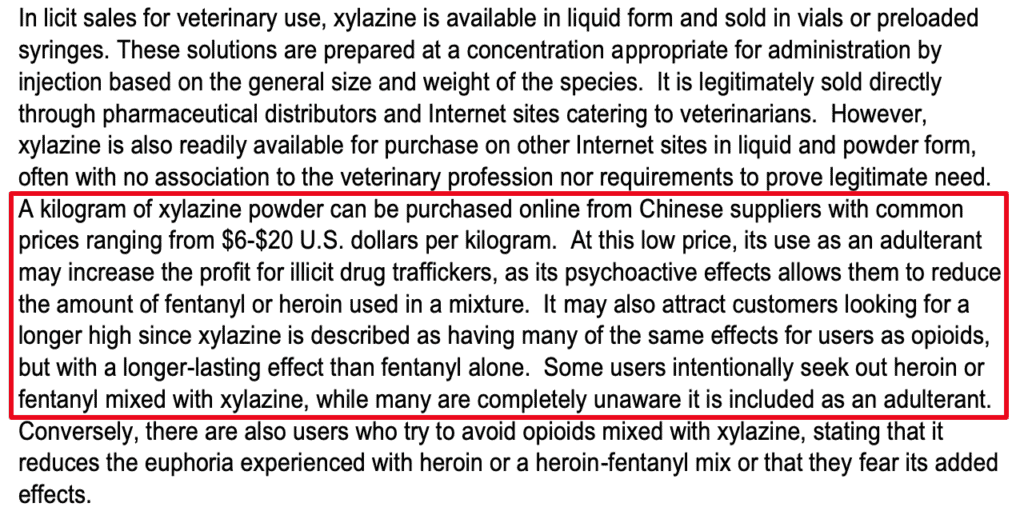
Xylazine is very easy to obtain and can be ordered online from China for as little as $6 per kilogram, as reported by the DEA in their publication “The Growing Threat of Xylazine and its Mixture with Illicit Drugs.” A significant portion of overdose tragedies occur when xylazine is mixed with other drugs. For instance, in Philadelphia, Pennsylvania, xylazine was present in 31% of heroin and/or fentanyl overdose deaths in 2019, as stated in the Clinical Chemistry 2021 report.
The misuse of xylazine highlights several public health challenges. Its easy availability, potent sedative effects, and the common practice of mixing it with opioids create a deadly combination that complicates both prevention and treatment efforts. Regulatory measures and increased awareness are crucial in combating this rising threat. This alarming trend underscores the urgent need for greater understanding of xylazine addiction, its symptoms, causes, effects, and the treatment options available to address this emerging public health crisis.
This alarming trend underscores the urgent need for greater awareness and understanding of xylazine addiction, its symptoms, causes, effects, and the treatment options available to address this emerging public health crisis.
What is Xylazine Addiction?
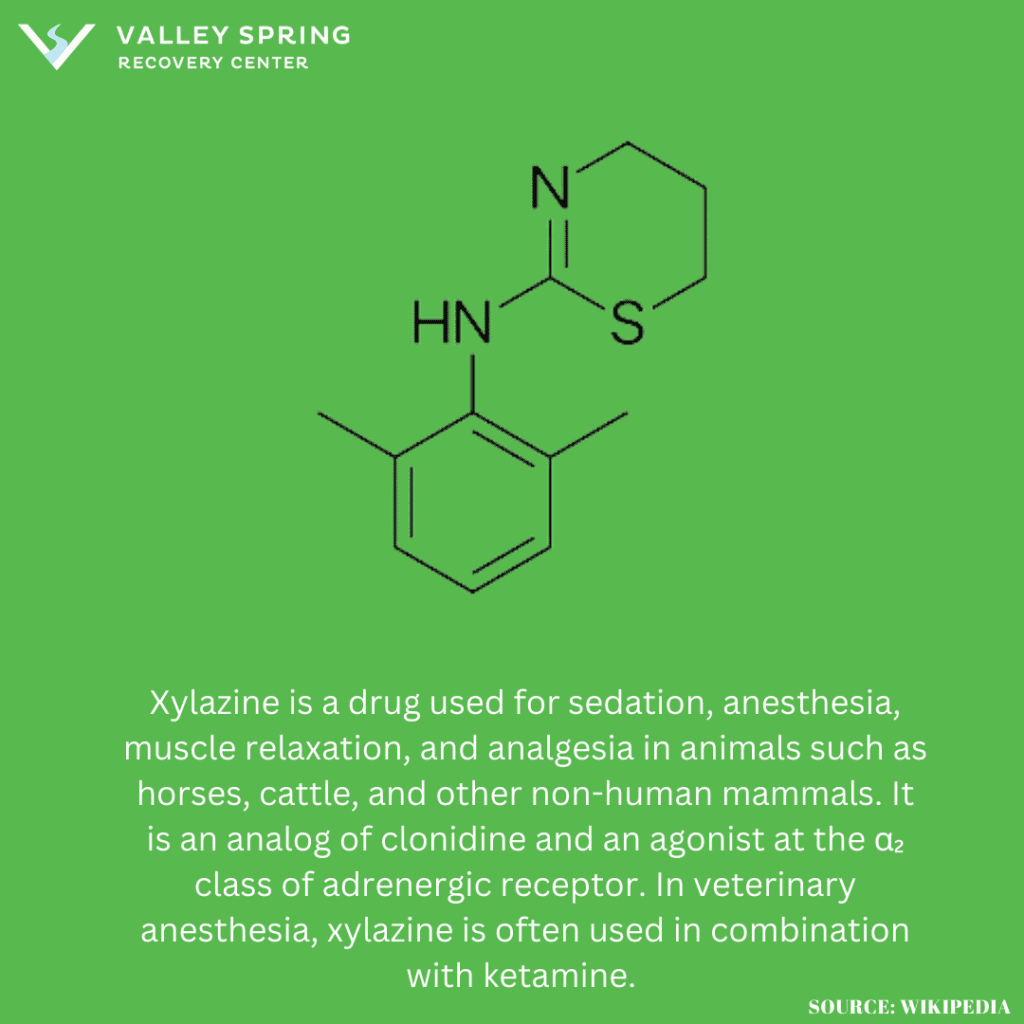
Xylazine addiction is a condition characterized by the compulsive use of xylazine, a tranquilizer drug used for sedation, anesthesia, muscle relaxation, and analgesia in animals. Originally developed for veterinary purposes, xylazine is not approved for human use but has found its way into the illicit drug market, often mixed with other addictive drugs like heroin and fentanyl to enhance their effects and high. According to the CDC, the xylazine overdose rate is rapidly increasing in the United States, with 107,081 recorded drug overdose deaths involving xylazine and opioids in 2022 alone.
Key Aspects of Xylazine Addiction:
Risky Behavior: Addiction often leads to risky behaviors, including using higher doses, mixing with other substances, and engaging in illegal activities to obtain the drug.
Compulsive Use: Individuals addicted to xylazine exhibit an uncontrollable urge to use the drug, often in increasing amounts.
Physical Dependence: Regular use of xylazine can lead to physical dependence, where the body adapts to the presence of the drug, and withdrawal symptoms occur if use is reduced or stopped.
Psychological Dependence: Users may also develop psychological dependence, believing they need the drug to function normally or cope with stress.
Severe Withdrawal Symptoms: Withdrawal from xylazine can be intense, involving symptoms such as severe anxiety, agitation, muscle tremors, and cardiovascular issues.
Health Complications: Xylazine acts as a central nervous system depressant, causing drowsiness and suppressing breathing, heart rate, and blood pressure to dangerously low levels. It can be fatal, especially when mixed with opioids like fentanyl. Long-term use can lead to serious negative health effects, including respiratory depression, bradycardia, hypotension, skin ulcers and potential fatality.
Did you know most health insurance plans cover substance use disorder treatment? Check your coverage online now.
What Are The Effects Of Xylazine Use In Humans?
The effects of xylazine in humans are listed below according to NIDA:
- Sedation and Drowsiness: Similar to its effects on animals, xylazine can cause profound levels of sedation and drowsiness.
- Respiratory Depression: It exacerbates the risk of respiratory arrest, particularly when combined with opioids.
- Hypotension and Bradycardia: These cardiovascular effects can be dangerous, leading to fainting or collapse.
- Skin Ulcers and Lesions: With repeated use, particularly via injection, xylazine has been associated with severe skin ulcers and soft tissue infections.
- Overdose Risk: There is a high risk of overdose, especially when users are unaware of its presence in adulterated drugs.
“Xylazine’s depressant effects on the central nervous system is a grave concern because the drug is often masked within other substances, posing severe risks due to its potent nature.”
Dr Michael Olla
Why Are Xylazine And Fentanyl Dangerous When Combined?
Xylazine used in combination with fentanyl, creates a particularly lethal cocktail due to the depressant qualities of Xylazine and Fentanyl individually that are amplified when taken simultaneously. The lethality of this combination stems from their pharmacological actions which depress the central nervous system. Fentanyl is 50 to 100 times more potent than morphine and heroin and primarily contributes to respiratory depression, which can lead to fatal overdoses. When combined with Xylazine, which is not an opioid but still depresses the central nervous system, the risk of fatal respiratory failure increases exponentially.
The White House’s Office of National Drug Control Policy has recognized the adulteration of fentanyl with Xylazine as an emerging and serious threat. This combination represents a grave concern for public health officials and law enforcement, as it complicates treatment for overdose and heightens the risk of death among users, often unbeknownst to them. The alarming spread of Xylazine in the illicit opioid market magnifies the already dire opioid epidemic with fentanyl addiction surging, demanding urgent attention and response from both healthcare providers and policymakers.
Why Does Xylazine Rot Your Skin Like Krokodil?
According to the DEA and CDC, Xylazine can cause severe skin ulcers when injected as well as severe wounds, including necrosis which is the rotting of human tissue which can end in amputation. However, the effects of Krokodil are more severe and common when injected. Krokodil is a semi-synthetic opiate that is made from drugs and household items that has effects 8-10 times stronger than morphine. stronger than heroin or fentanyl and also can commonly result in skin deterioration and other extreme effects which made new headlines when it first became popular in Russia. Some of the effects of Krokodil listed by California Poison Control include localized injuries as well as pneumonia, sepsis, meningitis, osteomyelitis and osteonecrosis, neurologic injury (such motor and memory impairment), ulceration and tissue damage at sites distant from the injection site, liver injury, renal impairment, and death. Drugs.com states that it’s common for Krokodil addiction to result in serious vein damage, soft tissue infections, necrosis, and gangrene. The bodily impact of Krokodil is more severe than Xylazine, although injection of either drug can result in severe skin infections and rotting tissue.
Contact us today to schedule an initial assessment or to learn more about our services. Whether you are seeking intensive outpatient care or simply need guidance on your drug addiction journey, we are here to help.
Does Xylazine Addiction Cause Skin Damage Similar to Krokodil Addiction?
Xylazine addiction causes severe skin necrosis and tissue death, though krokodil addiction produces more extreme damage. Xylazine is a veterinary tranquilizer that creates deep skin ulcers and wounds when injected.
The drug restricts blood flow to tissues, leading to necrosis and potential amputation. Xylazine addiction results in open sores, blackened skin, and rotting flesh at injection sites. Krokodil addiction causes more rapid and widespread tissue destruction than xylazine addiction.
Krokodil contains caustic household chemicals that corrode flesh from the inside out. Both addictions lead to gangrene, severe infections, and life-threatening complications. Krokodil addiction typically progresses faster, causing bone exposure and systemic organ damage within months of use.
What are the causes of Xylazine Overdose?
The causes of Xylazine-related overdoses and fatalities stem from synergistic effects that drastically lower blood pressure and cause respiratory depression, as well as heart rate deceleration according to NIDA.
The increasing rate of Xylazine overdoses can be attributed to its increasing availability and low costs making it an attractive additive for those looking to increase the effects of opioids, often without fully understanding the risks involved.
The risks of overdose increase drastically when combined with other drugs. For instance, in Philadelphia, Xylazine was detected in a startling 31% of the 858 fatal heroin and/or fentanyl overdose cases in 2019, a significant increase from less than 2% between 2010 and 2015. Furthermore, in Maryland, approximately 80% of drug samples containing opioids tested positive for Xylazine at various syringe service programs between 2021 and 2022. This indicates not only the drug’s widespread presence but also its integration into the illicit drug supply.
What Are the Symptoms of a Xylazine Overdose?
The symptoms of a Xylazine overdose closely mirror its intended effects but to a much more severe degree. These can include extreme drowsiness, respiratory depression, significantly lowered heart rate, hypotension (dangerously low blood pressure), and even coma. In severe cases, an overdose can lead to death, particularly when combined with other substances that depress the central nervous system.
Rediscover Life at Valley Spring Recovery Center
Get the compassionate support you deserve. We're here to help you reclaim joy, wellness, and a brighter future.
Verify Benefits
How Do People Take Xylazine If It’s Really Made for Elephants?
Xylazine is used in veterinary medicine for a range of animals, not just elephants. In illicit human use, it is often administered in the same ways as other injectable drugs, such as intravenously or intramuscularly. The drug may also be snorted or ingested, although these methods are less common. Because Xylazine is formulated for animals, the dosages are far higher than what would be considered safe for human use, making any form of consumption extremely risky.
Does Xylazine Lower Blood Pressure like Clonodine or Xanax?
Xylazine can cause a significant decrease in blood pressure and a lowering of the heart rate. The drug also causes sedation and anesthesia, respiratory depression, and muscle relaxation which can be dangerous when mixed with other drugs. Xylazine presents dangerous effects to blood pressure similar to how Xanax addiction lowers blood pressure when mixed with other drugs and result in an overdose.
When did Xylazine first show up and become popular?
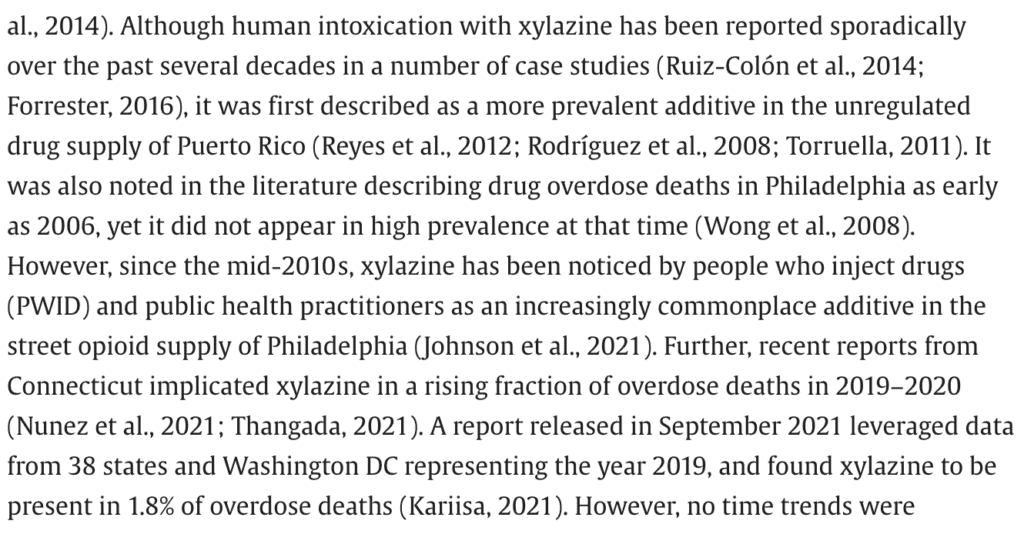
Xylazine was first synthesized in 1962 by Bayer Pharmaceutics and has been available for veterinary use for several decades, but its appearance in human drug samples is a more recent phenomenon. There were scattered reports of Xylazine use in drug users over the past few decades (Ruiz-Colón et al., 2014; Forrester, 2016) but it became more popular in Puerto Rico in the early 2000s before making its way into the United States(Reyes et al., 2012). Since then, Xylazine use in the United States has increased at an alarming rate, one study from 10 US cities showed xylazine was involved in less than 1% of drug overdose deaths in 2015 and in nearly 7% in 2020 (Friedman J, Montero F, Bourgois P, et al. Drug and alcohol dependence. 2022).
Are you covered for treatment?


Valley Spring Recovery Center is an approved provider for Blue Cross Blue Shield and Cigna, while also accepting many other major insurance carriers.
Check Coverage Now!What Is Xylazine Good For?
Xylazine is primarily used as a sedative, analgesic, and muscle relaxant in veterinary medicine. It is commonly employed in the sedation of large animals such as horses, cattle, and deer, as well as smaller animals like dogs and cats. Here’s a breakdown of its main uses:
Xylazine induces a calm and relaxed state in animals, making it easier for veterinarians to perform examinations, treatments, or surgical procedures. It is often used in combination with other anesthetics to provide a more comprehensive anesthetic protocol.
The drug has pain-relieving properties, making it useful for minor surgical procedures where pain management is necessary.
Xylazine helps to relax the skeletal muscles, facilitating procedures that require an absence of muscle tension, such as the setting of fractures or the insertion of catheters.
In some cases, xylazine is used to facilitate diagnostic procedures like radiography by keeping the animal still and relaxed. In higher doses, xylazine can be used for euthanasia, although this is generally not its primary application and is usually combined with other agents for this purpose.
What are the withdrawal symptoms associated with Xylazine misuse?
Xylazine is a drug primarily used as a sedative, analgesic, and muscle relaxant in veterinary medicine. It is not approved for human use but has been misused recreationally. Xylazine itself is not generally considered to be physically addictive in the way that opioids or alcohol are, and thus, does not have severe withdrawal symptoms when used alone. The most common use of xylazine is in combination with other substances, in which case, it can be extremely dangerous.
Misuse of xylazine can lead to a range of adverse health effects, including respiratory depression, bradycardia (slow heart rate), hypotension (low blood pressure), and even death, particularly when combined with other depressants like opioids or alcohol. However, when used alone, xylazine is not recognized as a substance that produces physical dependence.
What are The Best Treatment And Recovery options For Xylazine Addiction?
Treating xylazine addiction, often coupled with other addictions such as fentanyl or Xanax, requires a comprehensive approach. Medical detoxification is essential due to xylazine’s severe withdrawal symptoms, including sedation, hypotension, bradycardia, and respiratory depression, necessitating close medical supervision to stabilize vital signs. Medication-Assisted Treatment (MAT) plays a crucial role, especially when xylazine is used alongside opioids, with methadone, buprenorphine, or naltrexone being effective for managing opioid dependence. Additionally, medications to manage anxiety, agitation, and cardiovascular symptoms are often necessary. Behavioral therapies, including Cognitive-Behavioral Therapy (CBT), Motivational Interviewing (MI), and Contingency Management, help address the psychological aspects of addiction by changing negative thought patterns and behaviors and enhancing motivation. Participation in support groups and counseling provides emotional support and community, which are vital for recovery. An integrated treatment plan combining medical, psychological, and social support, personalized to the individual’s needs, enhances the effectiveness of the treatment. Ongoing monitoring and relapse prevention strategies, including regular check-ups and coping skills training, are critical to maintain long-term sobriety and address the complex nature of xylazine addiction and its accompanying dependencies.
Overcoming xylazine addiction necessitates treating the primary substance of abuse, such as fentanyl or heroin, as xylazine dependency is typically secondary to addiction to these other opiates. A comprehensive diagnostic assessment is crucial for identifying the specific addiction and any co-occurring mental or behavioral disorders that also need treatment, with the most effective approach being a holistic regimen that combines medical and therapeutic interventions. After detox, ongoing treatment through a Partial Hospital Program or intensive outpatient program to support ongoing recovery and sobriety.
Share This Post

Valley Spring Editorial Team
All author posts
Our Therapuetic Recovery Programs
Are you covered for treatment?








Valley Spring Recovery Center is an approved provider for Blue Shield of California and Cigna, while also accepting many other major insurance carriers.
Check Coverage Now!