What is the Fentanyl Fold?

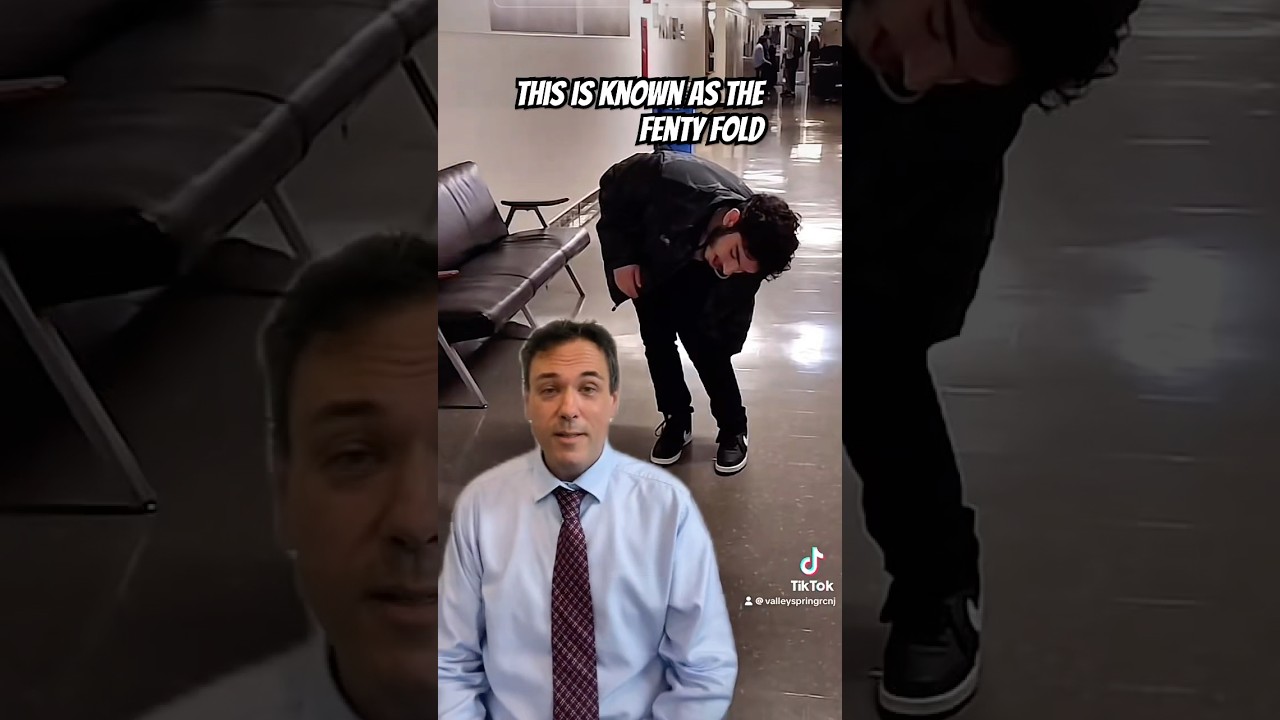
Fentanyl Fold is a specific physical posture that individuals assume while under the influence of fentanyl. Also referred to as Fenty Fold, Fenty Bent, or Fenty Lean, it is characterized by a sharp forward bend at the waist, with the head drooping down low, arms becoming limp, and the back hunched, appearing frozen in place. This posture occurs as the drug depresses the nervous system, leading to muscle rigidity, fading awareness, and dangerously slowed breathing, signaling a significant risk of overdose.
Despite appearing unconscious or asleep, many people in this position remain partially alert or intermittently responsive. This phenomenon is not just a visual marker of opioid intoxication; it is a sign of a deeply dangerous neurological and physiological shutdown.
The fentanyl fold occurs because fentanyl severely depresses the central nervous system while causing muscle rigidity in the trunk, preventing users from maintaining normal posture.
The drug induces deep sedation and reduced consciousness, causing muscle weakness that makes the body slump forward while the brain becomes unable to signal the body to stand upright.
According to a 2025 CDC study, “Provisional Drug Overdose Death Counts”, over 82,138 deaths occur each year in the US due to Fentanyl overdose.
When you spot someone in a fentanyl fold, call 911 immediately, check their breathing, and administer naloxone (Narcan) if available. Administer a second dose after 2-3 minutes if the initial dose is not effective. Position them on their side and stay until help arrives.
Why Does the Fentanyl Fold Occur?
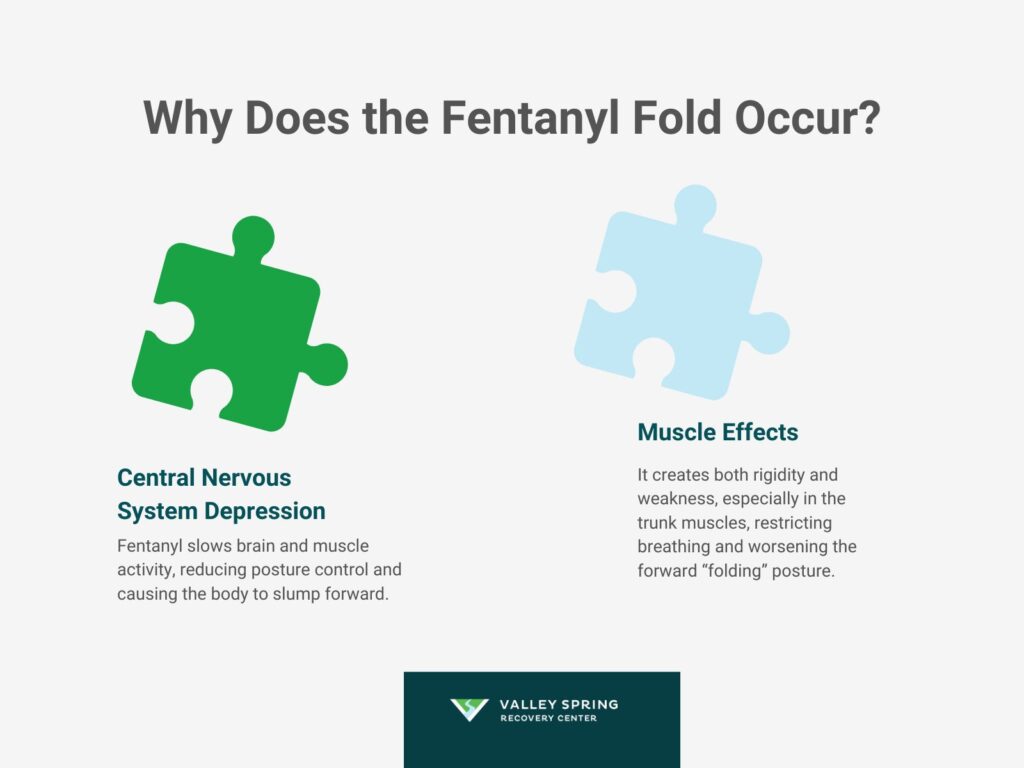
The Fentanyl Fold occurs because fentanyl severely depresses the central nervous system, reducing muscle tone and impairing the brain’s ability to maintain posture. Breathing slows, awareness fades, and the body slumps forward involuntarily.
Fentanyl produces paradoxical effects on muscles, simultaneously causing both rigidity and weakness. Research has documented that synthetic opioids trigger severe and widespread muscle rigidity, particularly in the trunk muscles that support the spine and torso. This stiffness restricts the chest cavity, limiting respiratory movement and affecting posture.
At the same time, fentanyl induces profound muscle weakness by disrupting normal neuromuscular signaling. The muscles essentially “turn off” in ways that medical administration of opioids intentionally seeks to achieve for pain relief, but street use creates extreme, uncontrolled relaxation. The combination of rigid trunk muscles and weakened supporting muscles creates the characteristic forward bend.
The trunk rigidity acts like a locked hinge, forcing the body to fold at the waist while preventing normal adjustments. Meanwhile, the weakened muscles are unable to generate the strength necessary to pull the body upright. This muscular dysfunction can persist for extended periods, trapping users in uncomfortable and dangerous positions.
Did you know most health insurance plans cover substance use disorder treatment? Check your coverage online now.
How Dangerous Is the Fentanyl Fold?
The fentanyl fold represents a medical emergency, not merely an uncomfortable side effect. This posture signals that fentanyl has reached levels in the body sufficient to cause life-threatening complications, and every minute counts in preventing permanent harm or death.
Does the Fenty Fold Indicate an Overdose?
Yes, the fentanyl fold is a visible sign of an opioid overdose in progress. While this position might appear like someone is simply asleep or unconscious, it’s typically the result of the central nervous system being severely depressed.
Does the Fenty Fold occur with all Opioid Addictions or just Fentanyl Addiction?
Yes, the Fenty Fold does occur from other opioid addictions like heroin, but it is primarily associated with fentanyl and its analogs. This distinctive pose, where the user appears hunched over, limp, or frozen mid-movement, is largely due to fentanyl’s extreme potency and rapid onset, which causes immediate central nervous system depression, muscle rigidity, and sedation.
While other opioid addictions like heroin or oxycodone do lead to drowsiness or nodding off, the folded, zombie-like stance seen in many street videos and reports is specifically linked to fentanyl addiction’s overwhelming effect on the brain and body.
Contact us today to schedule an initial assessment or to learn more about our services. Whether you are seeking intensive outpatient care or simply need guidance on your drug addiction journey, we are here to help.
How to Help Someone with Severe Fentanyl Addiction?
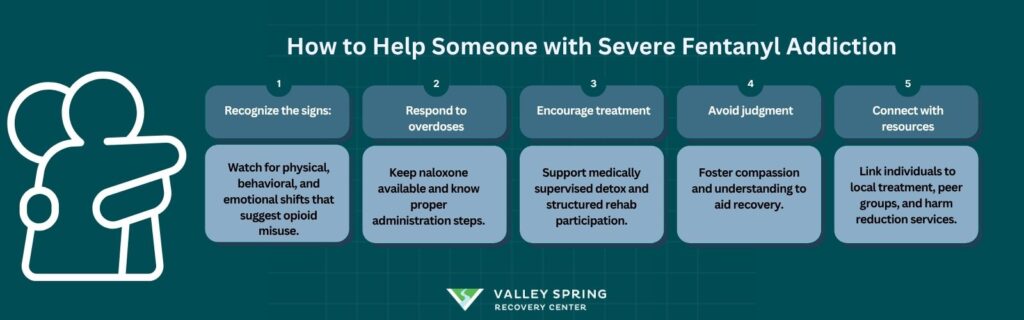
To help someone with severe fentanyl addiction, you must act quickly, offer compassion, and guide them toward professional care. Here are some steps you should take if you notice someone who is exhibiting signs of fentanyl addiction
- Recognize the signs: Look for physical, behavioral, and emotional changes tied to opioid use.
- Respond to overdoses: Keep naloxone (Narcan) on hand and know how to use it.
- Encourage professional treatment: Seek medically supervised detox and long-term rehab options.
- Avoid judgment: Create a non-shaming environment that supports recovery.
- Connect with resources: Reach out to local treatment centers, support groups, and harm reduction programs.
How does social media contribute to the stigma surrounding the fentanyl fold?
Social media platforms have circulated images and videos of individuals exhibiting the fentanyl fold, sometimes accompanied by mocking or judgmental commentary. This online behavior exacerbates the stigma faced by those struggling with addiction, potentially deterring them from seeking help and perpetuating negative stereotypes.
Share This Post

Valley Spring Editorial Team
All author posts
Our Therapuetic Recovery Programs
Are you covered for treatment?







Valley Spring Recovery Center is an approved provider for Blue Shield of California and Cigna, while also accepting many other major insurance carriers.
Check Coverage Now!