Gabapentin: Definition, Usage, Side Effects, Addiction

Gabapentin manages neurological conditions by affecting nerve activity in the brain, conditions involving nerve pain, and seizures. Originally developed as an anticonvulsant, gabapentin has since gained broader medical applications due to its ability to alter neurotransmitter activity and stabilize nerve signaling. Approximately 1% of the general population misuses gabapentin, and it is commonly used in combination with opioids to enhance euphoria, according to a study by Smith RV, Havens JR, and Walsh SL. et al. 2016, titled “Gabapentin misuse, abuse and diversion: a systematic review.”
Gabapentin is used for various medical conditions, including epilepsy, neuropathic pain, and restless leg syndrome. It is also used off-label for managing anxiety disorders, sleep disturbances, and withdrawal symptoms from other substances. Due to its effectiveness in treating chronic pain and neurological disorders, it has become a commonly utilized medication in clinical practice.
The main effects of gabapentin include pain relief, sedation, and a calming influence on nerve activity. While it helps manage symptoms of epilepsy and nerve-related pain, it also causes dizziness, drowsiness, and weight gain. Serious side effects, though less common, include mood changes, allergic reactions, and difficulty breathing. Patients are advised to take gabapentin under medical supervision to avoid adverse effects and potential complications.
Gabapentin addiction was initially thought to be unlikely, but research by Drugs.com has shown that it is addictive, especially when misused. Some individuals use gabapentin to enhance the effects of opioids or other depressants, leading to an increased risk of dependence. According to a study by Smith RV, Havens JR, Walsh SL. et al. 2016, titled “Gabapentin misuse, abuse and diversion: a systematic review,” Gabapentin misuse occurs in 40–65% of prescribed users and 15–22% of opioid abusers.
What Is Gabapentin?
Gabapentin is an anticonvulsant medication primarily used to manage partial seizures and neuropathic pain, such as postherpetic neuralgia resulting from shingles. Gabapentin modulates neurotransmitters’ activity in the brain, thereby stabilizing electrical activity and alleviating nerve pain, as studied by Drugs.com. Gabapentin is available under brand names like Neurontin, Gralise, and Horizant. In 2021, 70.9 million prescriptions were written for gabapentin, a two-fold increase from 2011, as reported by Statista.

Gabapentin is sometimes referred to by street names such as “gabbies” or “johnnies.” These colloquial terms stress its potential for misuse, especially when combined with other substances. Gabapentin is not classified as a controlled substance in many regions. Its abuse has raised concerns due to reports of euphoria and sedation at high doses.
As an anticonvulsant, gabapentin is utilized to prevent and control partial seizures in individuals aged three years and older. It is prescribed to relieve nerve pain following shingles in adults. According to Cleveland Clinic, the medication is available in various forms, including capsules, tablets, and oral solutions, with dosages ranging from 300 mg to 600 mg taken three times daily.
Common side effects of gabapentin include drowsiness, dizziness, and fatigue. Weight gain is a relatively uncommon side effect of Gabapentin, affecting about 2% of users in clinical trials. Those who gain weight see an increase of approximately 5.5 pounds after 1.5 months of use. It’s important to consult a healthcare provider before discontinuing gabapentin, as abrupt cessation leads to withdrawal symptoms and increased seizure risk, as studied by Verywell Health.
Gabapentin’s mechanism involves binding to specific calcium channels in the brain, reducing the release of excitatory neurotransmitters and thereby diminishing neuronal excitability. This action contributes to its effectiveness in managing seizures and neuropathic pain. Despite its therapeutic benefits, caution is advised due to its potential for misuse and dependency.
Did you know most health insurance plans cover substance use disorder treatment? Check your coverage online now.
What Are the Available Dosage Forms and Strengths of Gabapentin?
The available dosage forms and strengths of gabapentin include capsules (100 mg, 300 mg, 400 mg), tablets (300 mg, 600 mg, 800 mg), and an oral solution (250 mg per 5 mL). Gabapentin capsules are commonly prescribed for patients who require lower doses, with the flexibility to adjust dosage based on individual needs. The tablet form offers higher strengths, providing a convenient option for those requiring more substantial doses for conditions such as neuropathic pain or seizures. The oral solution is beneficial for patients who have difficulty swallowing pills, ensuring accurate dosing in liquid form.
How Does Gabapentin Work?
Gabapentin works by binding to calcium channels in the central nervous system, reducing the release of excitatory neurotransmitters and stabilizing nerve activity. Although originally developed to mimic the neurotransmitter GABA, it does not directly act on GABA receptors. Instead, gabapentin decreases abnormal nerve signals, making it effective for treating seizures and neuropathic pain, according to Medline Drug Information. Users describe the effects of gabapentin as a sense of relaxation, calmness, or mild sedation. At therapeutic doses, it helps alleviate nerve pain and seizures without causing significant euphoria. However, in higher doses, some individuals report feelings of drowsiness, dizziness, or even a “floating” sensation, which contributes to its potential for misuse.
Is Gabapentin a Controlled Substance?
No, gabapentin is not a federally controlled substance; however, due to concerns about misuse and abuse, several U.S. states have classified it as a Schedule V controlled substance. For instance, Kentucky became the first state to reclassify gabapentin as a Schedule V controlled substance in 2017, following reports that over one-third of drug overdose deaths in the state involved gabapentin, as discussed by Addiction Resource.net.
Michigan has also classified gabapentin as a Schedule V controlled substance to combat its misuse. Other states have implemented measures such as mandatory reporting to Prescription Drug Monitoring Programs (PDMPs) to track gabapentin prescriptions and curb potential abuse. These state-level actions reflect growing concerns about gabapentin’s potential for misuse, especially when combined with other substances.
Contact us today to schedule an initial assessment or to learn more about our services. Whether you are seeking intensive outpatient care or simply need guidance on your drug addiction journey, we are here to help.
What Is Gabapentin Used For?
Gabapentin is used for managing epilepsy, neuropathic pain, and several other medical conditions. Gabapentin is used off-label for conditions like anxiety, sleep disorders, restless legs syndrome, and migraine prevention, offering relief by calming nerve-related symptoms.
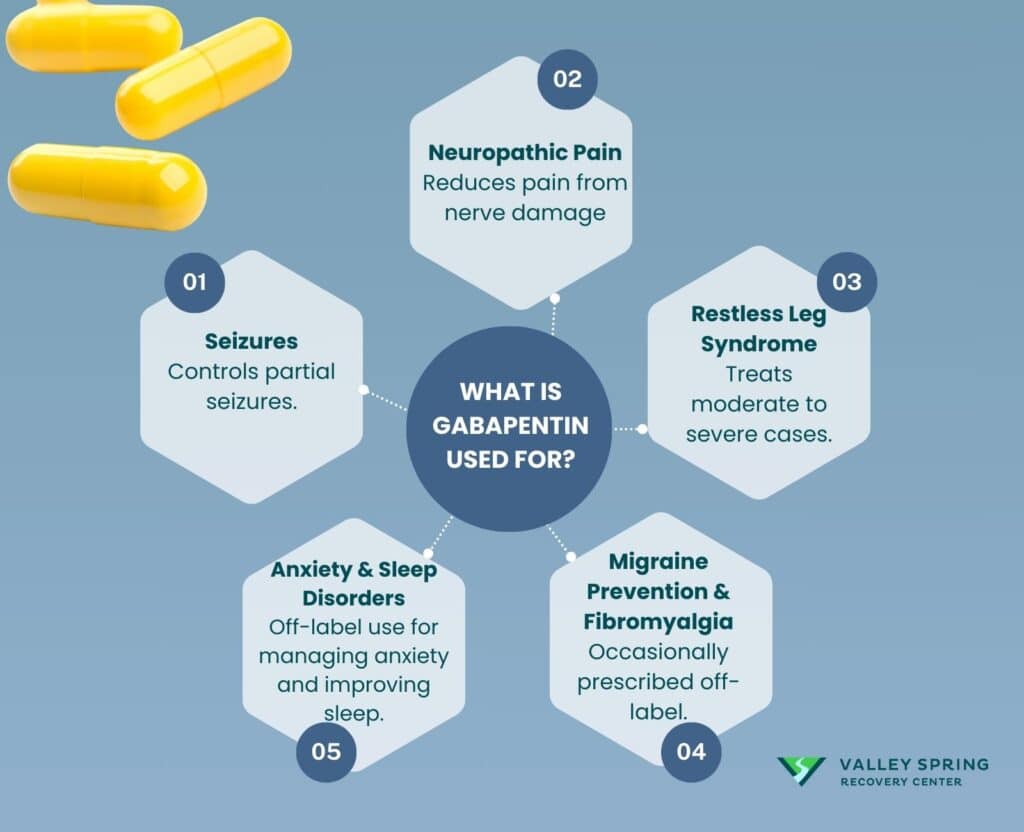
Gabapentin is used for the following conditions:
- Seizures: Gabapentin is prescribed to control partial seizures in individuals with epilepsy. It works by stabilizing electrical activity in the brain, thereby reducing the frequency and intensity of seizures. According to the Cleveland Clinic, the application of Gabapentin for seizures is approved for adults and children three years and older. Dose regression analysis (for trials in adults) conducted by Panebianco M et al. 2021, titled “Gabapentin add-on treatment for drug-resistant focal epilepsy,” shows increasing efficacy with increasing dose, with 25.3% of people responding to gabapentin 1800 mg compared to 9.7% on placebo, a 15.5% increase in response rate.
- Neuropathic Pain: Gabapentin is effective in treating nerve pain resulting from various conditions. It is commonly used to alleviate discomfort associated with postherpetic neuralgia, a complication of shingles. Gabapentin also addresses neuropathic pain related to diabetic neuropathy and nerve injuries. According to a study by Wiffen PJ, Derry S, et al. 2017, titled “Gabapentin for chronic neuropathic pain in adults,” in painful diabetic neuropathy, 38% of participants of the study had substantial benefit (at least 50% pain relief) with gabapentin at 1200 mg daily or greater than with placebo.
- Restless Legs Syndrome (RLS): Gabapentin enacarbil, an extended-release form of the medication, is approved for treating moderate to severe RLS. It helps reduce the urge to move the legs and associated discomfort, particularly during rest or inactivity. According to a study by Bogan RK et al. 2010, titled “Long-term maintenance treatment of restless legs syndrome with gabapentin enacarbil: a randomized controlled study,” Gabapentin enacarbil, 1200 mg maintained improvements in RLS symptoms compared with placebo. It showed long-term tolerability in adults with moderate to severe primary RLS for up to 9 months of treatment.
- Anxiety Disorders: Gabapentin is not officially approved for anxiety, but sometimes it is used off-label to manage anxiety symptoms. Its calming effects on the nervous system help reduce anxiety levels in certain individuals. Hong JSW et al. 2022, titled “Gabapentin and pregabalin in bipolar disorder, anxiety states, and insomnia: Systematic review, meta-analysis, and rationale,” found that High doses (>600 mg) of gabapentin are significantly effective in reducing preoperative anxiety than low doses (600mg).
- Sleep Disorders: Gabapentin has been utilized off-label to improve sleep quality, especially in patients with insomnia linked to neuropathic pain. It enhances slow-wave sleep and reduces nighttime awakenings. A review of 26 studies with 4,684 participants by Liu GJ et al. 2017, titled “Efficacy and Tolerability of Gabapentin in Adults with Sleep Disturbance in Medical Illness: A Systematic Review and Meta-analysis” found that gabapentin demonstrated superior outcomes across multiple endpoints compared to placebo, with a success rate ranging from approximately 50% to 79%, though it was associated with a 38% higher risk of poor tolerance.
- Migraine Prophylaxis: Some healthcare providers prescribe gabapentin off-label to prevent migraines. Its effectiveness in this area varies, and more research is needed to establish its efficacy conclusively.
- Hot Flashes: Gabapentin has been used to alleviate hot flashes in menopausal women or those undergoing certain cancer treatments. It offers an alternative for individuals who cannot or prefer not to use hormone replacement therapy.
- Fibromyalgia: In some cases, gabapentin is prescribed off-label to manage fibromyalgia symptoms, including widespread musculoskeletal pain and fatigue. It helps reduce pain perception and improve sleep in affected individuals.
What Are the Side Effects of Gabapentin?
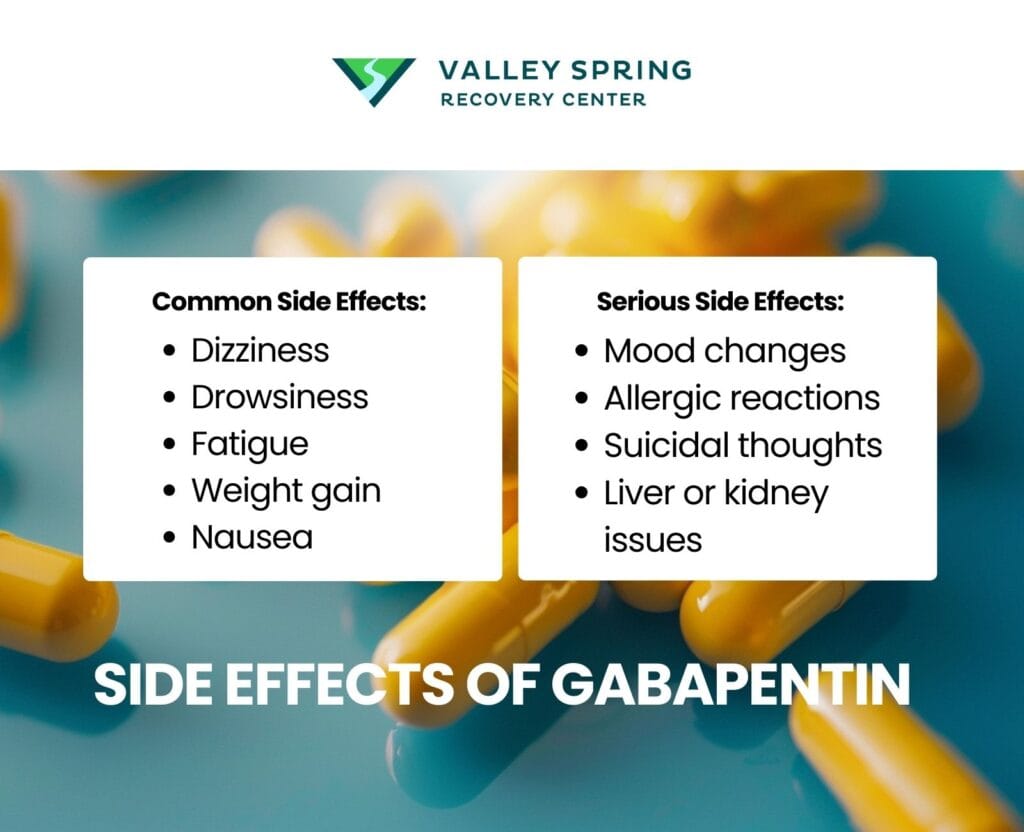
The side effects of gabapentin are both common and serious, ranging from mild discomfort to severe health risks. Common side effects include dizziness, fatigue, and nausea, while serious side effects involve mood changes, organ dysfunction, or allergic reactions. It is important to monitor symptoms and consult a healthcare provider if any concerning effects occur.
Common Side Effects of Gabapentin
Common side effects of gabapentin are fever, dizziness, headache, and weight gain. These side effects are usually mild but still affect daily activities. These effects diminish as the body adjusts to the medication, but persistent symptoms require medical attention. According to Smith BH, Higgins C, Baldacchino A, Kidd B, Bannister J., et al. 2012, “Substance misuse of gabapentin,” Gabapentin induces euphoria, dizziness, and mental health issues.
The common side effects of gabapentin are as follows:
- Fever: Some users experience a mild fever as their body reacts to the medication, though it usually subsides on its own.
- Dizziness: A frequent side effect, dizziness leads to instability and an increased risk of falls, especially in elderly patients.
- Headache: Mild to moderate headaches are reported, improving with continued use or hydration; according to Drugs.com, “Gabapentin Side Effects: Common, Severe, Long Term.”
- Feeling Tired: Gabapentin causes drowsiness or fatigue, making activities requiring focus more difficult.
- Memory Loss: Some individuals notice difficulty with short-term memory or concentration while taking gabapentin. Behroozi Z, Jafarpour M, et al. 2023, conducted a meta-analysis, including 21 studies (4 clinical, 17 preclinical) titled “The effect of gabapentin and pregabalin administration on memory in clinical and preclinical studies: a meta-analysis and systematic review,” and found that Gabapentin affects memory, with dosage and timing influencing retention latency, while short-term Pregabalin use in healthy individuals led to temporary CNS side effects.
- Weight Gain: Changes in appetite and metabolism lead to gradual weight gain in some users.
- Eye Problems: Blurred vision or unusual eye movements occur, affecting coordination and balance.
- Nausea and Vomiting: Some people experience digestive discomfort, including nausea, stomach pain, or vomiting.
- Difficulty Speaking: Slurred speech or trouble finding words are a temporary side effect of gabapentin.
- Recurring Infections: Weakened immune responses increase the risk of colds, flu, or other infections.
- Movement Problems: Some users report issues with coordination, unsteady walking, or tremors.
Rediscover Life at Valley Spring Recovery Center
Get the compassionate support you deserve. We're here to help you reclaim joy, wellness, and a brighter future.
Verify Benefits
Serious Side Effects of Gabapentin
Serious side effects of gabapentin are allergic reactions, mood problems, and liver and kidney issues. These effects are rare but require immediate medical attention. These effects have significant health consequences if left untreated.
The serious side effects of gabapentin are as follows:
- Allergic Reactions: Symptoms such as rash, swelling, or difficulty breathing indicate a severe allergic reaction requiring urgent care.
- Mood Problems: Some individuals experience increased anxiety, depression, or agitation while taking gabapentin.
- Liver Abnormalities: In rare cases, gabapentin affects liver function, leading to jaundice or abnormal liver enzyme levels.
- Kidney Issues: Since gabapentin is processed through the kidneys, individuals with preexisting kidney disease experience worsening kidney function.
- Suicidal Thoughts: Some users report an increased risk of suicidal ideation or behavior, necessitating close monitoring by a healthcare provider.
What Are the Side Effects of Gabapentin in Women?
The side effects of gabapentin in women are dizziness, fatigue, and peripheral edema, similar to effects experienced by the general population. Clinical data indicate that weight gain occurs in approximately 2% of women, with an average increase of about 5.5 pounds over 1.5 months, according to Drugs.com. Women experience gastrointestinal symptoms such as nausea and vomiting. It’s important to note that serious side effects, though rare, include mood changes and allergic reactions. Women should consult their healthcare provider to discuss potential risks and benefits before starting gabapentin therapy.
What Are the Side Effects of Gabapentin in Men?
The side effects of gabapentin in men are dizziness, somnolence, and peripheral edema, comparable to those observed in women. While weight gain is less commonly reported in men, it remains a possible side effect. Men also experience gastrointestinal disturbances, including nausea and vomiting. Serious adverse effects, though infrequent, involve mood alterations and hypersensitivity reactions. Male patients need to discuss the potential risks and benefits of gabapentin with their healthcare provider prior to initiating treatment.
Are you covered for treatment?


Valley Spring Recovery Center is an approved provider for Blue Cross Blue Shield and Cigna, while also accepting many other major insurance carriers.
Check Coverage Now!Is Gabapentin Addictive?
Yes, gabapentin is addictive in some individuals. Although initially considered to have a low potential for abuse, recent studies have shown that misuse rates among individuals with gabapentin prescriptions range from 40% to 65%, according to a study by Smith RV, Havens JR, Walsh SL. et al. 2016, titled “Gabapentin misuse, abuse and diversion: a systematic review.” The primary reason for gabapentin addiction is its calming effects, which some individuals find desirable, leading to misuse. It’s important to use gabapentin only as prescribed and consult a healthcare professional if there are concerns about dependence.
What Are the Withdrawal Symptoms of Gabapentin?
The withdrawal symptoms of gabapentin are both physical and psychological effects, including anxiety, insomnia, nausea, pain, and sweating. These symptoms begin within 12 hours to 7 days after discontinuation and last up to 10 days, according to Drugs.com. “How long does gabapentin withdrawal last?” In some cases, withdrawal leads to more severe symptoms, such as seizures, especially in individuals with a history of epilepsy. It’s important to consult a healthcare professional before stopping gabapentin to manage and mitigate potential withdrawal effects.
How Long Does Gabapentin Stay in Your System?
Gabapentin stays in your system for approximately 1 to 2 days after the last dose, according to the Mayo Clinic. It has a half-life of about 5 to 7 hours, meaning it takes this time for the body to eliminate half of the drug. Gabapentin is primarily excreted unchanged through the kidneys, and its detection in bodily fluids varies. In urine samples, gabapentin is detectable for 1 to 2 days post-ingestion, while in blood for up to 24 hours. It remains for 36 hours in saliva, while hair tests potentially detect drug use for up to 90 days.
Did you know most health insurance plans cover substance use disorder treatment? Check your coverage online now.
Can You Stop Gabapentin Cold Turkey?
No, you cannot stop gabapentin cold turkey due to the risk of withdrawal symptoms, which include anxiety, insomnia, nausea, pain, and sweating. In some cases, sudden discontinuation leads to more severe symptoms, such as seizures, especially in individuals with a history of epilepsy. It’s important to consult a healthcare professional before stopping gabapentin to minimize these risks. Healthcare professionals provide a customized tapering schedule to gradually reduce the dosage safely.
Can You Overdose on Gabapentin?
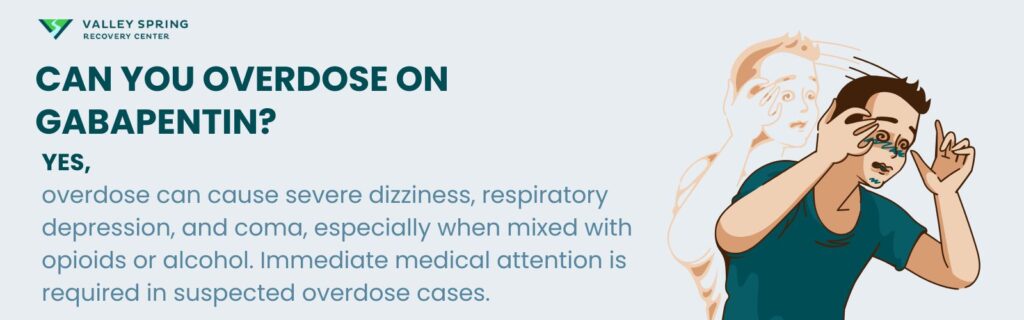
Yes, you can overdose on gabapentin, especially if taken in quantities exceeding prescribed doses. Overdose occurs due to intentional misuse or accidental ingestion of high amounts. If an overdose is suspected, immediate medical attention is required to manage and mitigate potential health risks. Postmortem toxicology tests detected gabapentin in almost 1 in 10 US overdose deaths between 2019 and 2020, according to Kuehn BM et al. 2022, titled “Gabapentin Increasingly Implicated in Overdose Deaths.” In about half of the cases, a medical examiner or coroner ruled the drug was a cause of the death, according to a report from the CDC’s Division of Overdose Prevention.
Symptoms of a gabapentin overdose include:
- Dizziness
- Double vision
- Slurred speech
- Drowsiness
- Lethargy
- Diarrhea
- Increased seizures (for those with seizure disorders)
How Does Gabapentin Interact with Other Medications?
Gabapentin interacts with other medications by potentially enhancing their sedative effects, leading to increased drowsiness or respiratory depression. When combined with narcotic opioids, anti-anxiety medications, antidepressants, or antihistamines, there is a heightened risk of sedation and impaired coordination. Antacids containing magnesium or aluminum reduce the absorption of gabapentin, decreasing its effectiveness. It’s important to inform your healthcare provider of all medications and supplements you are taking to avoid adverse interactions. A study by Gomes T et al. 2022, titled “Gabapentin, opioids, and the risk of opioid-related death: A population-based nested case-control study,” found that concomitant gabapentin and opioid exposure was associated with a 49% higher risk of dying from an opioid overdose.
What Should You Avoid While Taking Gabapentin?
You should avoid consuming alcohol while taking gabapentin, as it amplifies the medication’s sedative effects, leading to increased dizziness and drowsiness. It’s advisable to steer clear of grapefruit juice, which interferes with the metabolism of various medications, though specific interactions with gabapentin are not well-documented. Magnesium-containing supplements or antacids reduce gabapentin’s absorption, therefore, it’s recommended to take gabapentin at least two hours after such products. Combining gabapentin with opioids results in heightened sedation and respiratory depression, so this combination should be approached with caution and under direct medical supervision.
Can You Drink Alcohol while Taking Gabapentin?
No, you cannot drink alcohol while taking gabapentin because both substances depress the central nervous system, and their combined effects lead to enhanced dizziness, drowsiness, and impaired coordination. This combination increases the risk of accidents and exacerbates side effects, as studied by SungleCare titled “What happens if you mix gabapentin and alcohol?” It’s advisable to avoid alcohol during gabapentin therapy to ensure safety.
Can You Drive while Taking Gabapentin?
No, you cannot drive while taking gabapentin until you understand how the medication affects you. Gabapentin causes side effects such as dizziness, drowsiness, and impaired coordination, which impair your ability to perform tasks that require full attention. Once you are accustomed to the medication and its effects on your body, consult with your healthcare provider to determine if it’s safe for you to resume such activities.
Can You Take Gabapentin while Pregnant?
No, you cannot take gabapentin while pregnant, but the decision should be made in consultation with a healthcare provider. Gabapentin crosses the placenta, and while some studies have not shown a significant increase in major birth defects, the data is not conclusive. The potential benefits of treatment must be weighed against the possible risks to the fetus. Discussing all available options and considering alternative treatments with your healthcare provider is important.
A study by the MGH Center for Women Mental Health, “Clinical Update 2024: Gabapentin (Neurontin) and Pregnancy,” observed that maternal use of gabapentin was associated with a slight increase in risk for adverse outcomes, including preterm birth, small for gestational age, and NICU admissions. There is also an increased risk of these outcomes in women with depression and anxiety.
Can You Take Gabapentin on an Empty Stomach?
Yes, you can take gabapentin on an empty stomach. Food does not significantly affect the absorption of gabapentin; however, taking it with food helps reduce potential gastrointestinal discomfort for some individuals. It’s important to follow your healthcare provider’s instructions regarding dosage and administration to ensure the optimal effectiveness of the medication.
Share This Post

Valley Spring Editorial Team
All author posts
Our Therapuetic Recovery Programs
Are you covered for treatment?




Valley Spring Recovery Center is an approved provider for Blue Shield of California and Cigna, while also accepting many other major insurance carriers.
Check Coverage Now!