10 Types Of Rehabilitation
Rehabilitation is a beacon of hope and empowerment for individuals facing the challenges of injury, illness, or disability. It’s a journey toward regaining independence and enhancing quality of life through tailored interventions. Whether it’s bouncing back from a physical setback, relearning skills after a neurological event, or finding new ways to communicate, rehabilitation encompasses a wide array of therapies designed to meet diverse needs.
From the physical strength regained in orthopedic rehabilitation to the cognitive leaps made in neurological recovery, each step is a milestone toward personal autonomy. This article delves into the nine pivotal types of rehabilitation, shedding light on the specialized approaches that help individuals rebuild their lives. With insights into physical, cognitive, and vocational rehabilitation, among others, we explore how these therapies pave the way for resilience and recovery.
Rehabilitation is not a one-size-fits-all solution but a specialized field that addresses a wide array of needs. We list all the types of rehabilitation in the article below.
What is Rehabilitation?
Rehabilitation is a comprehensive process aimed at restoring an individual’s physical, sensory, intellectual, psychological, and social function that has been lost or diminished due to injury, illness, or disability. This process is designed to help the person achieve the highest level of independence and quality of life possible, with the ultimate goal of reintegrating them into their community or workplace. Rehabilitation is tailored to meet each person’s unique needs and may involve a multidisciplinary team of healthcare professionals, including physical therapists, occupational therapists, psychologists, and speech and language therapists, among others.
The interventions can range from physical exercises, skill retraining, assistive devices, to psychological counseling, all aimed at enhancing the individual’s capabilities and facilitating adaptation to changes. Rehabilitation is not only about the recovery of lost functions but also about empowering individuals to make adjustments that promote a fulfilling and productive life, despite any limitations they may face.
Did you know most health insurance plans cover substance use disorder treatment? Check your coverage online now.
What are the types of rehabilitation?
Rehabilitation is a nuanced and multifaceted field that caters to a broad range of healthcare needs. Each category of rehabilitation targets specific issues, and understanding these can help both healthcare providers and patients make informed decisions. Below are comprehensive definitions and contextual explanations for various types of rehabilitation:
1. Physical Rehabilitation
Physical Rehabilitation focuses on aiding individuals in recovering from musculoskeletal, neurological, and cardiopulmonary injuries or conditions. It involves a series of treatments and exercises designed to restore strength, movement, and functionality, ultimately enhancing the patient’s quality of life. This form of rehabilitation is crucial for individuals who have suffered from sports injuries, strokes, heart attacks, or those dealing with chronic conditions like arthritis or COPD.
2. Orthopedic Rehabilitation for Musculoskeletal Injuries
Through Orthopedic rehabilitation, patients regain mobility and strength in bones, muscles, and joints. Neurological rehabilitation aids those with brain and nerve damage in relearning basic functions and improving their cognitive abilities. Cardiopulmonary rehabilitation is tailored for individuals recovering from heart and lung diseases, focusing on improving endurance and breath control.
Each program is customized to meet the patient’s specific needs, aiming to help them achieve maximum independence and return to their daily activities.
Orthopedic rehabilitation is vital for individuals recovering from injuries affecting bones, muscles, and joints. This tailored approach focuses on restoring mobility, strength, and functionality through targeted exercises and therapies. It benefits those with sports injuries, post-surgical recovery, and chronic conditions like arthritis, aiming to improve quality of life and independence.
Contact us today to schedule an initial assessment or to learn more about our services. Whether you are seeking intensive outpatient care or simply need guidance on your drug addiction journey, we are here to help.
3. Neurological Rehabilitation for Brain and Nerve Injuries
Neurological rehabilitation addresses the complex needs of individuals with brain and nerve injuries. This specialized care focuses on relearning basic functions, enhancing cognitive abilities, and improving motor skills. It supports recovery from strokes, traumatic brain injuries, and neurological diseases, facilitating a return to daily activities and promoting cognitive health.
4. Cardiopulmonary Rehabilitation for Heart and Lung Conditions
Cardiopulmonary rehabilitation is designed for patients recovering from heart and lung diseases, such as heart attacks, COPD, and pulmonary fibrosis. This comprehensive program improves endurance, breath control, and overall cardiovascular health. By combining exercise, education, and lifestyle counseling, it aims to enhance patients’ quality of life and reduce symptoms, promoting a healthier, more active lifestyle.
Respiratory Therapy is a specialized area of healthcare that focuses on the treatment, management, and care of patients with breathing or other cardiopulmonary disorders. This form of therapy is crucial for individuals suffering from chronic respiratory diseases like asthma, chronic obstructive pulmonary disease (COPD), and cystic fibrosis, as well as patients experiencing acute respiratory issues due to infections, trauma, or surgery. The primary goal of Respiratory Therapy is to enhance patients’ oxygen intake and overall lung capacity, thereby improving their ability to breathe more easily and effectively.
5. Cognitive Rehabilitation
Cognitive Rehabilitation is a specialized therapy aimed at improving memory, attention, problem-solving skills, and other cognitive functions. It is particularly beneficial for individuals who have suffered brain injuries or diseases such as strokes, traumatic brain injuries, or dementia. The goal is to help patients regain their cognitive abilities to the fullest extent possible, enhancing their ability to perform daily tasks and improving their overall quality of life.
Through a variety of techniques and personalized strategies, cognitive rehabilitation supports patients in relearning lost skills and developing new ways to compensate for abilities that have been compromised. This form of rehabilitation is crucial in the journey towards independence and mental resilience, enabling individuals to navigate their lives more effectively.
Cognitive rehabilitation significantly enhances memory, attention, and problem-solving abilities. Tailored exercises and therapies are designed to target specific cognitive deficits, thereby improving the patient’s capacity to process and remember information, focus on tasks, and solve problems effectively. This improvement is crucial for daily functioning and independence, making it a key aspect of cognitive recovery.
This rehabilitation is especially supportive for those recovering from brain injuries or battling neurological diseases. By addressing the unique challenges faced by these individuals, cognitive rehabilitation aids in restoring lost cognitive functions and adapting to new ways of thinking and learning. It provides a foundation for individuals to rebuild their lives with an improved understanding and management of their cognitive limitations.
Rediscover Life at Valley Spring Recovery Center
Get the compassionate support you deserve. We're here to help you reclaim joy, wellness, and a brighter future.
Verify Benefits
6. Speech Rehabilitation
Speech Rehabilitation, also known as Speech and Language Therapy, focuses on helping individuals overcome difficulties with speech, language, voice, and swallowing. This form of therapy is crucial for those who have experienced speech impairments due to conditions such as stroke, brain injury, hearing loss, or developmental delays. The goal of speech rehabilitation is to improve communication abilities, allowing patients to express themselves more effectively and enhancing their social interactions and daily living.
Through personalized treatment plans, which may include exercises to strengthen the muscles used in speech, language drills to enhance understanding and expression, and techniques for better swallowing, patients work towards regaining their speech capabilities. Speech rehabilitation not only aids in the physical aspects of speech but also addresses the psychological impact, supporting individuals in rebuilding their confidence and independence in communication.
Speech and Language Therapy is dedicated to assisting individuals with communication disorders and swallowing difficulties. It encompasses a wide range of interventions aimed at improving speech clarity, language development, voice quality, and the ability to swallow safely. This therapy is beneficial for people of all ages, from children who have developmental speech delays to adults recovering from strokes or traumatic brain injuries.
Through a variety of techniques, including articulation exercises, language activities, and voice modulation practices, therapists work closely with patients to develop personalized treatment plans. The objective is to enhance the individual’s ability to communicate effectively, thereby improving their social interactions, academic performance, or professional effectiveness, depending on their life stage and personal goals. Speech and Language Therapy not only focuses on the mechanics of speech but also addresses the psychological aspects, supporting patients in gaining confidence in their communication skills.
7. Vocational and Occupational Rehabilitation
Vocational and Occupational Rehabilitation is focused on empowering individuals to overcome barriers to employment and achieve optimal occupational performance. This rehabilitation service is essential for those who have experienced physical, cognitive, or emotional changes that affect their ability to work. Through a comprehensive approach that includes career counseling, job training, and life skills development, professionals assist individuals in finding or returning to suitable employment.
The process often involves assessing the person’s abilities and interests, providing targeted training to develop new skills, and implementing strategies to manage workplace challenges. Additionally, vocational rehabilitation may offer guidance on workplace accommodations and adaptive technologies that enable individuals to perform their job tasks more effectively. The ultimate goal is to support individuals in achieving greater independence and job satisfaction, enhancing their overall quality of life.
Vocational and Occupational Rehabilitation helps individuals return to work by addressing the challenges that hinder their employment prospects. Tailored support and interventions enable people to overcome obstacles, regain their professional roles, and contribute meaningfully to the workforce. This aspect of rehabilitation is crucial for fostering independence and financial stability.
A core component of Vocational Rehabilitation is providing career counseling and job training. These services assist individuals in exploring their career interests, identifying suitable employment opportunities, and acquiring the necessary skills for their chosen field. Through expert guidance and practical training, individuals are better prepared to enter or re-enter the workforce, equipped with the competencies required for success.
Developing life skills is an integral part of Vocational and Occupational Rehabilitation. This includes teaching time management, communication, problem-solving, and other essential skills that enhance an individual’s ability to navigate daily tasks and workplace demands. By strengthening these skills, individuals not only improve their job performance but also their overall quality of life, making it easier to adapt to changes and challenges in their personal and professional lives.
8. Substance Abuse Rehabilitation
Substance Abuse Rehabilitation otherwise known as Substance use disorder rehab or drug addiction treatment is a critical process designed to help individuals struggling with alcohol and drug addiction. This type of rehabilitation offers a comprehensive approach that includes detoxification, therapy, and support systems to address the physical, psychological, and social aspects of addiction. The primary focus is to assist individuals in breaking the cycle of addiction, promoting long-term recovery.
A key component of Substance Abuse Rehabilitation includes detoxification and therapy. Detoxification is the first step, aiming to safely remove toxic substances from the body under medical supervision. Following detox, various therapeutic approaches are employed to tackle the psychological aspects of addiction, helping individuals understand the root causes of their substance use and develop coping strategies for a sober life.
Through personalized treatment plans, patients undergo detoxification to cleanse their body of substances, followed by various forms of therapy to identify and manage the underlying causes of their addiction. Additionally, rehabilitation programs provide tools and strategies for relapse prevention, aiming to equip individuals with the skills needed to maintain sobriety and rebuild their lives. Substance Abuse Rehabilitation not only focuses on stopping substance use but also on improving the overall well-being and quality of life of those affected, supporting them in their journey towards recovery and independence.
Substance Abuse Rehabilitation treats alcohol and drug addiction by addressing the complex nature of substance dependence. It focuses on helping individuals cease substance use and provides the necessary support to manage the challenges associated with addiction. This treatment is essential for breaking the cycle of addiction and fostering a path towards recovery.
Are you covered for treatment?


Valley Spring Recovery Center is an approved provider for Blue Cross Blue Shield and Cigna, while also accepting many other major insurance carriers.
Check Coverage Now!6. Mental Health & Psychological Rehabilitation
Mental Health & Psychological Rehabilitation is dedicated to supporting individuals with emotional and psychological disorders. This branch of rehabilitation focuses on providing comprehensive care that includes medication therapy, counseling, and behavioral therapies. The primary aim is to address the underlying causes of mental health issues, promote emotional well-being, and enhance the individual’s ability to function in daily life.
By employing a range of therapeutic strategies, mental health professionals work to alleviate symptoms, improve coping mechanisms, and foster a healthier mental state. This type of rehabilitation plays a crucial role in helping individuals manage conditions such as depression, anxiety, bipolar disorder, and schizophrenia, among others. Through personalized treatment plans, Mental Health & Psychological Rehabilitation empowers individuals to achieve a balanced life, improving their quality of life and supporting their journey towards recovery and independence.
Mental Health & Psychological Rehabilitation addresses emotional and psychological disorders by focusing on the individual’s mental and emotional well-being. It aims to identify and treat conditions such as depression, anxiety, PTSD, and other mental health issues, providing a pathway to recovery and improved mental health.
This form of rehabilitation utilizes medication therapy and counseling as key components of treatment. Medication therapy helps to manage symptoms and stabilize mood, while counseling offers a platform for individuals to explore their thoughts, feelings, and behaviors in a supportive environment. Together, these approaches facilitate healing and promote coping strategies for dealing with life’s challenges.
7. Pediatric Rehabilitation
Pediatric Rehabilitation focuses on the unique needs of children with disabilities, aiming to enhance their development, independence, and participation in daily activities. This specialized form of rehabilitation combines physical, occupational, and speech therapy to address a wide range of conditions, from congenital disorders to injuries and illnesses that impact a child’s growth and development. The goal is to support the child’s overall development, helping them to achieve milestones in mobility, communication, and self-care.
By providing early intervention and tailored therapies, Pediatric Rehabilitation plays a critical role in maximizing a child’s potential, fostering a sense of inclusion, and improving their quality of life. Through collaborative efforts with families and educators, this approach ensures that each child receives comprehensive care designed to meet their individual needs and promote long-term well-being.
Pediatric Rehabilitation is tailored for children with disabilities, focusing on interventions that support their unique developmental needs. It aims to empower these young individuals by enhancing their abilities and enabling them to participate more fully in life’s activities.
This comprehensive approach includes physical, occupational, and speech therapy, each playing a crucial role in addressing the various aspects of a child’s development. Physical therapy improves mobility and strength, occupational therapy enhances daily living skills, and speech therapy fosters communication abilities, together supporting a holistic development strategy for each child.
8. Geriatric Rehabilitation
Geriatric Rehabilitation focuses on addressing the unique healthcare needs of the elderly population, aiming to improve mobility, independence, and quality of life for older adults. This specialized field recognizes the complex interplay of factors affecting the aging process, including chronic diseases, injuries, and cognitive changes. Through a combination of physical therapy, occupational therapy, and specialized care plans, geriatric rehabilitation seeks to restore or maintain the highest possible level of function and well-being.
The goal is to empower seniors to lead a more active, healthy, and independent lifestyle, despite the challenges that may come with age. By tailoring rehabilitation efforts to the individual needs and conditions of each patient, geriatric rehabilitation plays a crucial role in enhancing the overall health status of the elderly, supporting them in achieving a better quality of life.
Geriatric Rehabilitation focuses on the elderly population, specifically addressing the health challenges and needs that arise with aging. It is dedicated to enhancing the well-being of older adults through specialized care and interventions.
The primary aim of Geriatric Rehabilitation is to improve mobility, independence, and quality of life for the elderly. By addressing physical limitations, promoting functional ability, and providing support for cognitive and emotional health, this form of rehabilitation empowers older adults to lead more fulfilling lives.
Did you know most health insurance plans cover substance use disorder treatment? Check your coverage online now.
Why is Rehabilitation Important?
Rehabilitation is vital because it promotes physical recovery, supports mental health, and facilitates recovery across a broad spectrum of conditions and injuries. It empowers individuals to regain or improve their abilities, enhancing their quality of life and independence. By addressing the specific needs of each person, rehabilitation plays a crucial role in helping individuals return to their daily activities, work, or school, and participate fully in their community.
Moreover, it contributes to reducing the overall impact of chronic conditions, injuries, and disabilities on both the individual and society by minimizing hospital stays and healthcare costs. Rehabilitation is not just about recovery; it’s about empowering individuals to live their lives to the fullest despite their challenges.
Promotes Physical Recovery
Rehabilitation promotes physical recovery by helping individuals regain strength, mobility, and functionality after an injury or surgery. This process is crucial for restoring a person’s ability to perform daily tasks and improving their overall quality of life.
Supports Mental Health
It also supports mental health by addressing the psychological aspects of recovery. Rehabilitation provides emotional support and coping strategies, helping individuals deal with the challenges and stressors associated with their condition or injury.
Contact us today to schedule an initial assessment or to learn more about our services. Whether you are seeking intensive outpatient care or simply need guidance on your drug addiction journey, we are here to help.
Facilitates Recovery
Overall, rehabilitation facilitates recovery by offering a comprehensive approach to healing. It combines physical therapies with psychological support, ensuring a holistic recovery process that caters to both the body and mind.
What are some of the more important therapies involved in rehabilitation?
In the realm of rehabilitation, therapies that significantly improve attitude and cognition play a pivotal role across all rehabilitation types. Behavioral therapies stand out as essential for modifying harmful behaviors and developing healthier habits, directly impacting an individual’s attitude towards life and recovery. These therapies are instrumental in treating a wide array of conditions, from substance abuse to mental health disorders, by fostering positive behavioral changes.
Pharmacotherapy is another critical component, especially when combined with other therapeutic modalities. It involves the use of medications to manage symptoms, stabilize mood, and improve cognitive function, thereby enhancing the overall rehabilitation process. For conditions like depression, anxiety, and other psychiatric or neurological disorders, pharmacotherapy can be a cornerstone of treatment, significantly affecting the patient’s attitude and cognitive abilities.
Together, behavioral therapies and pharmacotherapy constitute vital elements of a comprehensive rehabilitation strategy. They address the complex interplay between the mind and body, facilitating improvements in mental health, cognitive function, and ultimately, quality of life.
What is the Difference Between Rehabilitation and Recovery?
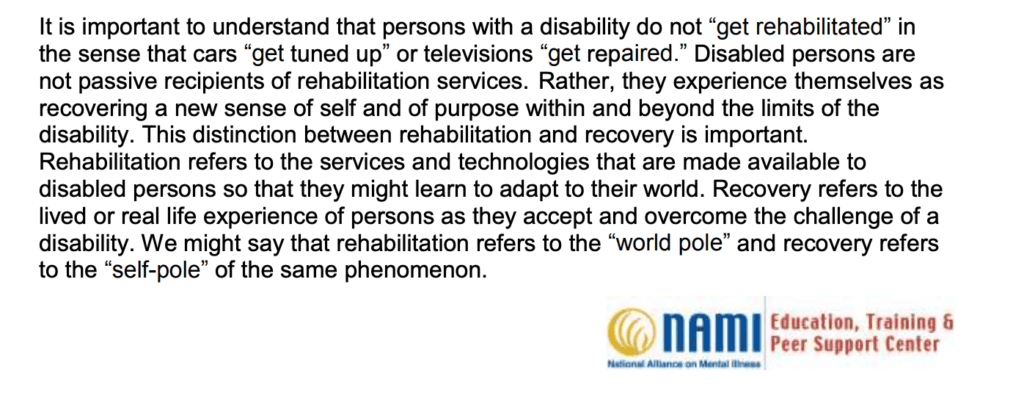
Rehabilitation refers to structured programs and therapies aimed at helping individuals regain lost skills or function, often after an injury, surgery, or in the case of addiction. The World Health Organization defines recovery as a set of interventions designed to optimize functioning and reduce disability in individuals with health conditions in interaction with their environment.
Recovery, on the other hand, is a broader term that encompasses the entire journey of overcoming a condition or addiction, which may include but is not limited to rehabilitation.
According to the National Alliance For Mental Health, recovery refers to the lived or real-life experience of persons as they accept and overcome the challenge of a disability.
Rediscover Life at Valley Spring Recovery Center
Get the compassionate support you deserve. We're here to help you reclaim joy, wellness, and a brighter future.
Verify BenefitsHow Long Does Rehabilitation Typically Last?
The duration of rehabilitation varies depending on the individual’s needs and the type of rehabilitation. For instance, physical rehabilitation after surgery may last a few weeks to months, while rehabilitation for substance abuse could last anywhere from 30 days to a year or more.
Is Rehabilitation Only for Substance Abuse?
No, rehabilitation is a broad term that applies to various fields, including physical therapy, occupational therapy, and even vocational training. In the context of substance abuse, rehabilitation often involves detoxification, behavioral therapy, and long-term aftercare.
Can Rehabilitation Be Done at Home?
Certain types of rehabilitation, particularly some physical therapies, can be done at home under the guidance of a qualified healthcare provider. However, for more severe conditions like substance abuse, inpatient rehabilitation is often recommended for a more structured and focused treatment environment but telehealth addiction treatment still takes place in an outpatient setting once acute symptoms have been alleviated.
Are you covered for treatment?
Valley Spring Recovery Center is an approved provider for Blue Cross Blue Shield and Cigna, while also accepting many other major insurance carriers.
Check Coverage Now!What Are the Qualifications for Rehabilitation Specialists?
Rehabilitation specialists typically have advanced degrees in their respective fields, such as physical therapy, occupational therapy, or addiction counseling. They are often certified and licensed to practice, ensuring they meet the professional standards required to provide effective rehabilitation services.
What Role Do Families Play in Rehabilitation?
Family involvement can be crucial in the rehabilitation process, providing emotional support and encouragement. In some rehabilitation programs, especially those for substance abuse, family counseling is an integral component to address the impact of the condition on the family unit and to foster a supportive environment.
Are There Alternative or Holistic Approaches to Rehabilitation?
Yes, alongside traditional rehabilitation methods, there are alternative or holistic approaches like acupuncture, yoga, and nutritional therapy. These are often integrated into a comprehensive rehabilitation plan to address the condition from multiple angles.
Did you know most health insurance plans cover substance use disorder treatment? Check your coverage online now.
How Do You Measure the Success of Rehabilitation?
The success of rehabilitation is typically measured through specific, achievable goals set at the beginning of the program. These could range from regaining mobility in a limb to achieving sobriety for a specified period. Regular assessments help track progress and adjust the rehabilitation plan as needed.
What Happens After Rehabilitation?
After completing a rehabilitation program, ongoing care is often recommended to maintain the gains achieved. This could involve follow-up appointments, maintenance therapy, or participation in support groups. The aim is to prevent relapse and ensure long-term success.
How Does Rehabilitation Work in Mental Health?
In the context of mental health, rehabilitation often involves a combination of medication, psychotherapy, and lifestyle changes. The goal is to help individuals manage their symptoms, improve their social functioning, and enhance their quality of life.
Contact us today to schedule an initial assessment or to learn more about our services. Whether you are seeking intensive outpatient care or simply need guidance on your drug addiction journey, we are here to help.
What Are the Key Components of a Rehabilitation Program?
A comprehensive rehabilitation program typically includes an initial assessment, a personalized treatment plan, various therapies or interventions, and ongoing monitoring. The program may also involve family members and caregivers to provide a holistic approach to recovery.
Can Rehabilitation Be Done Remotely?
Yes, tele-rehabilitation is becoming increasingly popular, especially for conditions that do not require intensive medical intervention. Remote consultations and therapies can be effective, but it’s crucial to ensure they are guided by qualified healthcare providers.
Is Rehabilitation Covered by Health Insurance?
Many health insurance plans offer coverage for various types of rehabilitation, but the extent can vary. It’s essential to consult your insurance provider to understand what is covered and what out-of-pocket expenses you may incur.
Rediscover Life at Valley Spring Recovery Center
Get the compassionate support you deserve. We're here to help you reclaim joy, wellness, and a brighter future.
Verify BenefitsWhat Qualifications Should Rehabilitation Specialists Have?
Rehabilitation specialists should have relevant educational and professional credentials. For example, a physical therapist should have a degree in physical therapy and be licensed to practice, while addiction counselors should have specialized training in substance abuse treatment.
How Do You Measure the Effectiveness of Rehabilitation?
Effectiveness is usually measured through specific, achievable goals set at the beginning of the program. These could range from regaining mobility in a limb to maintaining sobriety for a set period. Regular assessments help track progress and adjust the treatment plan as needed.
Can Rehabilitation Help with Chronic Conditions?
Yes, rehabilitation can be an essential component of managing chronic conditions like arthritis, chronic pain, or long-term mental health issues. The focus is often on improving quality of life and functional ability rather than a complete cure.
Are you covered for treatment?
Valley Spring Recovery Center is an approved provider for Blue Cross Blue Shield and Cigna, while also accepting many other major insurance carriers.
Check Coverage Now!Are There Different Approaches to Rehabilitation in Different Cultures?
Cultural factors can influence rehabilitation practices, including the types of treatments considered acceptable and the involvement of family members. Understanding these cultural nuances is essential for providing effective, personalized care.
Share This Post

Valley Spring Editorial Team
All author posts
Our Therapuetic Recovery Programs
Are you covered for treatment?




Valley Spring Recovery Center is an approved provider for Blue Shield of California and Cigna, while also accepting many other major insurance carriers.
Check Coverage Now!