

Attention-Deficit/Hyperactivity Disorder (ADHD) and addiction are strongly interconnected due to overlapping neurobiological mechanisms, behavioral patterns, and environmental influences. Individuals with ADHD experience dopamine dysregulation, impaired executive function, and impulsivity.
People with ADHD are more likely to self-medicate with substances such as stimulants, alcohol, marijuana, nicotine, and opioids. In New Jersey, approximately 190,000 children and adults are diagnosed with ADHD, and among these, nearly 95,000 develop a co-occurring substance use disorder during their lifetime.
Adolescents with ADHD are especially vulnerable, initiating substance use earlier than peers and escalating more quickly toward dependency. Untreated ADHD exacerbates risk through emotional dysregulation, academic challenges, and maladaptive coping strategies.
Integrated treatment approaches, including cognitive-behavioral therapy, medication management, mindfulness, and family support, address both ADHD and addiction simultaneously. Early intervention significantly reduces the likelihood of substance dependence while improving long-term cognitive, emotional, and social outcomes.
What Is the Connection Between ADHD and Addiction?
The connection between ADHD and addiction lies primarily in overlapping brain mechanisms and behavioral patterns. Both conditions involve deficits in impulse control, reward processing, and emotional regulation.
People with ADHD experience heightened restlessness and an increased need for stimulation, which makes psychoactive substances feel temporarily balancing. However, these same substances worsen impulsivity and impair cognitive control over time.
What Is the Prevalence of Addiction in People with ADHD?
About 25–35% of adults in addiction treatment also have ADHD, and up to 50% of people with ADHD develop a substance use disorder during their lifetime. Research consistently shows that addiction rates are markedly higher among individuals with ADHD, especially adolescents and young adults, who tend to start using substances earlier and escalate more rapidly toward dependence.
Why Are People with ADHD More Likely to Develop Addiction?
People with ADHD are more vulnerable to addiction due to neurochemical imbalance, difficulty managing emotions, and cognitive challenges in evaluating long-term consequences.
The brains of people who have ADHD respond differently to reward cues, which amplifies the reinforcing effects of drugs, alcohol, and certain behaviors. Environmental and social pressures, such as stress, peer influence, and academic underperformance, further elevate this risk.
The following are the reasons why people with ADHD are more likely to develop addiction:
The Dopamine Deficiency Connection
Dopamine plays a central role in both ADHD and addiction. ADHD brains exhibit reduced dopamine transporter availability, resulting in low baseline reward sensitivity. Substances like nicotine, alcohol, or stimulants artificially increase dopamine transmission, producing temporary focus, calm, or pleasure.
Over time, this artificial reinforcement by drugs rewires neural pathways, deepening dependency. Neuroimaging research by Arnsten AF. et al. 2009, titled “The Emerging Neurobiology of Attention Deficit Hyperactivity Disorder: The Key Role of the Prefrontal Association Cortex,” confirms that both addiction and ADHD involve structural changes in the prefrontal cortex and striatum, areas governing impulse control and motivation.
Executive Function Impairment and Decision-Making
ADHD impairs the brain’s executive functions, working memory, inhibition, and planning. These deficits make it harder to resist immediate rewards or assess potential harm. Consequently, individuals engage in riskier substance use patterns.
Cognitive inflexibility and poor emotional control in ADHD and addiction compound this problem, creating a cycle in which impulsive choices lead to negative outcomes that further fuel self-medication.
The Self-Medication Hypothesis
The self-medication hypothesis explains that many individuals with ADHD turn to substances to manage untreated symptoms. For example, stimulants like cocaine or amphetamines enhance focus temporarily, while alcohol or marijuana reduces hyperactivity or anxiety. However, this relief is short-lived.
Repeated self-medication leads to tolerance, dependence, and neurochemical imbalance that worsens ADHD symptoms over time.
How Does Untreated ADHD Create Pathways to Substance Abuse?
Untreated ADHD frequently evolves into maladaptive coping strategies. Without behavioral therapy or medical management, individuals struggle with chronic frustration, rejection sensitivity, and poor academic or occupational outcomes.
Substances become a means of escape from emotional discomfort in ADHD. Early exposure, combined with impulsivity and sensation-seeking traits, accelerates substance initiation and long-term dependency risk.
Longitudinal study by Breyer JL., et al. 2014, titled “A longitudinal study of childhood ADHD and substance dependence disorders in early adulthood,” shows that adolescents with untreated ADHD begin experimenting with drugs and alcohol two to three years earlier than peers without the disorder.
What Substances Are Most Commonly Abused by People with ADHD?
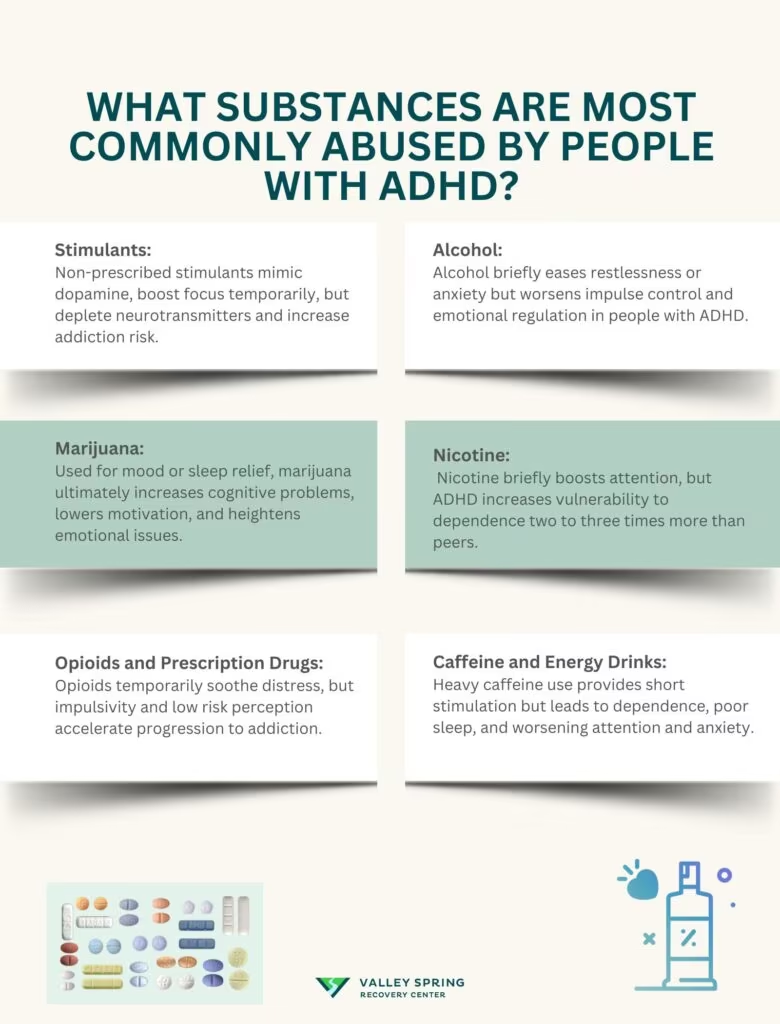
The most commonly abused substances by people with ADHD include stimulants, alcohol, marijuana, nicotine, opioids, and caffeine or energy drinks. ADHD does not lead to dependence on a single substance but heightens vulnerability across drugs that either enhance focus or reduce hyperarousal.
The following are the substances that are commonly abused by people with ADHD:
Stimulants
Cocaine, methamphetamine, and non-prescribed ADHD medications appeal to individuals seeking improved focus or energy. These drugs mimic dopamine’s effects but deplete neurotransmitters over time, heightening addiction risk.
Alcohol
Alcohol provides short-term relief from restlessness or social anxiety. However, alcohol use disorder impairs impulse control, increases emotional reactivity, and coexists with binge patterns among those with ADHD.
Marijuana
Marijuana use is common among individuals attempting to regulate their mood or sleep. Despite perceived calming effects, chronic use of marijuana exacerbates cognitive deficits, motivation decline, and emotional dysregulation.
Nicotine
Nicotine stimulates attention networks and provides immediate but temporary relief from boredom or low arousal. Adolescents with ADHD are two to three times more likely to develop nicotine dependence compared to peers.
Opioids and Prescription Drugs
Opioids are used to self-soothe emotional distress or physical pain. When combined with impulsive tendencies and low risk perception, opioid use disorder rapidly progresses to addiction.
Caffeine and Energy Drinks
High caffeine intake serves as a self-stimulant among individuals with ADHD, leading to dependence and disrupted sleep, which in turn worsens attention deficits and anxiety.
Can ADHD Medications Cause Addiction?
Yes, misuse of ADHD medications can cause addiction. When these medications are used under medical supervision, they do not inherently cause addiction.
Medications like methylphenidate and amphetamine-based drugs elevate dopamine in the brain’s reward system, which produces euphoria at high doses. Proper dosage, slow-release formulations, and monitoring significantly reduce the risk of addiction.
Can ADHD Meds Make ADHD Worse?
No, ADHD meds cannot make ADHD worse if they are taken as per prescription. Inadequate dosing, misuse, or co-occurring substance use exacerbate ADHD symptoms.
Overstimulation, anxiety, or rebound inattention occur when medications are not tailored to individual needs. Clinical management ensures therapeutic benefit without addictive side effects.
What Types of Addiction Are Common in People with ADHD?
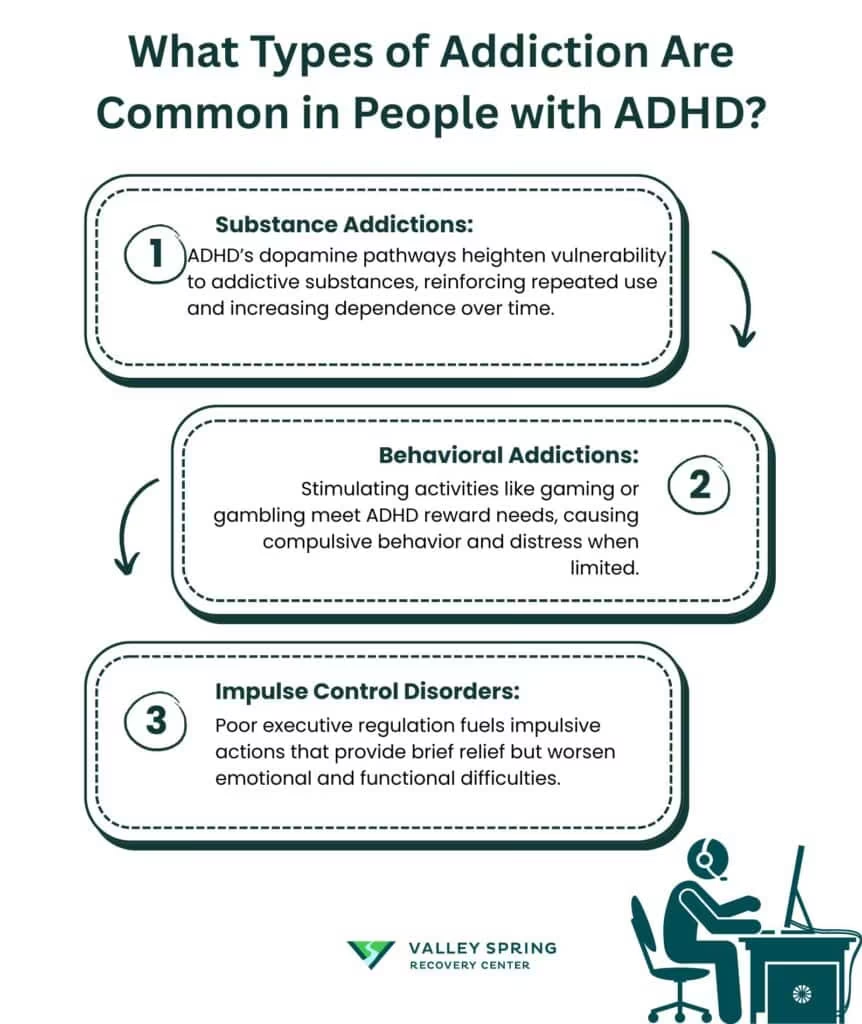
The types of addiction that are common in people with ADHD include substance addictions, behavioral addictions, and impulse control disorders. Individuals with ADHD exhibit heightened reward-seeking tendencies, making them more susceptible to both chemical and behavioral dependencies.
The following are the types of addiction that are common in people with ADHD:
Substance Addictions
People with ADHD frequently develop substance addictions involving alcohol, stimulants, opioids, nicotine, and cannabis. Both ADHD and substance use activate similar dopamine-related reward circuits, increasing susceptibility to craving and dependence. Substance use provides temporary focus or relief from emotional discomfort, reinforcing repetitive consumption and tolerance over time.
Behavioral Addictions
Behavioral addictions in ADHD commonly include gaming, gambling, shopping, and excessive internet use. These activities supply fast stimulation and novelty, satisfying the ADHD brain’s reward drive. Continued repetition leads to loss of control and distress when the behavior is restricted.
Impulse Control Disorders
Impulse control disorders in ADHD arise from weak executive regulation and poor delay of gratification. Individuals engage in impulsive actions such as reckless driving, binge eating, or overspending to relieve tension or boredom. These acts provide short-term relief but increase emotional and functional impairment.
How Are Co-Occurring ADHD and Addiction Diagnosed?
Diagnosis of co-occurring ADHD and addiction requires a comprehensive assessment by mental health and addiction specialists. Screening tools evaluate ADHD symptoms, such as inattention, impulsivity, and hyperactivity, alongside substance use patterns.
Co-occurrence complicates diagnosis since substance effects mimic ADHD traits. A combined psychiatric evaluation, clinical interviews, and collateral reports help differentiate primary ADHD from substance-induced symptoms.
How to Treat ADHD and Addiction?
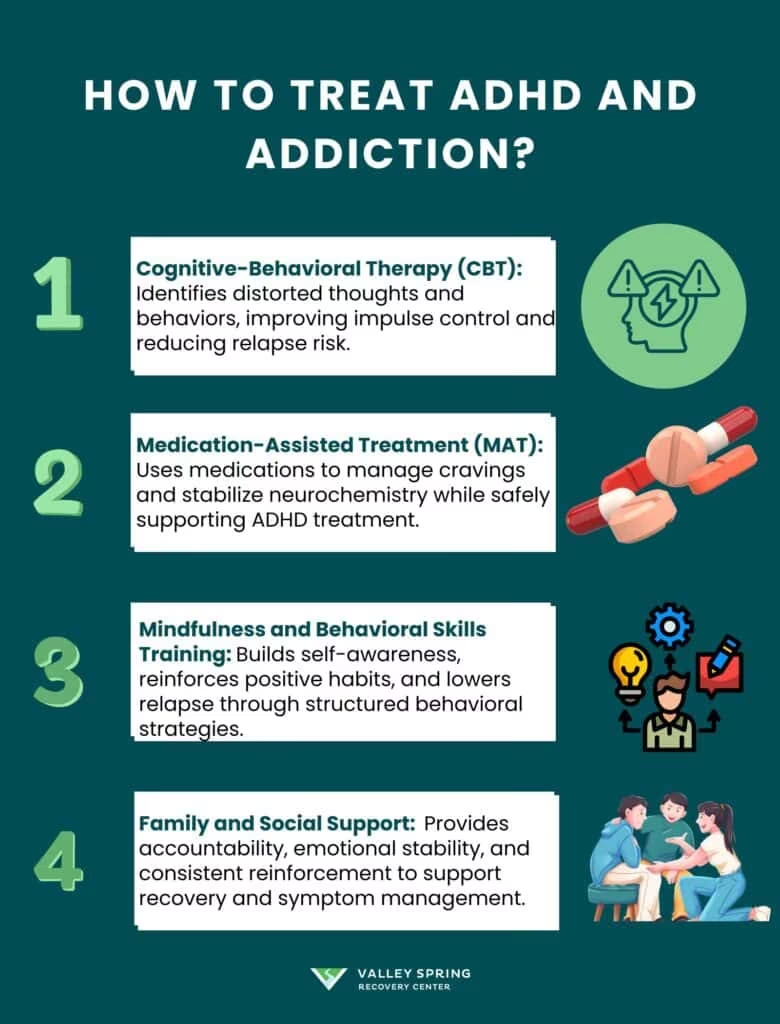
To treat ADHD and addiction, an integrated approach is required that targets both disorders concurrently. Combining psychotherapy, pharmacological support, and behavioral modification improves long-term recovery and relapse prevention.
To treat ADHD and addiction, the following options are employed by professionals:
- Cognitive-Behavioral Therapy (CBT): CBT trains individuals to identify distorted thought patterns and maladaptive behaviors linked to substance use. It enhances executive control, emotional regulation, and decision-making, helping patients manage impulses and reduce relapse triggers.
- Medication-Assisted Treatment (MAT): MAT is applied when addiction symptoms are severe or withdrawal interferes with ADHD treatment. Medications such as buprenorphine or naltrexone reduce cravings and stabilize neurochemistry, while ADHD medications like methylphenidate or atomoxetine are administered under strict clinical supervision to prevent misuse.
- Mindfulness and Behavioral Skills Training: Mindfulness cultivates self-regulation and awareness of craving cues. Behavioral interventions, including contingency management, reinforce positive habits through structured rewards, thereby reducing the probability of relapse.
- Family and Social Support: Family involvement strengthens adherence and emotional stability. Support groups and community programs establish accountability and consistent reinforcement, which sustain functional recovery and symptom management.
Does Treating ADHD Reduce the Risk of Developing Addiction?
Yes, early and effective ADHD treatment significantly lowers the likelihood of developing addiction. Individuals receiving appropriate stimulant therapy under supervision experience reduced substance misuse rates compared to untreated counterparts. Consistent symptom management decreases impulsivity, emotional instability, and the urge to self-medicate.
What Mental Health Disorders Commonly Co-Occur with ADHD and Addiction?
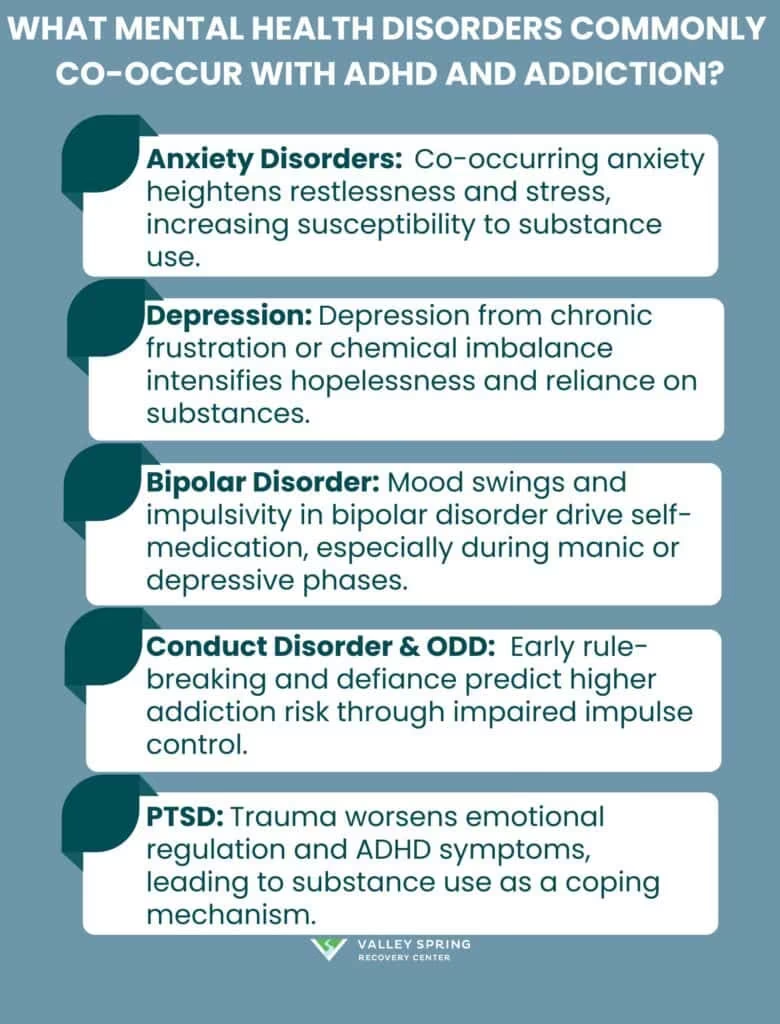
Common co-occurring conditions include anxiety disorders, depression, bipolar disorder, and conduct disorder. Emotional dysregulation and trauma histories further compound risk. Integrated dual-diagnosis treatment ensures simultaneous management of all contributing conditions, improving long-term recovery outcomes.
The following are the mental health disorders that commonly co-occur with ADHD and addiction:
- Anxiety Disorders: Anxiety frequently co-exists with ADHD and addiction, amplifying restlessness, worry, and emotional tension. The heightened arousal state increases susceptibility to substance use as a coping mechanism for internal stress.
- Depression: Depression emerges as a secondary consequence of chronic frustration, failure experiences, or chemical imbalance. Individuals with both ADHD and addiction show higher rates of hopelessness and anhedonia, which intensify substance reliance.
- Bipolar Disorder: Bipolar disorder overlaps symptomatically with ADHD, particularly in impulsivity and mood instability. The cyclical highs and lows drive self-medication behaviors, especially during manic or depressive episodes.
- Conduct Disorder and Oppositional Defiant Disorder (ODD): These behavioral disorders manifest through rule-breaking, aggression, and defiance. Early onset of conduct-related issues predicts higher addiction risk due to impaired impulse control and sensation-seeking tendencies.
- Post-Traumatic Stress Disorder (PTSD): Trauma exposure disrupts emotional regulation and executive functioning, compounding ADHD symptoms. Substance use serves as a maladaptive strategy to manage intrusive memories or hyperarousal.
How Do ADHD and Addiction Affect Children and Adolescents?
ADHD and addiction affect children and adolescents by intensifying impulsivity, emotional dysregulation, and reward sensitivity during critical developmental stages. Young individuals with ADHD are more prone to experiment with substances earlier, seeking stimulation or relief from frustration.
Early substance use interferes with the natural maturation of the prefrontal cortex, leading to long-term cognitive and behavioral impairments. These effects extend to academic performance, peer relationships, and emotional well-being.
Adolescents with co-occurring ADHD and addiction struggle with poor concentration, declining grades, and social isolation. The combination of untreated ADHD and substance exposure increases risk for chronic dependency, mood instability, and future mental health disorders.
Comprehensive early intervention, focusing on behavioral therapy, parental education, and structured support, reduces these risks and promotes healthier cognitive and emotional development.
Can a Child with ADHD Concentrate?
Yes, children with ADHD can concentrate when tasks are stimulating or rewarding, but struggle with sustained attention during routine or low-interest activities. Behavioral therapy and structured environments help improve focus without reliance on substances.
Why Are Teens with ADHD at Greater Risk of Substance Use?
Teens with ADHD are at greater risk of substance use because their need for stimulation, combined with a strong desire for peer acceptance, makes them more likely to experiment with drugs or alcohol. Emotional impulsivity, difficulty regulating behavior, and poor judgment increase the likelihood of early initiation and repeated substance use.
What Are the Best Strategies to Prevent Addiction in People with ADHD?
The best preventive strategies for addiction in people with ADHD include early diagnosis, consistent treatment adherence, and psychoeducation. Teaching coping mechanisms, promoting structured routines, and encouraging healthy dopamine-regulating activities, like exercise and creative hobbies, help reduce dependency risk of dependency.
Parental involvement, school-based interventions, and counseling further strengthen protective factors.