

Paranoid Personality Disorder (PPD) affects trust, perception, and relationships by creating a persistent pattern of suspicion and mistrust. Individuals with PPD interpret the motives of others as threatening or deceptive without evidence.
Causes of Paranoid Personality Disorder include genetic predisposition, childhood trauma, and abuse as major risk factors for the disorder. In New Jersey, more than 1.1 million adults live with a diagnosable mental illness. Recognizing and addressing PPD in this population remains a critical step in strengthening community mental health.
PPD disorder produces consequences that include strained relationships, workplace challenges, social isolation, and increased risk of depression. Paranoid Personality Disorder treatment includes Cognitive Behavioral Therapy (CBT), Dialectical Behavior Therapy (DBT), and symptom-targeting medications. These approaches improve emotional regulation and reduce mistrust.
What is Paranoid Personality Disorder (PPD)?
Paranoid Personality Disorder (PPD) is a mental health condition in which persistent distrust and suspicion lead individuals to interpret others’ actions as harmful even without evidence, affecting thinking, behavior, and social interactions, while causing difficulties in personal relationships.
Common paranoid personality disorder symptoms include hypersensitivity, reluctance to share personal information, grudges, jealousy, and chronic suspicion, reflecting the traits and meaning of a paranoid person.
The causes of paranoid personality disorder are complex, involving genetic predispositions, early life experiences, and environmental stressors, which collectively trigger the onset of this ppd disorder. Research by Schulte Holthausen B, Habel U. et al. 2018, titled “Sex Differences in Personality Disorders,” estimates that about 0.5% to 4.5% of adults experience PPD, with over 1.1 million adults in New Jersey living with a diagnosable mental health condition.
Paranoid personality disorder treatment focuses on psychotherapy, particularly cognitive-behavioral therapy, which helps individuals recognize irrational beliefs, manage suspicion, and build trust.
What Is the Paranoid Definition in Mental Health?
The paranoid definition in mental health refers to a persistent and unfounded mistrust or suspicion of others’ motives. This pattern goes beyond normal caution, leading individuals to interpret neutral actions as threatening or deceptive.
What Are Different Personality Disorder Types?
The different personality disorder types include patterns of thinking, feeling, and behaving that deviate significantly from cultural expectations. Each type is grouped into clusters based on common features, and they often cause distress or impairment in relationships, work, and daily functioning.
The different types of personality disorders are as follows:
- Cluster A (Odd/Eccentric Disorders)
- Paranoid Personality Disorder
- Schizoid Personality Disorder
- Schizotypal Personality Disorder
- Cluster B (Dramatic/Emotional/Erratic Disorders)
- Antisocial Personality Disorder
- Borderline Personality Disorder
- Histrionic Personality Disorder
- Narcissistic Personality Disorder
- Cluster C (Anxious/Fearful Disorders)
- Avoidant Personality Disorder
- Dependent Personality Disorder
- Obsessive-Compulsive Personality Disorder (OCPD)
What Causes Paranoid Personality Disorder?
The causes of paranoid personality disorder include genetic predisposition, childhood trauma, and physical or emotional abuse. Each of these causes is contributing to the development of deep-seated patterns of distrust and suspicion.
The causes of paranoid personality disorder are as follows:
Genetic Predisposition
Genetic factors account for a substantial share of risk in Paranoid Personality Disorder (PPD). Twin and family study by Reichborn-Kjennerud T. et al. 2010, titled “The genetic epidemiology of personality disorders,” estimates the heritability of paranoid traits to be around 66%. Relatives of people with PPD or related psychotic disorders show more paranoid traits. A study by Lee R. et al. 2017, titled “Mistrustful and Misunderstood: A Review of Paranoid Personality Disorder,” found 30% of relatives of delusional disorder patients exhibit PPD traits, compared to 3% in control families.
Childhood Trauma
Childhood trauma is strongly correlated with a higher risk of personality pathology, including PPD. Meta-analyses by de Ruiter C. et al. 2022, titled “A meta-analysis of childhood maltreatment in relation to psychopathic traits,” show that individuals with histories of abuse, neglect, or emotional deprivation are more likely to meet personality disorder criteria. A study by d'Huart D. et al. 2022, titled “Personality functioning and the pathogenic effect of childhood maltreatment in a high-risk sample,” found that emotional neglect during childhood was especially harmful to personality functioning.
Physical or Emotional Abuse
Physical or emotional abuse during childhood further elevates risk of developing PPD. Such abuse fosters hypervigilance, hostility, and distrust, which later solidify into PPD’s defining patterns. Emotional, physical, and sexual abuse together account for a meaningful share of disorder severity.
What Are Personality Disorder Symptoms?
The personality disorder symptoms include distorted thinking patterns, problematic emotional responses, impulsive or risky behaviors, and difficulties in interpersonal functioning. These symptoms overlap across different personality disorders, making them challenging to distinguish and diagnose.
The personality disorder symptoms are as follows:
- Distorted or rigid patterns of thinking.
- Intense or inappropriate emotional responses.
- Chronic difficulties in maintaining relationships.
- Impulsive or risky decision-making.
- Suspicion or mistrust of others.
- Difficulty adapting to change or stress.
- Persistent feelings of emptiness or detachment.
- Trouble distinguishing between self-perception and external feedback.
What Are the Effects of Paranoid Personality Disorder?
The effects of PPD include strained relationships, workplace difficulties, social isolation, and heightened anxiety or depression. These adverse effects interact in a reinforcing cycle. Mistrust fuels withdrawal, isolation worsens mental health, and together these effects diminish quality of life for individuals with PPD.
The effects of PPD are as follows:
Strained Personal Relationships
PPD disorders’ mistrust and suspicion damage interpersonal bonds. Individuals misinterpret benign actions, such as a partner arriving late, as betrayal. These misunderstandings provoke conflict, erode communication, and cause emotional distance.
Workplace Difficulties
At work, individuals with PPD perceive feedback or collaboration as threats. They resist group tasks, distrust supervisors, and interpret criticism as attacks. These behaviors reduce productivity, spark conflict, and threaten job retention. People with Paranoid Personality Disorder (PPD) are at a significantly higher risk of job loss and leaving the workforce earlier due to their pervasive distrust and suspiciousness.
Social Isolation
Fear of exploitation while suffering from PPD disorder drives withdrawal from social life. Avoidance reduces exposure to corrective feedback that might challenge paranoid beliefs. Over time, isolation reinforces and deepens mistrust.
Heightened Anxiety & Depression
Chronic hypervigilance and stress increase comorbidity with internalizing PPD personality disorder. A review by Corruble E, Ginestet D, Guelfi JD. et al. 1996, titled “Comorbidity of personality disorders and unipolar major depression: a review,” show that 20%–50% of inpatients and 50%–85% of outpatients with major depressive disorder also have at least one personality disorder. This indicates depression and paranoia work side by side.
What Are Paranoid Personality Disorder Treatment Options?
The Paranoid Personality Disorder treatment options include Cognitive Behavioral Therapy (CBT), Dialectical Behavior Therapy (DBT), and medications for symptom management. Treatment effectiveness depends on the individual’s willingness to participate in therapy and the strength of their therapeutic relationship. Early intervention with a personalized treatment plan improves long-term outcomes and enhances overall quality of life.
The main Paranoid Personality Disorder treatment options are as follows:
Cognitive Behavioral Therapy (CBT)
Cognitive Behavioral Therapy (CBT) is a primary treatment for Paranoid Personality Disorder. CBT helps individuals identify and challenge distorted thought patterns, reduce paranoid beliefs, and improve interpersonal relationships.
Dialectical Behavior Therapy (DBT)
Dialectical Behavior Therapy (DBT) focuses on emotional regulation and stress management. For individuals with PPD, DBT provides coping strategies that reduce emotional intensity and improve social interactions strained by mistrust.
Medications for Symptom Management
Medications support psychotherapy by targeting severe symptoms of paranoia, anxiety, or depression. Pharmacological options are not curative but improve daily functioning.
The medication categories and uses are as follows:
- Antipsychotics (e.g., Risperidone, Quetiapine): Antipsychotics alleviate paranoia and delusional thinking by blocking dopamine receptors. Common side effects of antipsychotics include drowsiness, weight gain, and dry mouth.
- Antidepressants (e.g., Sertraline, Fluoxetine): Antidepressants treat co-occurring depressive symptoms by increasing serotonin levels. Side effects of these antidepressants include nausea, headaches, and sexual dysfunction.
- Anxiolytics (e.g., Lorazepam, Clonazepam): Anxiolytics reduce anxiety by enhancing GABA activity. Risks of using anxiolytics include dizziness, dependency, and cognitive impairment.
What Is the Prevalence of Paranoid Personality Disorder?
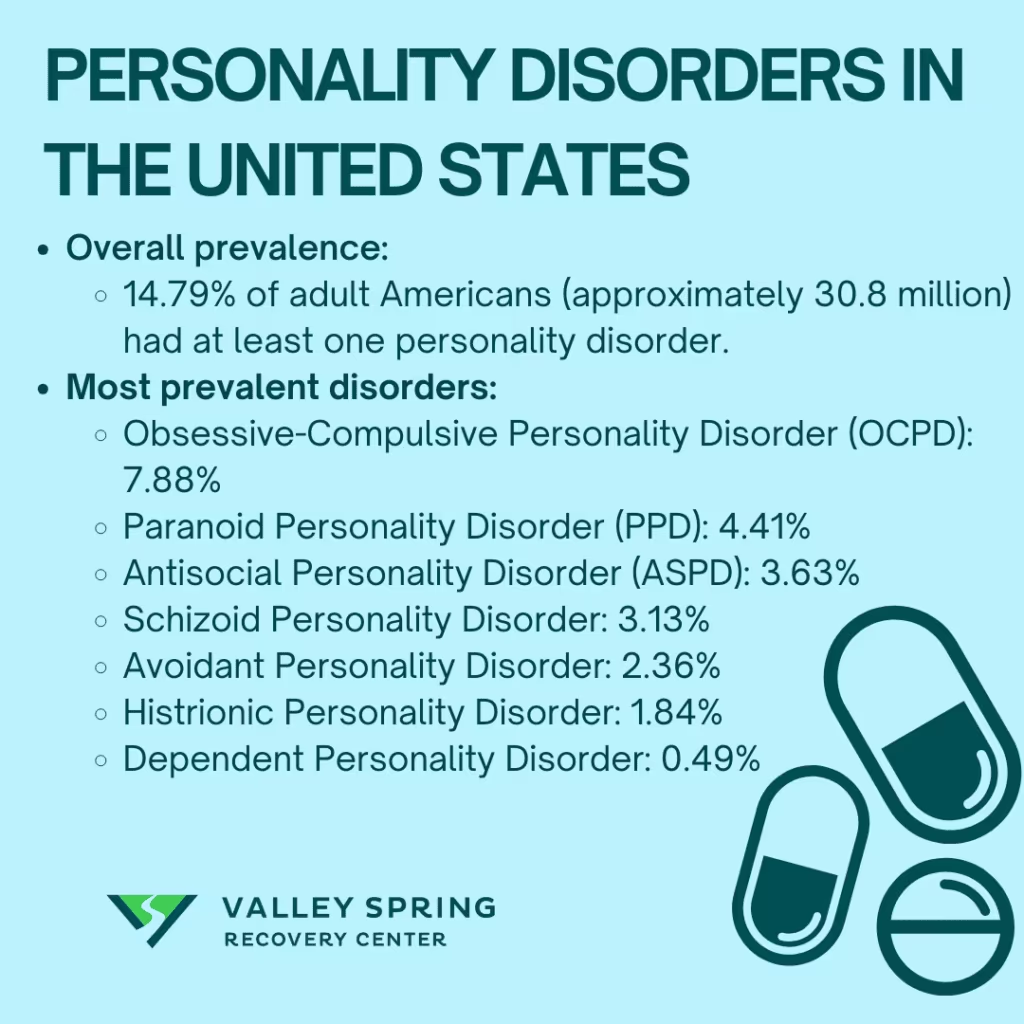
The prevalence of Paranoid Personality Disorder (PPD) in the United States is approximately 0.5% to 4.5% of adults, which makes it one of the more common personality disorders. 14.79% of adult Americans (around 30.8 million people) report at least one personality disorder, according to research from the National Epidemiologic Survey on Alcohol and Related Conditions.
What Is the Connection Between Childhood Trauma and Paranoia?
The connection between childhood trauma and paranoia is well established, with factors such as emotional neglect, physical neglect, and abuse contributing significantly to paranoid thinking in later life. Research shows that early traumatic experiences disrupt attachment patterns and foster negative belief systems, both of which increase vulnerability to paranoia. This association is supported by Humphrey C. et al. (2022) in the study “Childhood interpersonal trauma and paranoia in psychosis: The role of disorganised attachment and negative schema.”
What Is the Difference Between Paranoid Personality Disorder and Borderline Personality Disorder?
The difference between Paranoid Personality Disorder (PPD) and Borderline Personality Disorder (BPD) lies in their core features. PPD is marked by pervasive mistrust and suspicion of others, while Borderline Personality Disorder (BPD) is defined by unstable emotions, impulsivity, and fear of abandonment.