

Stress is the human body’s reaction to threats, challenges, and pressure that trigger emotional or physical pain and mental health issues. The most common symptoms of stress include severe headaches, anxiety, fatigue, muscle tension, and difficulty maintaining concentration. However, the symptoms can vary from person to person.
There can be multiple causes of stress, including work problems or pressure, financial difficulties, relationship issues, losing a loved one, illness, unhealthy lifestyle, and exam pressure. In every aspect, stress negatively affects our brain and body and leads to the potential risk of other health issues in the future.
The effects of stress can include heart disease, high blood pressure, mental health problems, depression, weak immune system, body aches, and changes in sleep patterns.
Stress treatment can be simple but lengthy, as it involves short-term and long-term strategies. The short-term treatment includes exercise, meditation, and deep breathing techniques that help relieve minor and immediate stress. Long-term treatment includes changes in lifestyle like maintaining a balanced diet, longer sleeping hours, practicing time management, seeking social support, and professional help from a therapist.
What is Stress?
According to research by a student from the Saveetha College of Pharmacy, stress is a person’s mental or emotional reaction to certain stimuli, known as a “stressor.” It is our body’s way of responding to a demand. Some of the stressors are noise, jobs, finances, disagreeable people, and family difficulties. Anxiety, distracting anxiety, excessive worry, changes in sleep patterns, impatience, anger, sadness, intolerance, thoughts of harming oneself or others, palpitation, headache, and internal pressure are all early signs of stress that can lead to mental disorders.
Stress has become a common condition among the citizens of the US, especially in the state of New Jersey. As per Rutgers University, more than 25% of the residents in New Jersey have to deal with stress in their lives.
According to the American Psychological Association, stress in the US has spread drastically in the past few years. The percentage of citizens experiencing stress between the ages of 35 and 44 increased from 48% reported in 2019 to 58% in 2023. The percentage among young adults between the ages of 18 and 30 has also risen significantly, reported 50% in 2023.
What are The Types of Stress?
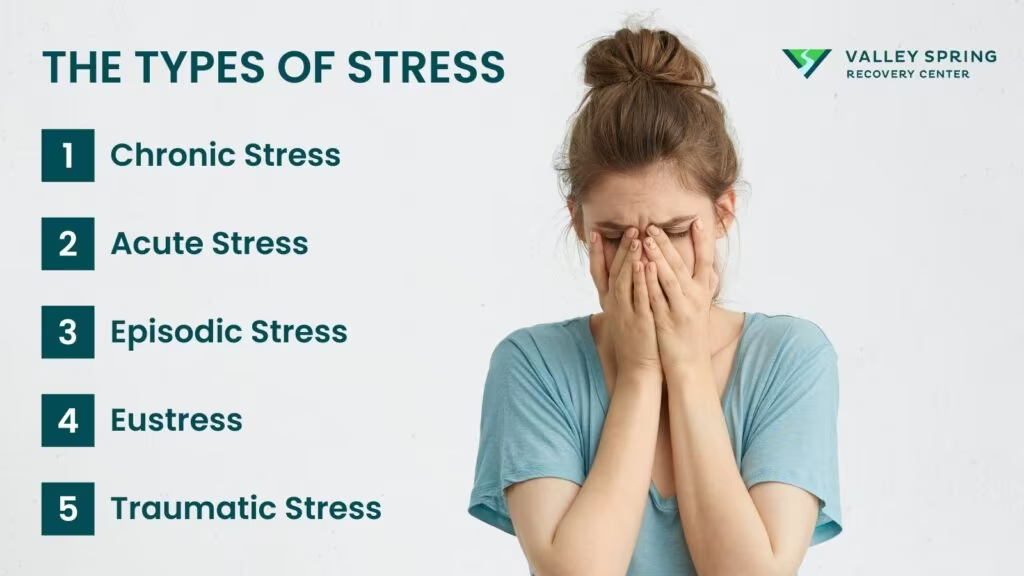
The types of stress are chronic stress, acute stress, episodic acute stress, eustress, and traumatic stress.
These types of stress are described below:
Chronic Stress
Chronic stress occurs when a person is experiencing pressure and demands for a long period. This type does not have a clear end point and puts in a constant state of anxiety and worry. It mainly emerges from financial problems or long-term illnesses and can result in serious health problems like depression, anxiety, and heart diseases. The cure to chronic stress involves making lifestyle changes and seeking professional support.
Acute Stress
Acute stress is a response to sudden challenges or pressure. This type is short-term and often cures quickly. Acute stress is known for triggering the human body’s fight or flight response which releases hormones like adrenaline and cortisol. The main causes are arguments, changes in life, or job-related issues. Acute stress is intense, but it does not cause any major harm. It can be instantly managed by going through a quick psychotherapy.
Episodic Stress
Episodic stress is characterized by frequent episodes of acute stress. This never-ending cycle of occasional stress makes people feel like they are always rushing or taking too much pressure. This type of stress is highly common among individuals who are driven and competitive. Episodic stress can lead to health issues like cardiovascular diseases or high blood pressure. It can be managed by adapting time management techniques or indulging in physical activities.
Eustress
Eustress is a more positive type as it is known to encourage and energize individuals. This type often occurs during exciting events like getting married, going to a party, starting a new job, or doing your favorite activity. It will help the person improve their mood and performance during that event. Eustress can be easily managed if you always keep a positive attitude and engage in mindful practices like meditation.
Traumatic Stress
Traumatic stress emerges when an individual experiences traumatic events in their life. The event could be a natural disaster, a major accident, or a violent assault. The amygdala, hippocampus, and prefrontal cortex in the brain are significantly affected by traumatic stress. Traumatic stress can lead to conditions like post-traumatic stress disorder (PTSD). Traumatic stress requires professional help for effective management and recovery. Going through cognitive-behavioral therapy (CBT) or eye movement desensitization and reprocessing (EMDR) can be helpful.
What are The Signs and Symptoms of Stress?
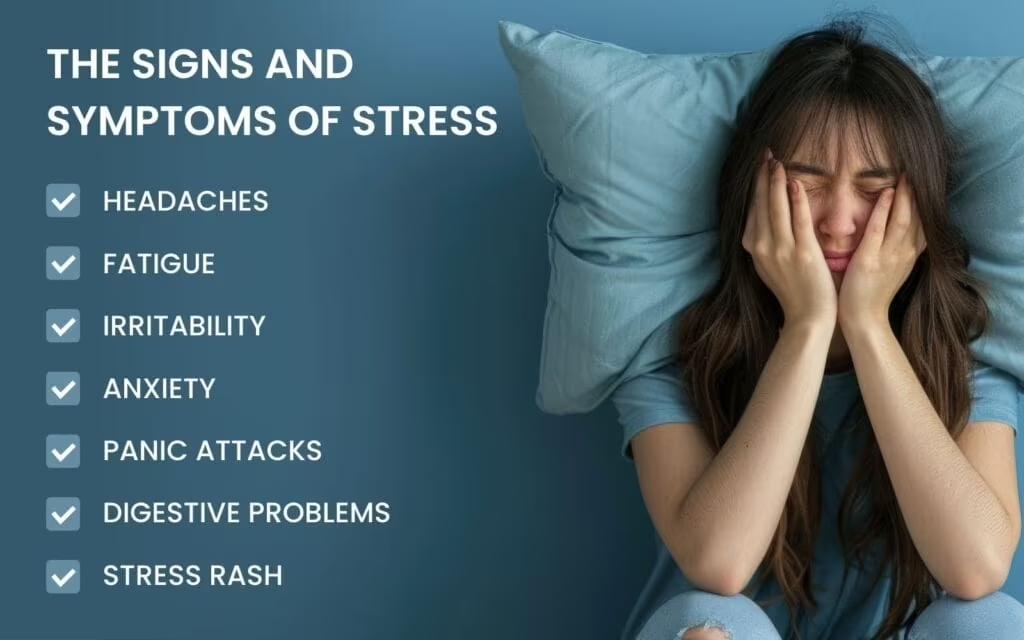
The signs and symptoms of stress include headaches, fatigue, irritability, anxiety, panic attacks, digestive problems, and stress rash.
The signs and symptoms of stress are listed below:
Headaches
A headache is a dull aching pain that surrounds the forehead, temples, and back of the head. Stress can trigger tension, which causes headaches. This painful discomfort can last for a very long time. Some people may require medications or proper rest to relieve headaches.
Fatigue
Fatigue happens when the body remains in a state of alertness for a long time due to stress. It can make an individual lazy by reducing energy levels and also disrupt sleep patterns.
Irritability
People under stress often react aggressively or negatively to the slightest of bother due to irritability and mood swings. Irritability from stress can strain personal and professional relationships and further increase stress levels.
Anxiety
Stress can cause feelings of constant fear and concern, which eventually leads to anxiety disorders. As per the National Institute of Mental Health, nearly 19% of adults in the U.S. suffer from an anxiety disorder linked to stress.
Panic Attacks
Panic attacks are triggered by intense stress, which can further lead to fear, tension, and rapid heartbeat. These attacks can also lead to shortness of breath which may cause sudden drops in energy levels.
Digestive Problems
Stress can also lead to digestive issues like constipation, diarrhea, stomach aches, and irritable bowel syndrome. Stress levels strongly connect with gastrointestinal disorders, which explains the digestive problems.
Stress Rash
Prolonged stress also causes skin rash or reactions, such as rash or hives, which appear as red and itchy patches. According to the Journal of Investigative Dermatology, a direct relation was found between psychological stress and skin conditions, including stress rashes.
What are The Causes of Stress?
The causes of stress include financial issues, the death of loved ones, relationship problems, work pressure, major life changes, and health problems.
The causes of stress are described below.
- Financial Issues: Financial problems like debt, job loss, or unexpected expenses can be significant causes of stress. The fear of being unable to meet financial requirements can cause worry and anxiety.
- Death of Loved Ones: Losing a loved one is a major cause of stress as it induces grief and emotional discomfort. It affects you mentally and physically and can cause problems like depression and anxiety.
- Relationship Problems: Issues in your relationships with family members, partners, or friends can cause stress. It often leads to distressing feelings of anger, sadness, and frustration.
- Work Pressure: Intense work, tight deadlines, and having disputes with your colleagues can create a stressful work environment. Work pressure or stress can lead to poor productivity, draining energy levels, and physical health problems.
- Major Life Changes: Experiencing significant changes in your life like starting a new job, moving to a different place, and getting married can be stressful for most people. These life changes can alter people’s routines, which causes stress.
- Health Problems: Major health problems or illnesses can also be highly stress-inducing. The stress of going through the symptoms, treatments, and diagnosis can highly impact an individual’s mental health.
What are The Physical Effects of Stress?
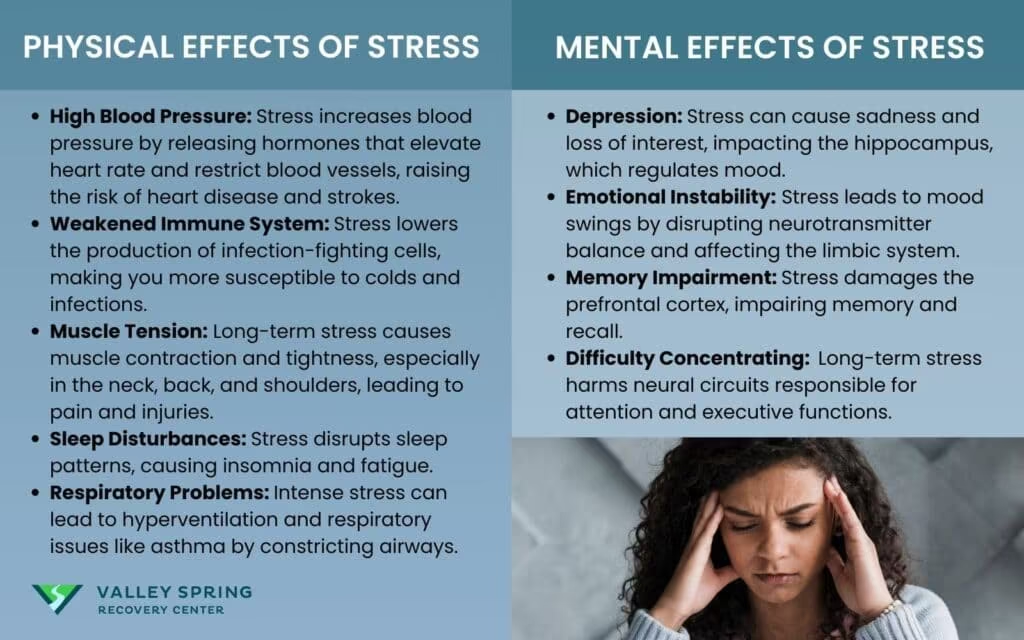
The physical effects of stress are high blood pressure, weakened immune system, muscle tension, sleep disturbances, and respiratory problems.
These effects are described below.
- High Blood Pressure: Stress can lead to an increase in blood pressure as it releases hormones like adrenaline and cortisol that increase heart rate and slightly restrict blood vessels. This increases the risk of heart disease and strokes.
- Weakened Immune System: Stress suppresses the immune system as it slows down the body’s ability to produce infection-fighting cells called lymphocytes. This can leave people vulnerable to colds and infections.
- Muscle Tension: Having long-term stress causes muscles in the human body to contract and tighten. This mainly occurs in the neck, back, and shoulders. It causes severe pain and can lead to other muscular injuries.
- Sleep Disturbances: Stress can easily alter your sleep patterns, causing difficulties in falling asleep or staying asleep. This change in sleep patterns causes insomnia and fatigue.
- Respiratory Problems: Intense stress leads to hyperventilation, which causes shortness of breath or respiratory problems like asthma. It can constrict the airways in your throat and lungs.
What are The Mental Effects of Stress?
The mental effects of stress are depression, emotional instability, memory impairment, and difficulty concentrating.
The mental effects of stress are described below.
- Depression: It is another major effect of stress as it produces feelings of sadness and hopelessness. It makes a person dull and loses interest in any activity. Prolonged stress impacts the hippocampus, a brain region essential for mood regulation.
- Emotional Instability: Stress can cause random and instant changes in your mood. This instability affects the limbic system and regulates emotions and memory. According to Neuropsychopharmacology, chronic stress disrupts the balance of neurotransmitters in our brain regions which leads to intense emotional responses and mood swings.
- Memory Impairment: Stress can affect our brain’s prefrontal cortex, which is a region that is crucial for storing memory and decision-making. As high stress damages these regions, it impairs our memory and causes trouble in recalling.
- Difficulty in Concentrating: Long-term stress can cause damage to our neural circuits that are responsible for maintaining attention and executive functions. This damage makes it harder for people to focus and process information.
- Development of substance use disorder: Stress is a significant risk factor for developing substance abuse problems. For many individuals, stress leads to increased drinking and drug use as a coping mechanism. For instance, individuals experiencing stress often self medicate with alcohol use to temporarily alleviate stress and anxiety, but this can quickly lead to dependency and addiction. According to the National Institute on Drug Abuse (NIDA), stress is one of the most powerful triggers for substance use, and addressing stress is crucial in the treatment of addiction.
How to Diagnose Stress?
There are various methods available to diagnose stress. Most doctors start by having conversations with their patients, asking them about their lifestyle, personal history, problems, or challenges, and also understanding their symptoms. Some patients can also use self-assessment tools like checklists, questionnaires, or stress diaries. The Perceived Stress Scale (PSS) is a popular questionnaire that helps measure stress levels.
Some doctors may also conduct physical exams or check the patient’s medical history to identify the symptoms. Psychological evaluations can also be used to understand the mental and emotional effects of stress. All these methods are used together to help doctors easily diagnose stress and develop a proper treatment plan for their patients.
What are The Treatments for Stress?
The treatment options available for stress include cognitive behavioral therapy, stress management techniques, medication, and meditation.
These treatment methods are described below.
Cognitive Behavioral Therapy (CBT)
CBT is a type of talk therapy that can help people change their negative thoughts and views which are causing them stress. Sessions for this therapy can take up to 20 weeks, but most patients start seeing improvements in only a few weeks. Cognitive behavioral therapy is highly effective and has long-term effects, however, it requires a lot of time and effort from the patient.
Stress Management Techniques
Stress management techniques are methods like physical exercise, deep breathing, and time management to help reduce stress levels by providing relaxation. It can show benefits in a few weeks or months but the overall recovery time depends on the patient’s commitment. These techniques can be easily added to the patient’s daily routine but they require consistency and may not be sufficient enough for patients with severe stress.
Medication
Some doctors might prescribe medications like antidepressants, beta-blockers, and anti-anxiety pills that can help control the stress symptoms. They can provide proper relief in just a few weeks. Medications can almost instantly suppress any symptoms but they come with the risk of side effects that can cause other health problems.
Meditation
Meditation techniques like T-guided meditation or mindfulness-based stress reduction programs can significantly reduce stress. Patients who go through these techniques notice improvements within 8 weeks. Meditation can easily reduce stress and improve emotional regulation, but it also requires consistency and may be challenging for people new to meditation.
How to Prevent Stress?
The ways to prevent stress are maintaining a healthy lifestyle, practicing time management, building a strong support network, and practicing mindfulness.
These methods are described below.
- Maintaining a Healthy Lifestyle: Avoiding caffeine, getting proper sleep, and eating a balanced diet will prevent stress as it keeps your mind and body in optimal condition.
- Practicing Time Management: Creating a proper schedule, organizing tasks, and prioritizing your time reduces the pressure of work and other tasks and prevents you from stress.
- Building a Strong Support Network: Talking to your friends, family, or a social group can help you prevent stress as you are provided with emotional support and a place to share your problems and thoughts.
- Practicing Mindfulness: Techniques to relax your mind like breathing exercises and progressive muscle relaxation can highly prevent stress levels from rising. Following these techniques regularly promotes relaxation and improves stress management skills.
How Long Does Stress Last?
The time duration for stress can vary. Acute stress is caused by specific events so it only lasts for a few days. Chronic stress is more intense as it is caused by ongoing issues and it can last for months and years.
The time is also affected by other factors like the individual’s emotional strength, coping skills, and plans for using stress management techniques. Actively participating in coping strategies can help reduce stress more quickly, while unresolved issues and lack of support can increase the time duration.
What Other Mental Illnesses are Related to Stress?
Stress is related to many other mental illnesses like anxiety disorders, depression, post-traumatic stress disorder (PTSD), and eating disorders. Stress can disrupt brain chemistry, increase cortisol levels, and affect emotional regulation which can cause the development of these other conditions.
For example, long-term and intense stress can intensify the emotions of fear and concern. This can lead to an increase in anxiety levels and the development of depression.
What is The Relationship Between Stress and Anxiety?
Stress is a body’s response to pressure or demands, whereas anxiety is uncontrollable worry and fear regarding future events. The relationship between these two conditions lies in their psychological response. Stress can contribute to the development and spread of anxiety as it changes brain chemistry and causes anxiety symptoms.
What is The Relationship Between Stress and Eating Disorder?
Stress is the body’s immediate reaction to challenges and pressure while eating disorder is a mental health condition that characterizes unhealthy eating behavior. Stress can lead to the development of eating disorders as high-stress levels can trigger emotional eating patterns and cause people to do unusual activities to regain emotional control.
Does Stress Cause Health Issues?
Yes, stress can cause both mental and physical health issues. Mentally it can cause anxiety disorders, depression, and insomnia. Physically it can cause high blood pressure, heart disease, and obesity.
Is Stress Genetic?
Genetic factors may contribute to stress, but stress itself is not solely developed due to genetics. Genetic variations can affect the way neurotransmitters and hormones function while being involved in stress responses.
When to Seek Medical Help for Stress?
You should seek medical help for stress when it starts affecting your daily life. If you feel like it is ruining your physical health or relationships due to anxiety, mood swings, and sleep problems, then you should definitely consider seeking professional or medical help.
How to Relieve Stress Quickly?
You can relieve stress quickly by practicing holistic therapy techniques like deep breathing, meditation, muscle relaxation, physical activity, listening to music, connecting with others, and limiting stimulants like caffeine and alcohol.