Matrix Model: Definition, How It Works and Effectiveness in Addiction Treatment
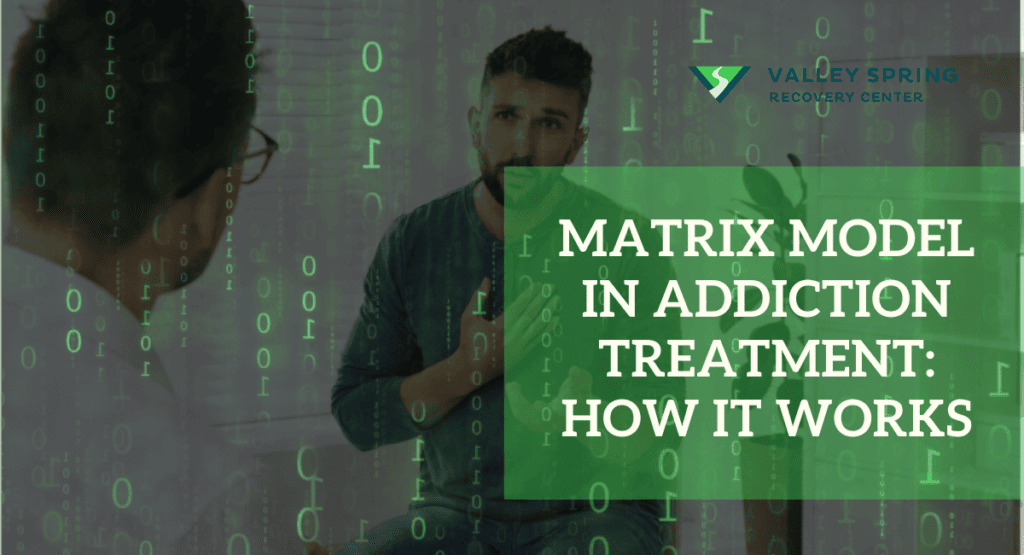
The Matrix Model offers a structured, evidence-based framework for addiction treatment. It integrates cognitive-behavioral techniques, motivational interviewing, family involvement, education, and monitoring into one cohesive program. In New Jersey, approximately 85,266 individuals entered substance use treatment in 2022 under the state’s program reporting system, and they are eligible for the matrix model for substance abuse.
The matrix Model of treatment seeks to empower participants with coping skills, accountability, and relapse-prevention tools, and has shown effectiveness, especially in stimulant use disorders. The matrix model of addiction operates through phases, building alliance, assessment, psychoeducation, individual and group therapy, family sessions, drug testing, relapse planning, and aftercare. This guides clients from intensive treatment toward sustained recovery.
Benefits of the matrix model therapy include greater abstinence, reduced substance use, improved psychosocial functioning, and strengthened motivation, though it also faces criticisms around rigidity, time demands, group reliance, limited focus on co-occurring mental health conditions, therapist variability, and cost barriers.
What Is the Matrix Model of Addiction Treatment?
The Matrix Model of addiction treatment is a comprehensive treatment approach for substance abuse and addiction. Researchers developed it in the 1980s and combined evidence-based techniques into a structured treatment program.
The Matrix Model program helps individuals recover from stimulant addiction, such as cocaine or methamphetamine. Researchers have also adapted it for other substance use disorders. The treatment includes individual therapy, group therapy, family education, drug testing, and support from a treatment team.
The Matrix Model uses elements of cognitive-behavioral therapy, motivational interviewing, and contingency management. It promotes abstinence, reduces substance use, and improves overall functioning for people with stimulant addiction. A 1985 pilot study found that participants in the Matrix Model program showed less cocaine use after eight months compared to those in other treatment approaches.
Later studies examined its potential benefits for treating other addictions, including opioids. The Matrix Model is one of many approaches in addiction treatment, and its use varies by setting and client needs.

How Does the Matrix Model Work in Addiction Treatment?
The Matrix Model works in addiction treatment by combining multiple therapeutic techniques and components into a structured, integrated program.
Here’s an overview of how the Matrix Model works:
1. Building a Therapeutic Alliance
The Matrix Model begins by establishing a strong therapeutic alliance between the client and the treatment team. The team creates a safe and supportive environment where the client feels comfortable sharing experiences, concerns, and goals.
2. Assessment and Treatment Planning
Clinicians conduct an initial assessment to understand the client’s substance use history and related issues. Based on this assessment, they develop a treatment plan that addresses the client’s specific needs and goals.
3. Psychoeducation
Education plays a central role in the Matrix Model. Clients learn how drugs affect the brain and body, how the cycle of addiction develops, and how substance use impacts different areas of life. Psychoeducation increases awareness and empowers clients to make informed decisions about recovery.
4. Individual Counseling
Clients attend regular one-on-one sessions with a therapist trained in the Matrix Model. The therapist provides support, builds motivation, teaches coping skills, and helps address underlying issues. Individual counseling also guides clients in setting and achieving recovery goals.
5. Group Therapy
Group therapy is a core component of the program. Clients participate in structured group sessions led by a therapist. These sessions allow clients to share experiences, give and receive feedback, and learn from others facing similar challenges. Group therapy strengthens social support, improves interpersonal skills, and teaches relapse prevention strategies.
6. Family Education and Involvement
The Matrix Model includes family members or close loved ones in treatment. Family sessions provide education about addiction, communication strategies, and supportive practices. Involving family improves the client’s support system and increases the likelihood of long-term recovery.
7. Drug Testing and Monitoring
Regular drug testing is an essential part of the program. Testing tracks progress, reinforces abstinence, and identifies relapses. It also helps build trust and accountability between clients and the treatment team.
8. Relapse Prevention
The Matrix Model emphasizes relapse prevention. Clients learn to recognize triggers, manage cravings, and handle high-risk situations. They create relapse prevention plans that include support networks, healthy activities, and self-care practices.
9. Ongoing Support and Aftercare
The Matrix Model continues to support clients after the intensive phase of treatment ends.
Clients are encouraged to attend support groups, follow-up counseling, and community programs. Ongoing aftercare helps maintain recovery and prevents relapse.
What are the Benefits of the Matrix Model For Addiction Treatment?
The key benefits of the Matrix Model for addiction treatment include increased abstinence, reduction in substance use, and improved psychosocial functioning.
Here are some of the benefits of the matrix model for addiction treatment:
1. Increased Abstinence
The Matrix Model promotes abstinence from substance use. The program gives clients tools and coping skills. These resources help clients resist cravings, manage triggers, and prevent relapse. The integration of multiple therapeutic methods supports long-term sobriety.
2. Reduction in Substance Use
Clients in the Matrix Model reduce substance use. The structured environment, individual counseling, group therapy, and relapse prevention strategies encourage lower drug or alcohol intake. This reduction improves health and strengthens recovery progress.
3. Improved Psychosocial Functioning
The Matrix Model improves psychosocial functioning. Individual counseling and group therapy build interpersonal skills, communication abilities, and coping strategies. Clients also address underlying issues that fuel substance use. These changes support emotional stability and healthier relationships.
4. Enhanced Motivation for Change
The Matrix Model builds motivation for change. Motivational interviewing helps clients explore recovery goals and resolve ambivalence. As a result, clients strengthen their commitment to treatment. Higher motivation leads to better outcomes in recovery.
5. Better Treatment Engagement and Retention
The Matrix Model increases treatment engagement and retention. A structured and supportive setting keeps clients connected to recovery. Therapeutic alliances, peer support, and family involvement improve participation. Strong engagement raises the chance of positive outcomes.
6. Improved Family Functioning
The Matrix Model strengthens family functioning. The program teaches families about addiction and recovery. Family members learn effective ways to support loved ones. This support improves communication, reduces conflict, and creates a healthier home environment.
7. Increased Life Satisfaction
The Matrix Model raises life satisfaction. Clients reduce substance use, improve coping skills, and strengthen relationships. These improvements build self-esteem and overall well-being. Treatment progress creates a better quality of life.
What Are the Downsides of the Matrix Model?
The downsides of the Matrix Model include intensity and time commitment, reliance on group therapy, and limited focus on co-occurring disorders.
The downsides of the Matrix Model are as follows:
- One-size-fits-all design: The Matrix Model follows a standardized protocol, but the uniform structure fails to address unique personal, cultural, or situational factors that influence addiction.
- High time and intensity demands: The program requires multiple sessions per week across 16 weeks, and this schedule overwhelms individuals who manage jobs, families, or limited transportation.
- Heavy reliance on group therapy: Group therapy plays a central role in the Matrix Model, but some individuals feel discomfort sharing personal struggles in a group setting or gain limited benefit from group-based dynamics.
- Limited attention to co-occurring disorders: The model addresses addiction treatment effectively, but it does not provide sufficient focus on mental health conditions that require specialized or parallel interventions.
- Dependence on therapist expertise: The success of the Matrix Model depends on the therapist’s skill and consistency, and variations in training or experience create uneven outcomes for patients.
- Potential financial barriers: The program’s duration and intensity increase treatment costs, which prevent individuals without insurance or adequate financial support from accessing care.
What are Some Alternative Treatment Approaches That Can Complement the Matrix Model?

Some alternative treatment approaches that can complement the Matrix Model include cognitive-behavioral therapy, motivational interviewing, and dialectical behavior therapy. These alternatives enhance the effectiveness of the matrix model in addressing addiction.
The alternative treatment approaches to complement the matrix model include the following:
1. Cognitive-Behavioral Therapy (CBT)
Cognitive-Behavioral Therapy (CBT) is a structured approach that targets unhealthy thoughts, beliefs, and behaviors. Incorporating CBT into the Matrix Model helps individuals build coping skills, challenge distorted thinking, and address root issues that drive addiction.
2. Motivational Interviewing (MI)
Motivational Interviewing (MI) is a client-centered approach that strengthens recovery motivation and resolves ambivalence about change. Integrating MI with the Matrix Model increases commitment, clarifies values and goals, and raises readiness to act.
3. Dialectical Behavior Therapy (DBT)
Dialectical Behavior Therapy (DBT) blends CBT strategies with skills that improve emotion regulation, distress tolerance, and interpersonal effectiveness. DBT benefits individuals with addiction and co-occurring mental health conditions. Integrating DBT with the Matrix Model helps individuals regulate emotions, strengthen relationships, and reduce relapse risk.
4. Mindfulness-Based Approaches
Mindfulness-based approaches, including Mindfulness-Based Stress Reduction (MBSR) and Mindfulness-Based Cognitive Therapy (MBCT), complement the Matrix Model by promoting awareness, reducing stress, and lowering cravings. Regular mindfulness practice improves self-regulation and supports overall well-being.
5. 12-Step Facilitation
Twelve-step programs such as Alcoholics Anonymous (AA) and Narcotics Anonymous (NA) add value when combined with the Matrix Model. These programs provide peer support, community connection, and a framework for recovery. The Matrix Model adapts to include 12-step elements and encourages participation in group meetings.
6. Family Therapy
Family therapy addresses the impact of addiction on relationships and family dynamics. Integrating family therapy with the Matrix Model improves communication, builds healthy boundaries, and strengthens support systems for long-term recovery.
7. Medication-Assisted Treatment (MAT)
Medication-assisted treatment (MAT) supports individuals with opioid use disorders when combined with the Matrix Model. Doctors prescribe methadone, buprenorphine, or naltrexone to reduce withdrawal, curb cravings, and stabilize recovery.
What Is the Length of Treatment Using the Matrix Model?
The length of treatment using the Matrix Model varies based on individual needs, addiction severity, and treatment progress. The Matrix Model of addiction is usually implemented as an intensive outpatient program with three phases.
The length of treatment using the matrix model depends on the following phases:
- Foundation Phase: The Foundation Phase builds a therapeutic alliance, engages the client, and provides education on addiction and recovery. The Foundation Phase usually lasts four to six weeks.
- Intensive Phase: The Intensive Phase provides structured and focused treatment. The Intensive Phase includes counseling, group therapy, family involvement, and skill-building education. The Intensive Phase lasts four to five months but is adjusted based on progress and needs.
- Maintenance Phase: After the Intensive Phase, individuals enter the Maintenance Phase. The Maintenance Phase emphasizes relapse prevention, continued support, and transition to lower levels of care. The Maintenance Phase lasts several months to a year or more, depending on needs and progress.
Share This Post

Valley Spring Editorial Team
All author posts
Our Therapuetic Recovery Programs
Are you covered for treatment?




Valley Spring Recovery Center is an approved provider for Blue Shield of California and Cigna, while also accepting many other major insurance carriers.
Check Coverage Now!