
NAD therapy, an innovative approach gaining attention in addiction treatment, holds the promise of addressing the complex challenges faced by individuals with substance abuse issues. Nicotinamide Adenine Dinucleotide (NAD+) therapy aims to restore cellular functioning and promote recovery.
NAD therapy is being increasingly explored as a complementary treatment modality for addiction. By replenishing NAD+ levels in the body, this therapy aims to support the recovery process by enhancing cellular metabolism, optimizing neurotransmitter function, and promoting DNA repair.
The potential benefits of NAD therapy extend beyond addiction treatment. As NAD+ plays a vital role in cellular energy production and DNA repair, its supplementation may result in increased energy levels, improved cognitive function, and enhanced overall well-being.
Note that the information provided in the article is based on the latest research and clinical evidence.
What is NAD Therapy?
NAD therapy, also known as Nicotinamide Adenine Dinucleotide therapy, is a medical treatment that involves the administration of NAD+ (Nicotinamide Adenine Dinucleotide) intravenously or orally.
NAD+ is a coenzyme found in every cell of the body and plays a crucial role in various biological processes, including energy metabolism and DNA repair.
The theory behind NAD therapy is that by increasing the levels of NAD+ in the body, cellular functions can be enhanced, promoting overall health and well-being. NAD+ levels naturally decline with age, and this decline has been associated with various age-related diseases and conditions.
Proponents of NAD therapy claim that it can provide a range of benefits, including increased energy, improved cognitive function, enhanced athletic performance, and even anti-aging effects. However, it's important to note that the research on NAD therapy is still in its early stages, and more studies are needed to fully understand its efficacy, safety, and long-term effects.
As a person abuses drugs and alcohol, their natural amount of NAD is depleted. This makes it more difficult for them to convert the energy that is broken down from food. It is even speculated that people who naturally produce less NAD are more likely to develop an addiction and potentially a co-occurring disorder. Other reasons the body’s natural reserve of NAD would be depleted are:
- Post-traumatic stress
- Anxiety
- Depression
- Chronic traumatic encephalopathy (CTE)
- Alzheimer’s
- Parkinson’s
- Neurodegenerative diseases
- Aging
All of these co-occurring disorders can drain one’s energy, and there are many ways to boost NAD in the body by exercising, eating vitamin-rich foods, fasting, eating protein, and eating raw foods. Many of these practices are introduced to people in treatment for substance abuse disorders (SUD). For instance, yoga and fitness centers are available to encourage healthy lifestyle practices, boost endorphins and will produce NAD. Dietary plans can include vitamin-rich foods to boost dopamine and can produce NAD in the brain. Most patients need roughly 6 to 10 days of infusion to feel effects. Oftentimes, as individuals enjoy the pleasant feelings, they are less inclined to abuse substances.
Does NAD Therapy Help With Addiction?
NAD therapy is not approved by the FDA to treat addiction or withdrawal symptoms in people with substance use disorders. However, some evidence suggests it could be beneficial.
The first study on NAD for substance use disorders was conducted decades ago by Dr. Paul O'Hollaren, who administered NAD intravenously to over 100 individuals with alcohol, opioid, or other substance use disorders. Patients received 500 to 1,000 milligrams in a saline solution for four days, followed by twice-weekly doses for a month and then twice-monthly until recovery. Although this study indicated potential benefits, it lacked rigorous scientific validation.
According to WebMDs 2024 research, recent studies suggest NAD therapy might be safe and beneficial. In one study, participants received 800 to 1,800 milligrams daily over 3 to 8 hours for at least a week. Although these findings are promising, there is insufficient evidence to confirm the efficacy and safety of NAD therapy for addiction treatment.
Another study demonstrated that an intravenous infusion of 750 milligrams of NAD over six hours increased NAD levels without adverse effects. However, the researchers emphasized the need for further investigation into NAD's effects on the body.
Despite the lack of FDA approval, some clinics and addiction centers offer NAD therapy as it is considered a dietary supplement. The FDA does not review dietary supplements for safety and effectiveness as rigorously as medicines. Therefore, NAD therapy should not be marketed as a proven treatment for substance use disorders or withdrawal symptoms.
What are the Benefits of NAD Therapy in Addiction?
NAD therapy offers several potential benefits for individuals undergoing addiction treatment and beyond. Some of the benefits include:
1. Withdrawal Symptom Relief
NAD therapy may help alleviate withdrawal symptoms associated with substance abuse, such as anxiety, depression, fatigue, and cravings. By replenishing NAD+ levels, this therapy supports the body's natural healing processes and promotes a smoother transition during the detoxification phase.
2. Craving Reduction
NAD therapy has been reported to assist in reducing cravings for drugs or alcohol. Optimizing neurotransmitter function and restoring cellular balance may help individuals better manage their cravings and decrease the risk of relapse.
3. Energy Boost
NAD+ is involved in cellular energy production. Increasing NAD+ levels through therapy can potentially enhance energy metabolism, leading to increased physical and mental energy levels. This boost in energy can contribute to an improved sense of well-being and motivation during the recovery process.
4. Cognitive Enhancement
NAD therapy has been associated with improved cognitive function and mental clarity. By supporting brain health, DNA repair, and neurotransmitter function, it may help individuals experience enhanced cognitive abilities, such as improved focus, concentration, and memory.
5. Overall Well-being
NAD therapy has the potential to promote overall well-being by supporting cellular repair processes, reducing oxidative stress, and improving mitochondrial function. This can lead to a range of positive effects, including improved mood, reduced inflammation, enhanced immune function, and a greater sense of vitality.
The benefits of NAD therapy may vary for each individual, and more research is needed to fully understand its effects. Consult with healthcare professionals experienced in NAD therapy to determine if it is a suitable treatment option and to receive personalized guidance based on your needs and goals.
What are the Side Effects of NAD Therapy?
NAD (Nicotinamide Adenine Dinucleotide) therapy is generally considered safe when administered by qualified healthcare professionals. However, like any medical intervention, there can be potential side effects. Some possible side effects of NAD therapy may include:
- Temporary Discomfort: Some individuals may experience temporary discomfort at the infusion site during IV NAD+ therapy. This can include redness, bruising, or irritation.
- Lightheadedness or Dizziness: NAD therapy can occasionally cause lightheadedness or dizziness, particularly during or after infusion sessions. It is important to stay hydrated and inform healthcare providers if any symptoms occur.
- Nausea or Upset Stomach: NAD therapy may cause temporary gastrointestinal discomfort, such as nausea or upset stomach. This is usually mild and transient.
- Flushing: Some individuals may experience flushing or a sensation of warmth in the face or body during NAD therapy. This is typically harmless and resolves on its own.
NAD therapy is still under stringent research and review to discover whether it is completely safe and if there are more side effects to worry about. However, up till now, these are the known side effects.
What is the Protocol for NAD Treatment?
The specific protocol for NAD treatment can vary depending on the healthcare provider, the individual's needs, and the treatment setting. However, here is a general outline of the protocol typically followed during NAD treatment for addiction:
1. Initial Assessment
The treatment process begins with an initial assessment conducted by a qualified healthcare professional. This assessment involves a comprehensive evaluation of the individual's medical history, addiction history, current substance use patterns, overall health, and any co-occurring conditions.
2. Pre-Treatment Preparation
Before starting NAD therapy, individuals may be required to abstain from substances for a certain period. This period can vary depending on the specific treatment center or healthcare provider. It is essential to discuss any medications, supplements, or health conditions with the healthcare provider to ensure safety and effectiveness.
3. NAD Infusion
NAD therapy typically involves intravenous (IV) infusions of NAD+. The NAD+ solution is administered directly into the bloodstream, allowing for quick absorption by the body. The infusion sessions are conducted in a controlled environment under medical supervision. The duration and frequency of the infusions can vary depending on the individual's needs and the healthcare provider's recommendation.
4. Monitoring and Support
During the infusion sessions, healthcare professionals monitor vital signs, assess the individual's response to the treatment, and provide any necessary support. This may include managing any potential side effects, addressing discomfort, and ensuring the individual's safety and well-being throughout the process.
5. Post-Treatment Care
After completing the NAD infusion sessions, individuals may receive ongoing support and follow-up care. This can include counseling, therapy, and other forms of aftercare to support long-term recovery and address the underlying factors contributing to addiction.
How is NAD Therapy Used?
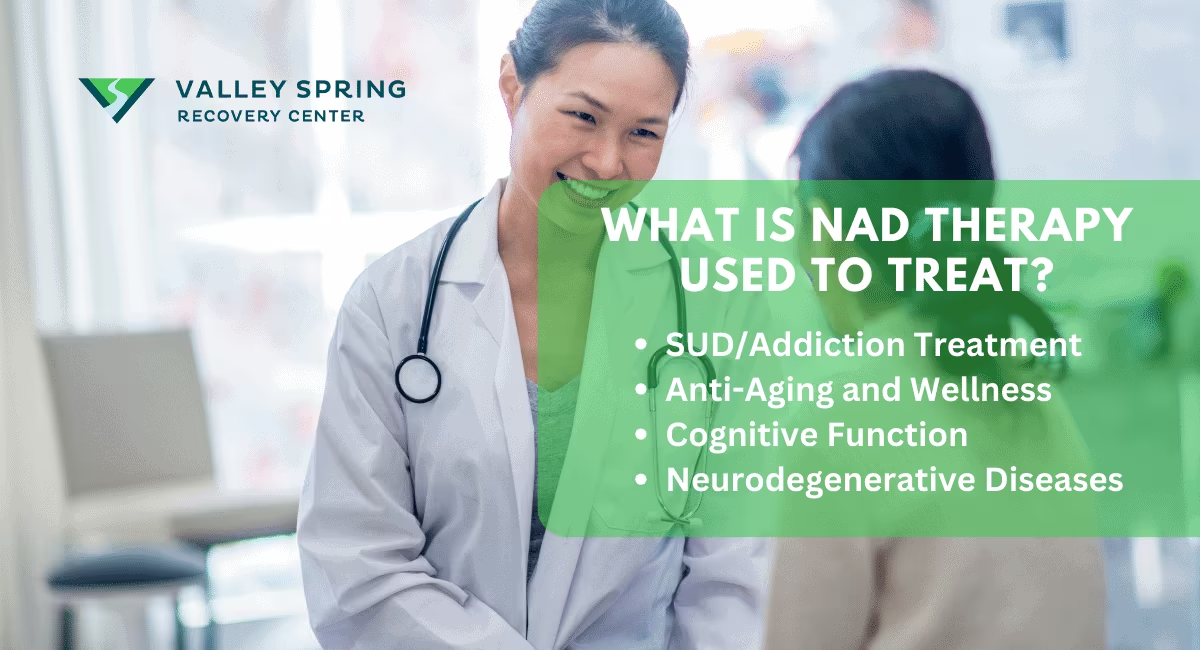
NAD Therapy is typically administered intravenously. This method ensures that high levels of NAD+ are directly delivered into the bloodstream, bypassing the digestive system for maximum absorption. The treatment course can vary, usually consisting of daily sessions over a period of 10 to 14 days, depending on individual needs and the severity of the addiction. NAD therapy is applied in the treatment of addiction in the 4 following ways:
1. SUD/Addiction Treatment: NAD therapy has gained attention as an alternative treatment for addiction, particularly for substance abuse disorders. It is believed to aid in reducing withdrawal symptoms, managing cravings, and supporting the detoxification process. NAD therapy is often used in conjunction with other addiction treatment modalities.
2. Anti-aging and Wellness: NAD+ plays a vital role in cellular energy production and DNA repair. Some proponents of NAD therapy suggest that it may have anti-aging effects and promote overall wellness by supporting cellular health, reducing oxidative stress, and enhancing mitochondrial function.
3. Cognitive Function: NAD+ is involved in various cellular processes that impact brain function. NAD therapy has been explored as a potential intervention to support cognitive function, enhance mental clarity, and improve memory and focus. It may be considered for individuals experiencing cognitive decline or seeking cognitive enhancement.
4. Neurodegenerative Diseases: There is ongoing research into the potential use of NAD therapy for neurodegenerative disorders such as Alzheimer's disease, Parkinson's disease, and Huntington's disease. NAD+ is believed to have neuroprotective properties and may help support brain health and slow down disease progression, although more research is needed in this area.
It's important to note that while NAD therapy shows promise in various areas, the scientific evidence is still evolving, and more research is ongoing to fully understand its effectiveness and appropriate usage.
Can NAD Therapy Be Used Alone for Treating Addiction?
No. NAD Therapy is not approved by the FDA and should be used in conjunction with evidence based therapy for addiction, behavioral therapy, support groups and medication. It addresses the physical aspect of addiction withdrawal, but psychological and social factors also play a crucial role in recovery.