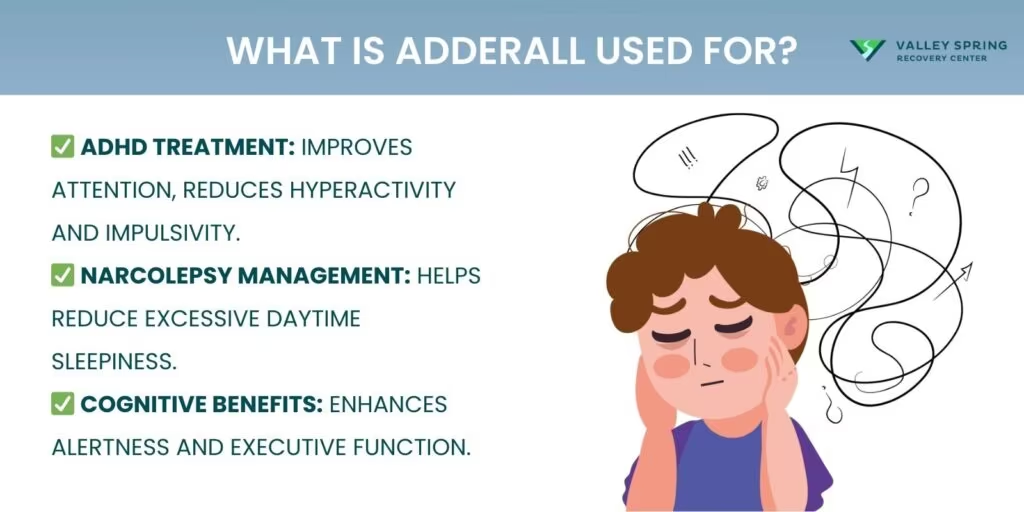
Adderall is a prescription stimulant medication containing amphetamine salts that is primarily used to treat attention-deficit hyperactivity disorder (ADHD) and narcolepsy.
It works by increasing levels of certain neurotransmitters in the brain, such as dopamine and norepinephrine, to help improve focus and control impulsivity.
According to Medical News Today, between 75% and 80% of children with ADHD see improved symptoms with the use of stimulants such as Adderall.
The medical uses of Adderall include managing ADHD symptoms, such as inattention, hyperactivity, and impulsivity. It is also prescribed to treat narcolepsy, a condition characterized by uncontrollable sleep episodes.
Common side effects of Adderall include anxiety, insomnia, dry mouth, increased blood pressure, and potential cardiovascular issues. It also causes weight loss, dizziness, and irritability. These side effects result from the medication’s stimulant properties, which affect individuals differently depending on their response to the drug.
Adderall is addictive when misused or without a prescription. Its potential for abuse comes from its stimulating effects, which lead to feelings of euphoria. This makes it prone to misuse, especially in adolescents and young adults.
What is Adderall?
Adderall is a prescription medication that contains a combination of amphetamine and dextroamphetamine, which are central nervous system stimulants used primarily to treat attention deficit hyperactivity disorder (ADHD) and narcolepsy.
It works by increasing the levels of dopamine and norepinephrine in the brain, enhancing focus, attention, and impulse control. According to Faraone, Stephen V. et al. (2021), "The Efficacy and Safety of Adderall in ADHD Treatment," Adderall has been found to significantly improve cognitive function and behavioral regulation in individuals diagnosed with ADHD.
Research by Wilens, Timothy E., et al. 2017, titled "Stimulant Medications for ADHD: Mechanisms and Clinical Effects," explains that Adderall’s stimulant properties enhance wakefulness and alertness, making it effective for narcolepsy management.
However, due to its high potential for abuse, Adderall is classified as a Schedule II controlled substance by the U.S. Drug Enforcement Administration (DEA), indicating a strong risk of dependence and misuse.
What Forms Does Adderall Come in?
Adderall comes in two main forms: an immediate-release (IR) tablet and an extended-release (XR) capsule. The immediate-release form, simply called Adderall, provides rapid effects that last 4 to 6 hours, making it suitable for individuals who need short-term symptom relief.
On the other hand, Adderall XR is an extended-release formulation designed to deliver the medication gradually over 10 to 12 hours, reducing the need for multiple daily doses.
The XR version contains bead-filled capsules, where half of the beads release medication immediately, and the other half dissolve slowly for sustained effects. Both forms are prescribed based on individual treatment needs, with Adderall XR preferred for those requiring longer symptom control throughout the day.
How Does Adderall Work?
Adderall works by stimulating the central nervous system and altering brain chemistry to enhance focus, attention, and impulse control. It increases the levels of dopamine and norepinephrine in the brain by blocking their reuptake and promoting their release, resulting in improved cognitive function and increased alertness.
According to Healthline titled “The Effects of Adderall on Your Body,” Adderall enhances dopaminergic transmission, which is important for motivation and reward processing, while norepinephrine helps regulate arousal and attention.
This dual action improves working memory, executive function, and response inhibition, making Adderall effective for ADHD and narcolepsy treatment.
What is Adderall Used For?
Adderall is used for treating attention deficit hyperactivity disorder (ADHD) and narcolepsy, as it helps improve focus, alertness, and impulse control. Due to its stimulant properties, Adderall is a first-line treatment for ADHD and an effective therapy for managing excessive daytime sleepiness in narcolepsy.
Adderall is used for treating the following issues:
ADHD
ADHD (Attention Deficit Hyperactivity Disorder) is a neurodevelopmental condition characterized by inattention, hyperactivity, and impulsivity. Adderall is used in ADHD treatment because it enhances dopamine and norepinephrine activity, improving attention span, working memory, and self-regulation.
According to Biederman, Joseph et al. 2019, "Efficacy of Stimulant Medications in ADHD Treatment," Adderall has been shown to significantly reduce symptoms in children and adults with ADHD, making it one of the most widely prescribed medications for this condition. According to Medical News Today, between 75% and 80% of children with ADHD will see improved symptoms with the use of stimulants such as Adderall.
Narcolepsy
Narcolepsy is a chronic sleep disorder that causes excessive daytime sleepiness, sudden sleep attacks, and disrupted nighttime sleep. Adderall is used for narcolepsy because it acts as a central nervous system stimulant, promoting wakefulness and alertness.
Research by Thorpy, Michael J. 2020, "Management of Narcolepsy with Stimulant Medications," found that stimulant medications like Adderall effectively reduce daytime sleep episodes, helping individuals with narcolepsy maintain better cognitive and physical functioning throughout the day.
According to a study by Abad VC, Guilleminault C. et al. 2017, titled “New developments in the management of narcolepsy,” Adderall is known to treat Narcolepsy symptoms by 50%.
What are the Side Effects of Adderall?
The side effects of Adderall are anxiety, dry mouth, weight loss, constipation, increased blood pressure, and cardiovascular problems. These effects range from mild to severe, depending on dosage, duration of use, and individual sensitivity. While some side effects are physical, such as cardiovascular issues and digestive problems, others are psychological or behavioral, like anxiety and mood disturbances.
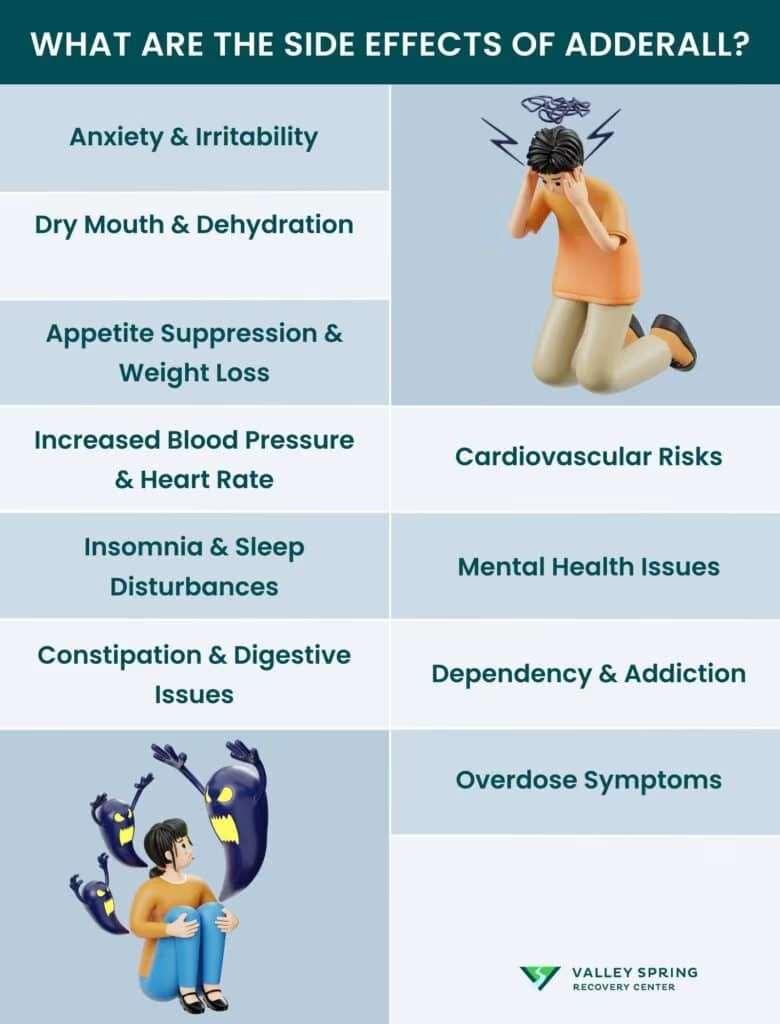
The side effects of Adderall are as follows:
- Anxiety: Adderall stimulates the central nervous system, which leads to increased stress and nervousness. High doses cause restlessness, panic attacks, or paranoia. A study by Faraone, Stephen V., et al. 2021, "Effect of stimulant medications for attention-deficit/hyperactivity disorder on later substance use and the potential for stimulant misuse, abuse, and diversion," found that prolonged stimulant use exacerbates anxiety disorders in some individuals.
- Dry Mouth: Adderall reduces saliva production, leading to persistent dry mouth (xerostomia), increasing tooth decay and gum disease risk. This is a physical side effect commonly reported with stimulant medications.
- Weight Loss: By suppressing appetite, Adderall leads to significant weight loss over time. This effect is physical and is seen in individuals using the medication for ADHD treatment or non-medical purposes. According to Healthline, “Adderall and Weight Loss: What You Need to Know," long-term use leads to growth delays in pediatric patients.
- Constipation: As a stimulant, Adderall affects the digestive system, slowing bowel movements and leading to constipation. This physical side effect worsens with low fluid intake and poor dietary habits. According to HealthCentral, Adderall causes the muscles in the digestive tract to slow down, resulting in constipation and stomach pains.
- Increased Blood Pressure: Adderall raises norepinephrine levels, which leads to vasoconstriction and elevated blood pressure. This physical effect increases the risk of hypertension, heart strain, and stroke. A study by Khan A., Talha B., et al. 2021, titled “Routine Use of Prescription Adderall Leading to Non-cardiogenic Pulmonary Edema and Respiratory Failure,” has highlighted the potential for adverse cardiovascular events in users with pre-existing conditions.
- Cardiovascular Problem: Due to its stimulant properties, Adderall causes heart palpitations, arrhythmias, and an increased risk of heart attack in individuals with underlying heart disease. This is a severe physical side effect requiring careful monitoring by healthcare providers.
- Insomnia: Adderall disrupts dopamine and norepinephrine regulation, making it harder to fall asleep. This behavioral side effect is more common when taken late in the day or at higher doses.
- Irritability and Mood Swings: Adderall causes mood instability, leading to irritability, aggression, or depressive episodes. This is a psychological effect, particularly in users who develop tolerance or dependence.
- Tremors and Muscle Tension: Some users experience shakiness or muscle tightness due to heightened nervous system activity. This physical effect worsens with long-term use or high doses.
- Risk of Dependence and Withdrawal: Adderall’s effect on dopamine levels makes it highly addictive, leading to dependence and withdrawal symptoms, including fatigue, depression, and cravings. Research by Wilens, Timothy E., et al. 2020, "The Risk of Stimulant Dependence in ADHD Treatment," emphasizes the potential for abuse and withdrawal effects in long-term users.
What are the Side Effects of Adderall in Women?
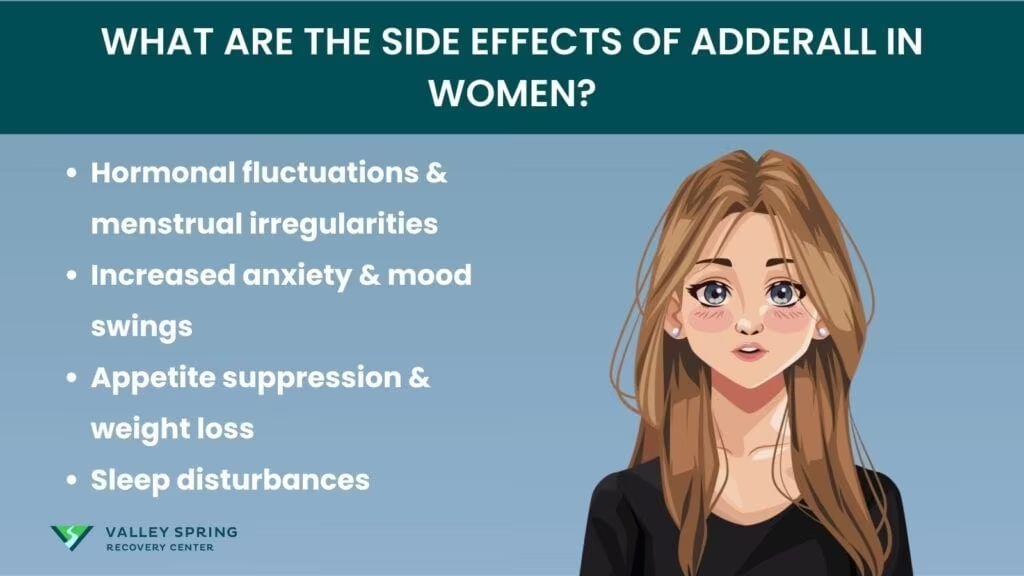
The side effects of Adderall in women include hormonal fluctuations, menstrual irregularities, increased anxiety, appetite suppression, and sleep disturbances. Women experience worsened premenstrual syndrome (PMS) symptoms, as Adderall affects dopamine and norepinephrine levels, which interact with estrogen and progesterone. According to a study by Hidalgo-Lopez E, Pletzer B. et al. 2017, titled “Interactive Effects of Dopamine Baseline Levels and Cycle Phase on Executive Functions: The Role of Progesterone," stimulant use disrupts menstrual cycles and leads to mood swings, heightened stress responses, and fatigue.
Women are more likely to experience reduced appetite and weight loss, contributing to nutrient deficiencies and bone density loss over time. Sleep disturbances, including insomnia and restlessness, are also more pronounced in women, particularly those with higher estrogen levels, which enhance the stimulant’s effects.
What are the Side Effects of Adderall in Men?
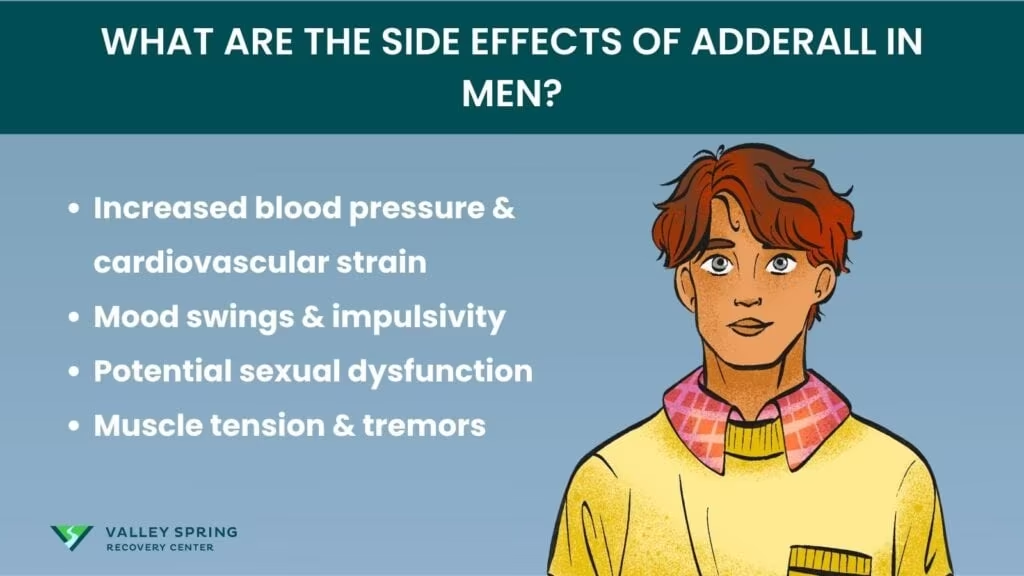
The side effects of Adderall in men include increased blood pressure, cardiovascular strain, reduced appetite, mood swings, and potential sexual dysfunction. Due to higher testosterone levels, men experience a stronger stimulant response, leading to heightened aggression, irritability, or impulsivity. A study by Timothy E. et al. (2019), "Cardiovascular Risks of Stimulant Medications in Males," found that men using Adderall had a higher incidence of hypertension, irregular heartbeats, and increased heart attack risks, particularly when combined with other stimulants like caffeine or nicotine.
Sexual side effects, including reduced libido and erectile dysfunction, occur due to Adderall’s impact on dopamine regulation, which plays a key role in sexual arousal and performance. Men also experience muscle tension and tremors more frequently, especially at higher doses or prolonged use.
What are the Risks of Using Adderall?
The risks of using Adderall include heart problems, mental health issues, abuse and addiction, and pregnancy complications. These risks range from physical health concerns, such as cardiovascular issues, to psychological effects like anxiety and dependency. Long-term or high-dose use increases the likelihood of severe side effects and complications.
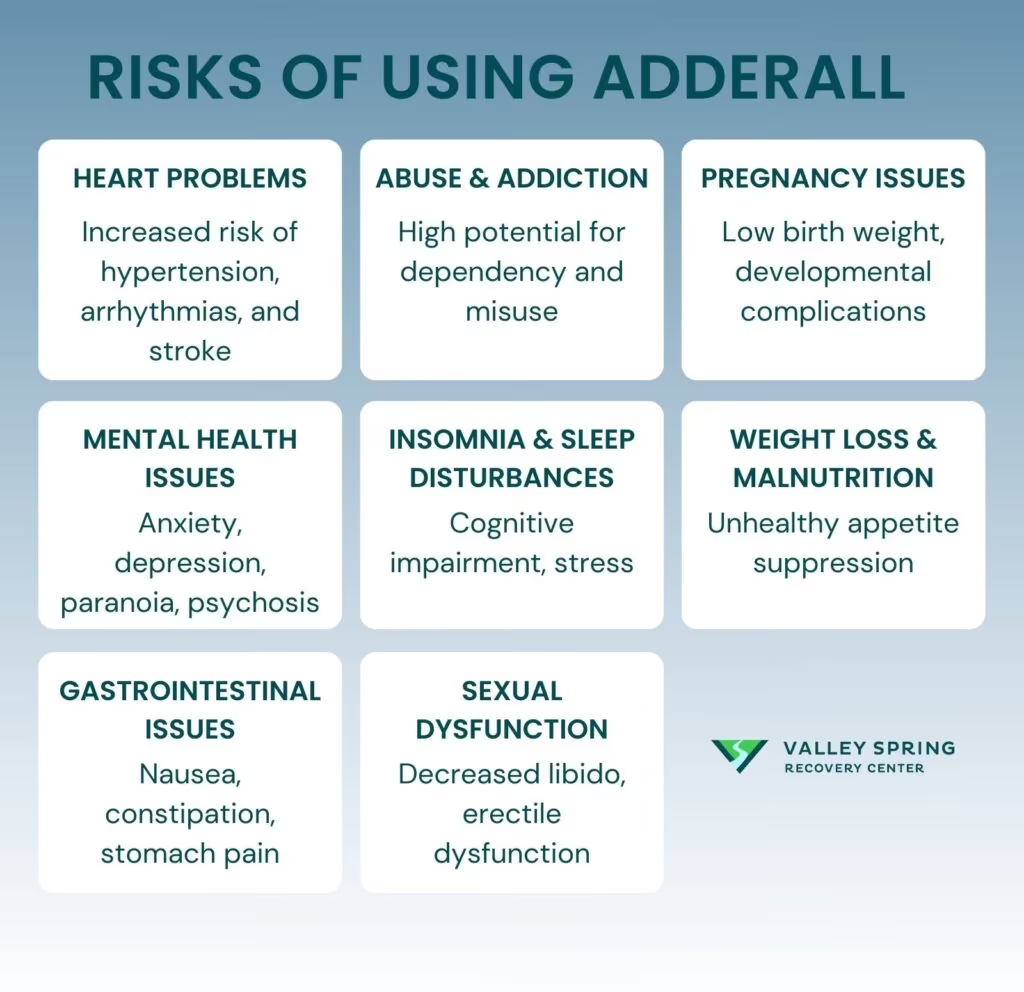
The risks of using Adderall are listed below:
- Heart Problems: Adderall raises blood pressure and heart rate, increasing the risk of hypertension, arrhythmias, and heart attacks. A study by Sichilima T, Rieder MJ. et al. 2009, titled “Adderall and cardiovascular risk: A therapeutic dilemma,” found that stimulant use significantly increases the risk of stroke and sudden cardiac events, especially in individuals with preexisting heart conditions.
- Mental Health Issues: Long-term Adderall use contributes to anxiety, depression, paranoia, and even psychosis. This is because it alters dopamine and norepinephrine levels, which regulate mood and cognitive function. According to Stevens JR, Wilens TE, Stern TA. et al. 2013, titled “Using stimulants for attention-deficit/hyperactivity disorder: clinical approaches and challenges," prolonged stimulant use worsens underlying mental health disorders and increases the risk of emotional instability.
- Abuse and Addiction: Adderall has a high potential for misuse due to its stimulant effects, which create a sense of euphoria and increased energy. Over time, individuals develop tolerance, requiring higher doses to achieve the same effects, leading to adderall addiction. Chang Z,. et al.2014, titled “Stimulant ADHD medication and risk for substance abuse,” highlights ADHD medication is associated with a 31% lower risk of substance abuse, with longer medication duration further reducing the risk.
- Pregnancy Issues: Adderall use during pregnancy has been linked to low birth weight, premature birth, and developmental complications in infants. Stimulants cross the placenta, affecting fetal brain development. A study by Andrade C 2019, "Safety of Stimulant Medications in Pregnancy," suggests that amphetamine-based drugs increase the risk of neonatal withdrawal symptoms and long-term neurodevelopmental issues.
- Insomnia and Sleep Disturbances: Adderall stimulates the central nervous system, making falling and staying asleep difficult. Chronic sleep deprivation leads to cognitive impairments, weakened immune function, and increased stress levels. Sleep issues are more common in individuals taking higher doses or using Adderall later in the day.
- Weight Loss and Malnutrition: Adderall suppresses appetite, which leads to unhealthy weight loss and nutritional deficiencies. Extended use results in muscle loss, weakened immunity, and poor metabolic health. Early stimulant use led to short-term BMI reductions, but long-term use predicted increased BMI growth between ages 11.2 and 14.3. At the same time, ADHD itself was linked to poor diet independent of medication, according to a study by Bowling A, Davison K, Haneuse S, Beardslee W, and Miller DP. et al. 2017, titled “ADHD Medication, Dietary Patterns, Physical Activity, and BMI in Children: A Longitudinal Analysis of the ECLS-K Study.”
- Gastrointestinal Issues: Many users experience digestive problems such as nausea, constipation, or stomach pain due to Adderall's effect on the gut. Stimulants slow digestion and reduce gut motility, leading to discomfort and irregular bowel movements.
- Sexual Dysfunction: Adderall causes decreased libido, erectile dysfunction in men, and menstrual irregularities in women due to its effects on dopamine and blood circulation. Research indicates that long-term stimulant use disrupts hormonal balance, leading to reduced sexual desire and performance issues.
Can you Overdose on Adderall?
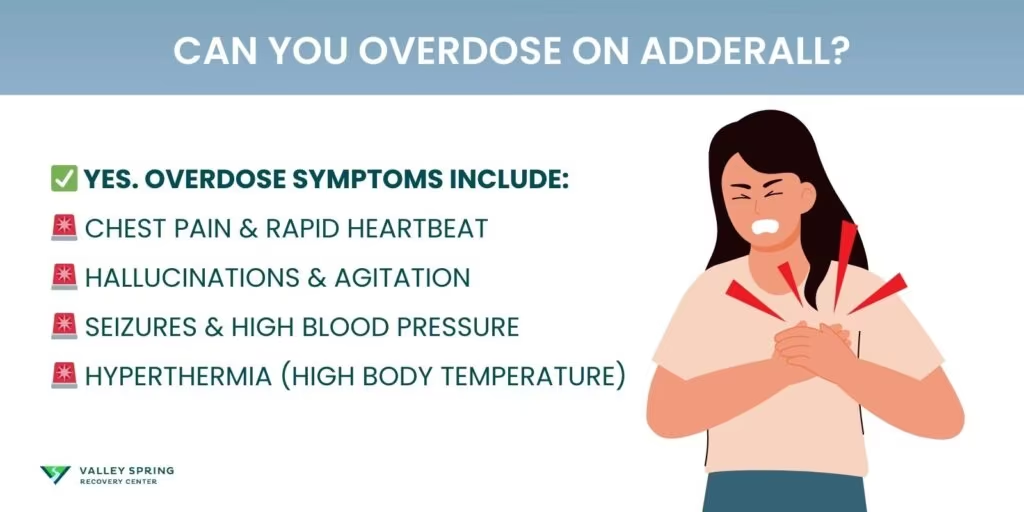
Yes, you can overdose on Adderall, particularly if taken in large amounts or abused with other substances. Overdose symptoms include severe agitation, heart palpitations, high blood pressure, seizures, and even death. According to the Centers for Disease Control and Prevention (CDC), there were significant increases in amphetamine overdose deaths, including Adderall, particularly among young adults. The CDC reported in 2021 a rise in stimulant-related deaths, with many involving prescription drugs like Adderall. Symptoms of an Adderall overdose include:
- Rapid breathing
- Hallucinations
- Seizures
- Chest pain
- Vomiting
What are the Overdose Symptoms of Adderall?
The overdose symptoms of Adderall include agitation, chest pain, rapid heartbeat, confusion, hallucinations, seizures, high blood pressure, and hyperthermia. These symptoms reflect the overstimulation caused by Adderall’s stimulant effects, leading to severe physical and mental health issues. Overdosing on Adderall requires immediate medical intervention due to the potential for life-threatening consequences.
The overdose symptoms of Adderall are listed below:
- Agitation: Overdose causes extreme restlessness and anxiety due to overstimulation of the central nervous system, leading to a heightened state of arousal and nervous energy, according to a study by Spiller, H. A., Hays, H. L., & Aleguas, A. 2013, titled “Overdose of drugs for attention-deficit hyperactivity disorder: clinical presentation, mechanisms of toxicity, and management.”
- Chest pain: Overdosing on Adderall places excessive strain on the heart, increasing the risk of heart-related complications, such as angina or a heart attack.
- Rapid heartbeat: A significant rise in heart rate is a common symptom of Adderall overdose, resulting from the stimulant’s effect on the heart's electrical system, increasing the risk of arrhythmias.
- Confusion: As the brain becomes overstimulated, cognitive functions are impaired, causing disorientation, difficulty concentrating, and memory issues.
- Hallucinations: Excessive doses of Adderall lead to altered perceptions, where users see or hear things that are not real, caused by an overload of dopamine in the brain.
- Seizures: Adderall overdose triggers sudden seizures and involuntary electrical discharges in the brain, leading to physical harm or lasting neurological effects, according to Medical News Today.
- High blood pressure: Adderall stimulates the sympathetic nervous system, leading to vasoconstriction and a dangerous rise in blood pressure, increasing the risk of strokes or heart attacks.
- Hyperthermia: Elevated body temperature occurs when the body’s normal temperature regulation fails due to stimulant-induced overstimulation, which leads to organ failure or death if untreated, as studied by Fitzgerald KT et al. 2013. Titled “Adderall® (Amphetamine-Dextroamphetamine) Toxicity.”
What Treatment Options Exist For Adderall Abuse?
Existing treatment options for Adderall abuse include a combination of inpatient and outpatient programs tailored to individual needs. Many facilities offer medical detox to safely manage withdrawal and employ therapies such as cognitive-behavioral therapy (CBT). Additionally, medication-assisted treatment (MAT) serves to help with cravings. Aftercare support is crucial for maintaining recovery and preventing relapse, as treatment for Adderall addiction addresses both compulsive behavior and underlying mental health issues.
How Does Adderall Interact with Other Substances?
Adderall interacts with other substances in various ways, potentially increasing the risk of harmful effects. For example, when combined with alcohol, it masks the depressant effects of alcohol, leading to a higher risk of alcohol poisoning, as studied by the National Institute on Alcohol Abuse and Alcoholism 2014, titled “Mixing alcohol with medicines.” Mixing Adderall with other stimulants leads to dangerous increases in heart rate and blood pressure. It is important to consult with a healthcare provider before combining Adderall with any other substance to avoid these interactions.
Can you Drink Alcohol on Adderall?
No, you cannot drink alcohol on Adderall. Adderall is a stimulant, while alcohol is a depressant, and the combination leads to dangerous heart problems, dehydration, and impaired judgment. The stimulant effects of Adderall mask the depressant effects of alcohol, leading individuals to drink more than they normally would, increasing the risk of alcohol poisoning.
Is it Safe to Take Adderall on Cocaine?
No, it is not safe to take Adderall on cocaine. Both Adderall and cocaine are stimulants that increase dopamine levels, and using them together places an extreme strain on the heart and increases the risk of cardiovascular issues, such as heart attacks or strokes. The combination of Adderall with cocaine also leads to severe agitation, paranoia, and psychosis.