5 Essential Tips for Choosing an Alcohol Rehab Center
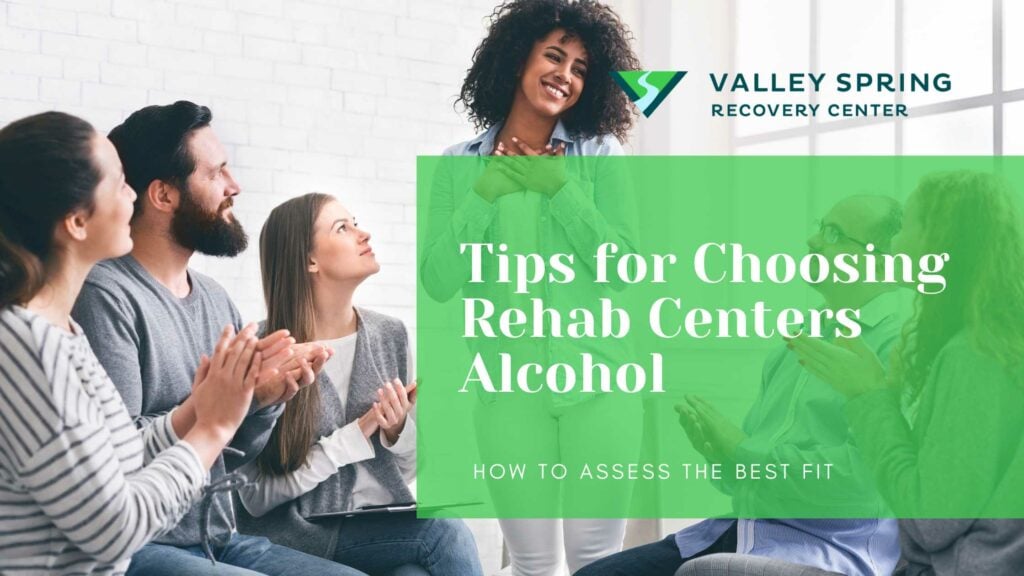
Choosing the right rehab center is a critical decision that significantly impacts recovery success. With various treatment approaches and financial considerations, making an informed choice that suits individual needs is essential. Selecting an alcohol rehab facility that meets individual needs and requirements is an important first step.
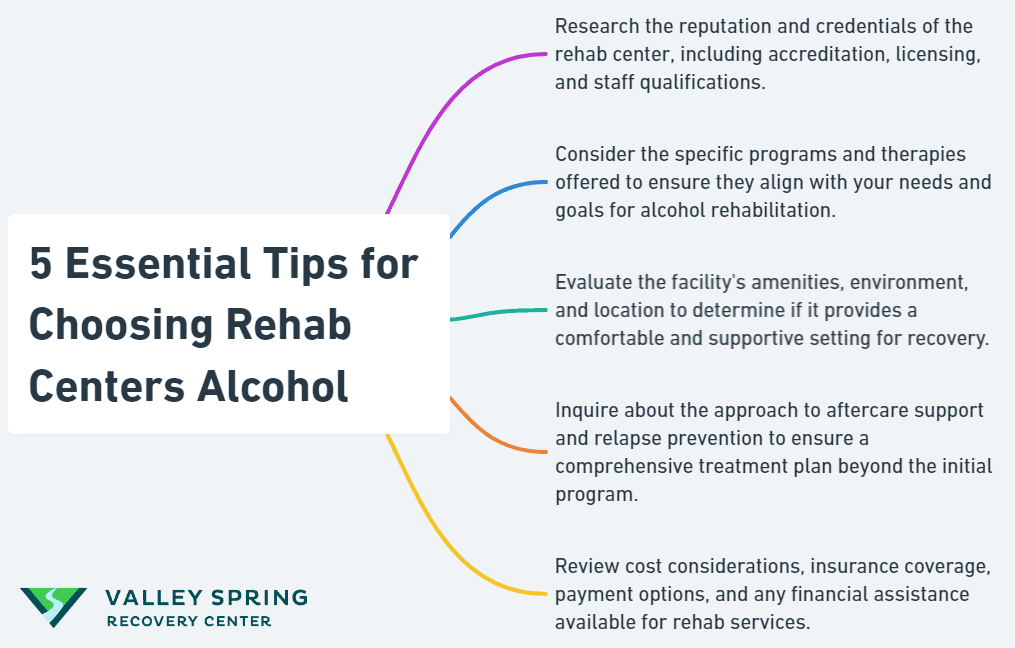
Here are five comprehensive tips that help with choosing the best alcohol rehab program to attend.
1. Assessment
Assessing the severity of alcohol use disorder helps determine the appropriate level of care. Inpatient programs provide immersive, round-the-clock support for severe addiction, while outpatient programs suit milder cases or individuals with work and family commitments. It is also important to choose a facility that offers medical detoxification to safely manage withdrawal symptoms.
Did you know most health insurance plans cover substance use disorder treatment? Check your coverage online now.
2. Treatment Approach and Therapies
Evaluate the treatment approaches offered by the facility. Effective rehab centers use evidence-based practices such as Cognitive Behavioral Therapy (CBT). Complementary therapies like yoga, meditation, or art therapy can enhance recovery by addressing mental, emotional, and spiritual aspects of addiction.
3. Credentials and Qualifications
Ensure the rehab center holds accreditation from reputable organizations, demonstrating adherence to high standards of care. Staff qualifications and experience, including therapists and medical professionals, are essential for providing effective treatment.
4. Location and Amenities
The facility’s location and environment impact recovery. Some individuals prefer centers close to home for family support, while others benefit from a distant location to focus entirely on treatment. The setting—serene and natural or urban—can influence the overall recovery experience.
Contact us today to schedule an initial assessment or to learn more about our services. Whether you are seeking intensive outpatient care or simply need guidance on your drug addiction journey, we are here to help.
5. Aftercare and Support Services
Aftercare programs are vital for sustained recovery. Look for facilities offering ongoing therapy, support groups, and relapse prevention strategies. Family involvement can provide additional support and improve long-term recovery outcomes.
Are There Screening Tests To Show If Someone Is At Risk For Alcohol-related Problems?
Yes, alcohol screening tests exist to identify alcohol-related problems. The Alcohol Use Disorders Identification Test (AUDIT) is the primary screening tool, developed by the World Health Organization and used worldwide in 40 languages. AUDIT measures drinking patterns and identifies at-risk individuals. Medical professionals use DSM-5-TR criteria for official diagnosis. Warning signs include excessive drinking, loss of control, neglecting responsibilities, and withdrawal symptoms. Only qualified clinical professionals diagnose substance use disorders. Self-assessment tools indicate the likelihood of problems and treatment needs, but professional evaluation determines the necessary interventions for effective recovery.
What Are The Types of Alcohol Rehab Centers?

Types of alcohol rehab centers include inpatient rehab for 24/7 care, outpatient rehab for flexible treatment, and residential programs for long-term support, each offering different levels of intensity and services like detox, health monitoring, and counseling.
Rediscover Life at Valley Spring Recovery Center
Get the compassionate support you deserve. We're here to help you reclaim joy, wellness, and a brighter future.
Verify Benefits
Inpatient Alcohol Rehab
Inpatient alcohol rehab provides 24/7 care in a structured setting with detoxification, therapy, and recovery support. The intake process includes an interview and screening by a counselor to determine the appropriate program.
Inpatient rehab is often recommended if patients answer “yes” to two or more CAGE questionnaire questions or experience withdrawal symptoms when not drinking.
Inpatient programs typically include:
- Addiction education
- Identification of triggers and coping skills development
- Group therapy
- Individual counseling to address underlying issues
The goal of inpatient treatment is to build skills for long-term abstinence and greater self-awareness. Continuous health monitoring is also essential. Detox units use medical supervision to manage withdrawal symptoms, reduce cravings, and safely remove toxins from the body.
Outpatient Alcohol Rehab
Outpatient rehab allows individuals to continue their daily responsibilities while attending therapy sessions. It includes:
- Individual counseling
- Group therapy
- Addiction education
- Support from healthcare professionals
Benefits of outpatient rehab include:
- Flexibility to maintain work or family obligations
- Lower costs than inpatient treatment
- Ongoing support systems
- Opportunities to practice recovery skills in real life
Patients usually attend one or two sessions per week, depending on personal needs and program structure.
Residential Treatment Programs
Residential programs provide long-term care in a home-like setting with a focus on life skills and deeper issues behind addiction.
Core features include:
- Personalized treatment plans
- Medical detoxification
- Individual counseling
- Structured environment
- Support for co-occurring mental health disorders
Program length varies and may last 30, 60, or 90 days, or extend to six months or longer. Duration depends on individual needs and recovery progress, ensuring treatment remains tailored.
Are you covered for treatment?


Valley Spring Recovery Center is an approved provider for Blue Cross Blue Shield and Cigna, while also accepting many other major insurance carriers.
Check Coverage Now!How Can The Quality of A Rehab Program Be Assessed?

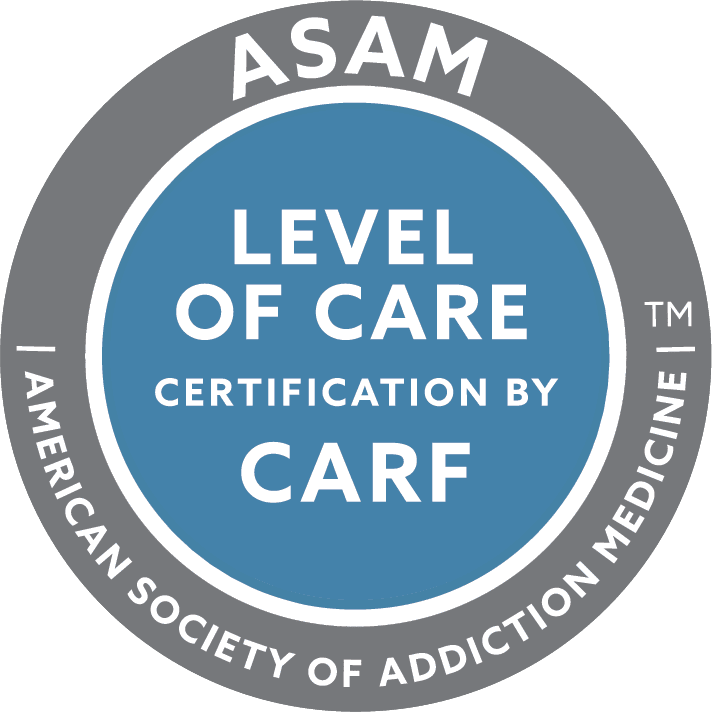
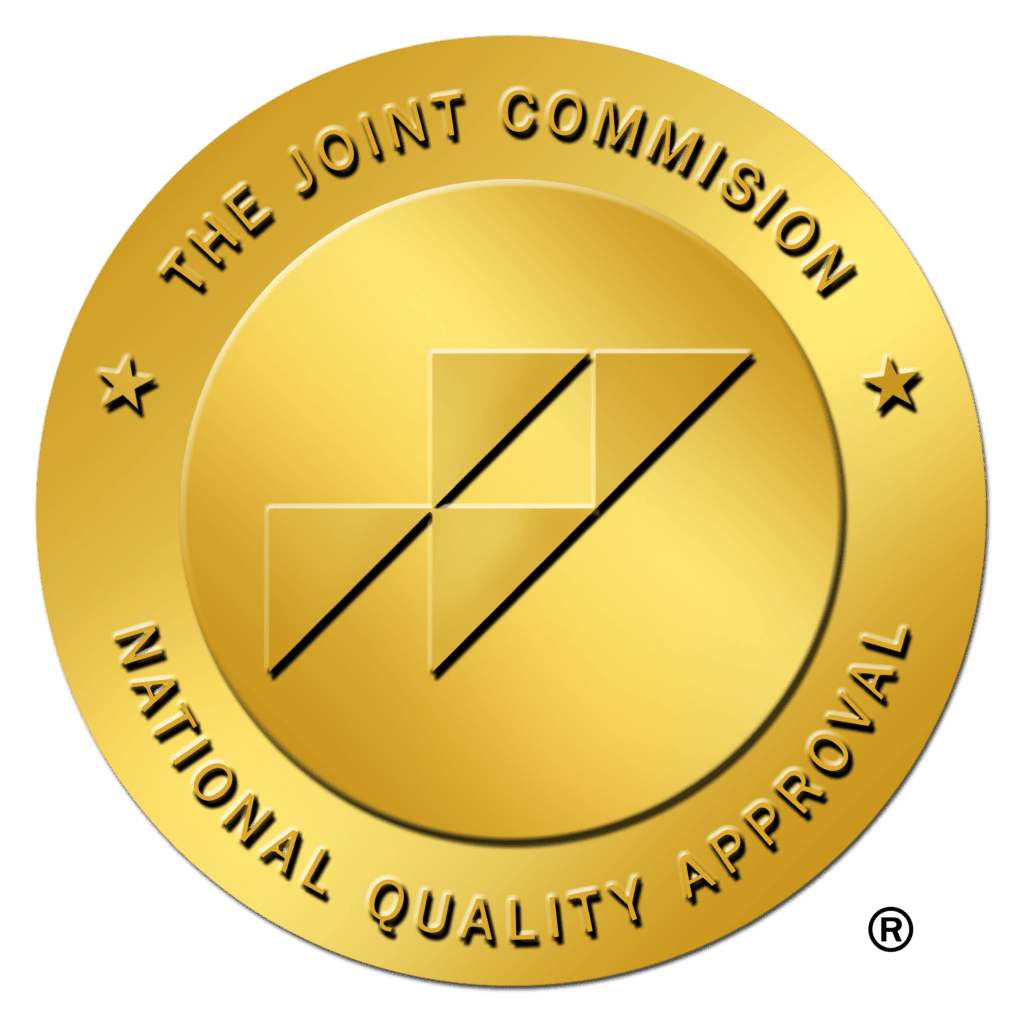
The quality of a rehab program is assessed by checking accreditation, staff credentials, and treatment standards. Look for accreditation from The Joint Commission or CARF, which ensures facilities meet industry standards. Staff should hold proper licenses like LADC, LPC, CAC, or CCDP, with medical directors being psychiatrists or nurse practitioners. Quality programs feature multidisciplinary teams that develop personalized treatment plans. Verify state licensing and certifications before selecting a facility. These factors confirm the center provides evidence-based care and meets regulatory requirements for effective addiction treatment.
Here are the logos to look for:
CARF LOGO
JCAHO LOGO
State Certifications
Every state has its own licensing and certification requirements. Usually, the state will require a certification from the Department of Children and Family Services to provide addiction treatment services. Below is a logo from the state of New Jersey:
What Types Of Insurance Coverage Are Available For Rehab?

Available insurance types for rehab are HMOs, PPOs, Medicare, and Medicaid, which offer varying levels of coverage for addiction treatment.
Private insurance plans are obtained through employers or purchased individually, with different types of insurance coverage offering distinct benefits and limitations. HMOs require referrals from primary care physicians and restrict treatment to in-network providers, while PPOs provide greater flexibility in choosing healthcare providers but usually come with higher costs.
Public insurance options like Medicare and Medicaid provide coverage for eligible individuals based on age, disability, or income, making treatment accessible for those who qualify.
What should I look for in an alcohol rehab center if I’ve already tried quitting on my own?
If self-help tips and willpower haven’t worked, choose a rehab center that offers:
- Medical supervision for detox
- Cognitive-behavioral therapy (CBT) for relapse prevention
- Aftercare planning to sustain sobriety
These features ensure your transition from personal attempts to professional treatment is smooth and effective.
Share This Post

Dr. Michael Olla
All author posts
Our Therapuetic Recovery Programs
Are you covered for treatment?




Valley Spring Recovery Center is an approved provider for Blue Shield of California and Cigna, while also accepting many other major insurance carriers.
Check Coverage Now!