Alcohol and Depression: Causes and Effects
The intricate relationship between alcohol use and depression remains a topic of significant concern in the realm of mental health and addiction. Notably, research reveals a startling connection: more than one out of every three alcoholics has experienced episodes of intense depression and/or severe anxiety, as indicated by studies from Cox et al. in 1990 and Wilson in 1988. This statistic underscores the complex interplay between alcohol abuse and mental health disorders.
The relationship between alcohol-use disorders and psychiatric symptoms of depression and anxiety is both clinically important and very complex according to Brady KT and Lydiard RB in their 1993 study on The association of alcoholism and anxiety in Psychiatric Quarterly.
What Is The Connection Between Alcohol and Depression?
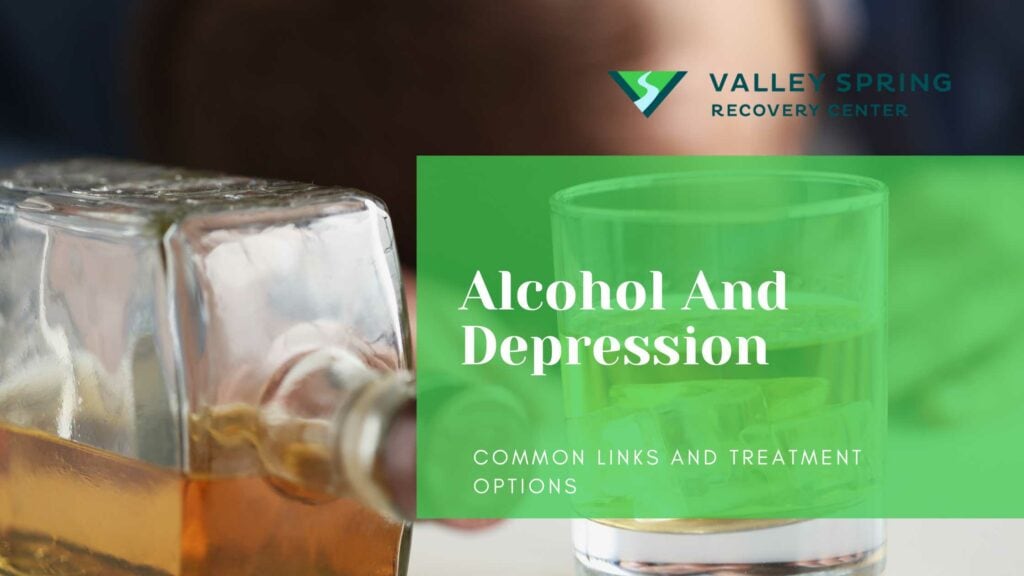
The connection between alcohol and depression is that alcohol use can cause or worsen symptoms of depression, and depression may also lead to increased alcohol consumption. Regular drinking is associated with depression, and excessive alcohol use tends to exacerbate depressive symptoms.
Alcohol is a central nervous system depressant that significantly impacts brain function, leading to symptoms such as sadness during intoxication and anxiety during hangovers and withdrawal, as highlighted in a 1993 study by Brady KT and Lydiard RB in Psychiatric Quarterly. The relationship between alcohol and depression is multifaceted: while alcohol can induce depressive symptoms, individuals may also use alcohol to self-medicate pre-existing depression, according to Psychiatrist and Medical Director Dr. Michael Olla of Valley Spring Recovery Center. Moreover, alcohol use disorder (AUD) is often linked with depression, necessitating integrated treatment approaches to address both conditions effectively. This complex interplay suggests that while alcohol can exacerbate or contribute to depressive states, it is not the sole cause of depression.
Did you know most health insurance plans cover substance use disorder treatment? Check your coverage online now.
What is a depressant drug?
Depressants are A type of drug that slows down brain activity, which causes the muscles to relax and calms and soothes a person. Alcohol is a depressant substance; depressant substances reduce arousal and stimulation. Typical depressant drugs like alcohol affect the central nervous system, slowing down the messages between the brain and body, according to 1998 research from Brands B, Sproule B, Marshman J, in the Ontario Addiction Research Foundation.
How Prevalent Are Depressive and Anxiety Symptoms Among Individuals with Alcohol Dependence?
Depressive and anxiety symptoms are highly prevalent among individuals with alcohol dependence. According to Schuckit (1996), as many as 80% of alcoholics report experiencing significant periods of sadness, with about one-third suffering from severe depression that significantly hinders their daily functioning.
Furthermore, approximately 40% of those with alcohol dependence have faced intense panic attacks, highlighting the frequent co-occurrence of these psychological symptoms. SAMHSA’s 2022 National Survey on Drug Use and Health further supports these findings, revealing that roughly 21.5 million adults in the United States have a co-occurring mental illness and substance use disorder — dual diagnosis statistics.
What Are the Clinical Implications of Co-Occurring Depressive and Anxiety Disorders in Alcoholics?
The clinical implications of co-occurring depressive and anxiety disorders in alcoholics necessitate a more intensive and integrated approach to treatment. If these psychological symptoms are not adequately addressed, they can lead to a worse prognosis for individuals with alcohol-related issues, including a heightened risk of suicide, especially during intense depressive episodes.
Healthcare providers must implement comprehensive intervention strategies that address both substance use and the accompanying mental health conditions to improve treatment outcomes.
Contact us today to schedule an initial assessment or to learn more about our services. Whether you are seeking intensive outpatient care or simply need guidance on your drug addiction journey, we are here to help.
Why Does alcohol make you feel depressed?
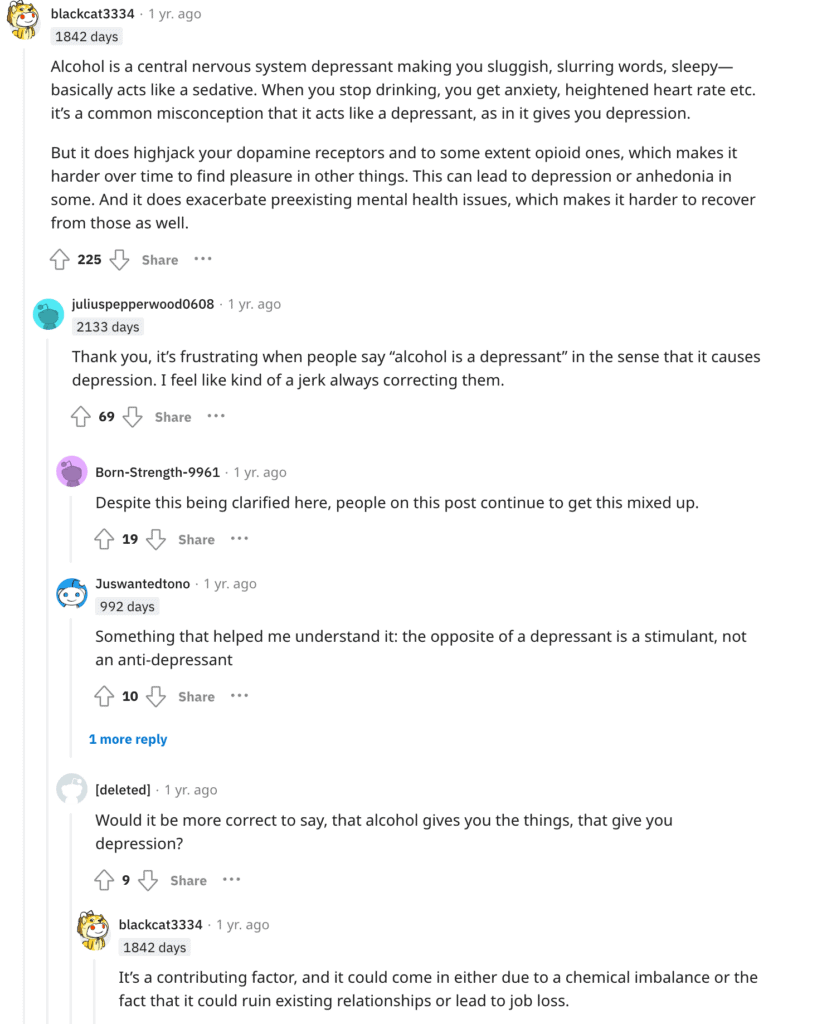
Alcohol makes you feel depressed because it is a central nervous system depressant, which means it can slow down brain functioning and alter the brain’s neurotransmitter balance. These changes can affect mood and behavior, leading to feelings of sadness or depression, especially in individuals who consume large amounts of alcohol or drink regularly.
The impact of alcohol on mood is complex and can vary from person to person. For some, moderate alcohol consumption might initially create a sense of relaxation or euphoria. However, as the effects of alcohol wear off, it can lead to negative emotional states, including feelings of depression.
Moreover, chronic alcohol use can lead to physiological changes in the brain that may exacerbate depressive symptoms. It can also interfere with the effectiveness of antidepressant medications, making depression harder to treat.
It’s important to note that if someone has a pre-existing mental health condition, such as depression, alcohol use can worsen their symptoms. Therefore, individuals with a history of depression are generally advised to limit or avoid alcohol consumption. If you or someone you know is struggling with alcohol-related depression, it’s important to seek professional help.
How Long Does Depression Last After Quitting Drinking?
Depression after quitting drinking can last for varying lengths of time depending on several factors, including the individual’s physical health, the severity and duration of their alcohol use, their mental health history, the presence of a support system, and whether they are receiving any treatment for depression.
For some individuals, depressive symptoms may begin to improve within a few weeks of quitting drinking as the body and brain start to recover from the effects of alcohol. However, for others, especially those who have been drinking heavily for a long period or have a history of mental health issues, depression can last longer.
It’s also important to note the phenomenon of “post-acute withdrawal syndrome” (PAWS), which can occur in some individuals who have stopped drinking. PAWS can include prolonged withdrawal symptoms, including depression, that can last for several months or even up to a year after quitting alcohol.
What Treatment Approaches Are Recommended for Alcoholics with High Levels of Depression?
Recommended treatment approaches for alcoholics with high levels of depression include a multifaceted therapeutic approach, blending psychoeducation, counseling, and various forms of psychotherapy. For those exhibiting severe depressive or anxiety symptoms, clinical guidelines suggest that hospitalization may be required to ensure safety, particularly to mitigate the risk of suicide.
According to the research by Schuckit (1996), psychoeducational support can play a crucial role in helping patients understand the interplay between alcohol use and their mental health symptoms, which is essential for effective management and prevention of relapse.
For those exhibiting severe depressive or anxiety symptoms, clinical guidelines suggest that hospitalization may be required to ensure safety, particularly to mitigate the risk of suicide. The article by Schuckit (1996) in “Alcohol, Anxiety, and Depressive Disorders” highlights the importance of intensive monitoring and intervention during acute episodes. Additionally, the National Institute on Alcohol Abuse and Alcoholism (NIAAA) supports the use of integrated treatment programs that address both substance use disorders and mental health issues simultaneously, which have been shown to improve patient outcomes (NIAAA, 2020).
Behavioral therapies such as Cognitive Behavioral Therapy (CBT) and Dialectical Behavior Therapy (DBT) are particularly effective for treating anxiety and depression in the context of alcoholism. These therapies help patients develop coping mechanisms to manage stress and avoid triggers. Studies, such as those reviewed by Brady and Lydiard (1993), have demonstrated the effectiveness of CBT in reducing symptoms of both anxiety and depression, thus reducing the dependency on alcohol as a coping mechanism.
Furthermore, relaxation techniques and stress management strategies are integral parts of the treatment, as they help reduce the physiological symptoms associated with anxiety and panic attacks. Techniques such as guided imagery, mindfulness meditation, and progressive muscle relaxation are recommended practices within these treatment frameworks to help individuals regain control over their stress responses and improve their overall mental health.
Overall, the combination of psychoeducation, therapeutic interventions, and targeted behavioral therapies provides a comprehensive treatment strategy for alcoholics with significant levels of depression or anxiety, ensuring a holistic approach to recovery and long-term wellness.
Rediscover Life at Valley Spring Recovery Center
Get the compassionate support you deserve. We're here to help you reclaim joy, wellness, and a brighter future.
Verify Benefits
What Types of Addiction Treatment Programs in Rehab Centers Are Most Effective for Alcoholics with Severe Depression?
The most effective addiction treatment programs in rehab centers for alcoholics with severe depression are those that offer a range of specialized, integrated approaches. These programs are particularly designed to address the complexities of co-occurring disorders, ensuring a comprehensive recovery process:
1. Dual Diagnosis Treatment Programs
Rehab centers with dual diagnosis capabilities are critical for patients with severe depression and AUD. These programs provide simultaneous treatment for both conditions, using an integrated approach that has been shown to improve outcomes significantly. Studies like those by Drake, Mueser, and Brunette (2007) have demonstrated the efficacy of treating both mental health and substance use disorders together rather than separately.
2. Inpatient Rehab Programs
For those facing severe depressive symptoms alongside alcohol dependence, inpatient rehab programs offer a structured and supportive environment. Patients benefit from round-the-clock care and an array of therapeutic modalities, which can include medical treatment, psychotherapy, and group support. Research, including findings published in the Journal of Substance Abuse Treatment, highlights the effectiveness of inpatient care for patients with high psychiatric severity (Sacks et al., 2014).
Are you covered for treatment?


Valley Spring Recovery Center is an approved provider for Blue Cross Blue Shield and Cigna, while also accepting many other major insurance carriers.
Check Coverage Now!3. Outpatient Treatment Programs
Outpatient rehab programs serve as a vital step down from inpatient care or as a standalone option for those with less severe depression. These programs allow individuals to engage in therapy and support while maintaining their daily routines, offering flexibility and facilitating recovery integration into daily life. The American Journal of Psychiatry notes that structured outpatient programs can effectively manage AUD and depression when they provide sufficient therapeutic intensity (Ouimette et al., 1998).
4. Support Groups

Support groups facilitated by rehab centers, such as Alcoholics Anonymous and other 12-step programs, offer ongoing peer support that is crucial for sustainable recovery. These groups provide a community where individuals can share experiences, gain insights, and receive emotional support, which is particularly beneficial for those dealing with depression and addiction simultaneously (Kelly et al., 2009).
5. Aftercare and Continuous Support
Effective rehab centers emphasize the importance of aftercare programs to prevent relapse and support long-term recovery. These services may include ongoing therapy, support group meetings, and sober living arrangements, which are especially important for individuals with persistent or cyclic depressive symptoms.
By offering these targeted treatment programs, rehab centers equip individuals with the tools and support needed to effectively manage their alcohol addiction and severe depression, paving the way for a successful and long-lasting recovery.
Did you know most health insurance plans cover substance use disorder treatment? Check your coverage online now.
What Are The Top Alcohol and Depression Treatment Centers in the US?
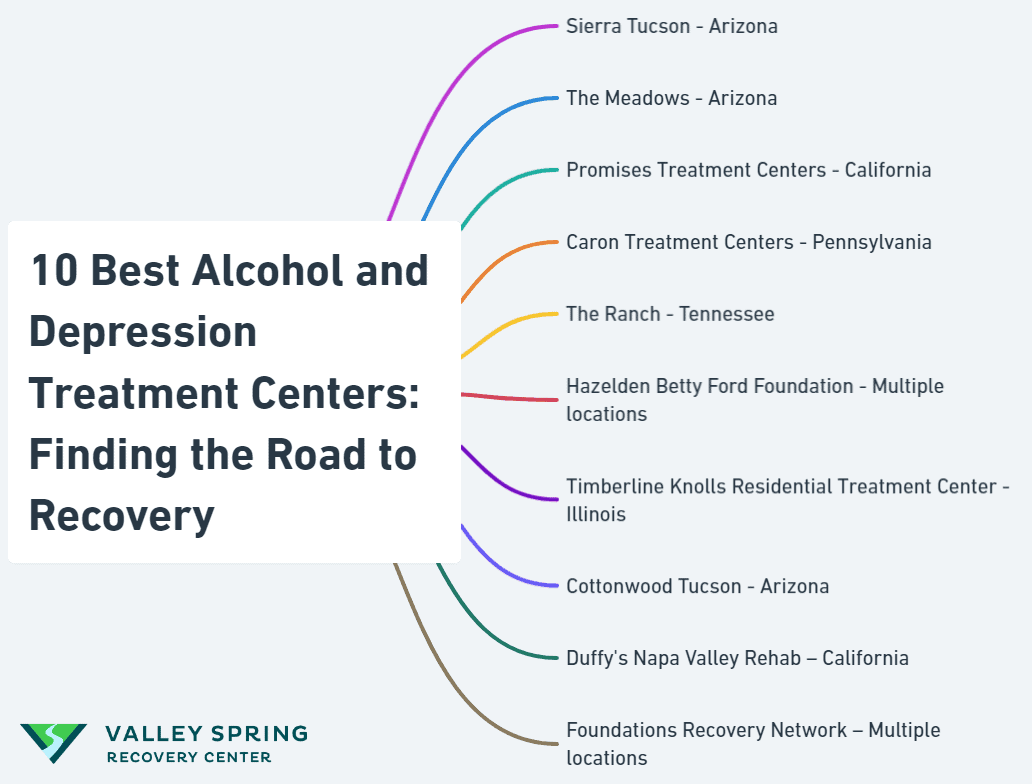
When searching for top treatment centers that specialize in both alcohol addiction and depression in the United States, it’s important to select facilities that offer comprehensive, dual diagnosis treatment programs. These centers are renowned for their effective care in treating substance abuse alongside co-occurring mental health conditions such as depression. Here are some of the premier centers known for their excellence in providing holistic and individualized care:
1. Valley Spring Recovery Center
- Location: Norwood, New Jersey
- Features: Nestled in Bergen County, close to New York City, Valley Spring Recovery Center employs a holistic approach to treatment. It offers specialized programs for substance use disorders and dual diagnosis treatment in New Jersey for depression. Patients benefit from a blend of natural and clinical therapies, including innovative integrative therapies such as yoga and music therapy, tailored to treat both addiction and underlying depressive disorders.
2. Hazelden Betty Ford Foundation
- Location: Multiple locations including Minnesota, California, and New York
- Features: Hazelden Betty Ford is one of the most established and revered treatment centers in the U.S., offering a comprehensive range of addiction treatment services. Integrating evidence-based practices for addiction treatment with robust mental health services that address underlying issues like depression.
3. The Caron Foundation
- Location: Wernersville, Pennsylvania
- Features: Caron provides a wide variety of treatment programs that are customized to meet specific needs, including gender-specific programs and treatments for teens and young adults. Their approach encompasses medical, psychological, and spiritual care.
4. McLean Hospital
- Location: Belmont, Massachusetts
- Features: Affiliated with Harvard Medical School, McLean Hospital offers specialized programs for substance abuse and related mental health conditions. Known for their innovative, evidence-based treatment methods, they are a leader in the field.
5. The Menninger Clinic
- Location: Houston, Texas
- Features: Menninger is known for providing comprehensive psychiatric care and specializes in treating complex cases of mental health and addiction. Their programs are highly personalized, combining advanced medical care with extensive psychotherapeutic interventions.
6. Sierra Tucson
- Location: Tucson, Arizona
- Features: Famous for its scenic location and holistic treatment approach, Sierra Tucson offers a combination of natural and clinical therapies. The center is also renowned for its integrative therapies, which include equine therapy, biofeedback, and yoga.
7. Silver Hill Hospital
- Location: New Canaan, Connecticut
- Features: This hospital provides both inpatient and transitional living programs for individuals dealing with addiction and psychiatric disorders. Silver Hill blends traditional psychotherapeutic treatments with more innovative modalities to address the full spectrum of patient needs.
8. Lindner Center of HOPE
- Location: Mason, Ohio
- Features: This facility provides a broad range of mental health services, including programs for substance use disorders. Their comprehensive care includes options for residential treatment, outpatient services, and psychoeducational programs.
Each of these centers is highly regarded for their commitment to treating both the symptoms of alcohol dependency and the underlying depressive disorders that may accompany it. When choosing a treatment center, it is crucial to consider the specific needs of the individual, including the severity of their condition and their personal treatment preferences.
Factors to consider when selecting the right treatment center include:
- Accreditation
- Staff credentials
- Treatment approaches
- Insurance coverage
- Aftercare support
Keep in mind that the most effective course of recovery treatment will vary from person to person and depends on the degree of AUD. Exploring your options and selecting the right treatment center can help you find the necessary support and guidance for your recovery journey.
What Are The Essential Components of Dual Diagnosis Treatment Centers?

The essential components of dual-diagnosis treatment centers involve addressing substance use disorder and mental health conditions simultaneously, creating a solid foundation for recovery. These centers integrate care for both issues through comprehensive dual-diagnosis treatment.
- Integrated Care: Combines medical and mental health services to address addiction and co-occurring disorders.
- Integrated Dual Diagnosis Treatment (IDDT): Provides comprehensive support, targeting both symptoms and root causes, thereby reducing relapse rates.
- Evidence-Based Therapies:
- Cognitive Behavioral Therapy (CBT): Modifies negative thought patterns.
- Dialectical Behavior Therapy (DBT): Integrates cognitive-behavioral techniques with mindfulness to manage emotions and enhance relationships.
- Medication-Assisted Therapies (MAT): Treat substance abuse and depression by using medications to alleviate withdrawal symptoms and promote sobriety.
- SSRIs and SNRIs: Common prescriptions for depression, necessitating consultation with healthcare professionals for tailored treatment.
- Multidisciplinary Team Approach: Guarantees comprehensive care by involving professionals from various disciplines, including treatment specialists, counselors, case managers, and clinicians, to address all aspects of a patient’s needs.
What Are The Alternative Treatment Options for Alcohol and Depression?
Alternative treatment options for alcohol and depression recovery include:
- Outpatient Programs: These offer flexibility, allowing individuals to maintain daily responsibilities while receiving ongoing therapy and support, making them cost-effective compared to inpatient treatment.
- Holistic Therapies: These may involve family therapy, alternative medicine, meditation, yoga, and herbal remedies.
- Support Groups: Effective for recovery, these groups provide a peer-oriented environment, guidance, and opportunities for forming positive connections.
Contact us today to schedule an initial assessment or to learn more about our services. Whether you are seeking intensive outpatient care or simply need guidance on your drug addiction journey, we are here to help.
Are Their Real-Life Success Experiences Overcoming Alcoholism and Depression?
Success stories from individuals who have undergone dual diagnosis treatment for alcohol use and depression provide inspiration and hope for those seeking help for alcohol addiction and depression. These stories demonstrate the transformative power of comprehensive treatment and the resilience of the human spirit.
For example, Lisa Vreeland’s Rehab Success Story shares the journey of an individual who successfully overcame drug addiction and achieved success at a rehab center.
“My husband entered the doors of rehab after spending time in the hospital, ready to face the demons that caused him to turn to alcohol and fall into depression. From my first tearful phone call asking for help, we were met with compassion, kindness, humanity, and grace.
As my husband went through the program, my son and I were continually kept informed and part of the process. We were welcomed into “the house” to visit, enabling my young son to continue his bond with his dad. The house managers and other clients in the house were all kind and very welcoming to both my son and I, weekly. We felt we were visiting extended family for Sunday dinner.The therapists and staff at Valley Spring offered services to my son and I as we prepared for my husband to transition back home. They continued to touch base, ask of our concerns, and offer support.
Lisa Vr
When my husband returned home, his hard work was truly evident. The entire dynamic in our home had changed for the better. The skills and knowledge he gained while living in the house and attending Valley Spring Recovery are amazing. His passion for life is back, and I am forever grateful! This program is unlike any other in our area. It is a true blessing to those in need in their darkest days.
Thank you to all who played such a role in his recovery!”
Recommended Reading: Tips For Choosing An Alcohol Rehab
What Is the Success Rate of Rehab in The US?
Rehab success rates of rehab in the US range from 68 percent to 95 percent, with an average of 89 percent staying sober in the first month after treatment and 80 percent benefiting from improved quality of life and health after completing rehab according to the Butler Center for Research.
What Is the Difference Between Inpatient and Outpatient Treatment for Alcohol Addiction and Depression?
The difference between inpatient and outpatient treatment for alcohol addiction and depression lies in the severity and management of the conditions. Inpatient treatment is typically recommended for more severe cases of alcohol addiction or co-occurring mental health disorders, while outpatient treatment is suitable for less severe diagnoses that can be managed with regular visits to a facility.
Share This Post

Dr. Michael Olla
All author posts
Our Therapuetic Recovery Programs
Are you covered for treatment?






Valley Spring Recovery Center is an approved provider for Blue Shield of California and Cigna, while also accepting many other major insurance carriers.
Check Coverage Now!