How Naltrexone Treats Addiction: Benefits, Dosage, and Side Effects

Naltrexone treats addiction by blocking opioid and alcohol receptors in the brain, reducing cravings and the rewarding effects of substance use. In 2021 alone, alcohol led to over 31,000 treatment admissions in NJ, second only to heroin.
The main benefits of naltrexone are lowered risk of relapse, reduced cravings, and no addictive potential.
Typical dosage for alcohol or opioid dependence is 50 mg once daily, though extended-release injectable forms are also available.
Common side effects include nausea, headache, dizziness, fatigue, and in rare cases, liver toxicity, which requires monitoring during treatment.
For some, medications like buprenorphine, methadone, acamprosate, or disulfiram are more appropriate. But for many, naltrexone offers a safe, effective way to regain control without the highs and without the cravings.
What Is Naltrexone?
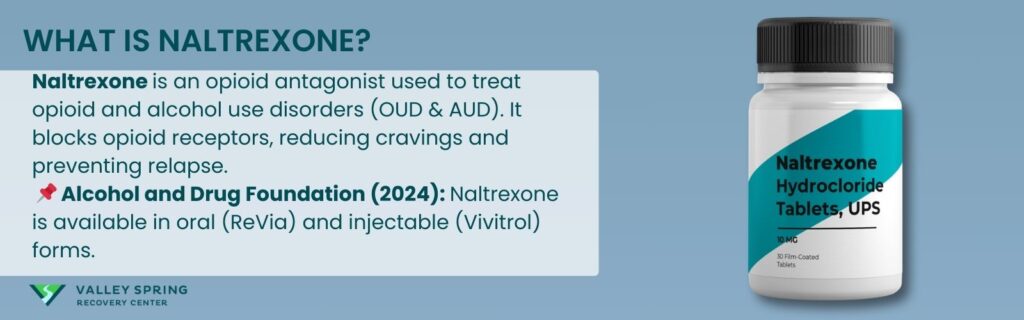
Naltrexone (naltrexone hydrochloride) is an opioid antagonist medication, known by brand names like Vivitrol and Revia. Naltrexone blocks the effects of opioids and alcohol in the brain, helping reduce cravings and prevent relapse.
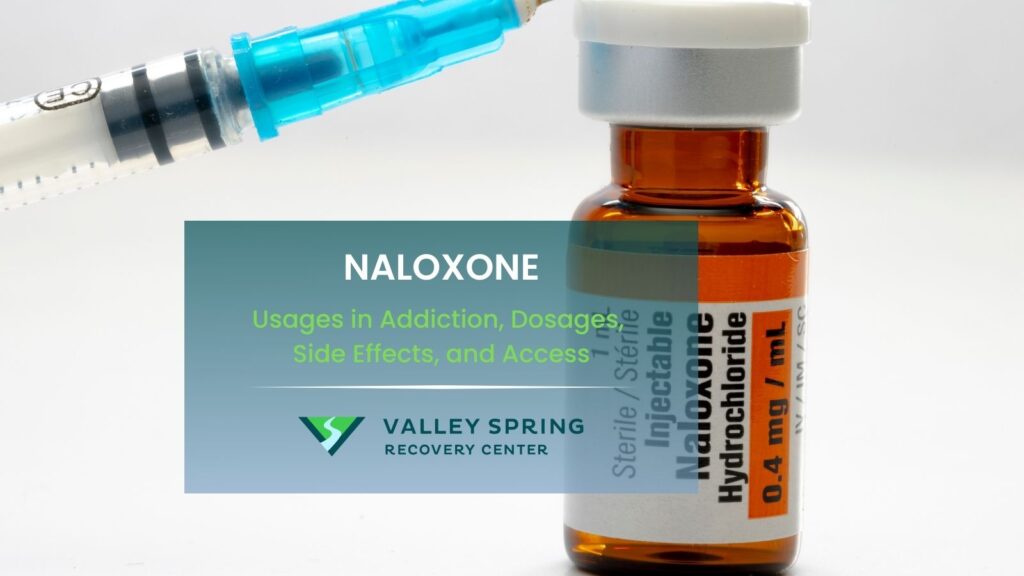
Naltrexone is used in medication-assisted treatment for both alcohol and opioid use disorders. It is non-addictive and doesn’t cause withdrawal. It comes in two forms: a daily oral tablet and a once-monthly injection. Both options are designed to support long-term recovery by removing the reward that fuels substance use.
Did you know most health insurance plans cover substance use disorder treatment? Check your coverage online now.
What Is the Mechanism of Action of Naltrexone?
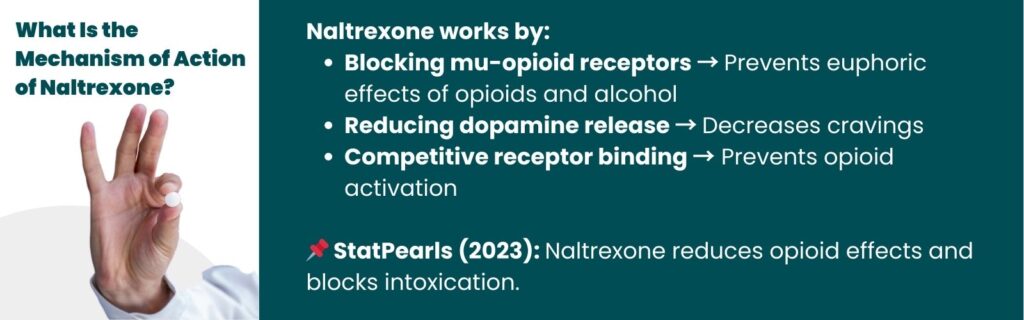
The mechanism of action of naltrexone involves blocking mu-opioid receptors, reducing the effects of opioids, and decreasing cravings for both opioids and alcohol. It binds to opioid receptors in the brain, primarily mu, with lesser effects on kappa and delta, so opioids or alcohol no longer trigger the usual dopamine-driven high.
Naltrexone helps shut down the brain’s reward response that fuels addiction. It is long-acting, especially in its injectable form, and continues to block those receptors even if a person tries to use it. It doesn’t create dependence or cause a high, making it a safe option for recovery support.
What Is Naltrexone Used for?
Naltrexone is used for treating opioid addiction and alcohol use disorder (AUD). It helps reduce cravings and blocks the rewarding effects of both substances, making relapse less likely.

Naltrexone is used for the following disorders:
1. Alcohol Use Disorder
Alcohol use disorder (AUD) is a mental condition characterized by a problematic pattern of alcohol use leading to significant impairment or distress. Naltrexone helps treat alcohol use disorder by reducing cravings and blocking the pleasurable effects of alcohol, making it easier to cut back or stop drinking. It’s effective in decreasing heavy drinking episodes and cravings.
However, it causes liver damage, especially in those with pre-existing liver conditions, so regular monitoring is necessary. Extended-release Naltrexone (XR-NTX) has been shown to reduce heavy drinking days significantly.
Contact us today to schedule an initial assessment or to learn more about our services. Whether you are seeking intensive outpatient care or simply need guidance on your drug addiction journey, we are here to help.
2. Opioid Use Disorder
Opioid use disorder (OUD) is a chronic brain condition characterized by persistent opioid use despite harmful consequences, involving physical dependence and loss of control over use. Naltrexone treats opioid use disorder by blocking opioid receptors, reducing cravings, and preventing the euphoric effects of opioids.
Naltrexone is non-addictive and doesn’t cause withdrawal symptoms upon cessation. However, it requires detoxification before use, and stopping it increases opioid sensitivity, which leads to overdose. Extended-release naltrexone is particularly effective in reducing relapse rates and overdose risks, especially in correctional settings.
Can You Take Naltrexone for Anxiety or Depression?
No, Naltrexone is not FDA-approved for anxiety or depression. However, low-dose naltrexone (LDN) is used off-label to help improve mood in some individuals with treatment-resistant depression or anxiety. It works by reducing neuroinflammation and boosting endorphin levels, as shown in a 2020 study published in Psychiatric Times.
What Is the Recommended Dosage for Naltrexone?
The recommended dosage of Naltrexone is 50 mg per day for both alcohol dependence and opioid use disorder. For opioid use disorder, treatment may start with 25 mg to check for withdrawal, increasing to 50 mg if tolerated. Dosage can be adjusted based on individual response.
Rediscover Life at Valley Spring Recovery Center
Get the compassionate support you deserve. We're here to help you reclaim joy, wellness, and a brighter future.
Verify Benefits
How Is Naltrexone Taken?
Naltrexone is taken as a daily oral tablet or as a long-acting monthly injection, offering flexibility in treatment options for opioid and alcohol use disorders.
Naltrexone is taken in the following ways:
- Oral Tablet (ReVia): The 50 mg tablet is taken once daily to reduce cravings and block the pleasurable effects of alcohol and opioids.
- Injection (Vivitrol): A 380 mg intramuscular injection is given once a month, providing continuous opioid receptor blockade without the need for daily dosing.
What Are the Side Effects of Naltrexone?
The side effects of naltrexone are nausea, anxiety, decreased appetite, vomiting, headache, dizziness, joint and muscle pain, and difficulty sleeping, according to the review “Naltrexone” by the Substance Abuse and Mental Health Services Administration (SAMHSA).
Common Side Effects Of Naltrexone
These are the frequently reported common side effects of naltrexone:
- Nausea and Vomiting: These are among the most common gastrointestinal side effects experienced by users.
- Headache: Frequent headaches occur due to the medication’s effects on the body.
- Dizziness: This leads to balance issues and should be monitored, especially when engaging in activities that require alertness.
- Nervousness or Anxiety: Emotional changes such as increased anxiety or nervousness are common.
- Joint and Muscle Pain: Users report pain in the joints and muscles.
- Fatigue: Feeling tired or lacking energy is another common side effect.
- Sleep Disturbances: Difficulty sleeping or insomnia occurs while taking naltrexone.
- Loss of Appetite: Reduced appetite leads to weight changes or nutritional deficiencies if not appropriately managed.
Are you covered for treatment?


Valley Spring Recovery Center is an approved provider for Blue Cross Blue Shield and Cigna, while also accepting many other major insurance carriers.
Check Coverage Now!Severe Side Effects of Naltrexone
Below are the severe side effects associated with naltrexone:
- Severe Allergic Reactions: Symptoms include breathing problems, wheezing, racing heart, fever, swollen lymph nodes, swelling of the face, lips, mouth, tongue, or throat, and hives.
- Liver Damage (Hepatotoxicity): Indicated by nausea, vomiting, stomach pain, fever, weakness, itching, loss of appetite, dark urine, and jaundice.
- Suicidal Thoughts and Depression: Includes new or increased feelings of anxiety, depression, or suicidal thoughts.
- Risk of Opioid Overdose: Accidental overdose occurs if opioids are taken while on naltrexone or after its effects have worn off.
- Severe Injection Site Reactions: These include intense pain, tissue death, swelling, lumps, or hardness at the injection site.
- Pneumonia: A rare but serious respiratory side effect.
- Mental Status Changes: Includes confusion, somnolence, and visual hallucinations.
- Severe Abdominal Pain: Persistent and severe abdominal or stomach pain.
Does Naltrexone Cause Weight Loss?
No, naltrexone alone does not cause significant weight loss by itself. However, when combined with bupropion, it is effective for weight loss. According to the 2015 study by Jessica E. et al., Contrave, a combination of naltrexone and bupropion, increases physical activity and reduces calorie intake, which helps in weight management.
Does Naltrexone Make You Sleepy?
Yes, naltrexone makes you sleepy. The 2025 review by Leigh A. A., “Does Naltrexone Make You Sleepy”, from Drugs.com, shows that people taking naltrexone report drowsiness, dizziness, and sedation as possible side effects impacting daily activities such as driving or operating machinery. While naltrexone is primarily used to manage alcohol and opioid use disorders, it causes sleep-related side effects.
Did you know most health insurance plans cover substance use disorder treatment? Check your coverage online now.
What Are The Alternatives To Naltrexone For Treating Alcohol Addiction?
Alternatives to naltrexone for treating alcohol and opioid addiction include buprenorphine, methadone, acamprosate, disulfiram (Antabuse), topiramate, and gabapentin, according to the review by SAMHSA. While naltrexone is primarily used in treating alcohol addiction by reducing cravings and blocking the rewarding effects of alcohol, other medications such as acamprosate or disulfiram offer distinct benefits in managing alcohol use disorder.

Here are the alternatives to naltrexone for treating alcohol addiction:
- Acamprosate (Campral): This medication helps maintain abstinence by modulating the glutamate and GABA systems in the brain, which are disrupted in alcohol use disorders. It is most effective when used after detoxification and in conjunction with psychosocial interventions.
- Disulfiram (Antabuse): Works by causing unpleasant reactions when alcohol is consumed, discouraging drinking. It is not recommended for primary care due to compliance issues and side effects.
- Topiramate: This drug shows significant potential in reducing alcohol consumption by modulating neurotransmitter systems. It is not FDA-approved for alcohol use disorder but is used off-label.
- Gabapentin: Used off-label for alcohol dependence, it helps reduce cravings and withdrawal symptoms. Its efficacy varies, and it is not FDA-approved for this use.
- Buprenorphine and Methadone: Primarily used for opioid use disorder, they are not direct alternatives for alcohol addiction treatment, but are considered in cases of dual diagnosis.
- Nalmefene (Selincro): An opioid antagonist similar to naltrexone, used to reduce alcohol consumption in those who continue to drink heavily.
What to Avoid When Taking Naltrexone?
Avoid using opioids, illicit drugs, alcohol, and CNS depressants when taking naltrexone, as studied by Austin U. et al., 2022, titled “4 Naltrexone Interactions to Watch Out for.”
Attempting to use opioids while on naltrexone leads to serious health risks, including overdose or coma. People using naltrexone need to avoid alcohol, as naltrexone does not prevent its physical effects, which are likely to impair judgment and increase the risk of accidents.
Can You Take Disulfiram And Naltrexone Together?
Yes, disulfiram and naltrexone can be taken together. In the 2007 study by Pettinati, H., et al, “ A Double Blind, Placebo-Controlled Trial that Combines Disulfiram and Naltrexone for Treating Co-Occurring Cocaine and Alcohol Dependence”, a clinical trial involving patients with co-occurring cocaine and alcohol dependence found that the combination of disulfiram and naltrexone was associated with higher rates of abstinence from both substances compared to placebo.
Is Naltrexone A Controlled Substance?
No, naltrexone is not a controlled substance. According to the 2024 review “ What Is Naltrexone (Revia) Used For” from GoodRx, naltrexone does not have the potential for abuse or addiction. It is available as oral tablets and a long-acting intramuscular injection (Vivitrol) and requires a prescription from a licensed healthcare provider.
Do You Need a Prescription for Naltrexone?
Yes, you need a doctor’s prescription for naltrexone in the U.S. It is not available over-the-counter and must be prescribed by a licensed healthcare provider, such as a physician, osteopathic physician, physician assistant, or nurse practitioner.
Is Naltrexone Safe for Long-Term Use?
Yes, naltrexone is safe for long-term use, but it requires careful monitoring, as studied by Ayyala, D. et al. 2022, titled “Naltrexone For Alcohol Use Disorder: Hepatic Safety In Patients With And Without Liver Disease.” However, the study shows that there are concerns about hepatotoxicity, especially in patients with pre-existing liver conditions. As a result, regular monitoring of liver function is recommended to ensure safety.
Can Naltrexone Cause Withdrawal Symptoms?
No, naltrexone does not cause withdrawal symptoms on its own because it is not addictive and does not activate opioid receptors. However, if taken too soon after using opioids, it triggers sudden and severe withdrawal. This is why a full detox, typically 7 to 10 days opioid-free, is required before starting naltrexone.
How Long Does Naltrexone Stay in Your System?
Naltrexone stays in your system for 3 to 50 days, depending on its form. The oral version has a half-life of 4 to 6 hours, while the injectable form (Vivitrol) lasts 5 to 10 days. Oral naltrexone is detectable in urine for up to 6 hours and in blood for about 24 hours. The injectable form provides effects for about a month.
Share This Post

Valley Spring Editorial Team
All author posts
Our Therapuetic Recovery Programs
Are you covered for treatment?


Valley Spring Recovery Center is an approved provider for Blue Shield of California and Cigna, while also accepting many other major insurance carriers.
Check Coverage Now!