


Clinical guide
Work Addiction: Definition, Symptoms, Causes, Effects, and Treatment
Work addiction, or workaholism, is a compulsive drive to work that disrupts personal life. Learn its symptoms, causes, effects, and treatment options.
By Paul James Roeser·Reviewed by Noelle Mathew, LCSW, LCADC, CASAC-M·12 min read
Published ·Updated
Work addiction, also known as workaholism, is a compulsive need to work excessively and continuously. Global Research of Work Addiction reports that 6%–20% of workers experience work addiction.
The symptoms of work addiction include preoccupation with work, neglecting personal and family commitments, escape through work, and distress when not working. These behaviors disrupt daily life and relationships, and cause significant personal and social consequences."
The causes of work addiction include psychological factors, such as low self-esteem or anxiety, and social influences, such as societal pressure to succeed and achieve. These factors drive individuals to engage in excessive work at the expense of their health and well-being.
The effects of work addiction include physical harm, mental health problems, and social consequences. These impacts highlight the need for awareness and intervention to address work addiction effectively. The treatments for work addiction involve psychotherapy, support groups, stress management techniques, and lifestyle changes to restore a healthy work-life balance.
What is Work Addiction?
Work addiction is a compulsion to work excessively and a preoccupation with work activities that cause harm and distress to the individual and their close relationships. According to a 2023 study by Piotr Bereznowski et al. published in Frontiers in Psychology, work addiction leads to significant personal and social consequences.
Work addiction is characterized by self-imposed work demands. Work addiction involves an inability to control work habits and a disruption of daily life activities. These characteristics highlight the pervasive nature of work addiction and its harmful impact on well-being..
What is the Difference Between Work Addiction and Working Hard?
The difference between work addiction and working hard is that work addiction removes balance, while working hard preserves it. Work addiction forces you to work all the time and prevents you from stopping. Working hard means putting in effort while maintaining a balanced life with time for other activities.
| Aspect | Work Addiction | Working Hard |
| Work-Life Balance | Disrupted due to excessive work. | Maintained by balancing work and personal life. |
| Work Habits | Long hours, working through sick days, vacations, and ignoring family events. | Knows when to take breaks and switch off. |
| Health | Poor health due to chronic stress and overwork. | Better health from balanced work habits. |
| Life Satisfaction | Lower life satisfaction due to neglect of personal life. | Higher life satisfaction from spending quality time with loved ones. |
| Relationships | More relationship problems due to neglect of social connections. | Stronger relationships from quality time with close ones. |
| Mental Health | This leads to depression and anxiety. | Leads to a healthy mind and emotional well-being. |
Individuals with work addiction work excessively to the detriment of their health and relationships. Hardworking individuals manage their time effectively, take necessary breaks, and maintain a healthy work-life balance.
Work addiction is measured in research rather than diagnosed in a clinic. Andreassen, Cecilie Schou; Griffiths, Mark D.; Hetland, Jorn and Pallesen, Stale (2012) "Development of a work addiction scale", Scandinavian Journal of Psychology, built the seven-item Bergen Work Addiction Scale on the seven criteria used for substance addictions: salience, mood modification, tolerance, withdrawal, conflict, relapse and problems. The DSM-5 does not list work addiction as a disorder.
What Is the Relation Between Work Addiction and Workaholism?
The relationship between work addiction and workaholism is that work addiction is defined against addiction criteria and marks harm, while workaholism is broader and value-neutral. Work addiction is a research term describing the harmful impact of excessive work on health. Workaholism is a broader term that includes both positive and negative aspects of being overly dedicated to work.
| Aspect | Work Addiction | Workaholism |
| Definition | A psychological construct focusing on the negative impact of excessive work. | A concept encompassing both positive and negative aspects of overworking. |
| Framework | Falls within the addiction framework. | Considered a broader term without a strict framework. |
| Focus | Emphasizes the detrimental effects on health and well-being. | This refers to both beneficial and harmful overworking behaviors. |
| Usage | Used specifically in clinical and psychological contexts | Used more broadly in everyday language |
| Perception | Viewed as a serious mental health issue. | It is seen as a trait of hard workers or an issue, depending on the context. |
| Impact | Generally associated with negative outcomes like poor health and relationship problems. | It is perceived as either positive (dedication) or negative (obsessiveness). |
What are the Signs and Symptoms of Work Addiction?
The signs and symptoms of work addiction include working excessively, losing sleep over work, obsessing over tasks, constantly worrying about performance, using work as an escape, fearing failure, and neglecting relationships.
The signs of work addiction are:
- Working Excessively: Individuals work beyond regular hours, on weekends, and when unnecessary. They spend excessive time on work tasks, check emails constantly, and struggle to refuse additional assignments.
- Losing Sleep Over Work: Workaholics sacrifice sleep to complete tasks. This habit reduces sleep quality and harms productivity, health, cognition, and family life.
- Obsessing Over Task: Work addiction involves persistent, intrusive thoughts about work that cause anxiety and distress.. Workaholics devote excessive time to work and exhibit obsessive-compulsive traits.
- Worrying Over Performance: People with work addiction constantly worry about their performance, even during leisure time. This constant worry disrupts sleep and harms health. They undermine achievements and aim for perfectionism.
- Escapism: Work addiction involves using work to escape life’s painful realities. By immersing in work, individuals transform negative emotions into a manageable state.
- Fear of Failure: People with work addiction have an irrational fear of failing to meet high standards. They display perfectionism and imposter syndrome. They fear being evaluated or seen as incompetent.
- Relationship Deterioration: Work addiction weakens emotional bonds with family and friends, leading to neglect of partners and missed important events. This prioritization of work causes family disruptions.
What Are the Causes of Work Addiction?
The causes of work addiction include feeling a high from success, using work to escape stress, fearing failure, and striving for perfectionism. Work addiction causes also stem from mental health issues such as obsessive-compulsive disorder or depression. These underlying factors drive individuals to overwork compulsively, which makes it difficult for them to set boundaries and maintain a balanced lifestyle.
The causes of work addiction are:
- Personality Traits: Certain personality traits, such as perfectionism and compulsiveness, predispose individuals to work addiction. Perfectionists feel the need to achieve flawless work, which leads to excessive working habits. Similarly, those with compulsive traits struggle to control their work behaviors, which drives them to work beyond healthy limits.
- Psychological Factors: Individuals use excessive work as a coping mechanism for stress, anxiety, or depression. Addictive behaviors, including work addiction, function as a way to escape or manage negative emotions. This reliance on work to cope with psychological distress leads to the development of work addiction.
- Neurobiological Factors: Behavioral addictions, including work addiction, involve similar neurobiological pathways as substance addictions. Excessive work hijacks the brain’s reward system, leading to dependency and addictive behaviors. This neurobiological basis underscores the similarities between behavioral and substance addictions.
- Environmental Factors: Societal pressures and cultural norms contribute to the development of work addiction. Environments that emphasize productivity and success encourage individuals to overwork. This societal influence prevents people from maintaining a healthy work-life balance and leads to addictive work behaviors.
Co-occurring Disorders: Behavioral addictions co-occur with mental health disorders that contribute to their development. Conditions such as OCD, ADHD, and depression are frequently found alongside work addiction. These co-occurring disorders exacerbate the compulsive need to work excessively.
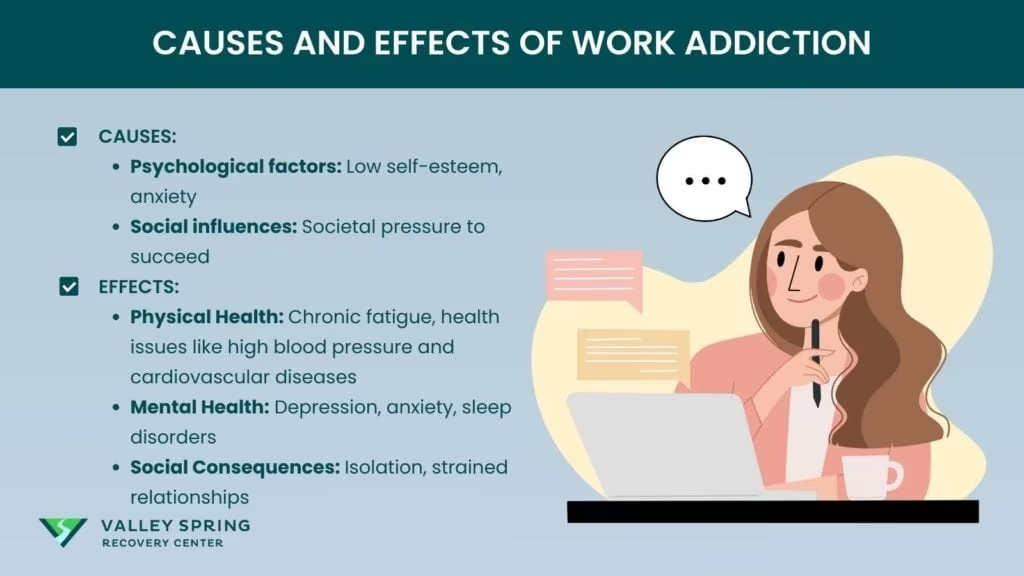
What Are the Effects of Work Addiction?
The effects of work addiction include physical health issues, mental health issues, and social life issues. Work Addiction strains personal relationships, reduces overall life satisfaction, and leads to long-term emotional exhaustion.
The effects of work addiction are:
Effects of Work Addiction on Physical Health
Work addiction not only impacts mental well-being but also takes a significant toll on physical health. Chronic stress and overexertion are associated with compulsive work behaviors. These factors lead to serious long-term health complications.
The physical effects of work addiction are:
- Cardiovascular Issues: Persistent stress from overworking increases blood pressure and strains the heart. It significantly raises the risk of heart disease and other cardiovascular problems.
- Sleep Disorders: Work addiction disrupts normal sleep patterns, leading to insomnia, fatigue, and impaired cognitive function, which further exacerbates stress and reduces overall productivity.
- Weakened Immune System: Constant stress and lack of proper rest compromise immune function, making the body more vulnerable to infections and illnesses, and slowing down recovery from minor health issues.
- Additional Health Risks: Extended periods of overwork contribute to headaches, gastrointestinal problems, and musculoskeletal pain, highlighting the importance of addressing work addiction for overall physical well-being.
Effects of Work Addiction on Mental Health
Work addiction impacts mental well-being, increasing stress and emotional strain. The compulsive need to work excessively leads to anxiety, depression, and social isolation.
The mental health effects of work addiction are:
- Increased Anxiety and Stress: Chronic overworking creates persistent stress and feelings of inadequacy. These effects make individuals anxious even during downtime and heighten overall tension.
- Risk of Depression: The constant pressure to perform perfectly and neglect of personal needs triggers depressive episodes. Depression reduces motivation and overall emotional resilience.
- Sleep Disturbances: Excessive work disrupts sleep patterns, leading to insomnia and poor sleep quality, which worsens both mental and physical health.
- Social Isolation: Workaholics frequently neglect personal relationships. This neglect causes loneliness and social disconnection, which further exacerbates mental health challenges.
- Burnout and Emotional Exhaustion: Compulsive overwork sustains the chronic job stress associated with occupational burnout. Burnout signs include exhaustion, detachment, and reduced professional efficacy, while work addiction centers on a compulsive behavioral pattern.
Effects of Work Addiction on Family and Social Life
Work addiction severely disrupts family and social relationships, creating tension and emotional distance. Excessive focus on work leaves little time or energy for meaningful connections with loved ones.
The social effects of work addiction are:
- Neglect of Family Time: Compulsive work habits reduce the time spent with partners, children, and other family members. This reduction makes family members feel neglected and unimportant.
- Relationship Strain: Persistent work-related stress and absence lead to conflicts, misunderstandings, and weakened emotional bonds within the household.
- Emotional Stress at Home: Family members experience increased stress and frustration due to the workaholic’s unavailability and emotional unresponsiveness.
- Social Isolation: Work addiction limits social interactions outside the family. This limitation reduces opportunities for friendships and community engagement.
- Dysfunctional Family Dynamics: Prolonged work addiction disrupts family functioning. This disruption causes imbalance and contributes to long-term interpersonal difficulties.
How Does Work Addiction Affect Your Brain?
Work addiction affects your brain by impairing executive functions such as planning, attention, problem-solving, initiation, and inhibition of actions. This constant over-engagement with work leads to mental fatigue, reducing cognitive flexibility and decision-making abilities. Over time, it increases susceptibility to stress-related cognitive decline and memory issues. According to a 2021 study titled “Neurobiological Correlates of Work Addiction: A Systematic Review” by Zsolt Demetrovics, Bernadette Kun, Mark D. Griffiths, and Attila Szabo, work addiction impacts the brain’s prefrontal cortex, which is vital for these executive functions.
What are the Treatment For Work Addiction?
The treatments for work addiction include behavioral therapies, medications, residential programs, and support groups. Work addiction treatment involves setting healthy boundaries and managing stress without overworking. Addressing work addiction requires a multifaceted approach. This approach helps individuals regain control of their lives and maintain healthy relationships.
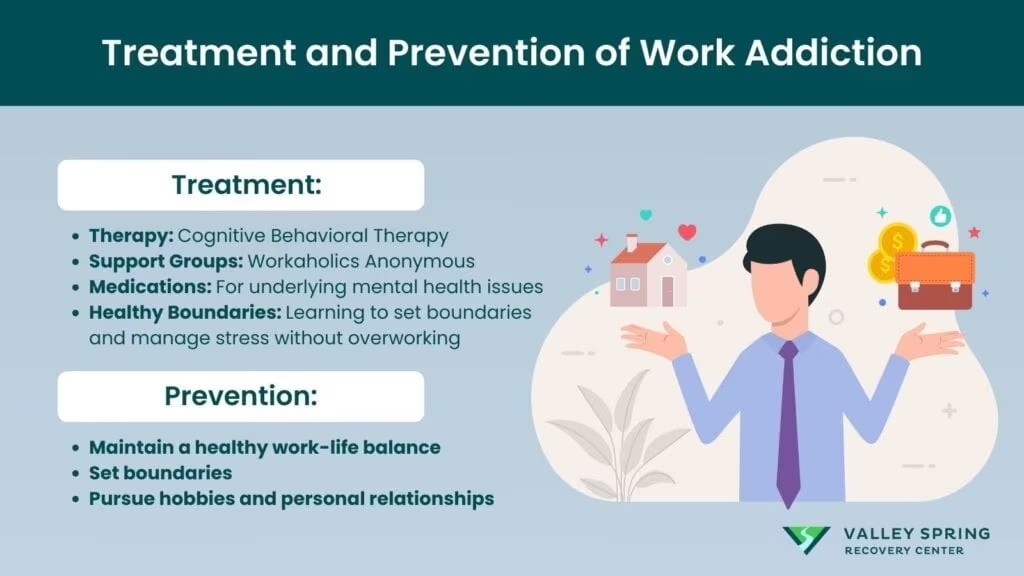
Work addiction treatment options
1. Behavioral Therapies
Behavioral therapies help individuals recognize and change unhealthy work patterns. People develop healthier coping strategies and improve work-life balance. Individual therapy involves one-on-one sessions with a specialized therapist who addresses the primary symptoms of work addiction. Individual therapy also addresses issues such as childhood trauma, substance use, and other mental health disorders. Group therapy consists of sessions where individuals with similar challenges meet under a therapist's supervision. They share experiences and learn coping techniques in a supportive, non-judgmental environment.
2. Medications
Medications manage co-occurring mental health conditions such as anxiety, depression, or insomnia. By addressing these underlying issues, medications help reduce compulsive work behaviors and improve overall well-being. They are usually combined with therapy for more effective and lasting results. Sleep medications and antidepressants help reduce symptoms.
3. Residential Programs
Residential programs provide structured inpatient or outpatient care aimed at reducing compulsive work behaviors. There is limited research specifically supporting their use for work addiction. However, they offer intensive support and monitoring, which is particularly beneficial in severe cases.
4. Support Groups
Support groups such as Workaholics Anonymous offer a 12-step program specifically for work addiction. It provides a platform to share experiences, receive guidance, and gain encouragement from others facing similar challenges.. Support groups are available both online and in person.
Does Work Addiction Trigger Other Disorders?
Yes, work addiction triggers other disorders such as anxiety, depression, and substance abuse. Work addiction contributes to substance abuse and drug addiction. Individuals turn to drugs or alcohol to manage their stress and compulsive behaviors. The relentless pressure to work excessively causes significant anxiety and depression. Addressing work addiction with proper treatment and adopting a balanced lifestyle helps prevent the onset of these related disorders.
How is work addiction diagnosed?
Work addiction is diagnosed through a combination of self-assessment questionnaires and clinical evaluation by mental health professionals. Individuals are assessed based on criteria. These include working to reduce guilt, being told by others to cut down on work, and feeling stressed when unable to work.
Can work addiction be prevented?
Yes, work addiction can be prevented by maintaining a healthy work-life balance and setting boundaries. Regular breaks, pursuing hobbies, and prioritizing personal relationships are important. Promoting a supportive work environment and implementing stress management programs also help prevent work addiction.
What is the difference between work addiction and dedication to one’s job?
The difference between work addiction and dedication to one’s job lies in the balance and control over work habits. Dedication involves a healthy commitment to work while maintaining personal well-being and relationships. In contrast, work addiction is characterized by an inability to disengage from work, leading to negative consequences. Dedication is associated with positive outcomes, whereas work addiction leads to burnout and mental health issues.