Cocaine Addiction: Symptoms, Causes, Effects and Treatment
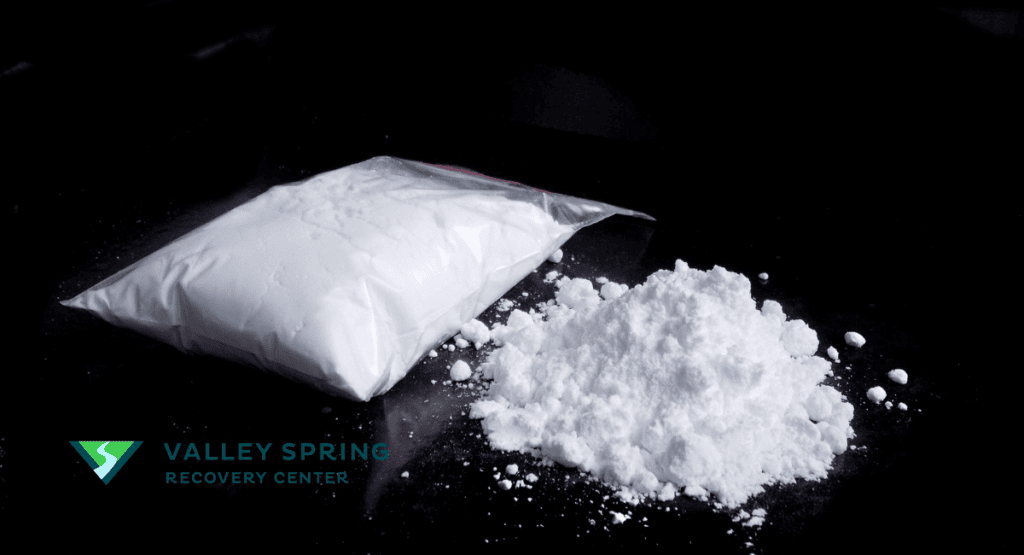
Cocaine addiction is a severe substance use disorder that compels repeated drug use despite harmful physical, psychological, and social consequences. Individuals with cocaine addiction experience intense cravings, loss of control, increased tolerance, and continued use that disrupts relationships, academic performance, and daily functioning. In New Jersey, 4,494 cocaine-related rehab admissions were recorded in 2019, representing five percent of all substance use treatment cases.
Cocaine abuse manifests early and advanced symptoms, including pupil dilation, social withdrawal, financial difficulties, risky behaviors, and withdrawal-related emotional distress. Multiple factors contribute to cocaine addiction, including biological vulnerabilities, mental health conditions, environmental pressures, and developmental influences.
Coke addiction effects span physical, behavioral, and emotional domains, producing cardiovascular strain, erratic behavior, anxiety, and mood instability. Effective treatment for cocaine addiction symptoms includes inpatient and outpatient programs, therapy, medical support, and strong social networks that promote long-term recovery.
What is Cocaine Addiction?
Cocaine addiction is a substance use disorder that involves compulsive and uncontrolled use of cocaine. It includes intense cravings, psychological dependence, increased tolerance, and continued use despite health, legal, and social consequences.
Cocaine creates addictive effects by targeting the brain’s limbic system, which regulates pleasure and motivation. Cocaine use increases dopamine rapidly, which produces intense euphoria and a strong urge to use again, according to Nestler EJ, et al. 2005, titled “The Neurobiology of Cocaine Addiction.” Cocaine is an illegal drug in New Jersey with a high risk of misuse.
Did you know most health insurance plans cover substance use disorder treatment? Check your coverage online now.
What Are The Signs and Symptoms of Cocaine Addiction?
The common signs of cocaine addiction are pupil dilation, nosebleeds, a decrease in appetite, and strong craving. They are grouped into early and advanced cocaine addiction symptoms.
The signs of cocaine use are explained below:
Early Symptoms of Cocaine Addiction
Early symptoms of cocaine addiction include:
- Pupil dilation.
- Frequent sniffling or nosebleeds.
- Increases energy and alertness.
- Decreases appetite.
- Increases talkativeness.
- Leads to social withdrawal.
- Mood swings.
- Unpredictable behavior.
- Financial difficulties.
- Neglect of responsibilities.
Advanced Symptoms of Cocaine Addiction
Advanced signs of cocaine addiction include:
- Increased tolerance.
- People with cocaine addiction spend significant time obtaining, using, or recovering from the drug.
- Cocaine addiction causes neglect of important responsibilities.
- Failed attempts to quit or cut down.
- Strong cravings.
- Continues despite awareness of harmful effects.
- Creates social and occupational problems.
- Cocaine withdrawal produces distressing symptoms.
- Intoxication causes risky behaviors.
- Loss of interest in previous activities.
Contact us today to schedule an initial assessment or to learn more about our services. Whether you are seeking intensive outpatient care or simply need guidance on your drug addiction journey, we are here to help.
What Are The Factors that Contribute to Cocaine Addiction?
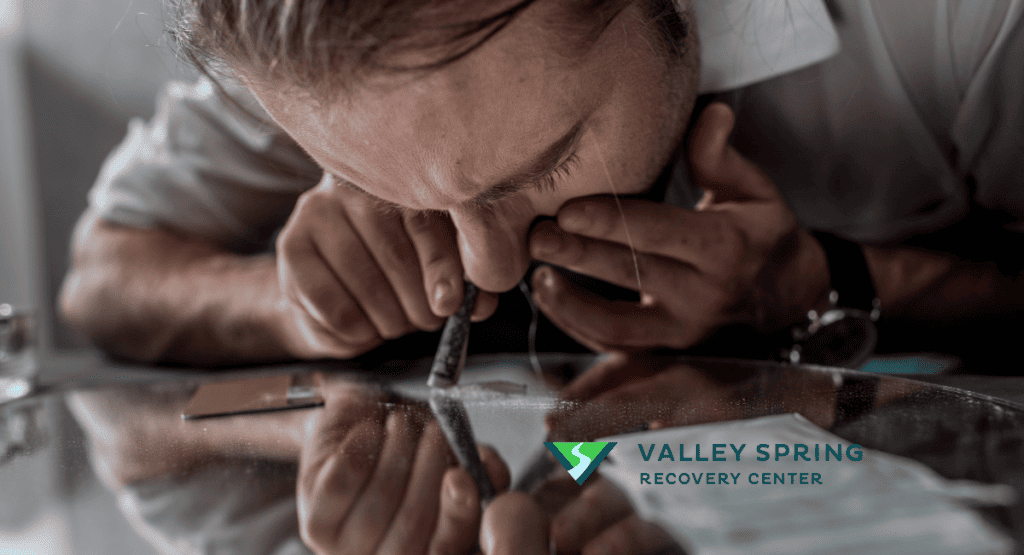
The factors that contribute to cocaine addiction include genetic factors, depression, anxiety, PTSD, and social isolation.
The factors that contribute to cocaine addiction are explained below:
Biological Factors
The biological factors that contribute to cocaine abuse are as follows:
- Genetic factors increase vulnerability to cocaine addiction, especially in families with a history of substance use.
- Cocaine increases dopamine levels in the brain’s reward system and creates pleasure. Repeated exposure disrupts this system and produces addiction.
- Neurobiological differences in brain structure influence response to cocaine and intensify euphoria, raising addiction risk.
Psychological Factors
The psychological factors that contribute to cocaine addiction are as follows:
- Mental health conditions such as depression, anxiety, or PTSD increase the likelihood of cocaine use for self-medication. Cocaine temporarily reduces symptoms but leads to dependence.
- Personality traits like impulsivity, sensation-seeking, and low self-control raise the risk of cocaine addiction.
Rediscover Life at Valley Spring Recovery Center
Get the compassionate support you deserve. We're here to help you reclaim joy, wellness, and a brighter future.
Verify Benefits
Environmental Factors
The environmental factors that contribute to cocaine addiction are as follows:
- Peer pressure encourages cocaine use and increases addiction risk.
- Stress or trauma drives individuals toward cocaine for relief and fosters dependence.
- Easy access to cocaine and exposure to drug-prevalent environments raise the likelihood of addiction.
Developmental Factors
The developmental factors that contribute to cocaine addiction are as follows:
- Early cocaine use during adolescence increases addiction risk because the brain is still developing.
- Chronic cocaine use creates tolerance and dependence, which progress to addiction.
Social and Cultural Factors
The social and cultural factors that contribute to cocaine addiction are as follows:
- Viewing cocaine as harmless or socially acceptable encourages frequent use and raises addiction risk.
- Poverty, unemployment, and lack of education increase vulnerability to cocaine addiction.

Are you covered for treatment?


Valley Spring Recovery Center is an approved provider for Blue Cross Blue Shield and Cigna, while also accepting many other major insurance carriers.
Check Coverage Now!What Are The Effects Of Cocaine Addiction?
Cocaine addiction creates serious physical, behavioral, and emotional effects. The drug increases metabolism, heart rate, and blood pressure. It produces euphoria, energy, and intense cravings. Continued use of cocaine disrupts mental health, damages the body, and harms relationships, responsibilities, and daily functioning.
The effects of cocaine addiction are as follows:
Physical Effects
The physical effects of cocaine addiction are as follows:
- Cocaine dilates pupils and raises blood pressure.
- Frequent nosebleeds, a runny nose, or nasal damage appear with snorting.
- Weight loss and loss of appetite are common.
- Smoking crack cocaine creates burns or blisters on the lips and fingers.
- Injection leaves track marks and increases infection risk.
- Long-term use contributes to dental problems known as “cocaine mouth.”
- Users develop tremors, muscle twitches, restlessness, and hyperactivity.
Behavioral Effects
The behavioral effects of cocaine addiction are as follows:
- Cocaine addiction creates impulsive and erratic behavior.
- Mood swings and secrecy increase.
- Users neglect responsibilities at work, school, or home.
- Social withdrawal and isolation replace healthy relationships.
- Financial problems arise from spending on cocaine.
- Risky behaviors occur to obtain or use the drug.
- Legal problems follow repeated cocaine use.
Did you know most health insurance plans cover substance use disorder treatment? Check your coverage online now.
Emotional Effects
The emotional effects of cocaine addiction are as follows:
- Cocaine triggers anxiety, paranoia, and agitation.
- Irritability and depression develop with frequent use.
- Mood swings and emotional instability worsen over time.
- Users experience numbness, detachment, or unpredictable reactions.
- Cocaine produces intense euphoria followed by severe emotional crashes.
What Withdrawal Challenges Are Associated With Cocaine Dependence?
The withdrawal challenges associated with cocaine dependence include intense cravings, emotional distress (depression, anxiety, irritability, paranoia), severe fatigue, anhedonia, and disrupted sleep patterns.
Individuals struggling with cocaine addiction experience physical symptoms like headaches, muscle pain, chills, and tremors. Cocaine withdrawal triggers crashes, where users rapidly shift from euphoria to deep depression, perpetuating the cycle of addiction, and in severe cases.
How Common Is Cocaine Addiction?
Cocaine addiction is common worldwide. In the United States, about 5.5 million people aged 12 or older reported using cocaine in the past year, according to the 2019 National Survey on Drug Use and Health. In 2021, about 996,000 individuals reported past-year use of crack cocaine, while approximately 1 million people received treatment for cocaine use disorder during the same year.
In 2019, New Jersey reported 4,494 rehab admissions related to cocaine, representing about five percent of all substance use treatment cases. Coke addiction contributes to a significant number of overdose deaths each year. The CDC reported more than 15,800 cocaine-involved overdose deaths in 2019, underscoring the drug’s severe health impact.
Relapse rates also remain high, making long-term recovery difficult despite access to therapy and rehab programs. Cocaine abuse is more common among young adults between the ages of 18 and 25, with males and urban residents reporting higher usage compared to other groups.
Spring Valley Recovery Is Only One Phonecall Away
Contact us today to schedule an initial assessment or to learn more about our services. Whether you are seeking intensive outpatient care or simply need guidance on your drug addiction journey, we are here to help.
What Are The Treatment Options For Cocaine Addiction?

Treatment options for cocaine addiction encompass a range of evidence-based approaches designed to address the physical, psychological, and social aspects of addiction, offering hope and support for individuals on their journey to recovery.
Common treatment options for cocaine addiction are as follows:
Inpatient Treatment Programs
Inpatient treatment for cocaine addiction begins with medically supervised detoxification to manage withdrawal symptoms such as depression, anxiety, irritability, and paranoia. Patients then remain in a residential facility for several weeks or months, depending on individual needs.
Within the residential setting, cocaine addicts participate in therapies such as cognitive-behavioral therapy, contingency management, and motivational enhancement therapy. Medical and psychological support is available to address co-occurring conditions, while the structured environment reduces exposure to triggers.
Peer support and educational sessions during inpatient treatment programs further help patients develop relapse-prevention strategies and build community connections.
Outpatient Treatment Programs
Outpatient treatment offers a more flexible option for individuals who do not require residential care. Patients attend scheduled therapy and counseling sessions while continuing to live at home or in a supportive environment.
These outpatient programs provide individual and group therapy, medication management when appropriate, and education about addiction and relapse prevention. Family involvement is encouraged during cocaine dependence treatment to strengthen support systems and address relationship challenges.
The flexibility of outpatient care allows participants to maintain work, school, or family responsibilities while receiving treatment for cocaine addiction symptoms.
Rediscover Life at Valley Spring Recovery Center
Get the compassionate support you deserve. We're here to help you reclaim joy, wellness, and a brighter future.
Verify BenefitsSupport Systems
Support systems play a critical role in helping individuals recover from cocaine addiction. Emotional support from family, friends, or groups provides a safe outlet for feelings of fear, stress, and isolation. Accountability within these networks motivates individuals to stay on track with recovery goals.
Encouragement reinforces confidence, while access to resources ensures informed treatment decisions. Support systems also help prevent relapse by identifying triggers and offering timely assistance. Support groups make it easier for cocaine addicts to seek professional help and continue treatment by reducing stigma.
Long-term recovery from cocaine abuse symptoms depends heavily on ongoing connections, which sustain sobriety and promote lasting positive change.
How Does Cocaine Addiction Affect Students’ Academic Performance And Mental Health?
Cocaine addiction affects students’ academic performance and mental health by disrupting focus, memory, and decision-making, which lowers grades and increases academic failure. Coke addiction alters brain chemistry and creates dependence, which heightens stress, anxiety, and depression.
Students struggling with cocaine addiction withdraw socially, neglect responsibilities, and experience erratic moods. This damages mental stability and reduces motivation for learning.
Does Insurance Cover Cocaine Addiction Treatment?
Yes, insurance covers cocaine addiction treatment. Depending on the plan and level of care, insurance includes inpatient, outpatient, and residential programs. Most major insurers provide coverage for detoxification, therapy, and medication-assisted treatment. Patients should confirm coverage details with their insurer and the treatment facility to ensure benefits apply.
Share This Post

Kristie Ashe
All author posts
Our Therapuetic Recovery Programs
Are you covered for treatment?






Valley Spring Recovery Center is an approved provider for Blue Shield of California and Cigna, while also accepting many other major insurance carriers.
Check Coverage Now!