Hashish Addiction: Symptoms, Causes, Effects and Treatment
Hashish addiction is a growing concern, affecting both physical and mental well-being. According to a study by the Substance Abuse and Mental Health Services Administration (SAMHSA), approximately 9.9 million people in the United States used hashish or other forms of cannabis in 2020.
Symptoms of hashish addiction include behavioral changes, physical dependence, including euphoria, anxiety, hallucinations, red eyes, dry mouth, increased appetite, impaired coordination, cognitive impairments, tolerance, and psychological dependence.
The causes of hashish addiction are genetic predisposition, environmental factors, early use, mental health disorders, peer influence, reinforcing effects, and poor coping skills.
The effects of hashish addiction include respiratory issues, cognitive impairments, and a decline in overall quality of life.
Effective treatment options for hashish addiction involve behavioral therapies, support groups, rehab programs, and sometimes medications to reduce cravings and withdrawal symptoms.
What is Hashish Addiction?
Hashish addiction is a substance use disorder characterized by the compulsive use of hash despite negative consequences and inability to stop. Hashish, a concentrated cannabis product containing high levels of THC, creates psychological and sometimes physical dependence through its interaction with brain reward systems.
Did you know most health insurance plans cover substance use disorder treatment? Check your coverage online now.
What is Hashish?
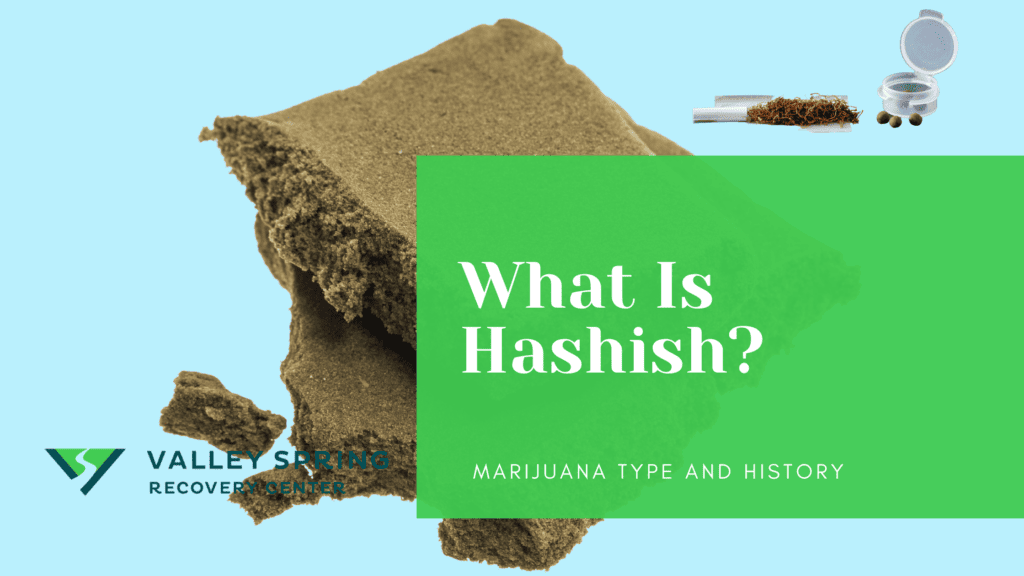
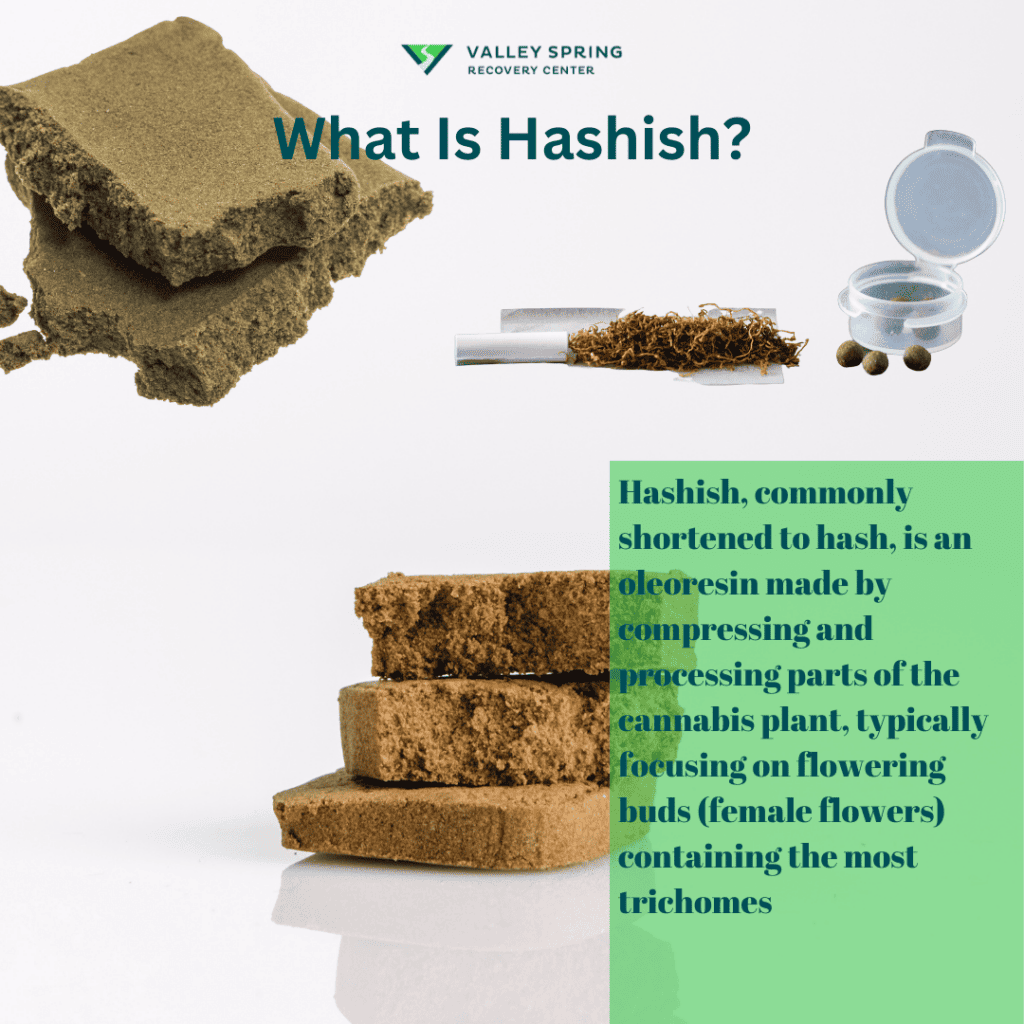
Hashish is a cannabis-derived product created by separating resin from cannabis flowers and compressing it into a solid form. Also called “hash,” it contains a high concentration of THC (tetrahydrocannabinol), the psychoactive compound responsible for producing a “high.” Users smoke, vaporize, or ingest hashish, sometimes mixing it with tobacco or cannabis flower for consumption.
Hashish has recreational and medicinal applications, but its concentrated THC content increases the risk of addiction. High THC levels lead to tolerance, prompting individuals to consume larger amounts to achieve the same effects. Repeated use results in psychological dependence, withdrawal symptoms such as irritability and insomnia, and may require professional treatment. Responsible use and awareness of these risks are essential.
Why is Hashish Addictive?
Hashish is addictive due to the presence of THC, which stimulates the brain’s reward system and produces pleasurable sensations. Continued use increases tolerance, requiring higher doses for the same effect. Individuals develop psychological dependence as they rely on hashish to manage emotions or enhance experiences. Withdrawal symptoms and changes in brain function reinforce addictive behavior.
How Does Hashish Affect the Brain?
Hashish affects the brain primarily through THC, its active psychoactive compound. THC enters the bloodstream, crosses the blood-brain barrier, and binds to cannabinoid receptors in the brain. This binding alters mood, perception, and cognition. Repeated exposure changes brain signaling pathways, contributing to tolerance, dependence, and potential addiction. Here are some ways in which hashish affects the brain:
- Endocannabinoid system modulation
- Altered neurotransmitter activity
- Impaired cognitive function
- Pleasure and reward
- Mood and emotions
- Disrupted brain development
Contact us today to schedule an initial assessment or to learn more about our services. Whether you are seeking intensive outpatient care or simply need guidance on your drug addiction journey, we are here to help.
Which Is More Addictive, Hashish And Marijuana?
Hashish is generally more addictive than marijuana due to its higher THC concentration. The concentrated nature of hashish increases the risk of tolerance and psychological dependence compared to regular cannabis flower. Marijuana still carries addictive potential, but hashish’s potency makes it more likely to lead to compulsive use.
What Are the Signs and Symptoms of Using Hashish?
The signs and symptoms of using hashish include both psychological and physical effects. Psychologically, users experience euphoria, heightened sensory perception, relaxation, increased creativity, and sociability. At the same time, negative effects such as anxiety, paranoia, hallucinations, and delusional thinking are reported.
The physical signs of hashish use include red eyes, dry mouth, increased appetite, and impaired motor coordination. These effects make tasks such as driving dangerous. Long-term use results in respiratory issues when hashish is smoked. Due to its potency, the effects of hashish are stronger and more intense than those of regular cannabis.
What Are The Different Forms Of Hashish?
The different forms of hashish include Lebanese Hash, Afghani Hash, Moroccan Hash, Nepalese Hash, Charas, Bubble Hash, Rosin Hash, CO2 Hash, and BHO (Butane Hash Oil).
Here are the different types of hashish listed below:
- Lebanese Hash: Originates from Lebanon, reddish-brown, made from mature plants, known for smooth texture and aromatic flavor.
- Afghani Hash: Dark and pliable, black exterior with greenish-brown inside, high potency, used medicinally.
- Moroccan Hash: Light green to golden, crumbly and less oily, with a spicy, herbal aroma.
- Nepalese Hash: Dark brown, extremely sticky, hand-rolled into balls or sticks, potent cerebral effects.
- Charas: Hand-rolled in India and Nepal, made by rubbing fresh cannabis flowers to collect resin.
- Bubble Hash: Extracted using ice water to separate trichomes, dark brown, crumbly, solvent-free.
- Rosin Hash: Made with heat and pressure on flowers or traditional hash, amber color, sticky consistency.
- CO2 Hash: Produced with carbon dioxide under high pressure, clean, potent, and used medically.
- BHO (Butane Hash Oil): Extracted with butane, highly potent, comes as shatter, wax, or crumble.
Rediscover Life at Valley Spring Recovery Center
Get the compassionate support you deserve. We're here to help you reclaim joy, wellness, and a brighter future.
Verify Benefits
How is Hashish Consumed?
Hashish is consumed by smoking, vaporizing, or ingesting. It can be smoked alone, mixed with tobacco, or added to a joint or pipe with cannabis flower. Vaporizing offers a cleaner experience, free from combustion byproducts.
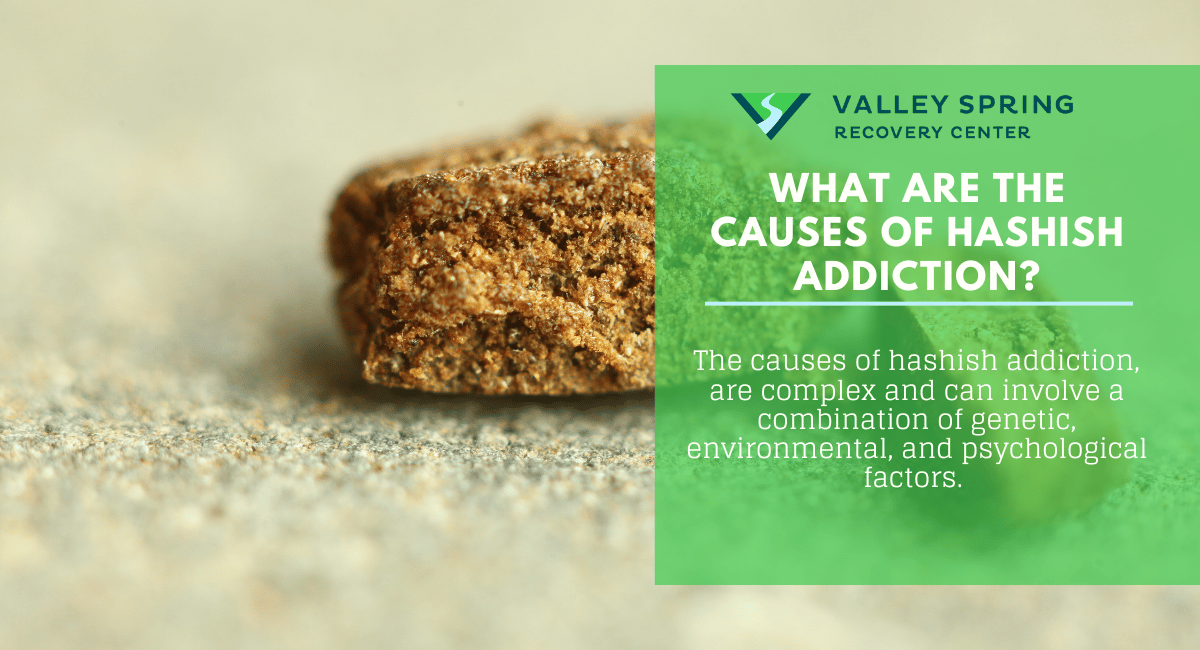
What Are The Causes of Hashish Addiction?
The causes of hashish addiction involve a combination of genetic, environmental, and psychological factors. Although cannabis and its by-products are generally less addictive than opiates, cocaine, or meth, hashish use leads to addiction through the following factors:
- Genetic Predisposition: Some individuals have a genetic vulnerability to developing addiction. Certain genetic variations influence how the brain responds to cannabinoids, increasing susceptibility to hashish’s addictive effects.
- Environmental Factors: The environment in which a person grows up and lives plays a role in addiction development. Peer influence, societal norms around drug use, accessibility of hashish, and exposure to stress or trauma contribute to initiating and maintaining hashish use.
- Early Initiation: Early and frequent exposure to hashish during adolescence, when the brain is still developing, increases the risk of addiction. The brain’s reward system is particularly sensitive, making it more responsive to the effects of substances like hashish.
- Co-occurring Mental Health Disorders: Individuals with depression, anxiety disorders, or attention-deficit hyperactivity disorder (ADHD) often use hashish as a way to self-medicate. This increases the likelihood of developing an addiction.
- Peer Influence: Friends, peers, and social networks influence the initiation and continuation of hashish use. The desire to fit in or be accepted by a group encourages experimentation and sustained consumption.
- Reinforcing Effects: Hashish produces pleasurable effects, such as euphoria and relaxation, which strengthen continued use. Activation of the brain’s reward system through dopamine release reinforces the cycle of consumption.
- Lack of Coping Mechanisms: Individuals without healthy strategies to handle stress, trauma, or emotional difficulties turn to hashish to escape or alleviate negative emotions. Over time, this coping strategy develops into addiction.
What Are The Effects of Using Hashish?
The effects of Hashish include pain relief, euphoria, dry mouth, anxiety, altered time perception, tolerance development, and the chance of addiction development.
The effects of Hash are listed below:
Physical Effects
- Euphoria and Relaxation: Euphoria and relaxation result from the interaction of THC with the endocannabinoid system.
- Pain Relief: Pain relief provides therapeutic benefits for conditions like chronic pain, migraines, and muscle spasms.
- Increased Appetite: Increased appetite makes it useful for people with anorexia or appetite disorders.
- Dry Mouth and Eyes: Dry mouth and red eyes are common short-term side effects.
- Coordination and Reaction Time: Hashish can impair motor skills and reaction time, making activities like driving dangerous when under its influence.
Psychological Effects
- Enhanced Sensory Perception: Enhanced sensory perception makes colors, sounds, and emotions feel more intense.
- Altered Time Perception: Altered time perception creates a sensation of slowed time.
- Anxiety and Paranoia: Anxiety and paranoia emerge with high doses or highly potent hashish.
- Cognitive Impairment: Cognitive impairment affects memory and concentration, though these effects are temporary.
Long-Term Effects
- Tolerance: Regular use leads to increased tolerance, requiring more of the substance to achieve the same effects.
- Psychological Dependence: Psychological dependence forms when individuals rely on hashish to manage emotions or experiences.
- Potential for Addiction: Addiction potential increases with frequent use of high-potency hashish.
Are you covered for treatment?


Valley Spring Recovery Center is an approved provider for Blue Cross Blue Shield and Cigna, while also accepting many other major insurance carriers.
Check Coverage Now!Can Hashish Be Used Medicinally?
Yes, like other forms of cannabis, hashish has medicinal properties and is used to treat conditions such as chronic pain, nausea, and anxiety. However, it is essential to consult with a healthcare provider for proper diagnosis and treatment.
Is Hashish Legal?
Yes, hashish can be legal in some places. It is classified similarly to other forms of cannabis and is subject to the same legal restrictions. Always check the laws in your area before possessing or using hashish.
How is Hashish Made?
Hashish is made by separating the resin glands, called trichomes, from the cannabis plant. The trichomes are compressed into forms such as balls or bricks. Traditional methods use screens or cloths to sift the trichomes, while modern methods include solvent or solventless extraction techniques.
Did you know most health insurance plans cover substance use disorder treatment? Check your coverage online now.
What is the Difference Between Hashish and Marijuana?
The difference between Hashish and Marijuana is primarily in their form and composition, THC concentration, and resulting potency and effects. Marijuana is the dried plant material with lower THC content, whereas hashish is a concentrated resin with a much higher concentration of cannabinoids.
Here are the key differences between Hashish and Marijuana:
| Aspect | Marijuana | Hashish |
| Form and Composition | Dried leaves, flowers, stems, and seeds of the Cannabis sativa or Cannabis indica plant | Concentrated resin from cannabis flowers is compressed into a solid or paste-like substance |
| THC Content | Lower concentration (0.5-5% THC) | Higher concentration (2-20% THC, some estimates up to 50%) |
| Potency | Produces milder psychoactive effects due to lower THC content | Creates stronger psychoactive effects due to concentrated THC |
| Effects | Used for recreational and medicinal purposes, including pain relief, anxiety reduction, and appetite stimulation | More intense recreational experiences and potentially stronger medicinal benefits for conditions requiring higher THC doses |
| Methods of Consumption | Smoked in joints or pipes, vaporized, or used in edibles | Smoked (often mixed with tobacco or marijuana flower), vaporized, used in edibles, or traditional dishes |
| Appearance | Green plant material with visible leaves and buds | Brown, compressed sticky substance in various forms like balls, cakes, or sheets |
| Production | Direct drying and processing of plant material | Extraction and compression of resinous material from cannabis buds |
| Legal Classification | Schedule I substance under the Controlled Substances Act | Schedule I substance under the Controlled Substances Act |
What is the history of Hashish?
The history of hashish is complex and multifaceted. The use of cannabis for its medicinal properties dates back to the Neolithic period, around 4000 BCE. Hashish consumption likely began later in Persia and Central Asia, particularly in Iran, Afghanistan, and surrounding countries. Initially, hashish served as incense, similar to frankincense and myrrh, used in medicine and religious ceremonies.
The earliest form of hashish, known as Charas, was made by rubbing cannabis plants. With agriculture’s advent around 9000 BCE in India, woven sieves were developed to separate cannabis resin from the plant, leading to the creation of hash.
The term “hashish” first appeared in a pamphlet in Cairo in 1123 CE, linking it to Nizari Muslims. Hashish has a long history in countries like Afghanistan, Morocco, and India, arriving in Europe in the 18th century and gaining popularity in the United States following legal changes.
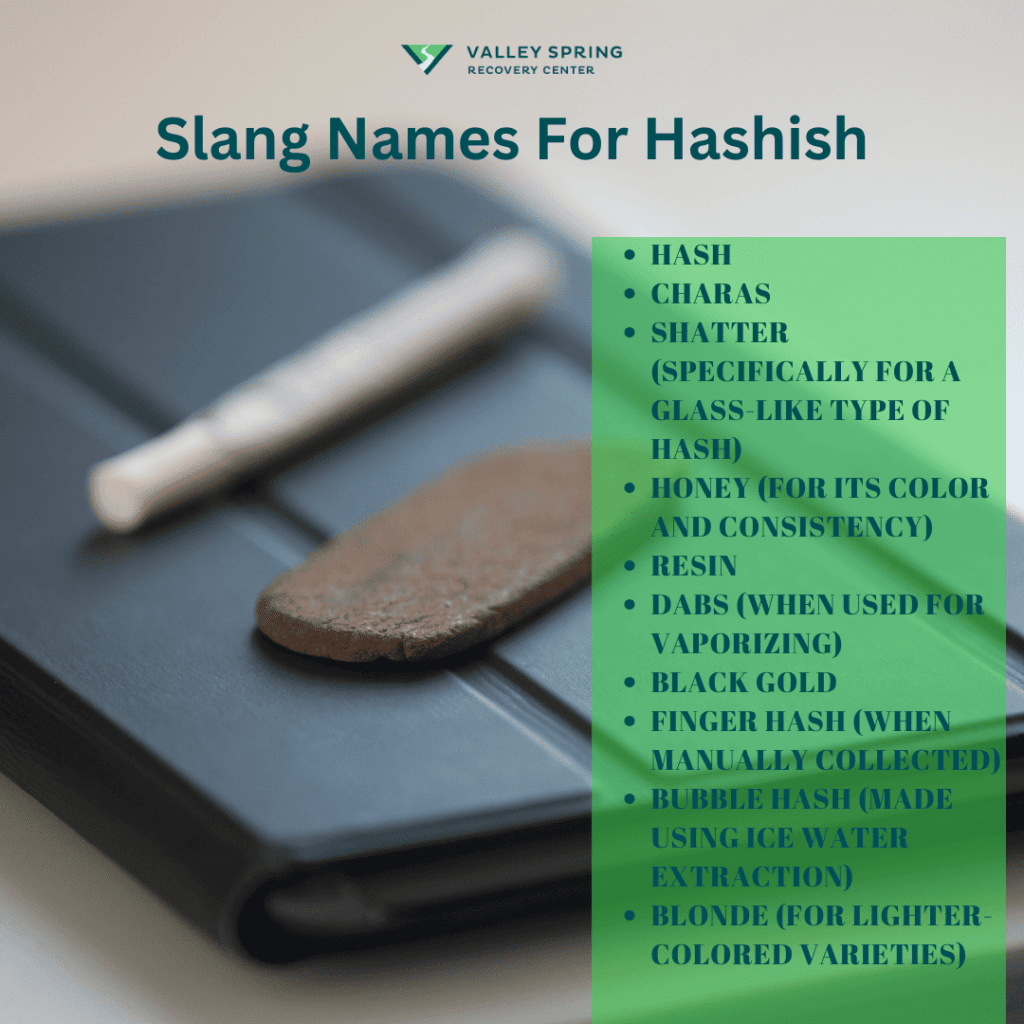
What Are Slang Names for Hashish?
Common slang names for hashish include:
- Hash
- Charas
- Shatter (specifically for a glass-like type of hash)
- Honey (for its color and consistency)
- Resin
- Dabs (when used for vaporizing)
- Black Gold
- Finger Hash (when manually collected)
- Bubble Hash (made using ice water extraction)
- Blonde (for lighter-colored varieties)
Contact us today to schedule an initial assessment or to learn more about our services. Whether you are seeking intensive outpatient care or simply need guidance on your drug addiction journey, we are here to help.
Can Hashish Be Detected in Drug Tests?
Yes, hashish can be detected in drug tests because it contains THC, which is commonly screened for. The detection window varies based on factors such as frequency of use and the type of test administered.
What Are The Treatment Options For Hashish Addiction?
Treatment for hashish addiction includes behavioral therapies, such as Cognitive Behavioral Therapy, Motivational Enhancement Therapy, and Contingency Management, which help individuals recognize triggers and build healthier habits. Support groups and 12-step programs improve motivation and create ongoing accountability, while outpatient or residential rehab provides structured care based on the severity of the addiction. In some cases, medications like naltrexone and certain antidepressants reduce cravings or address withdrawal symptoms, with aftercare and family involvement supporting lasting recovery and relapse prevention.
Can Hasish Addiction Be Treated In Outpatient Rehab?
Yes, hashish addiction can be treated in outpatient rehab. Outpatient treatments using Cognitive Behavioral Therapy, Motivational Enhancement Therapy, and Contingency Management successfully reduce hashish use and improve abstinence rates. These programs allow individuals to maintain work and family responsibilities while receiving structured care through individual counseling and group therapy.
Outpatient treatment is particularly effective for those with stable living environments and strong support systems, offering flexibility while providing the therapeutic interventions needed for recovery.
Share This Post

Kristie Ashe
All author posts
Our Therapuetic Recovery Programs
Are you covered for treatment?







Valley Spring Recovery Center is an approved provider for Blue Shield of California and Cigna, while also accepting many other major insurance carriers.
Check Coverage Now!