Hydrocodone Addiction: Symptoms, Causes, Effects and Treatment
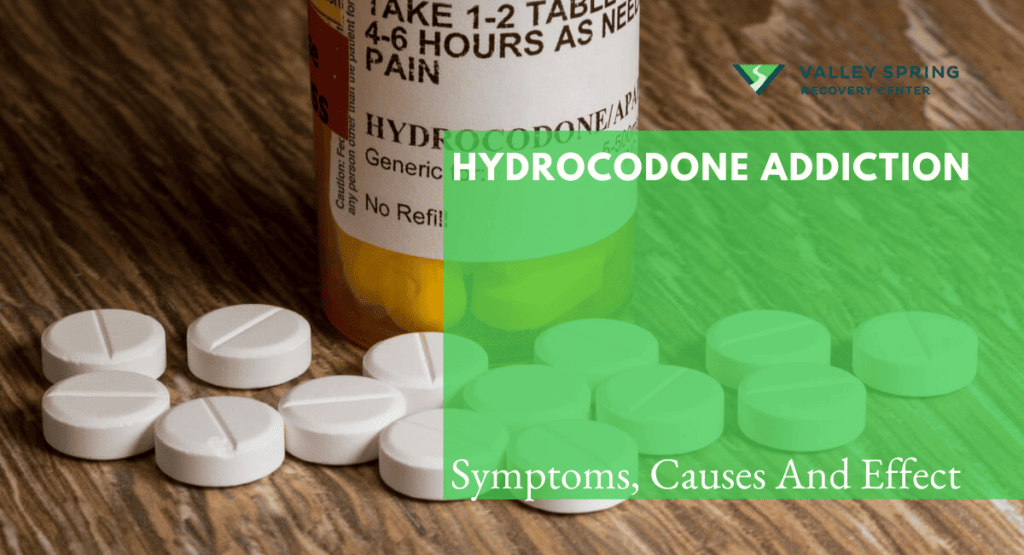
Hydrocodone addiction is an uncontrollable compulsion to use hydrocodone, a prescribed opioid pain reliever, despite harmful physical, psychological, and social consequences.
1.5 million people used a prescription pain reliever in 2015.
2016 National Survey on Drug Use and Health
Signs and symptoms of hydrocodone addiction begin with increased tolerance and cravings, followed by a growing inability to control use, neglect of daily duties, emotional instability, social withdrawal, and persistent use despite harmful effects.
Causes of hydrocodone addiction include genetic vulnerability, environmental exposure, psychological conditions, medical overprescribing, previous substance abuse, rewarding drug effects, chronic pain, and stress-related coping challenges.
Hydrocodone addiction leads to impaired judgment, emotional instability, social withdrawal, physical dependence, causing tolerance, and severe withdrawal symptoms, while also increasing the risk of respiratory problems, overdose, and long-term health complications.

What is Hydrocodone Addiction?
Hydrocodone addiction is a chronic opioid use disorder characterized by compulsive hydrocodone seeking and use, impaired control over intake, continued use despite harm, and physiological dependence evidenced by tolerance and withdrawal.
Did you know most health insurance plans cover substance use disorder treatment? Check your coverage online now.
What are the Signs and Symptoms of Hydrocodone Addiction?
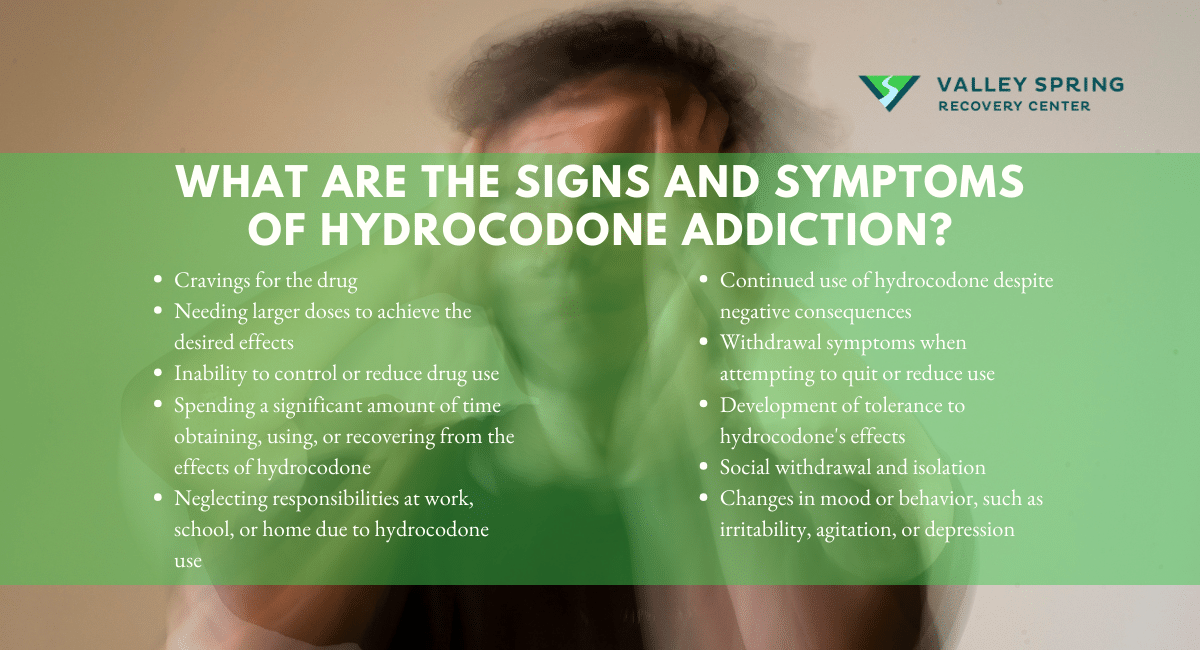
Signs and symptoms of hydrocodone addiction include cravings for the drug, needing larger doses to achieve the same effect, loss of control over use, spending substantial time obtaining or using hydrocodone, and mood changes such as irritability or depression. For more details, see the table below.
Here are the common signs and symptoms of Hydrocodone addiction:
- Cravings for the drug
- Needing larger doses to achieve the desired effects
- Inability to control or reduce drug use
- Spending a significant amount of time obtaining, using, or recovering from the effects of hydrocodone
- Neglecting responsibilities at work, school, or home due to hydrocodone use
- Continued use of hydrocodone despite negative consequences
- Withdrawal symptoms when attempting to quit or reduce use
- Development of tolerance to hydrocodone’s effects
- Social withdrawal and isolation
- Changes in mood or behavior, such as irritability, agitation, or depression
Experiencing one or more of these symptoms does not necessarily indicate an addiction, but if you or someone you know is exhibiting these signs, it is important to seek professional help for further assessment and guidance.
What are the Causes of Hydrocodone Addiction?
The causes of hydrocodone addiction are biological factors, environmental and cultural influences, psychological factors, prescribing practices, a history of substance use, the drug’s rewarding effects, co-occurring mental health conditions, chronic pain management issues, and stress coping challenges.
Some potential causes and contributing factors to hydrocodone addiction include:
1. Biological Factors
Genetic predisposition can influence an individual’s susceptibility to addiction. Some individuals may have genetic variations that affect the way their brain responds to hydrocodone, making them more vulnerable to developing addiction.
Additionally, individual differences in brain chemistry and physiology can impact how hydrocodone interacts with the brain’s reward system and neurotransmitter pathways. For example, certain individuals may experience a heightened release of dopamine, a neurotransmitter associated with pleasurable feelings, in response to hydrocodone use, leading to a stronger reinforcing effect.
Moreover, factors such as age, gender, and overall physical health can influence how the body processes and metabolizes hydrocodone, potentially impacting its addictive potential. The interplay of these biological factors contributes to the individual variability in susceptibility to hydrocodone addiction.
Contact us today to schedule an initial assessment or to learn more about our services. Whether you are seeking intensive outpatient care or simply need guidance on your drug addiction journey, we are here to help.
2. Environmental, Social, and Cultural Factors
Individuals who reside in communities with high rates of drug availability or have easy access to prescription medications may be more likely to engage in hydrocodone misuse. Social factors, such as peer influence and social norms, can also influence hydrocodone use. If someone’s social circle includes individuals who misuse or abuse drugs, they may be more likely to experiment with hydrocodone or develop addiction.
Cultural factors like societal attitudes towards drug use and the normalization of prescription medications, can impact the perception and acceptance of hydrocodone use. Additionally, socio-economic factors, stressors, and lack of supportive resources or treatment options can contribute to the development and maintenance of hydrocodone addiction within specific communities or populations.
3. Psychological Factors
Individuals with certain psychological characteristics or conditions may be more susceptible to addiction. For example, individuals with untreated or poorly managed mental health disorders, such as anxiety, depression, or post-traumatic stress disorder (PTSD), may be at a higher risk. They may turn to hydrocodone as a means of self-medication to alleviate emotional distress or to cope with underlying psychological issues.
4. Prescription Practices
Overprescribing or inappropriate prescribing of hydrocodone can contribute to the development of addiction. Individuals who receive higher doses or longer durations of hydrocodone treatment may be at a higher risk.
Rediscover Life at Valley Spring Recovery Center
Get the compassionate support you deserve. We're here to help you reclaim joy, wellness, and a brighter future.
Verify Benefits
5. Previous Substance Abuse
Previous substance abuse can increase the risk of hydrocodone addiction. Individuals who have a history of substance abuse, whether it involves alcohol, opioids, or other drugs, may be more vulnerable to developing addiction to hydrocodone. The brain’s reward system can become sensitized through previous substance abuse, making individuals more prone to seeking out and responding to the pleasurable effects of hydrocodone.
6. Reinforcing Effects
Hydrocodone can produce pleasurable and rewarding effects, such as pain relief and feelings of euphoria. These effects activate the brain’s reward system, leading to a desire for repeated use of the drug. Over time, the brain adapts to the presence of hydrocodone, and individuals may require higher doses to achieve the same desired effects. This cycle of reinforcement can lead to a pattern of compulsive drug-seeking behavior, where individuals continue to use hydrocodone despite negative consequences.
7. Co-occurring Disorders
Individuals with co-occurring mental health disorders, such as anxiety, depression, or post-traumatic stress disorder (PTSD), may be at a higher risk of developing hydrocodone addiction. Some individuals may use hydrocodone as a form of self-medication to cope with underlying emotional or psychological issues.
Are you covered for treatment?


Valley Spring Recovery Center is an approved provider for Blue Cross Blue Shield and Cigna, while also accepting many other major insurance carriers.
Check Coverage Now!8. Chronic Pain Management
Hydrocodone is commonly prescribed for the management of chronic pain. Individuals who experience chronic pain conditions may be at a higher risk of developing hydrocodone addiction due to long-term exposure to the medication and the challenges associated with managing pain effectively.
9. Stress and Coping Mechanisms
High levels of stress and inadequate coping mechanisms can contribute to the misuse of hydrocodone as a means of escape or self-medication. Hydrocodone’s ability to induce feelings of relaxation and euphoria may provide temporary relief from stress or emotional discomfort.
It’s important to recognize that addiction is a complex interplay of multiple factors, and the specific causes can vary from person to person. Additionally, while these factors can contribute to the development of hydrocodone addiction, not everyone exposed to them will develop an addiction. Individual susceptibility and personal circumstances also play a significant role.
Why Do People Consume Hydrocodone?
People consume hydrocodone for legitimate medical reasons as prescribed by a healthcare professional. Hydrocodone is primarily used to relieve moderate to severe pain, such as pain following surgery or due to chronic conditions like cancer.
However, it’s important to note that some individuals may misuse hydrocodone for non-medical purposes. Opioids, including hydrocodone, can produce feelings of euphoria and relaxation, which can be appealing to some individuals seeking to experience a “high” or alleviate emotional distress. Misuse of hydrocodone involves taking it in higher doses or more frequently than prescribed, without a legitimate medical need.
Unfortunately, the pleasurable effects of hydrocodone can also lead to misuse, dependence, and addiction. It is crucial to use hydrocodone only as prescribed and under the supervision of a healthcare professional to minimize the risk of developing an addiction or experiencing harmful side effects.
Did you know most health insurance plans cover substance use disorder treatment? Check your coverage online now.
How Do People Consume Hydrocodone?
Hydrocodone is typically consumed orally in the form of tablets or capsules. It is often combined with other medications, such as acetaminophen, and marketed under various brand names.
When prescribed by a healthcare professional, the specific dosage and frequency of hydrocodone consumption will be determined based on the individual’s condition and pain management needs.
Hydrocodone should be taken with a full glass of water. It can be taken with or without food, although taking it with food may help reduce stomach discomfort.
Some individuals who use Hydrocodone illegally may dissolve the drug and inject with. This method is very rare and carries more risks for complications, including infections, vein damage, tissue damage, blood-borne diseases, and overdose.
What is the Difference Between Hydrocodone and OxyContin (Oxycodone)?
Hydrocodone and OxyContin (oxycodone) are both opioids used for pain management, but there are differences between them, including their strength and potential for addiction.
1. Potency
OxyContin (oxycodone) is generally considered to be more potent than hydrocodone. It is available in various strengths, including higher-dose formulations, whereas hydrocodone is typically available in lower strengths.
2. Formulation
OxyContin is an extended-release formulation of oxycodone. It is designed to provide long-lasting pain relief over a sustained period. Hydrocodone, on the other hand, is usually available in immediate-release formulations that provide more immediate pain relief but with a shorter duration of action.
3. Schedule Classification
OxyContin and hydrocodone are classified differently under the Controlled Substances Act in the United States. OxyContin is classified as a Schedule II controlled substance, indicating a high potential for abuse and addiction. Hydrocodone, in most cases, is classified as a Schedule II or Schedule III controlled substance, depending on the specific formulation and combination with other substances.
4. Addiction Potential
Both hydrocodone and OxyContin have a significant potential for addiction. Prolonged or excessive use of either drug can lead to physical and psychological dependence. Addiction can occur when individuals develop a compulsive need to use the drug despite negative consequences.
Both hydrocodone and OxyContin should be used under medical supervision and according to prescribed dosages to minimize the risk of addiction.
What Are The Effects of Hydrocodone Addiction?
Effects of Hydrocodone Addiction include:
- Euphoria and sedation alter pain perception.
- Drowsiness, dizziness, and sleepiness.
- Nausea, vomiting, and constipation.
- Increased tolerance and physical dependence.
- Mood changes such as depression and anxiety.
- Social withdrawal and neglect of responsibilities.
- Withdrawal symptoms like muscle pain, insomnia, and diarrhea.
- Risk of slowed or stopped breathing leading to overdose.
- Potential liver damage from high doses combined with acetaminophen.
- Impaired judgment and increased risk of accidents or risky behaviors.
Contact us today to schedule an initial assessment or to learn more about our services. Whether you are seeking intensive outpatient care or simply need guidance on your drug addiction journey, we are here to help.
What are the Treatment Options for Hydrocodone Addiction?
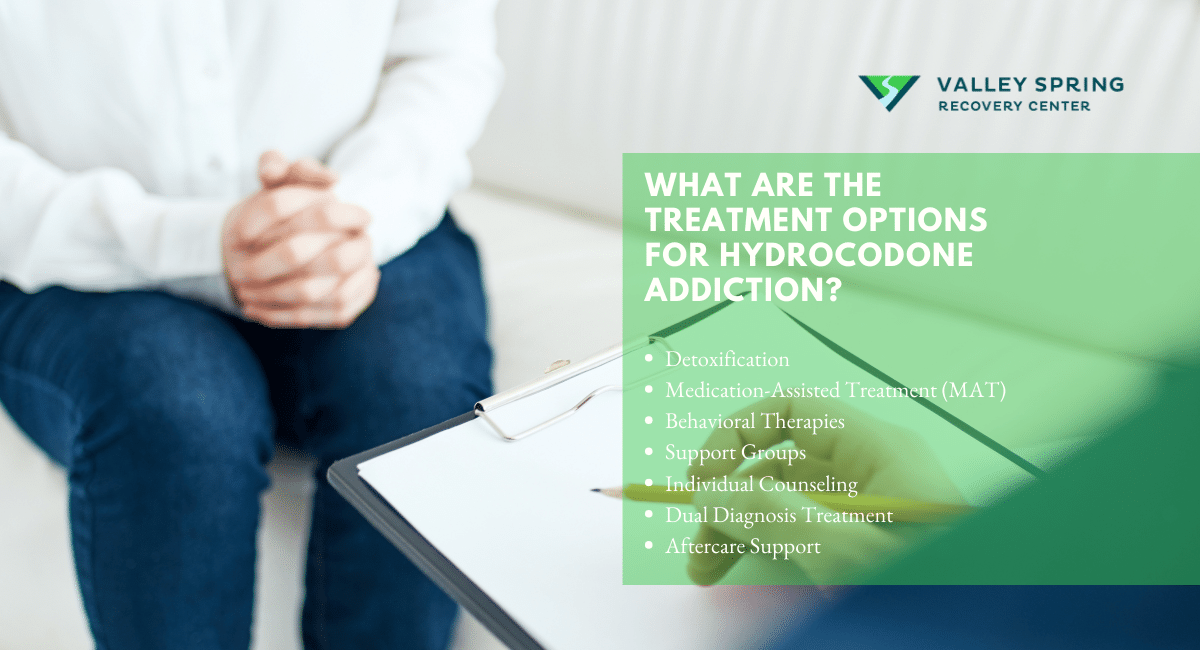
The treatment options for hydrocodone addiction in New Jersey involve a combination of medical, therapeutic, and support interventions. Here are some common approaches to treating hydrocodone addiction:
1. Detoxification
The first step in treatment is often detoxification, which involves safely managing withdrawal symptoms as the drug is cleared from the body. Medical supervision during detoxification can help alleviate discomfort and ensure safety.
2. Medication-Assisted Treatment (MAT)
Certain medications, such as buprenorphine or methadone, may be used as part of a comprehensive treatment plan. Medication-assisted treatments help to reduce cravings and withdrawal symptoms, allowing individuals to focus on recovery.
Rediscover Life at Valley Spring Recovery Center
Get the compassionate support you deserve. We're here to help you reclaim joy, wellness, and a brighter future.
Verify Benefits3. Behavioral Therapies
Various behavioral therapies are effective in treating hydrocodone addiction. Cognitive-behavioral therapy (CBT) helps individuals identify and change negative thought patterns and behaviors associated with drug use. Contingency management uses positive reinforcement to encourage abstinence, while motivational interviewing enhances motivation to change addictive behaviors.
4. Support Groups
Participating in support groups such as Narcotics Anonymous (NA) or other 12-step programs can provide valuable peer support and a sense of community during recovery. Sharing experiences and receiving support from others who have gone through similar challenges can be beneficial.
5. Individual Counseling
One-on-one counseling with a therapist or addiction counselor can help individuals address underlying psychological issues, develop coping skills, and set goals for recovery. Therapy can also explore triggers and provide strategies to prevent relapse.
Are you covered for treatment?
Valley Spring Recovery Center is an approved provider for Blue Cross Blue Shield and Cigna, while also accepting many other major insurance carriers.
Check Coverage Now!6. Dual Diagnosis Treatment
Dual diagnosis treatment is crucial for individuals with hydrocodone addiction and a co-occurring mental health disorder. This integrated approach recognizes the interplay between these conditions and aims to address both simultaneously. By targeting underlying issues, providing comprehensive assessment, and integrating substance abuse treatment with mental health care, dual diagnosis treatment offers a more comprehensive and effective approach.
7. Aftercare Support
Continuing support after the initial treatment phase is crucial for maintaining long-term recovery. This may include ongoing therapy, participation in support groups, and access to resources for relapse prevention.
Treatment should be tailored to address your unique circumstances and may involve a combination of the approaches mentioned above.
What Are The Different Types and Brand Names Of Hydrocodone?
Hydrocodone, a potent opioid medication, is available under various brand names, each designed for specific pain management needs. Vicodin, Norco, and Lortab are commonly prescribed forms, combining hydrocodone with acetaminophen to enhance pain-relieving effects. Zohydro is an extended-release version, suitable for chronic pain management.
The identifier M367 marks a generic form known for its immediate-release properties. Understanding these variants helps in recognizing the prescribed medication and its intended use, crucial for effective pain management and minimizing the risk of addiction.
Vicodin
Vicodin combines hydrocodone and acetaminophen, targeting moderate to severe pain with potential for both pain relief and addiction.
Norco
Norco offers a mix of hydrocodone and a smaller amount of acetaminophen compared to Vicodin, offering pain management with a slightly reduced risk of acetaminophen-related side effects.
Lortab
Lortab, another combination of hydrocodone and acetaminophen, is prescribed for varying levels of pain and is marked by its effectiveness and addiction potential.
Zohydro
Zohydro is an extended-release formulation of hydrocodone without acetaminophen, designed for managing severe pain over long periods, with a high risk of dependence.
M367
M367 is a generic version of hydrocodone, identified by its pill marking, offering immediate-release pain relief and associated with addiction risks.
Share This Post

Kristie Ashe
All author posts
Our Therapuetic Recovery Programs
Are you covered for treatment?




Valley Spring Recovery Center is an approved provider for Blue Shield of California and Cigna, while also accepting many other major insurance carriers.
Check Coverage Now!