Naloxone: Usages in Addiction, Dosages, Side Effects, and Access
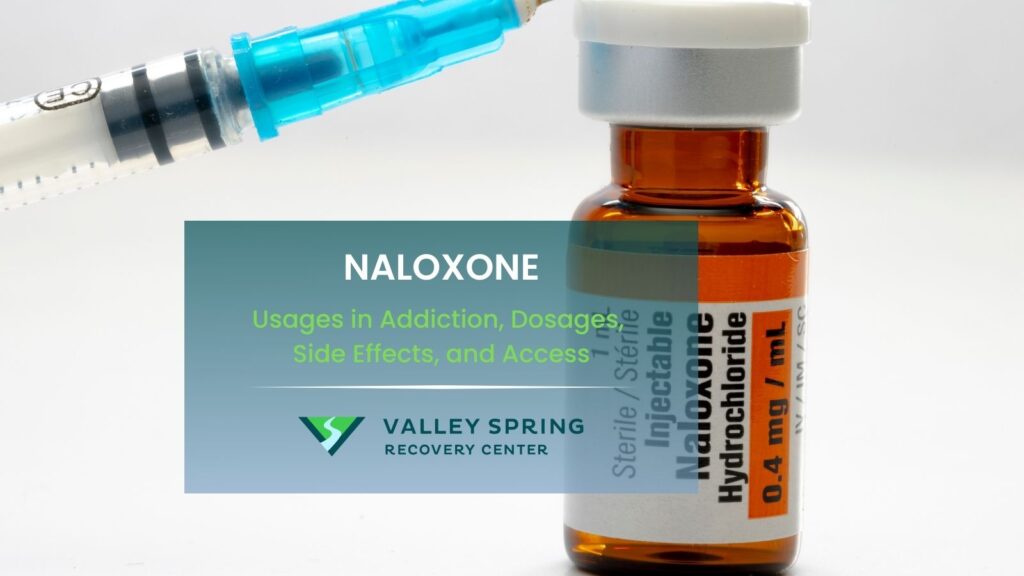
Naloxone is a medicine that works quickly to stop the effects of an opioid overdose and save a person’s life. Naloxone helps by reversing dangerous symptoms such as slow or stopped breathing, drowsiness, and loss of consciousness caused by opioid use. In addiction treatment, naloxone is used to reverse opioid overdoses and prevent fatal outcomes. EMS and law enforcement in New Jersey reported over 67,000 naloxone incidents between 2019–2023, with most victims surviving thanks to timely administration.
Naloxone is available in two forms: as a nasal spray (usually 4 mg per spray) or as an injection (0.4–2 mg every 2–3 minutes) until the person starts breathing normally. It acts fast, within minutes, making it a vital tool for emergencies involving opioid overdose. Side effects of naloxone are mild and include increased blood pressure, headache, muscle spasm, or nasal irritation. In New Jersey, free naloxone is available through pharmacies and community programs, improving access and saving lives.
What is Naloxone?
Naloxone is a fast‑acting opioid antagonist used to reverse overdoses, including prescription painkillers and illegal drugs, and save lives. It is primarily used to treat opioid overdoses by quickly restoring normal breathing and consciousness. By reversing life-threatening symptoms such as slowed breathing, extreme drowsiness, or unconsciousness, naloxone saves lives in emergencies. It is considered a critical tool in both addiction treatment and overdose prevention programs.
Did you know most health insurance plans cover substance use disorder treatment? Check your coverage online now.
Is Naloxone the Same as Narcan?
Yes, naloxone is the same as Narcan. Narcan is simply a brand name for the medication naloxone, which works to reverse opioid overdoses. Both act quickly to restore breathing and consciousness in someone experiencing an overdose. While Narcan is the most well-known brand, other forms of naloxone are also available in injections and nasal sprays.
How is Naloxone Used in Addiction Treatment?

Naloxone is used in addiction treatment to prevent fatal outcomes from opioid overdoses. It works by quickly reversing the life-threatening effects of opioids, such as slowed or stopped breathing, drowsiness, and loss of consciousness. Naloxone is a vital tool in both clinical
settings and community programs for people at risk of overdose.
Here are the main ways naloxone is used in addiction treatment:
- Emergency Overdose Reversal: Administered during an overdose, naloxone rapidly restores normal breathing and consciousness, giving the person a chance to receive further medical care.
- Community Distribution Programs: Provided to individuals, families, and first responders, enabling timely intervention before professional medical help arrives.
- Integration with Treatment Programs: Used alongside counseling, therapy, and medication-assisted treatment (MAT) to support recovery while reducing the risk of overdose.
- Education and Awareness: Training patients and caregivers on how to recognize overdoses and properly use naloxone increases survival rates and empowers communities.
What are the Recommended Dosages of Naloxone?

The recommended dosage of naloxone is 0.4–2 mg. It usually depends on the method of administration and the patient’s age. Naloxone is used to reverse opioid overdoses quickly, and dosing must be carefully followed to ensure effectiveness while minimizing side effects. Both adults and children receive naloxone in emergencies, with adjustments made based on weight and severity of overdose.
Here are the recommended dosing methods for naloxone:
Contact us today to schedule an initial assessment or to learn more about our services. Whether you are seeking intensive outpatient care or simply need guidance on your drug addiction journey, we are here to help.
Pediatric and Adult Dosing
For adults, the initial dose is 0.4–2 mg given intravenously (IV), intramuscularly (IM), or subcutaneously every 2–3 minutes as needed. Pediatric dosing is usually 0.1 mg/kg per dose, repeated every 2–3 minutes until adequate breathing is restored. Continuous monitoring is vital for both groups.
Intranasal Dosing
Naloxone nasal sprays are 4 mg per spray, administered into one nostril. If there is no response after 2–3 minutes, a second dose is given in the other nostril. This method is widely used in community and emergency settings due to ease of administration.
Intramuscular and Intravenous Dosing
For IM or IV administration, the dose ranges from 0.4–2 mg every 2–3 minutes as needed. IV administration acts the fastest, while IM is effective when IV access is unavailable. Repeated doses are necessary depending on the potency of the opioid involved.
Rediscover Life at Valley Spring Recovery Center
Get the compassionate support you deserve. We're here to help you reclaim joy, wellness, and a brighter future.
Verify Benefits
What Are the Side Effects of Naloxone?

The side effects of Naloxone include mild to moderate symptoms that occur after administration, especially when used to reverse an opioid overdose. While it is a life-saving medication, some people experience temporary discomfort or reactions as the drug works to restore normal breathing and consciousness. Serious side effects are rare but occur, particularly in individuals with underlying health conditions.
Here are the main side effects of naloxone:
Common Side Effects
- Nausea and Vomiting: A frequent reaction as the body responds to the sudden reversal of opioids.
- Headache: Occurs due to rapid changes in blood pressure or withdrawal effects.
- Increased Blood Pressure and Heart Rate: The body reacts to the sudden opioid reversal with temporary spikes in blood pressure or pulse.
- Muscle Pain or Tremors: Some patients experience mild muscle aches or shaking after administration.
- Nasal Irritation: When administered as a nasal spray, mild burning, congestion, or irritation occurs.
Serious Adverse Effects
- Severe Allergic Reactions: Rarely, individuals experience rash, swelling, or difficulty breathing, requiring immediate medical attention.
- Acute Opioid Withdrawal: In opioid-dependent individuals, naloxone triggers sudden withdrawal symptoms, including agitation, sweating, and vomiting.
- Cardiac Complications: Though uncommon, rapid reversal in patients with heart problems causes arrhythmias or chest pain, which requires careful monitoring.
Are you covered for treatment?


Valley Spring Recovery Center is an approved provider for Blue Cross Blue Shield and Cigna, while also accepting many other major insurance carriers.
Check Coverage Now!How Can People Access Naloxone?

People can access Naloxone through multiple channels, including over the counter, community-based distribution programs, and pharmacy dispensing. It is widely available to those at risk of opioid overdose. It is offered in both prescription and over-the-counter forms, and many programs provide it for free to communities, first responders, and individuals. Easy access has been shown to reduce opioid-related deaths and improve public safety.
Here are the main ways people obtain naloxone:
Over-the-Counter and Prescription Availability
Naloxone is available by prescription from healthcare providers and, in many states, over the counter at pharmacies. This allows individuals, caregivers, and family members to obtain it quickly without needing a doctor’s visit in emergencies.
Community-Based Naloxone Distribution Programs
Many organizations, including local health departments and addiction treatment centers, run programs that provide free naloxone kits. These programs include training on how to recognize an overdose and properly administer the medication.
Did you know most health insurance plans cover substance use disorder treatment? Check your coverage online now.
Pharmacy Dispensing and Naloxone Access Laws
Laws in states like New Jersey allow pharmacists to dispense naloxone without a patient-specific prescription under standing orders. This increases accessibility and ensures that people at risk obtain the medication quickly, improving community safety and overdose response.
How is Naloxone Distributed?
Naloxone is distributed through a variety of channels to ensure it reaches people at risk of opioid overdose. Distribution occurs via pharmacies, community programs, hospitals, and emergency services, accompanied by training on proper use. This widespread availability helps save lives by allowing timely administration in critical situations.
Why Are Buprenorphine and Naloxone Used Together?
Buprenorphine and Naloxone are used together to treat opioid addiction safely and effectively. Buprenorphine helps reduce withdrawal symptoms and cravings, while naloxone discourages misuse by blocking the effects of the medication when it is injected. This combination supports recovery, lowers the risk of overdose, and provides a safer approach to managing opioid dependence.
Contact us today to schedule an initial assessment or to learn more about our services. Whether you are seeking intensive outpatient care or simply need guidance on your drug addiction journey, we are here to help.
Does Naloxone Work for Alcohol Rehab?
No, naloxone does not work for alcohol rehab or recovery. Naloxone is specifically designed to reverse opioid overdoses and has no therapeutic role in treating alcohol use disorder.
What Is The Difference Between Naloxone And Naltrexone?
Naloxone is an emergency medication that rapidly reverses opioid overdoses by quickly restoring breathing, with effects lasting 30-90 minutes. Naltrexone is a long-term treatment medication for opioid and alcohol use disorders that blocks the euphoric effects and reduces cravings, lasting over 24 hours per dose (or up to 30 days for injectable forms). Naloxone saves lives during overdose emergencies, while naltrexone prevents relapse during ongoing recovery treatment.
Does Naloxone Reverse Opioid Overdose?
Yes, naloxone reverses opioid overdose. It works by quickly blocking the effects of opioids on the brain and respiratory system, restoring normal breathing and consciousness. Administered as a nasal spray or injection, naloxone acts within minutes, making it a critical life-saving tool in emergency situations. Prompt use prevents death and allows the individual to receive further medical care.
Share This Post

Valley Spring Editorial Team
All author posts
Our Therapuetic Recovery Programs
Are you covered for treatment?
Valley Spring Recovery Center is an approved provider for Blue Shield of California and Cigna, while also accepting many other major insurance carriers.
Check Coverage Now!