Percocet Addiction: Symptoms, Causes, Effects and Treatment
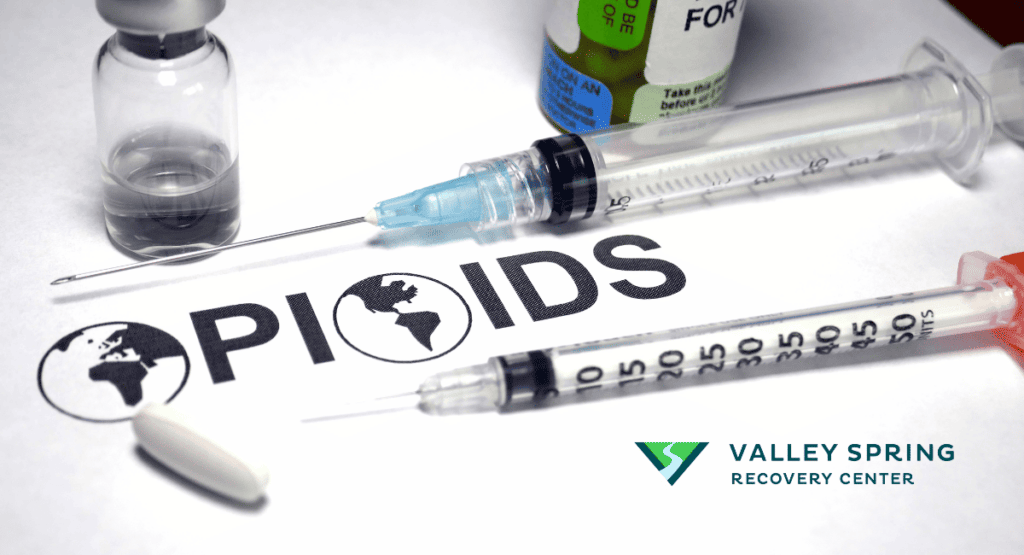
Percocet addiction is a severe and potentially life-altering condition characterized by the compulsive and harmful misuse of Percocet. This prescription medication combines oxycodone, an opioid pain reliever, with acetaminophen.
Common symptoms of Percocet addiction include physical signs like drowsiness and constipation, emotional symptoms such as mood swings and anxiety, and behavioral changes like social withdrawal and routine shifts. Increasing tolerance and withdrawal symptoms are also key indicators that warrant immediate medical attention.
Recognizing these indicators can lead to early intervention and treatment, as well as raising awareness of the widespread impact of opioid addiction in our communities. In the United States, opioid-related overdoses have reached alarming levels, making it vital to comprehend the complexities of Percocet addiction and its associated risks.
What is Percocet Addiction?
Percocet Addiction is a type of substance use disorder characterized by the compulsive use of Percocet. This prescription medication combines oxycodone (an opioid pain reliever) and acetaminophen (a non-opioid pain reliever), despite harmful consequences. This addiction involves a physical and psychological dependence on the drug, leading to cravings, tolerance (needing more of the drug to achieve the same effect), and withdrawal symptoms when not using the drug.
Did you know most health insurance plans cover substance use disorder treatment? Check your coverage online now.
What Are The Signs And Symptoms Of Percocet Addiction?
The signs and symptoms of Percocet addiction include a range of physical, psychological, and behavioral manifestations that collectively signify the profound impact of opioid dependency on individuals’ lives and well-being. The symptoms of Percocet addiction are similar to that of OxyContin. Below are signs and symptoms that can aid in recognizing Percocet addiction:
Physical Signs
- Dilated or constricted pupils
- Drowsiness or sedation
- Nausea and vomiting
- Constipation
- Slurred speech
- Poor coordination
- Itching or flushing of the skin
- Needle marks (in cases of intravenous use)
- Weight loss
- Frequent drowsiness or nodding off
Behavioral Signs
- Preoccupation with obtaining and using Percocet.
- Neglecting responsibilities at home, work, or school.
- Social withdrawal or isolation.
- Changes in sleep patterns.
- Mood swings or irritability.
- Borrowing or stealing medication.
- Doctor shopping or seeking multiple prescriptions.
- Engaging in risky behaviors to obtain Percocet.
- Failed attempts to quit or cut down on use.
- Continued use despite negative consequences.
Contact us today to schedule an initial assessment or to learn more about our services. Whether you are seeking intensive outpatient care or simply need guidance on your drug addiction journey, we are here to help.
Emotional Signs
- Anxiety
- Depression
- Irritability
- Mood swings
- Euphoria followed by dysphoria
- Agitation
- Emotional numbness
- Increased sensitivity to stress
- Guilt or shame
- Changes in personality or behavior.
Early Symptoms
- Increasing tolerance to the drug.
- Frequent cravings for Percocet.
- Using the drug for non-medical reasons.
- Taking larger doses than prescribed.
- Concealing or lying about drug use.
- Seeking multiple prescriptions from different doctors.
- Neglecting responsibilities.
- Social withdrawal or changes in social circles.
- Changes in sleep patterns.
- Mood swings or irritability.
Advanced Symptoms
- Severe physical dependence.
- Escalating drug tolerance.
- Inability to control or reduce drug use.
- Engaging in risky behaviors to obtain Percocet.
- Neglecting personal and professional responsibilities.
- Legal and financial troubles.
- Isolation from friends and family.
- Decline in physical and mental health.
- Continued drug use despite health risks.
- Increased risk of overdose.
Rediscover Life at Valley Spring Recovery Center
Get the compassionate support you deserve. We're here to help you reclaim joy, wellness, and a brighter future.
Verify Benefits
What Are The Causes of Percocet Addiction?
The causes of Percocet addiction include genetic factors, environmental influences, psychological triggers, brain chemistry, co-occurring mental health conditions, and healthcare system factors. Below are the causes of Percocet addiction in detail:
- Genetic Factors: Genetic predisposition plays a significant role in developing an addiction to Percocet. A family history of substance abuse increases the likelihood of similar challenges. Certain genetic markers influence opioid metabolism, affecting dependency risk.
- Environmental Influences: Social and environmental factors contribute significantly to addiction. Peer pressure, societal norms, and cultural attitudes toward drug use create environments that facilitate addiction. Easy access to Percocet, whether through prescriptions or illicit means, increases the likelihood of abuse.
- Psychological Triggers: Emotional and psychological factors often trigger initial use. Individuals with chronic pain conditions receive Percocet prescriptions and may inadvertently develop dependency. Emotional stressors such as trauma, stress, and life changes drive individuals to use the drug as a coping mechanism.
- Brain Chemistry: The biochemical interaction between Percocet and the brain’s reward system is critical. The drug triggers dopamine release, creating euphoria that leads to addiction as individuals seek to replicate that feeling.
- Co-occurring Mental Health Conditions: The presence of mental health disorders such as anxiety, depression, or bipolar disorder complicates addiction. These conditions often co-occur with substance abuse, and individuals may use Percocet to self-medicate, exacerbating both addiction and mental health issues.
- Healthcare System Factors: Overprescription by healthcare providers and inadequate monitoring contribute to addiction onset, especially in regions with high opioid prescription rates.
What Are The Effects of Percocet Addiction?
The effects of Percocet addiction encompass a range of physical, emotional, and behavioral indicators. Physically, individuals may exhibit signs such as drowsiness, constipation, and respiratory issues, often accompanied by a neglect of personal hygiene and appearance. Emotional and psychological effects can include mood swings, anxiety, and depression, as the individual becomes increasingly reliant on the drug for emotional stability.
Behaviorally, one may notice shifts in daily routines and social withdrawal, as the person isolates themselves to use the drug or to hide the symptoms of their addiction. Additionally, a growing tolerance to the drug’s effects and experiencing withdrawal symptoms when not using are strong indicators of addiction. Overall, these effects can severely impact an individual’s quality of life and should prompt immediate medical attention.
Short-Term Effects of Percocet Dependency:
- Pain relief
- Euphoria
- Drowsiness
- Reduced anxiety
- Nausea and vomiting
- Constipation
- Respiratory depression
- Confusion
- Impaired coordination
- Decreased heart rate
Long-Term Effects of Percocet Dependency:
- Increased tolerance
- Physical dependence
- Chronic pain
- Cognitive impairment
- Mental health issues (e.g., depression, anxiety)
- Social and interpersonal problems
- Financial difficulties
- Risk of overdose
- Legal and criminal issues
- Health complications (e.g., liver damage)
What Are The Treatment Options For Percocet Addiction?
The treatment options for Percocet addiction include inpatient treatment, outpatient treatment, and medication-assisted treatment (MAT). Inpatient treatment involves residing at a facility for an extended period, providing a structured environment, intensive therapy, and medical supervision.
Outpatient treatment offers flexibility, allowing individuals to receive care while living at home, including individual counseling, group therapy, and medication management. MAT uses FDA-approved medications like methadone, buprenorphine, and naltrexone to manage cravings and withdrawal symptoms.
Here are the treatment options for Perococet addiction in detail:
- Inpatient Treatment: Inpatient treatment involves individuals with Percocet addiction residing at a treatment facility for intensive care. Here’s what it typically involves:
- Medical Assessment: Individuals undergo comprehensive evaluations to assess health, addiction severity, and co-occurring disorders.
- Detoxification: A medically supervised detox process manages withdrawal symptoms, ensuring a safe transition to sobriety.
- Structured Environment: A daily schedule of therapy sessions, group activities, and workshops minimizes drug use opportunities and builds healthy routines.
- Individual and Group Therapy: Participants engage in individual counseling to address triggers and underlying issues, while group therapy fosters shared experiences and support.
- Psychiatric Care: Integrated psychiatric care addresses co-occurring mental health disorders, including medication management.
- Life Skills Training: Programs teach coping mechanisms, stress management, and problem-solving skills essential for long-term recovery.
- Relapse Prevention: Participants learn to identify triggers and manage cravings, developing a personalized relapse prevention plan.
- Aftercare Planning: Discharge planning includes creating an aftercare plan with counselors, incorporating outpatient treatment and support resources.
- Outpatient Treatment: Outpatient treatment allows individuals to receive care while living at home, providing flexibility for those with less severe addiction or those transitioning from inpatient care. Here’s what outpatient treatment typically involves:
- Assessment: Initial assessments determine addiction severity and co-occurring mental health issues to tailor treatment plans.
- Individual Counseling: One-on-one sessions address personal triggers and coping strategies.
- Group Therapy: Supportive group sessions facilitate sharing experiences and learning from others in recovery.
- Medication Management: Medication-assisted treatment (MAT) includes regular check-ins to manage cravings and withdrawal.
- Education: Educational sessions on addiction and relapse prevention equip individuals with essential knowledge.
- Drug Testing: Random drug testing ensures program compliance and abstinence from Percocet.
- Family Involvement: Family therapy improves communication and addresses dynamics impacting recovery.
- Flexible Schedule: Outpatient treatment allows individuals to maintain daily routines while attending therapy.
Are you covered for treatment?


Valley Spring Recovery Center is an approved provider for Blue Cross Blue Shield and Cigna, while also accepting many other major insurance carriers.
Check Coverage Now!What Are The Harm Reduction Strategies For Percocet Addiction?
Harm reduction strategies for Percocet addiction focus on minimizing negative consequences. Medication-assisted treatment (MAT) is a key approach, using FDA-approved medications alongside counseling and support. Common MAT medications include:
- Methadone: A long-acting opioid agonist that reduces cravings and withdrawal symptoms without intense euphoria.
- Buprenorphine: A partial opioid agonist that alleviates cravings and withdrawal with a lower abuse risk.
- Naltrexone: An opioid antagonist that blocks opioid effects and reduces relapse risk, available in oral and extended-release injectable forms.
How Common Is Percocet Addiction?
Percocet addiction is increasingly common, mirroring the broader opioid epidemic’s impact on public health and highlighting the urgent need for comprehensive prevention and treatment efforts.
Global statistics
- In 2015, 276,000 adolescents were actively engaging in the nonmedical use of pain relievers. Among them, 122,000 were struggling with addiction to prescription pain relievers.
- Global Opioid Consumption: The United States has one of the highest per capita opioid consumption rates globally. However, opioid misuse and addiction are not limited to the U.S. and can be found in other parts of the world.
- Painkiller Misuse Worldwide: Opioid pain relievers, including medications like Percocet, have been misused in various countries worldwide, contributing to addiction and overdose concerns. Exact prevalence rates can vary by region and are influenced by factors like healthcare practices and regulations.
- Out of the approximately 78,000 global fatalities recorded in 2010 due to illicit drug use, over 50% were attributed to painkiller addiction.
- Growing Concern: Opioid addiction has become a significant public health concern in many countries due to the associated health risks, including overdose deaths, as well as the social and economic consequences of addiction.
National Statistics
- Opioid Epidemic Impact: The United States has been grappling with a severe opioid epidemic. In recent years, opioid misuse has led to a substantial increase in overdose deaths and addiction cases.
- Overdose Deaths: Opioid-related overdose deaths surged significantly, with more than 70,000 recorded in the United States in 2019. Prescription opioids, including drugs like Percocet, played a role in many of these fatalities.
- Prescription Rates: The U.S. has had one of the highest prescription rates of opioids in the world. The overprescribing of medications like Percocet contributed to widespread availability and misuse.
- Government Initiatives: Federal and state governments, as well as healthcare providers, have implemented various measures to address the opioid crisis, including prescription monitoring programs, opioid prescribing guidelines, and increased access to naloxone (an opioid overdose reversal medication).
- Shift to Illicit Opioids: While prescription opioids like Percocet were a significant concern, there has also been a shift toward the use of illicit opioids, such as fentanyl, which is far more potent and has contributed to the rising drug overdose death toll.
What Is The Science Behind Percocet Addiction?
The science behind Percocet addiction is crucial for unraveling the complex neurological and psychological mechanisms that underlie the development and perpetuation of this opioid-related dependency.
Percocet’s impact on the brain is multifaceted and largely driven by its active ingredient, oxycodone, which is a potent opioid analgesic. When Percocet is ingested, oxycodone enters the bloodstream and eventually crosses the blood-brain barrier, gaining access to the central nervous system. Here’s an expanded overview of how Percocet affects the brain:
- Pain Modulation
- Euphoria and Mood Alteration
- Respiratory Depression
- Tolerance and Dependence
- Neuroplastic Changes
- Craving and Relapse
Did you know most health insurance plans cover substance use disorder treatment? Check your coverage online now.
What Happens When You Stop Taking Percocets?
When you stop taking Percocets, withdrawal symptoms will occur within 8-24 hours and typically last 5-10 days.
Physical symptoms include muscle aches, nausea, vomiting, diarrhea, and chills. These symptoms peak within 72 hours of the last dose.
Psychological effects manifest as anxiety, depression, irritability, and intense drug cravings. These symptoms can persist for weeks or months after physical withdrawal ends.
The severity of withdrawal depends on usage duration, dosage, and individual health factors. Medical supervision is often necessary due to complications like severe dehydration and mental health risks.
Withdrawal symptoms pose a significant relapse risk, making medical support and ongoing treatment essential for recovery.
Final Thoughts On Percocet Addiction
Percocet addiction is a serious and complex issue that can have profound physical, psychological, and social consequences. It’s crucial to recognize the signs of addiction early and seek help when needed.
Treatment options, including inpatient and outpatient programs, medication-assisted treatment, and support systems, can play a vital role in recovery. Additionally, harm reduction strategies and awareness of the risks associated with Percocet misuse are essential in addressing this public health concern.
Finally, understanding that recovery is a journey often marked by ups and downs and that relapse is a part of that journey for many can help individuals and their support systems approach addiction with empathy, patience, and perseverance. If you are struggling with Percocet addiction and need a drug rehab center, Valley Spring Recovery Center can help. Contact us today!
Share This Post

Valley Spring Editorial Team
All author posts
Our Therapuetic Recovery Programs
Are you covered for treatment?







Valley Spring Recovery Center is an approved provider for Blue Shield of California and Cigna, while also accepting many other major insurance carriers.
Check Coverage Now!