Can Going to Rehab Before Court Date Help Your Legal Case?
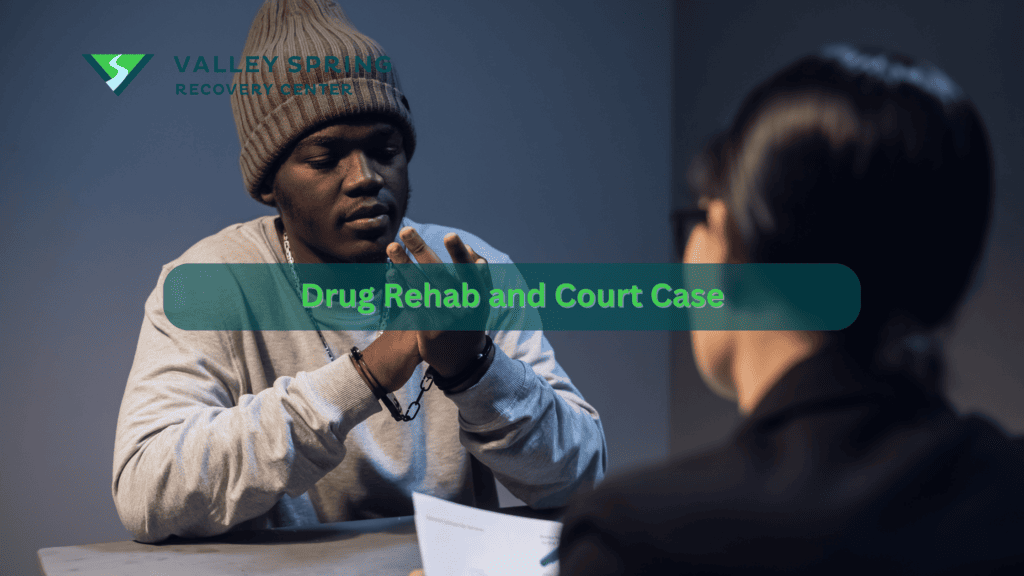
Attending rehab with pending court charges can be strategically beneficial. It demonstrates a proactive effort towards personal improvement and may positively influence judicial perceptions. The Bureau of Justice Assistance’s 2014 report, “Defining Drug Courts:The Key Components,” outlines that drug courts often regard voluntary rehabilitation as a sign of accountability and an indication of intent to reform, which can be pivotal during court proceedings. Entering a drug rehabilitation program before a court date not only exhibits a commitment to change but also leads to more favorable legal outcomes, depending on the charges faced and personal variables. Courts view this action as taking responsibility for one’s behavior and may consider it during sentencing or judgment. Thus, entering rehab can serve as a strong supportive measure in dealing with pending legal charges.
Rehab centers are a place for people to heal and remain, even if you have legal charges against you or a pending legal battle. The decision to attend rehab if you have active charges against you is nuanced and depends on the severity of the crimes, the judge, and a recommendation from a lawyer. This article is based on information published by the Justice Department and DEA, which is not a replacement for Legal Council.
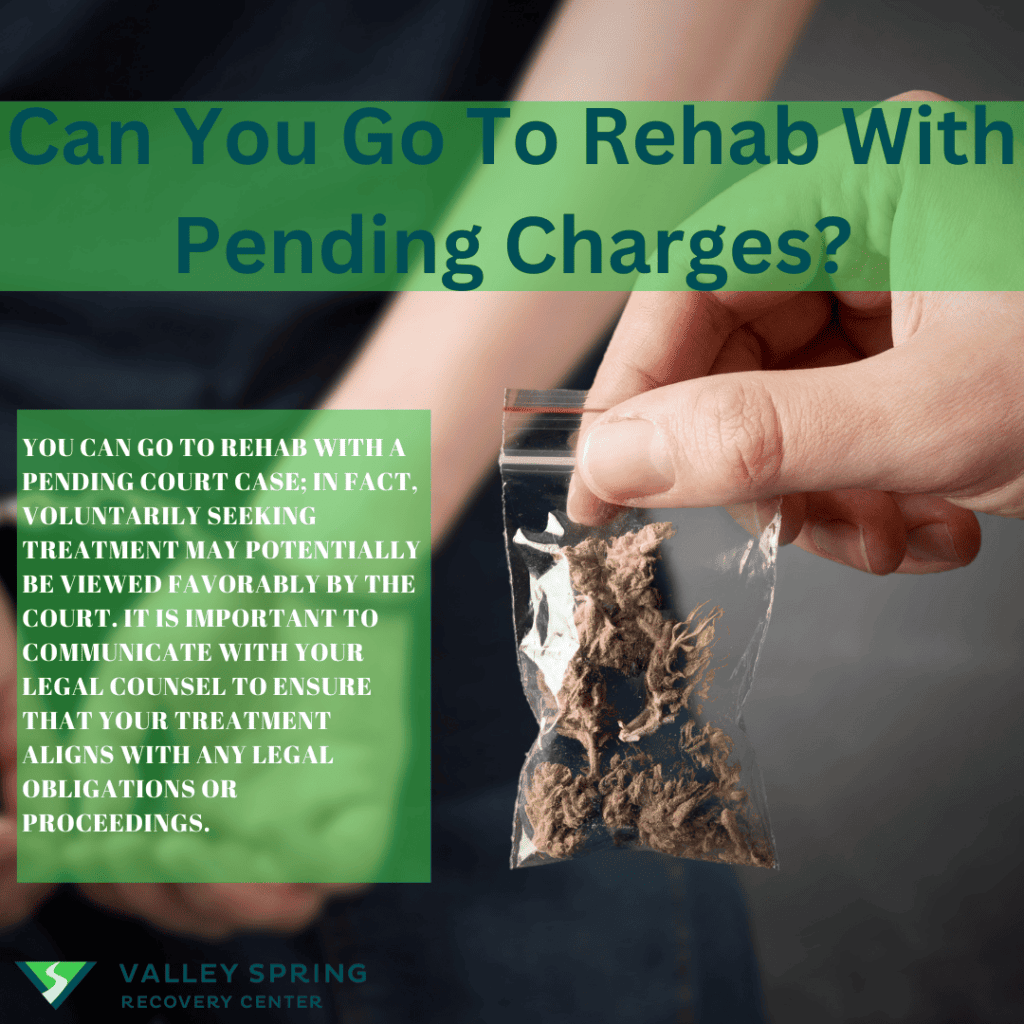
Can You Go To Rehab With Pending Charges Before A Court Case?
You can attend rehab with a pending court case; in fact, voluntarily seeking treatment may be viewed favorably by the court. It is essential to communicate with your legal counsel to ensure that your treatment aligns with any legal obligations or proceedings. Entering a drug rehabilitation program before your court date can demonstrate a commitment to change and potentially improve legal outcomes. Drug courts may consider voluntary participation in treatment as a sign of taking responsibility for previous actions.

Depending on the severity of your charges, many times a judge will allow you to go to drug rehab as long as it is within the state or county and coordinated with an attorney. The necessary steps to going to rehab with a pending court case are listed below:
Depending on the severity of your charges, many times a judge will allow you to go to drug rehab as long as it is within the state or county and coordinated with an attorney. The necessary steps to going to rehab with a pending court case are listed below:
- Working with an Attorney: An experienced attorney can provide valuable guidance when dealing with pending charges and entering a rehabilitation program. They can work with the district attorney to secure a continuance of your court date, allowing you to enter rehab and have the facility confirm your enrollment. Your legal counsel can also explore alternative sentencing options and help coordinate your rehab attendance with the court system.
- Learn the Court’s Requirements: Understanding the court’s requirements relevant to your case and jurisdiction is crucial. Eligibility for court-mandated rehab programs varies, and the court will take into account factors such as the severity of the offense, your criminal background, and your willingness to participate in a rehab program, as well as the context of your crime. For instance, if you are charged with a drug-related crime, there is a higher probability that a judge will show leniency for you to seek help.
- Effective Communication with the Court System: Maintaining effective communication with the court system is crucial to ensure that your rehabilitation attendance is viewed positively in legal proceedings. Ensure that you obtain court approval before entering treatment, particularly if you have pending charges, as failure to do so could result in a violation of probationary or other court-imposed conditions without prior screening and authorization.
- An Addiction Treatment Center That Will Send Updates To Attorneys And Judges: The addiction treatment center may have to agree to provide a written letter to the court stating that you are there, as well as continuous updates. This means the rehab center would also agree to tell the court if you leave early or against medical advice, with your consent.
Keeping an open line of communication with the court system and your legal team can help you stay on track with your treatment and legal requirements.
Did you know most health insurance plans cover substance use disorder treatment? Check your coverage online now.
What Happens If Rehab Conflicts with a Custody Hearing?
Prioritize scheduling rehab so it doesn’t overlap with custody hearings. Missing a hearing means forfeiting your chance to present evidence of your suitability as a guardian. While judges can postpone hearings, it’s advisable to complete rehab well before custody matters arise. Understand residential treatment timelines to prevent time conflicts, as the duration of rehab varies based on individual needs.
Is Rehab an Option with an Outstanding Warrant?
Having a warrant doesn’t preclude you from rehab. However, if law enforcement arrives, the facility’s advice on surrendering may vary. Under HIPAA regulations, rehab centers can’t disclose your presence without consent. This confidentiality may deter police from forcibly removing you, as it could negatively impact their public image and your court proceedings.
What is Court-Ordered Rehab?
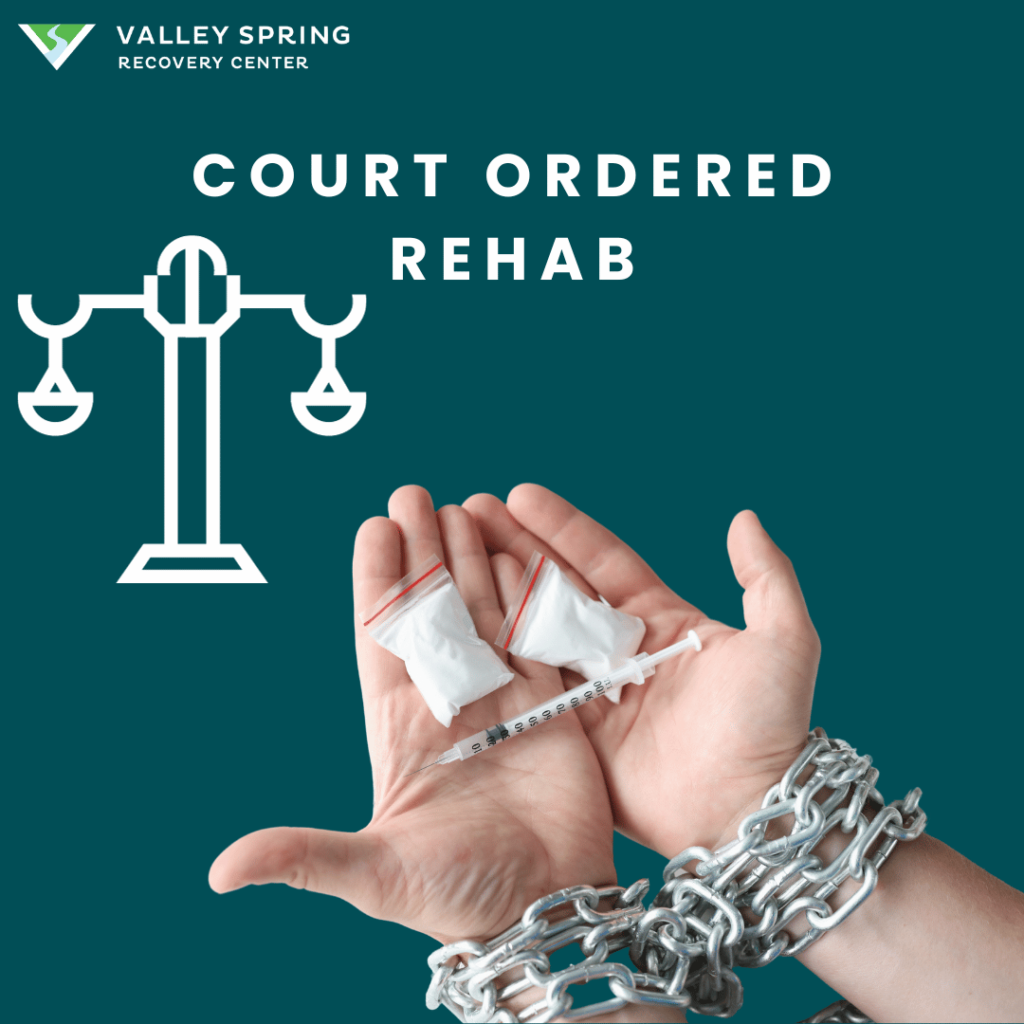
Court-ordered rehab programs are judicially mandated rehabilitation programs that serve as an alternative to incarceration for those found guilty of substance abuse-related offenses. Court-ordered programs offer an opportunity to address addiction issues through a substance abuse treatment program while complying with legal requirements. When a person is directed to undergo addiction treatment rather than face imprisonment, it’s typically because the presiding magistrate concludes that sustained rehabilitation would be more beneficial than confinement. This approach is frequently adopted for non-aggressive, first-time transgressors. Long-term treatment is both more cost-effective and efficacious than jail time, according to the American Academy of Addiction Psychiatry’s analysis of substance misuse and the legal system
Eligibility for court-ordered rehab depends on state laws, previous sentencing, and the nature of the charges. Generally, individuals who have committed a crime related to substance abuse or have a history of substance abuse may be eligible for court-ordered rehab programs as an alternative to incarceration.
Consulting with a legal professional or the court system can provide specific eligibility requirements in your jurisdiction.
Drug court supervision ensures compliance with treatment requirements and monitors progress throughout the rehab program. This may include regular drug tests, participation in support groups, and other measures to guarantee adherence to treatment and sobriety.
Drug court supervision plays a crucial role in maintaining accountability and promoting successful recovery from drug or alcohol addiction, drug abuse, and addressing any drug or alcohol problem.
Completing a court-ordered rehabilitation program can sometimes result in reduced penalties, dismissal of charges, or probation instead of jail time.
However, failing to comply with the rehab program may result in further sanctions or increased monitoring. Thus, maintaining commitment to your rehab program and adherence to court requirements are vital for achieving the most favorable legal outcome.
Contact us today to schedule an initial assessment or to learn more about our services. Whether you are seeking intensive outpatient care or simply need guidance on your drug addiction journey, we are here to help.
How Can You Choose The Right Rehab Center If You Have A Pending Court Case?
Selecting the right rehab option depends on your individual recovery needs and preferences, as well as any legal requirements related to your case. Seeking advice from addiction treatment professionals, legal counsel, and medical providers is significant in determining the most appropriate and effective treatment option for your situation. That being said, if you have a legal case, it will be necessary for the case manager or administrator at the rehab to send a letter and maintain some level of communication regarding your progress in rehab with the judge and/or court system. You will want to ensure that the rehab center is comfortable communicating with your attorney and the court system throughout your treatment.
Does Going To Rehab Go On Your Record?
Treatment for substance abuse is confidential and protected by federal privacy laws. Medical records remain private and are not publicly accessible. Many people wonder, “Does Going To Rehab Go On Your Record?” The answer depends on individual situations and legal contexts. For specific concerns about how treatment may impact your circumstances, consult with a legal advisor or healthcare provider. Treatment is widely recognized as a positive step toward recovery and wellness.
How Much Does Court-Ordered Rehab Cost?
Funding rehab and legal costs can be challenging, but there are options available to help alleviate financial burdens. Insurance coverage, payment plans, and assistance programs can help offset the cost of rehab and legal expenses. It’s essential to understand the difference between private rehab centers and court-ordered rehab centers that receive funding from the state government. Private rehab centers are just that —private organizations that require payment to provide treatment, whereas court-ordered programs or government programs receive state funding. Many individuals will preemptively seek addiction treatment before their court case, in this scenario the individual would be responsible for the cost of treatment and the onus is on the individual to find a program that they can afford which is different from court-ordered rehab where the cost would be covered.
Insurance coverage, including Medicare, may partially cover rehab costs depending on the specific plan and treatment requirements. Medicare Part A, for example, can provide coverage for inpatient rehabilitation costs, while Medicare Part B covers outpatient rehabilitation services and certain prescription drugs.
Private insurance plans, Medicaid, and other government-funded programs may also cover rehab expenses.
Payment plans and assistance programs can help individuals afford rehab treatment and legal expenses. Many rehab facilities offer flexible payment plans that allow patients to pay for treatment over an extended period. Additionally, assistance programs may provide financial support for those requiring rehabilitation services and legal counsel.
Exploring all available options is crucial to finding the best solution for your financial circumstances.
Balancing legal expenses with rehab costs requires careful planning and prioritization of resources. Open and honest communication with your legal team can help you identify potential cost-saving measures and ensure that you’re making the most of your available resources.
When considering the cost of addiction treatment, exploring insurance coverage, payment plans, and assistance programs can help you effectively manage your financial obligations during rehab and the legal process.
Rediscover Life at Valley Spring Recovery Center
Get the compassionate support you deserve. We're here to help you reclaim joy, wellness, and a brighter future.
Verify Benefits
What Are Relapse Prevention and Monitoring Needs During Legal Proceedings?
Relapse prevention and monitoring during legal proceedings are crucial for maintaining sobriety and complying with court requirements. Drug testing, support systems, and self-care strategies can help you stay on track and avoid relapse during this challenging time.
We’ll delve deeper into these strategies.
Drug testing requirements may be mandated by the court to ensure compliance with treatment and sobriety. Regular drug tests can help you stay accountable and demonstrate your commitment to maintaining a drug-free lifestyle during legal proceedings.
Compliance with drug testing requirements is vital for a successful legal outcome and long-term addiction recovery.
Support systems, including therapy and peer support groups, can help individuals stay on track during legal proceedings. These resources provide emotional support, guidance, and practical advice for individuals facing addiction and legal challenges.
Active participation in support systems can help maintain sobriety and facilitate the successful navigation of the legal process.
Self-care strategies, such as exercise, meditation, and a balanced diet, can promote overall well-being and help prevent relapse during the legal process. Engaging in these activities can reduce stress, enhance mood, and boost energy levels, helping you stay focused and resilient during legal proceedings.
Incorporating self-care strategies into your daily routine enhances your prospects of long-term sobriety, a positive legal outcome, and avoiding alcohol abuse.
What Are The Types of Rehab Facilities: Inpatient vs. Outpatient?
Selecting the right rehab facility is crucial for a successful recovery. Treatment programs for addiction recovery can be broadly categorized into two types: inpatient and outpatient. Both offer effective rehabilitation facilities to help individuals cope with addiction. The best option for you depends on your circumstances, the severity of your addiction, and any legal requirements.
Inpatient Treatment: Typically, the best rehab centers offer inpatient treatment, which involves a residential stay. This provides comprehensive care and intensive therapy. This type of treatment is often recommended for individuals with severe drug addiction issues or those who may require medical supervision during detoxification or withdrawal.
Inpatient treatment can offer a structured environment with 24/7 support, increasing the chances of successful addiction recovery.
Outpatient treatment enables individuals seeking care to receive treatment while continuing to fulfill their daily responsibilities. Participants attend regularly scheduled therapy sessions and other treatment programs during the day, but return home in the evening.
This option provides more flexibility and may be suitable for those with milder addiction issues or individuals who have already completed an inpatient program and require ongoing support.
What’s the difference between inpatient and outpatient rehab facilities?
Inpatient and outpatient rehab differ in that inpatient rehab involves a residential stay to receive comprehensive care, whereas outpatient treatment allows individuals to receive care while still living at home and attending to their regular daily responsibilities.
Share This Post

Kristie Ashe
All author posts
Our Therapuetic Recovery Programs
Are you covered for treatment?








Valley Spring Recovery Center is an approved provider for Blue Shield of California and Cigna, while also accepting many other major insurance carriers.
Check Coverage Now!