New Jersey DUI Statistics: Arrests, Fatalities, and Accidents

Driving under the influence (DUI) remains one of the most pressing public safety issues in New Jersey. It leads to a troubling rise in alcohol-related accidents and fatalities. Alcohol continues to be the primary factor in most DUI cases. It contributes to roadway deaths and also to significant rehabilitation admissions statewide.
According to the New Jersey Substance Abuse Monitoring System (NJ-SAMS), alcohol-related arrests account for 41% of all rehab admissions in the state. These figures emphasize the widespread social and health impact of impaired driving. According to an annual report from the New Jersey State Police, intoxicated driving has now surpassed distracted driving as the leading cause of fatalities. Recognizing the scope of this issue is vital for developing stronger prevention programs, enforcing DUI laws, and promoting community awareness to make New Jersey’s roads safer for everyone.
What Are the Trends for DUI and Related Offenses in New Jersey?
There are 26,500 DUI and related offense convictions every year in New Jersey, according to NJ Health and Human Services. In 2021, 443,000 people were arrested on suspicion of DUI in the U.S., and about 11.2% of these arrests took place in New Jersey alone. New Jersey experienced a 30% increase in DUI incidents and crashes in 2021. It is a significant contribution from drug intoxication, particularly cannabis.
In 2021, New Jersey recorded 667 crashes resulting in 697 deaths. Drug intoxication rises are responsible for 210 fatal crashes and 228 deaths, showing a sharp rise from 2020. Among these incidents, 91 drivers were under the influence of cannabis, along with several impaired pedestrians, passengers, and cyclists.
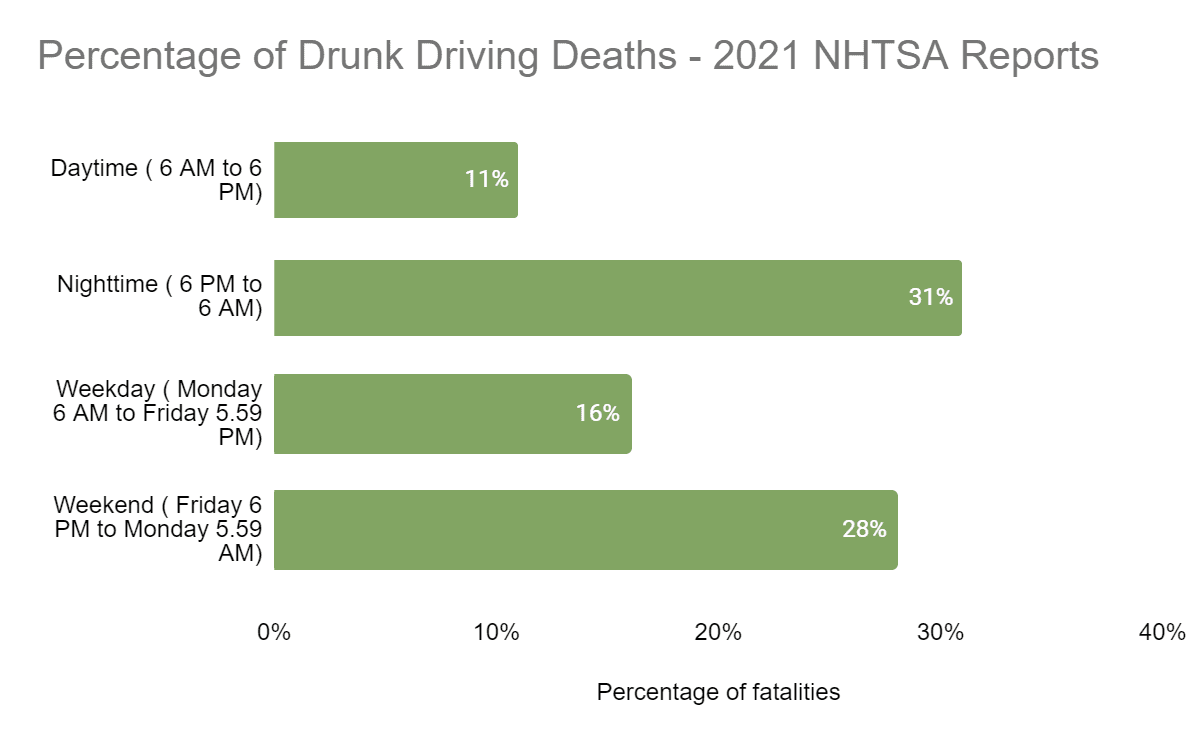
Alcohol-related crashes also remain a major concern. According to the CDC, there were 1,459 deaths from alcohol-impaired driving between 2008 and 2019. Men are twice as likely as women to die in such incidents. The 2017 New Jersey State Police Report found that over 25% of motorcycle deaths involved drivers exceeding the legal blood alcohol limit. Alcohol impairment is four times higher at night, contributing to nearly 30% of fatal crashes. Most deadly accidents occur on Friday and Saturday nights, especially on state and county roads. This emphasizes the urgent need for stronger measures to curb impaired driving and enhance road safety in New Jersey.
Did you know most health insurance plans cover substance use disorder treatment? Check your coverage online now.
What Are The DUI Causes and Impacts?
The DUI causes and impacts arise from impaired judgment and decreased physical coordination due to alcohol or drug use. Many drivers underestimate how even small amounts of intoxicants slow reaction time and affect decision-making. This leads to devastating accidents and loss of life. Beyond the human toll, DUI also imposes a heavy financial burden on society, costing taxpayers nearly $992 million each year.
Causes:
- Impaired judgment and delayed reaction time caused by alcohol or drug use.
- Overconfidence from repeated impaired driving experiences.
- Misunderstanding the impact of “minor” intoxication levels.
Impacts:
- Increased risk of fatal crashes involving drivers, passengers, and pedestrians.
- Long-term emotional trauma for victims and families.
- Economic losses due to healthcare costs, legal expenses, and property damage.
What Are The Laws and Consequences for NJ DUIs?
The laws and consequences for NJ DUIs are strict to prevent and punish driving under the influence of alcohol or drugs. Penalties depend on factors such as the driver’s blood alcohol concentration (BAC), the severity of the incident, and any prior offenses. Offenders face license suspension, hefty fines, mandatory education or treatment programs, ignition interlock device installation, and possible jail time. These laws aim to deter impaired driving and protect public safety across New Jersey.
Here is a breakdown of the legal repercussions for various types of DUI offenses in New Jersey:
For Alcohol-Related DUI with BAC of 0.10% or Greater, or Drug-Related DUI:
- License Suspension: 7 months to 1 year
- Fines and Surcharges: $300 to $500 fine, plus additional fees including a $230 Intoxicated Driver Resource Center (IDRC) fee, $100 to the drunk driving fund, $100 to the Alcohol Education and Rehabilitation Fund (AERF), and a $1,000 annual surcharge for three years.
- Prison Term: Up to 30 days
- Other Penalties: Mandatory 12-48 hours in the IDRC and installation of an ignition interlock device during the license suspension and for 6 months to 1 year following license restoration for those with a BAC of 0.15% or greater.
For Alcohol-Related DUI with BAC between 0.08% and less than 0.10%:
- License Suspension: 3 months
- Fines and Surcharges: $250 to $400 fine, plus additional fees including a $230 IDRC fee, $100 to the drunk driving fund, $100 to AERF, and a $1,000 annual surcharge for three years.
- Prison Term: Up to 30 days
- Other Penalties: Mandatory 12-48 hours in the IDRC.
For Repeated DUI Convictions:
- Second Offense within 10 Years:
- License Suspension: 2 years
- Fines and Surcharges: $500 to $1,000 fine, plus additional fees similar to the first offense.
- Prison Term: 48 hours to 90 days
- Other Penalties: Mandatory 30 days of community service, 12-48 hours in the IDRC, and an ignition interlock device during the suspension and for 1-3 years following restoration.
- Third Offense within 10 Years of the Second:
- License Suspension: 10 years
- Fines and Surcharges: $1,000 fine, with increased surcharges including a $1,500 annual surcharge for three years.
- Prison Term: 180 days
- Other Penalties: Up to 90 days of community service (which can reduce the prison term), mandatory 12-48 hours in the IDRC, and an ignition interlock device during the suspension and for 1-3 years following restoration.
Related Offenses:
- Driving or Riding with an Open Container:
- First Offense: $200 fine.
- Second Offense: $250 fine and 10 days of community service.
- Driving with a DUI Suspension: Additional license suspension for 1-2 years, $500 fine, $250 annual surcharge for three years, and a prison term of 10-90 days. In certain cases, this can be an indictable offense with up to 180 days in jail.
- Driving While Possessing Drugs:
- License Loss: 2 years
- Fines: Minimum $50 fine.
These laws and penalties reflect New Jersey’s commitment to reducing DUI-related incidents and enhancing road safety. They serve as a deterrent and a reminder of the serious consequences of driving under the influence.
What is the legal blood alcohol concentration (BAC) limit in New Jersey?
The legal blood alcohol concentration (BAC) limit is 0.08 grams per deciliter (g/dL) for most drivers in New Jersey. For commercial drivers, the limit is set at 0.04 g/dL. For drivers under the age of 21, any detectable amount of alcohol leads to a DUI charge as part of the state’s zero-tolerance policy.
Contact us today to schedule an initial assessment or to learn more about our services. Whether you are seeking intensive outpatient care or simply need guidance on your drug addiction journey, we are here to help.
How does alcohol affect driving ability?
Alcohol affects driving ability by impairing several driving skills, including reaction time, coordination, concentration, and judgment. Even small amounts affect driving ability, with increased risk for accidents as BAC levels rise. At a BAC of 0.08%, muscle coordination becomes poor, and the ability to detect danger decreases, significantly impairing driving skills.
What are the Penalties for a DUI in New Jersey?
The penalties for a DUI in New Jersey vary depending on the number of offenses and the driver’s BAC level. For a first offense with a BAC of 0.08% but less than 0.10%, penalties include a fine, a license suspension for three months, and up to 30 days in jail. Higher BAC levels and subsequent offenses result in more severe penalties, including longer jail times, larger fines, and extended license suspensions.
Can a DUI charge affect employment in New Jersey?
Yes, a DUI charge can significantly impact employment, especially if the job involves driving. Employers have policies that restrict hiring individuals with DUI convictions. Commercial drivers lose their licenses, directly impacting their employment status.
Rediscover Life at Valley Spring Recovery Center
Get the compassionate support you deserve. We're here to help you reclaim joy, wellness, and a brighter future.
Verify Benefits
What are the long-term effects of a DUI on a person’s life?
The long-term effects of a DUI on a person’s life include increased insurance costs, job difficulties, and financial strain due to legal fees and fines. Additionally, a DUI conviction leads to a criminal record, which affects future employment opportunities, educational prospects, and personal relationships.
How can DUI crashes be prevented?
DUI crashes can be prevented by involving a combination of law enforcement, public education, and personal responsibility. Effective strategies include sobriety checkpoints, strict enforcement of DUI laws, public awareness campaigns about the dangers of drunk driving, and promoting the use of designated drivers or alternative transportation options like taxis and ridesharing services.
What role do law enforcement officers play in preventing DUIs?
Law enforcement officers play a vital role in preventing DUI through patrols, checkpoints, and the strict enforcement of laws regarding driving under the influence. These activities increase the perceived risk of arrest, which deters individuals from drunk driving.
Are you covered for treatment?


Valley Spring Recovery Center is an approved provider for Blue Cross Blue Shield and Cigna, while also accepting many other major insurance carriers.
Check Coverage Now!How effective are public awareness campaigns in reducing DUI incidents?
Public awareness campaigns are effective in reducing DUI incidents by educating the public about the risks associated with drunk driving and changing harmful behaviors. Campaigns that use a combination of emotional appeals and factual information about the consequences of DUI tend to be the most effective.
What alternatives are there to driving under the influence?
Alternatives to driving under the influence include using public transportation, calling a taxi or ridesharing service, arranging for a designated driver, or staying overnight at a friend’s home. Planning when drinking can help avoid the need to make decisions about driving while impaired.
How can someone help a friend who frequently drives under the influence?
Helping a friend who frequently drives under the influence involves addressing the behavior directly and expressing concern for their safety and the safety of others. Offering to be a designated driver, suggesting alternative transportation options, or encouraging participation in programs designed to help with alcohol misuse is effective. If the behavior continues, it is necessary to involve other friends, family members, or seek professional help.
Did you know most health insurance plans cover substance use disorder treatment? Check your coverage online now.
What is the extent of the drug and alcohol abuse problem in New Jersey?
The extent of the drug and alcohol abuse problem in New Jersey is severe, reflecting both national trends and unique state challenges. The opioid crisis remains one of the most pressing concerns, with over 3,000 suspected drug-related deaths reported in 2020, most involving opioids. Alcohol misuse also poses a major public health issue, contributing to illnesses, accidents, and premature deaths, accounting for one in ten fatalities among working-age adults, according to the CDC. These statistics highlight the widespread impact of substance abuse across communities in New Jersey. In response, the state continues to expand prevention, education, and treatment programs to curb addiction rates and promote long-term recovery.
Do mental health statistics correlate with DUI and drunk driving?
Mental health statistics do correlate with DUI and drunk driving. Research has consistently shown that individuals with mental health disorders are more likely to engage in substance use, including alcohol, which leads to impaired driving and increased DUI incidents. Conditions such as depression, anxiety, and bipolar disorder lead to self-medication with alcohol, thereby increasing the risk of DUI if individuals choose to drive while under the influence.
Furthermore, studies have indicated that substance abuse, including alcohol misuse, is comorbid with mental health disorders. For example, the National Institute on Mental Health (NIMH) reports that about one-third of people experiencing mental illnesses and about half of people living with severe mental illnesses also experience substance abuse. This dual diagnosis complicates treatment and increases the risk of dangerous behaviors such as drunk driving.
Addressing mental health substance use disorder effectively can potentially reduce DUI rates, as better mental health support and treatment can decrease the likelihood of substance use as a coping mechanism. Therefore, integrating mental health services with substance abuse treatment programs (co-occurring disorder) is vital in reducing DUI incidents and supporting the overall well-being of individuals.
What are the best Strategies to Reduce Driving Under The Influence Of Substances?
The best strategies to reduce driving under the influence of substances include: enacting and enforcing strict DUI laws, publicizing the dangers and consequences of impaired driving, implementing sobriety checkpoints, and offering education and rehabilitation programs, according to the National Highway Traffic Safety Administration.
Contact us today to schedule an initial assessment or to learn more about our services. Whether you are seeking intensive outpatient care or simply need guidance on your drug addiction journey, we are here to help.
What Are The Best Treatment Options For Alcohol Misuse in New Jersey?
The best treatment options for alcohol misuse in New Jersey include evidence-based therapies, FDA-approved medications, and mutual support programs. Behavioral treatments such as Cognitive Behavioral Therapy (CBT), Motivational Enhancement Therapy, and mindfulness-based approaches help individuals change destructive thought patterns and develop healthy coping strategies. Family and couples counseling strengthen support networks, while twelve-step facilitation therapy encourages long-term recovery through community engagement in programs like Alcoholics Anonymous (AA).
In addition, FDA-approved medications such as Acamprosate, Naltrexone, and Disulfiram effectively treat alcohol use disorder (AUD) and support abstinence without risk of addiction. These medications, when combined with therapy and peer support, offer a comprehensive path to recovery. New Jersey rehab centers, including Valley Spring Recovery Center, provide these integrated treatments, offering both inpatient and outpatient services to meet individual needs and promote lasting sobriety.
Share This Post

Dr. Michael Olla
All author posts
Our Therapuetic Recovery Programs
Are you covered for treatment?






Valley Spring Recovery Center is an approved provider for Blue Shield of California and Cigna, while also accepting many other major insurance carriers.
Check Coverage Now!