
Heroin is derived from morphine, a natural substance found in the opium poppy plant. It is commonly used by injection, snorting, or smoking, with each method influencing the drug’s absorption and potency. Heroin rapidly enters the brain, creating an intense and euphoric high that contributes to its widespread abuse.
Heroin addiction remains a major public health issue in the U.S. In 2021, about 1.1 million people (0.4% of those aged 12+) used heroin, with 1.0 million having a heroin use disorder. Among students, usage ranged from 0.2% to 0.3%. In 2021, heroin overdoses caused 9,173 deaths, according to the CDC.
People turn to heroin for pain relief when prescription medications are no longer available. While it mimics the effects of painkillers, heroin has no medical use and is illegal, posing serious health risks like overdose and addiction.
Take a free heroin assessment to see if you need help.
The main effects of heroin include both short-term and long-term health consequences. In the short term, users experience euphoria, pain relief, drowsiness, and respiratory depression. Long-term use leads to severe complications such as liver damage, kidney disease, cardiovascular issues, and neurological impairment. Chronic heroin abuse also weakens the immune system and significantly increases the risk of fatal overdose.
Heroin is extremely addictive due to its impact on the brain’s reward system, according to MedlinePlus in “Heroin.” It binds to opioid receptors, triggering a surge of dopamine that reinforces compulsive drug-seeking behavior. Over time, users develop tolerance and dependence, experiencing painful withdrawal symptoms that drive continued use. These factors make heroin addiction a chronic, relapsing condition.
What is Heroin?
Heroin is a powerful and highly addictive opioid drug that is derived from morphine, a natural substance obtained from the opium poppy plant. It is classified as a Schedule I controlled substance by the Drug Enforcement Administration (DEA) in the United States, meaning it has no accepted medical use except in certain research settings, and it is illegal for general use. Heroin is commonly found in two main forms: a white or brown powder, and a black, sticky substance known as black tar heroin. These forms are used based on the production process and geographical location.
Heroin is primarily a central nervous system depressant. Once ingested, it rapidly crosses the blood-brain barrier, where it binds to opioid receptors in the brain. This produces intense feelings of euphoria and pain relief, which contribute to its high potential for addiction. Despite being chemically related to morphine, heroin is more potent and faster-acting, making it especially dangerous. According to the National Institute on Drug Abuse (NIDA), heroin is up to three times more potent than morphine.
Heroin is considered a type of opioid drug, which includes other substances such as prescription painkillers like oxycodone and hydrocodone. However, unlike many prescription opioids, heroin is illegal, and its use is linked to higher rates of overdose and death. In 2019, nearly 500,000 people in the United States reported using heroin, with the drug being a significant contributor to the ongoing opioid crisis, according to the National Institute on Drug Abuse (NIDA).
The drug’s effects include euphoria, sedation, and pain relief, but it also causes dangerous side effects, such as respiratory depression, nausea, and severe psychological and physical dependence. Heroin abuse is commonly associated with multiple health risks, including infectious diseases, heart problems, and liver damage. Drug overdose deaths involving heroin increased significantly from 3,036 in 2010 to 15,469 in 2016. However, since 2016, there has been a downward trend in these fatalities, with 13,165 deaths reported in 2020, 9,173 in 2021, and 5,871 in 2022. This data comes from a report by the National Institute on Drug Abuse (NIDA) titled “Drug Overdose Deaths: Facts and Figures.”
What are the Street Names of Heroin?
The street names of heroin are Big H, Black Tar, Dope, Skag, and Home Bake. These nicknames are commonly used in both street conversations and by drug users to refer to heroin. Each name also reflects different forms or variations of the drug, such as Black Tar for the dark, sticky form of heroin, or China White for a purer, white powdered form. These street names contribute to the way heroin is bought and sold, obscuring the risks and legality of the drug's use.

The street names of heroin are as follows:
- Big H
- Black Tar
- Dope
- Skag
- Chiva
- Hell Dust
- Horse
- Negra
- Smack
- Thunder
- China White
- White Dynamite
- Home Bake
What Does Heroin Look Like?
Heroin looks like a white or brown powder, or it appears as a sticky black substance known as black tar heroin. The powder form of heroin is usually found in white, off-white, or brown hues, depending on its purity and the substances it is cut with. Black tar heroin, which is a less refined form, is dark and sticky, resembling the consistency of roofing tar. The appearance of heroin varies greatly depending on its source and method of production, but it is sold in small quantities for recreational use, in a form that is easily snorted, injected, or smoked.
How Does Heroin Work in the Body?
Heroin works in the body by binding to opioid receptors in the brain, which are responsible for controlling pain, emotions, and pleasure. When heroin enters the bloodstream, it is rapidly transported to the brain where it produces intense feelings of euphoria and relaxation. This occurs because heroin enhances the release of dopamine, a neurotransmitter that is associated with pleasure and reward.
By mimicking the body's natural painkillers, heroin also induces pain relief, which is one reason it is so addictive. The drug creates a powerful and immediate high, which leads to repeated use as individuals chase the feeling of pleasure, reinforcing the cycle of addiction. The more heroin is used, the more the brain becomes reliant on it for dopamine release, making it difficult for users to experience pleasure from natural sources.
How Is Heroin Used?
Heroin is used in several ways including injection, smoking and snorting, with each method affecting the body and brain differently. The primary methods of use include injection, snorting, and smoking.
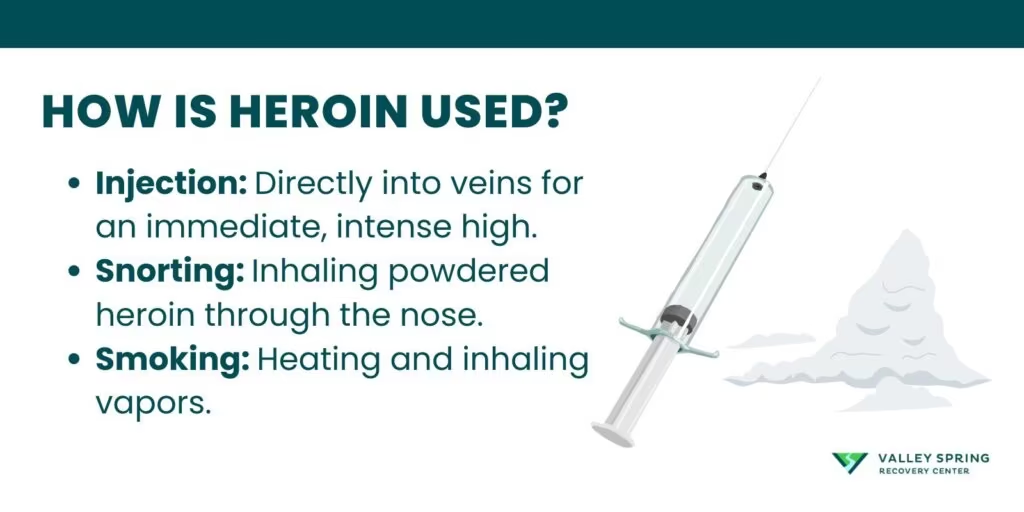
The following are ways heroin is used:
- Injection: Heroin is commonly injected intravenously, which provides the fastest and most intense onset of effects. The drug enters the bloodstream almost immediately, reaching the brain within seconds. This method significantly increases the risk of overdose because of the rapid delivery and high concentration of the drug entering the system at once. Injection also carries risks of infection and damage to veins, especially when needles are shared.
- Snorting: Heroin is also snorted, where it is inhaled through the nose in powdered form. This method leads to slower absorption compared to injection, as the drug must pass through the nasal membranes into the bloodstream. While it reduces the immediate overdose risk seen with injection, snorting heroin still poses serious risks to the nasal passages and the risk of addiction is high, as the drug still rapidly reaches the brain.
- Smoking: Smoking heroin, referred to as chasing the dragon, involves heating the drug on a surface and inhaling the vapor. This method allows the drug to be absorbed quickly into the bloodstream via the lungs. Smoking heroin is considered highly addictive, as it delivers a rapid and intense high, similar to injection, but without the risks of needle use. It causes severe lung and respiratory problems with prolonged use.
What are the Effects of Heroin?
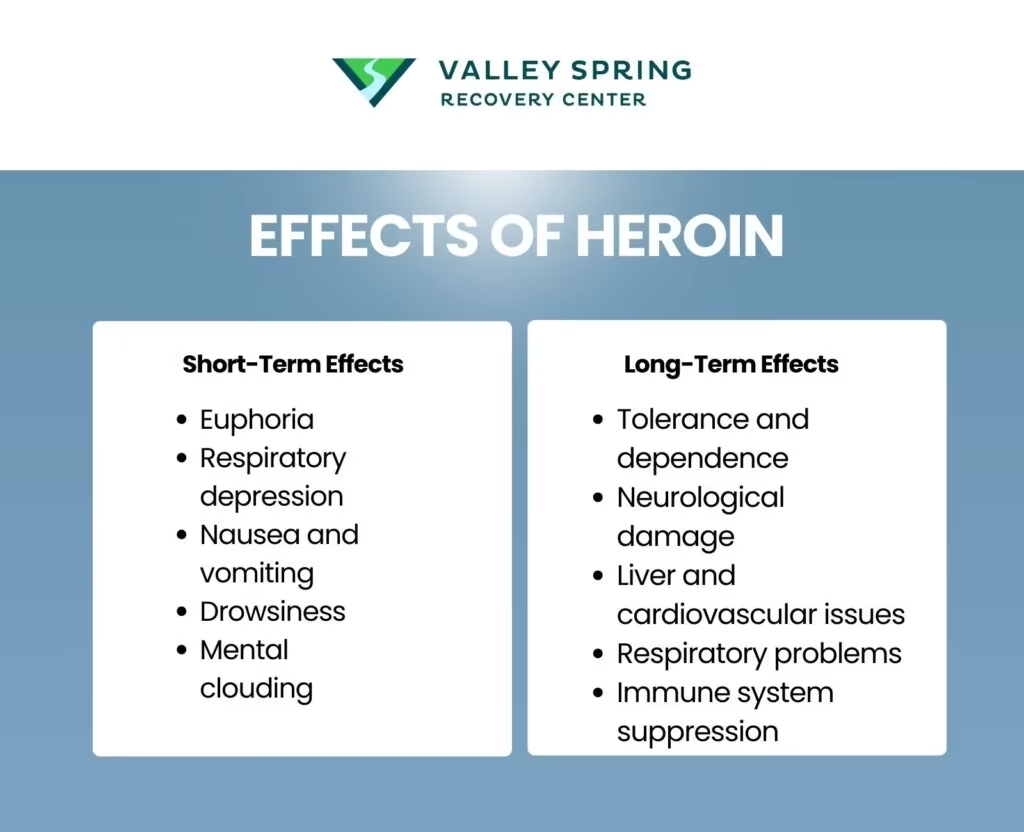
The effects of heroin are euphoria, respiratory depression, nausea, and vomiting. These effects are mild to severe and impact both the short-term and long-term health of the user. Short-term effects primarily involve physical and psychological responses, while long-term use results in irreversible damage to organs and brain function.
Short Term Effects of Heroin
Short-term effects of heroin are as follows:
- Intense Euphoria: Heroin use produces an immediate feeling of intense euphoria and pleasure. This rush of feelings occurs almost immediately after the drug enters the bloodstream. The user experiences a heightened sense of well-being and relaxation, which is a primary reason many people seek out heroin use. According to a study by the National Institute on Drug Abuse “What are the immediate (short-term) effects of heroin use?” this pleasurable sensation quickly fades, leading to cravings and further use, which contribute to the development of addiction.
- Respiratory Depression: One of the most dangerous short-term effects of heroin is respiratory depression. Heroin slows breathing, and in large doses, it causes respiratory failure, which leads to insufficient oxygen supply to the brain and vital organs. This results in coma or death from overdose. As a major cause of heroin-related fatalities, respiratory depression is one of the most immediate and life-threatening consequences of heroin use, according to a study by Maudsley Biomedical Research Center, "Heroin injection associated with a respiratory disorder."
- Nausea and Vomiting: Heroin’s impact on the gastrointestinal system causes nausea and vomiting. This reaction is part of the body’s response to the drug, particularly when users inject or ingest larger quantities, according to Camilleri M, Lembo A, Katzka DA. et al. 2017, titled “Opioids in Gastroenterology: Treating Adverse Effects and Creating Therapeutic Benefits.” Vomiting exacerbates the risk of choking, dehydration, and signals the beginning of an overdose. While these symptoms subside after a while, they contribute to the overall discomfort of heroin use.
- Drowsiness and Sedation: Users commonly experience drowsiness and sedation after using heroin. The drug induces a state of relaxation, leaving individuals in a semi-conscious state, according to a study by Moses TEH, Lundahl LH, Greenwald MK. et al. 2018, titled “Factors associated with sedative use and misuse among heroin users.” As a depressant, heroin inhibits brain activity and lowers overall bodily functions, leading to profound lethargy. The sedative effects impair motor skills and cognitive functions, increasing the risk of accidents, such as falls or other injuries.
- Clouded Mental Functioning: Heroin impairs cognitive functioning, leading to a clouded mental state. Decision-making and judgment are significantly affected by heroin, and users find themselves making risky choices that they would normally avoid. This impaired thinking is a central characteristic of heroin intoxication and contributes to behaviors such as unsafe sexual practices, driving under the influence, and risky drug-sharing practices, which increase the likelihood of injury and disease transmission.
- Mood Swings: Heroin use causes dramatic mood swings. After the initial euphoric high, users experience irritability, confusion, or even extreme emotional lows. These rapid shifts in mood contribute to the psychological instability seen in chronic users. As the drug’s effects wear off, the sudden crash leads to withdrawal symptoms, which only intensifies the cycle of addiction.
- Cravings: One of the primary short-term effects of heroin is intense cravings for more of the drug. The euphoria that users experience after using heroin quickly dissipates, leading to cravings for more to continue feeling pleasure or to stave off withdrawal symptoms. These cravings contribute to the cycle of repeated heroin use and increase the likelihood of developing a full-blown addiction.
Long-term Effects of Heroin
Long-term effects of heroin are as follows:
- Tolerance: Over time, users of heroin develop tolerance, meaning that they need increasingly larger doses of the drug to achieve the same effects. This gradual need for higher amounts of the drug escalates the risk of overdose, as users take dangerously large quantities to chase the initial euphoria. Tolerance leads to dependency, making it harder to quit the drug and increasing the risk of harmful physical consequences, according to the National Institute on Drug Abuse (NIDA), "What are the long-term effects of heroin use?"
- Neurological Damage: Chronic heroin use leads to permanent neurological damage. The drug impacts the brain’s white matter, impairing cognitive functions, decision-making, behavior regulation, and responses to stress, according to the National Institute on Drug Abuse, "What are the long-term effects of heroin use? Over time, heroin addiction significantly alters the brain’s wiring, leading to cognitive impairments that affect a person’s ability to reason, plan, and make healthy decisions. Long-term use of heroin leads to irreversible damage that is not fully recoverable, contributing to long-term mental health and behavioral problems.
- Cardiovascular Damage: Long-term heroin use also damages the cardiovascular system. Heroin use, especially through intravenous injection, causes inflammation of the heart lining and heart valves, increasing the risk of heart infections, according to Heart.org, titled "Illegal Drugs and Heart Disease." Chronic use also increases the likelihood of collapsed veins, particularly in users who inject heroin. These cardiovascular complications lead to severe health issues such as heart failure, strokes, and life-threatening infections
- Chronic Liver Damage: Chronic use of heroin severely damages the liver, particularly in individuals who are also infected with hepatitis C or HIV. Heroin users who engage in injection are at a particularly high risk of developing liver complications due to contaminated needles and the toxic effects of the drug on the liver, according to a study by LiverTox: Clinical and Research Information on Drug-Induced Liver Injury, 2012. Prolonged use of heroin strains the liver’s ability to detoxify the body, leading to conditions such as cirrhosis and liver failure.
- Psychological Dependence: Long-term heroin use leads to significant psychological dependence. As the body becomes reliant on the drug, the user’s mental and emotional well-being is deeply affected. Chronic heroin users struggle to stop using despite knowing the negative consequences. The intense cravings and need for the drug become a driving force in their daily lives, leading to persistent psychological dependence that requires professional treatment to overcome.
- Impaired Immune System: Heroin weakens the immune system, making users more susceptible to infections, including HIV and Hepatitis C, according to the Centers for Disease Control and Prevention, "Heroin | Overdose Prevention." The drug suppresses the body's ability to fight off illness, and heroin users are more likely to engage in high-risk behaviors such as sharing needles, which further exacerbates the risk of acquiring infectious diseases. This weakened immune system results in prolonged illness and increased complications.
- Chronic Respiratory Issues: Prolonged heroin use causes long-term respiratory depression. Even after the immediate effects of the drug wear off, users experience breathing problems that persist, such as difficulty catching their breath or shortness of breath. Chronic respiratory depression leads to conditions like sleep apnea and increased susceptibility to pneumonia and other respiratory illnesses, according to a study by Maudsley Biomedical Research Center, "Heroin injection associated with a respiratory disorder."
What is Heroin Addiction?
Heroin addiction is a long-term, relapsing condition characterized by an uncontrollable urge to seek and use heroin despite its severe negative consequences. It is classified as a substance use disorder and is marked by both physical dependence and psychological cravings that drive compulsive drug-seeking behavior. According to a journal titled “Heroin Addiction and Related Clinical Problems” published by the European Opiate Addiction Treatment Association (EUROPAD), individuals suffering from heroin addiction continue to use the drug despite harmful effects on their personal, professional, and social lives.
The mechanism of heroin addiction primarily involves its impact on the brain’s reward system. Upon entering the body, heroin rapidly crosses the blood-brain barrier and converts into morphine, binding to opioid receptors. This process triggers the release of large amounts of dopamine, a neurotransmitter associated with pleasure and reward. Over time, the brain adapts to the excessive dopamine levels, reducing its sensitivity to natural rewards and increasing the user’s dependence on heroin to experience pleasure. This neurobiological process is well-documented in the study by Kosten TR, George TP. et al. 2002, titled “The Neurobiology of Opioid Dependence: Implications for Treatment.”
In medical classifications, heroin addiction is formally recognized as Opioid Dependence under the International Classification of Diseases (ICD-10) with the specific code F11.2. This classification, as defined by the World Health Organization (WHO), 2019, underscores the global recognition of heroin as a highly addictive and dangerous opioid, leading to significant psychological and physical dependence.
According to the 2021 National Survey on Drug Use and Health by the National Institute on Drug Abuse (NIDA), approximately 0.4% of individuals aged 12 or older, equating to about 1.1 million people, reported using heroin within the past year. The 2022 Monitoring the Future Survey found that heroin use among students remains low, with 0.3% of 8th graders, 0.2% of 10th graders, and 0.3% of 12th graders reporting heroin use within the past 12 months. Additionally, the same National Survey estimated that around 1.0 million individuals suffered from heroin use disorder.
What Are the Withdrawal Symptoms of Heroin?
The withdrawal symptoms of heroin are nausea, vomiting, sweating, muscle aches, anxiety, agitation, insomnia, diarrhea, fever, and intense cravings for heroin. These symptoms begin as early as 6 to 12 hours after the last dose. The symptoms peak within 24 to 48 hours and last for up to 10 days, depending on the individual's level of dependence and frequency of heroin use. Withdrawal occurs because the brain has become reliant on heroin’s effects, and when the drug is suddenly removed, the body struggles to function without it.
How Long Does Heroin Stay in Your System?
Heroin stays in your system for approximately 5 to 7 days, depending on the testing method and an individual's metabolism. The half-life of heroin is extremely short, around 2 to 6 minutes, as it rapidly metabolizes into 6-monoacetylmorphine (6-MAM) and morphine. Heroin and its metabolites are detected in blood for up to 6 hours, in urine for up to 3 days, in saliva for up to 24 hours, and in hair for up to 90 days. A study by George R. et al. 2020, titled "Pharmacokinetics of Heroin and its Metabolites", confirms that heroin's rapid metabolism contributes to its short detection window, but chronic use extends detection times.
Can You Overdose on Heroin?
Yes, you can overdose on heroin and it is a life-threatening condition that occurs when an individual consumes a toxic amount of the drug, leading to severe respiratory depression. The primary reason for heroin overdose is its powerful suppression of the central nervous system, which slows breathing to dangerously low levels or causes it to stop entirely. Overdoses are especially common when heroin is mixed with fentanyl, an even more potent synthetic opioid. The symptoms of heroin overdose include shallow breathing, bluish lips and nails, pinpoint pupils, unconsciousness, weak pulse, and seizures. According to the CDC “Drug Overdose Deaths in the United States, 2002–2022,” the age-adjusted rate of drug overdose deaths involving heroin decreased 35.7% from 2.8 in 2021 to 1.8 in 2022.
What Substances Are Commonly Mixed with Heroin?
Substances that are commonly mixed with heroin include fentanyl, cocaine, benzodiazepines, and other synthetic opioids. Dealers lace heroin with fentanyl to increase potency, but this dramatically raises the risk of overdose because fentanyl is up to 50 times stronger than heroin. Heroin is sometimes mixed with sedatives like benzodiazepines, which enhance its depressive effects on the respiratory system, making overdose more likely. The unpredictability of street heroin’s composition increases the dangers associated with its use.
What Are the Dangers of Mixing Cocaine and Heroin?
The dangers of mixing cocaine and heroin are severe, as this combination, known as a speedball, causes extreme cardiovascular and respiratory distress. Cocaine is a stimulant that increases heart rate and blood pressure, while heroin is a depressant that slows breathing. This conflicting effect puts immense strain on the body, increasing the risk of heart attacks, strokes, and respiratory failure. Similarly, mixing cocaine and alcohol is dangerous because the liver metabolizes them into cocaethylene, a toxic compound that heightens the risk of sudden death and liver damage.
Can You Drink Alcohol on Heroin?
No, you cannot drink alcohol while using heroin because it is extremely dangerous and is fatal. Both substances depress the central nervous system, which significantly slows breathing and heart rate. Combining alcohol and heroin increases the risk of respiratory failure, unconsciousness, and overdose. According to a report by the National Institute on Drug Abuse (NIDA), many heroin-related overdoses involve alcohol, as the combined effects intensify sedation and impair the body's ability to regulate important functions.