21 Strange And Unusual Addictions
Strange addictions range from eating glass and drywall to forming romantic relationships with cars or dolls. These unusual addictions harm a person’s health, relationships, and daily life.
Unlike substance addictions, these behavioral patterns involve non-food items or unconventional activities that provide psychological satisfaction. Treatment programs exist to help individuals overcome these compulsions and regain control of their lives.
Here is the 21 strange addictions list:
1. Strange and Bizzare Eating Habits
Strange eating habits are defined as the consumption of unimaginable non-food items despite negative consequences. There are numerous cases of people ingesting substances that are uncommon, which are listed below:
dryer sheets
hair right off cats
drywall
toilet paper
consuming the ashes of a deceased loved one
eating rocks
cigarette ashes
glass
The effect of being addicted to eating on individuals is quite concerning. These weird addictions harm individuals physically and threaten their health, increasing cancer risks. They destroy lives, cause antisocial behavior, and lead to extreme poverty. The problem is not just eating, but an obsession and compulsion to consume unusual items.
Ingesting soap, developing geophagia, and eating glass each pose daily dangers. It is essential to recognize the seriousness of these weird addictions and their effects on individuals and loved ones.
Did you know most health insurance plans cover substance use disorder treatment? Check your coverage online now.
2. Bizarre Body Obsessions
Body-related obsessions are another realm of strange addictions that leave most people bewildered. These addictions include:
Compulsive body piercing
Body casting
Dermatillomania (skin picking)
Snorting talcum powder
Self-inflicting bee stings
Although these uncommon addictions are less extreme than eating mattresses, they still carry significant dangers
Body casting addiction involves applying a cast to one’s own body, a peculiar but dangerous act. Snorting baby powder or stinging oneself with bees causes severe health issues and should not be ignored.
Endorphin release drives these body obsessions, giving calmness, but the risks outweigh perceived benefits.
3. Unconventional Relationships

Unconventional Relationships refer to bonds where individuals form deep emotional connections with inanimate objects. In the realm of bizarre addictions, these relationships occupy a special place. These connections involve a person developing strong feelings for objects like a car, a doll, or a carnival ride. Examples include Nathaniel’s car Chase, Davecat’s doll Sidore, and Linda’s carnival ride Bruce.
The different types of unconventional relationships vary greatly. Objectum-sexual relationships (Linda and Bruce) and pony play addiction (Nathaniel and his car) provide comfort and emotional satisfaction in unconventional ways. These relationships help cope with loneliness or depression and provide companionship and understanding that is hard to find in human relationships.
However, the implications of these unconventional relationships are quite complex. These relationships offer solace and companionship but can harm mental health and social life.
Maintaining emotional well-being requires striking a balance between comfort from these relationships and healthy connections with others.
4. Hygiene-Related Fixations
Hygiene-related fixations are another category of strange addictions that are both puzzling and concerning. Hygiene-related fixations are compulsive behaviors centered on cleanliness and hygiene. Examples include thumb sucking, bathing in bleach, pulling hair from shower drains, and hoarding, sniffing, or chewing dirty diapers. Though less extreme than eating plastic bags or bee stings, these fixations carry significant risks and consequences.
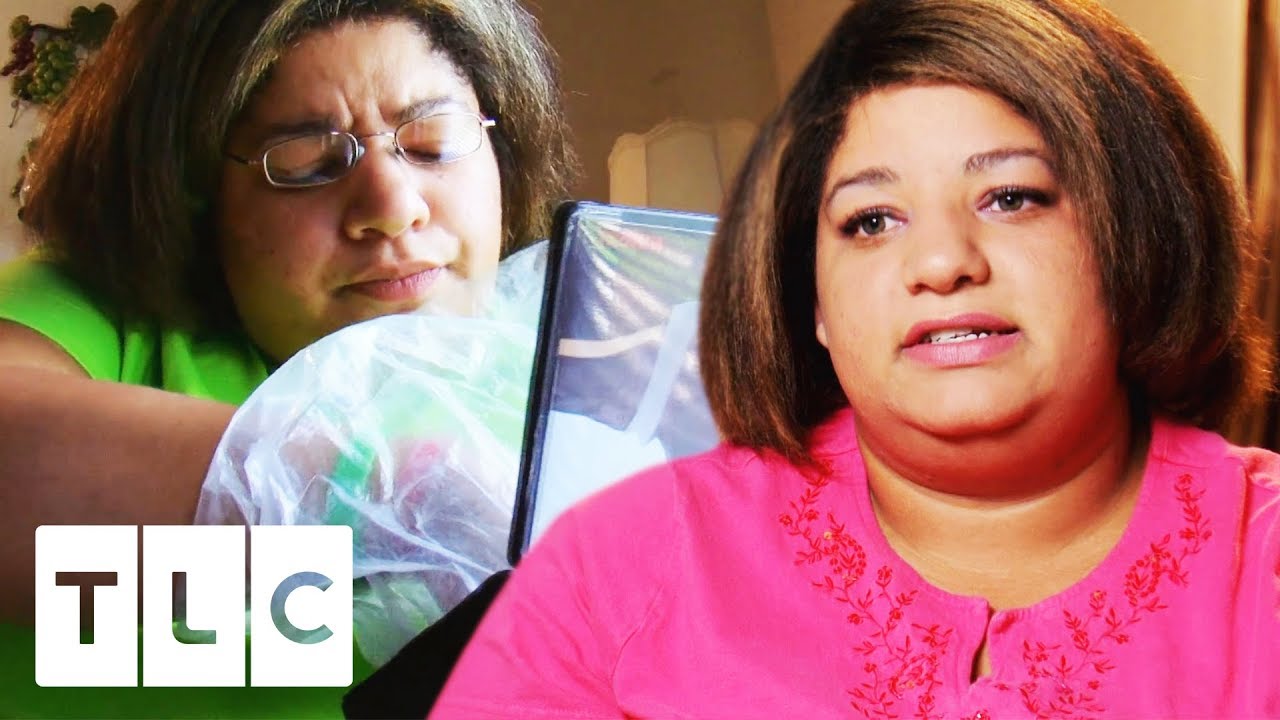
Take Evan, a 28-year-old from Seattle, who has developed a compulsion to pull hair out of shower drains up to three times a week. His addiction began after his father passed and has since taken over his life. Similarly, Keyshia, a 22-year-old from Queens, New York, is addicted to hoarding, sniffing, and chewing on soiled diapers. Her addiction began three years ago when a friend asked her to throw away a dirty diaper, but she kept it.
Hygiene fixations significantly impact affected individuals, causing physical, mental, social, and financial consequences. To protect well-being, individuals and loved ones must recognize the severity of these uncommon addictions and seek help.
Contact us today to schedule an initial assessment or to learn more about our services. Whether you are seeking intensive outpatient care or simply need guidance on your drug addiction journey, we are here to help.
5. Ingesting Dangerous Substances
The consumption of dangerous substances is another category of strange addiction that is both baffling and life-threatening. People ingest hazardous materials (glass, bullets, nail polish) for attention or thrill-seeking purposes. These behaviors carry numerous risks and can cause severe health complications if untreated.
For instance, Bertha was addicted to drinking nail polish, and a Canadian woman was addicted to drinking pig blood. Motivations for these dangerous addictions vary, but all pose potential harm to individuals and those around them.
Overcoming these dangerous habits requires help and support, which is vital for the safety and well-being of both the individual and their loved ones. Recognizing the severity of these addictions and taking action prevents further harm and helps individuals regain control of their lives.
6. Bodily Fluids
Consuming one’s own urine is considered one of the most unusual addictions in the world. Some even used their urine to clean their teeth. Drinking one’s own urine is referred to as urophagia. These coping mechanisms provide temporary relief but cause long-term physical and mental health issues.
7. Eating Soap
Eating or consuming soap bars or soap flakes is a behavioral addiction that negatively impacts health and relationships. This addiction captivates users, who describe the soap’s texture and scent as irresistibly alluring.
Rediscover Life at Valley Spring Recovery Center
Get the compassionate support you deserve. We're here to help you reclaim joy, wellness, and a brighter future.
Verify Benefits
8. Drinking Paint
Drinking paint is a behavioral addiction where individuals compulsively ingest liquid paint. Some individuals consume toxic paint despite severe health risks; these addictions are real and should not be stigmatized. Like drug addiction, behavioral addictions trap people who cannot stop despite harmful consequences.
9. Chewing Ice
Ice chewing represents one of the weird addictions once dismissed as harmless. Individuals with pagophagia chew dozens of ice cubes daily, craving the crunch that briefly boosts alertness. This compulsion signals iron deficiency anemia, since the body seeks more blood flow to the brain. Ice chewing destroys tooth enamel, causes dental sensitivity, and masks nutritional deficiencies needing treatment.
10. Sniffing Gasoline
Gasoline sniffing represents the strangest addiction once discovered among volatile substance users. Individuals inhale gasoline fumes from containers, bags, or rags to seek quick euphoria. Gasoline sniffing damages the brain, destroys tissue, and causes permanent disabilities like poor coordination, slurred speech, and memory loss.
Toxic chemicals enter the blood via the lungs, depress the nervous system, and cause hallucinations that users crave despite risks. Long-term sniffers end up wheelchair-bound with irreversible brain damage. Death occurs from heart failure, respiratory depression, or accidents during intoxicated states.
Are you covered for treatment?


Valley Spring Recovery Center is an approved provider for Blue Cross Blue Shield and Cigna, while also accepting many other major insurance carriers.
Check Coverage Now!11. Eating Hair (Trichophagia)
Eating hair, medically known as trichophagia, is one of the most unusual psychiatric addictions. People with this disorder compulsively pull and swallow strands of hair, sometimes consuming dozens each day. Over time, the swallowed hair forms trichobezoars – solid hairballs in the stomach that cause nausea, abdominal pain, and dangerous digestive blockages. In extreme cases, these hair masses stretch into the small intestine, creating Rapunzel syndrome, a life-threatening condition that often requires emergency surgery for removal.
12. Collecting Dolls
Doll collecting evolves from a hobby into an obsession, leading individuals to compulsively accumulate hundreds or thousands of dolls. This unique addiction is overlooked by mental health professionals, triggering intense dopamine rushes from purchases, resulting in significant financial strain as collectors spend thousands and neglect bills. Dolls serve as surrogate companions during loneliness, anxiety, and depression, fostering emotional bonds with inanimate objects. Many collectors experience dissociative episodes when selling dolls, and the fleeting high from new acquisitions drives a cycle of continuous buying, isolating them from real relationships and responsibilities.
13. Tanning Addiction
Tanning addiction describes the compulsive urge to seek out UV exposure through sunbathing or tanning beds multiple times per week. Many young adults develop psychological dependence as the body releases endorphins during tanning, producing euphoric effects similar to other addictive behaviors. Despite painful burns, premature skin damage, and the elevated risk of skin cancer, addicted individuals continue tanning compulsively. Withdrawal symptoms such as irritability, mood swings, and powerful cravings reinforce the cycle, making tanning a dangerous and overlooked behavioral addiction.
Did you know most health insurance plans cover substance use disorder treatment? Check your coverage online now.
14. Eating Glass (Hyalophagia)
Eating glass, or hyalophagia, involves deliberately chewing and swallowing sharp fragments such as light bulbs or glass shards. Though extremely rare, some individuals describe the texture and crunch of glass as strangely satisfying. This dangerous habit often results in shredded throat tissue, torn stomach lining, and severe intestinal bleeding, placing lives at constant risk. Despite the harm, the psychological craving for the experience drives people to continue consuming glass even in the face of life-threatening injuries.
15. Body Modification
Body modification addiction is marked by the compulsive desire for extreme physical alterations, including extensive tattoos, piercings, scarification, and surgeries. What often begins as self-expression escalates into a psychological dependency fueled by the endorphin rush of pain and the attention it brings. Many pursue increasingly extreme modifications like tongue splitting, subdermal implants, or horn implants, which cause irreversible changes to their appearance. While some view it as art or identity, the obsession leads to disfigurement and long-term psychological strain.
16. Eating Chalk
Chalk eating is the compulsive urge to consume chalk sticks, chalk dust, or other calcium carbonate materials. Chalk eating is classified as a pica disorder. Individuals describe the powdery taste and gritty texture as strangely satisfying, eating multiple pieces daily. This unique addiction erodes tooth enamel, increases cavity risk, and damages the digestive tract, sometimes causing intestinal blockages. Contaminated chalk can also expose individuals to toxins such as lead, while excessive consumption contributes to nutritional deficiencies and serious health problems.
Contact us today to schedule an initial assessment or to learn more about our services. Whether you are seeking intensive outpatient care or simply need guidance on your drug addiction journey, we are here to help.
17. Hoarding
Hoarding is a compulsive behavior characterized by the excessive accumulation of possessions and the inability to discard them, regardless of actual value. Individuals often attach sentimental meaning to every object, making parting with items extremely distressing. Over time, homes become filled with piles of newspapers, clothing, and random objects, transforming living spaces into unsafe environments. Hoarding creates fire hazards, blocks pathways, attracts pests, and isolates individuals from family and friends. Despite the chaos and unsanitary conditions, the compulsion to acquire more items persists, worsening both physical safety and mental health.
18. Drinking Blood
Drinking blood, sometimes referred to as Renfield’s Syndrome or clinical vampirism, is a weird addiction that involves consuming animal or human blood. While the behavior is rare, it has been documented in thousands of cases worldwide. Individuals describe feelings of empowerment or relief after drinking blood, but the habit carries extreme health risks. Consuming blood exposes individuals to infections, bloodborne diseases, and iron overload, which can damage organs over time. Despite the dangers, cravings can drive people to continue the practice, making it one of the most alarming addictions.
19. Pulling Out Hair (Trichotillomania)
Hair-pulling disorder, or Trichotillomania, is a psychological condition where individuals feel irresistible urges to pull hair from their scalp, eyebrows, eyelashes, or other body areas. The compulsion often provides temporary relief from stress or anxiety but leads to visible bald spots, skin irritation, and emotional distress. Many sufferers feel shame or embarrassment, which contributes to secrecy and social withdrawal. While the behavior is difficult to control, it highlights the powerful grip of behavioral addictions that damage both mental well-being and self-image.
Rediscover Life at Valley Spring Recovery Center
Get the compassionate support you deserve. We're here to help you reclaim joy, wellness, and a brighter future.
Verify Benefits20. Eating Ashes
Eating ashes is one of the most shocking addictions documented, where individuals consume the ashes of deceased loved ones. This behavior stems from overwhelming grief, with the addict believing that eating ashes creates a sense of closeness or calm. The habit severely damages the digestive system, introducing toxic substances into the body while prolonging emotional suffering. Eating ashes highlights how grief-driven compulsions lead to self-destructive actions that place both physical and psychological health at risk.
21. Obsession with Death
An obsession with death represents a disturbing addiction where individuals fixate on mortality, funerals, and cemeteries. Some engage in risky activities that put their lives in danger, while others immerse themselves in environments associated with death as a source of comfort or fascination. This behavior disrupts daily functioning, isolates the individual from healthy relationships, and reinforces unhealthy patterns of thought. The addiction transforms a natural human curiosity about mortality into a compulsive lifestyle that undermines well-being.
What Is The Impact Of Addiction on Friends and Family?
Addiction has a profound impact on relationships, friends, and family members, creating feelings of worry and tension in their relationships due to the addict’s peculiar habits, which negatively affect their lives. Loved ones might feel a mix of anxiety, fear, and confusion as they try to reconcile why the person can’t stop their addiction.
To people outside the stages of addiction, it is confusing why the addict is not able to just stop their addiction, since logically the consequences seem great enough that a reasonable person would just stop. However, the euphoria received in the brain from continuing with the addiction outweighs the consequences in the mind of an addict.
Friends and family members need to remain supportive and understanding, encouraging their loved ones to seek help and treatment for their addictions. Support from relationships, even if impacted by the addiction, can aid the individual in overcoming their addiction and working towards a more fulfilling life.
Are you covered for treatment?
Valley Spring Recovery Center is an approved provider for Blue Cross Blue Shield and Cigna, while also accepting many other major insurance carriers.
Check Coverage Now!Are There Rehab Programs For Behavioral Addictions?
Yes, there are specialized rehab programs for behavioral addictions that treat conditions like gambling addiction, gaming addiction, shopping addiction, and internet addiction. These behavioral addictions are recognized as serious conditions that cause financial problems, relationship issues, and emotional distress similar to substance abuse.
What Are The Treatments For Behavioral Addictions And Compulsive Behaviors?
Treatments for behavioral addictions and compulsive behaviors include cognitive and dialectical therapies, motivational interviewing, contingency management, group or family support, mindfulness practices, holistic care, and 12-step programs.
Here are the common treatment options for behavioral addictions in detail:
- Cognitive Behavioral Therapy (CBT) helps individuals identify and change negative thought patterns and behaviors, making it effective for treating various behavioral addictions by addressing underlying cognitive distortions and developing healthier coping mechanisms.
- Dialectical Behavior Therapy (DBT) focuses on teaching skills to manage emotions, tolerate distress, and improve relationships, particularly benefiting those with compulsive behaviors by helping them regulate their emotions and reduce impulsive actions.
- Motivational Interviewing (MI) is a counseling approach that assists individuals in finding the motivation to make positive changes, enhancing their commitment to overcoming their addiction by resolving ambivalence towards change.
- Medication-Assisted Treatment (MAT) involves using medications to manage withdrawal symptoms, reduce cravings, or address co-occurring mental health disorders, and while it is primarily used for substance addictions, certain medications can also help manage compulsive behaviors when co-occurring with other mental health issues.
- Contingency Management (CM) uses positive reinforcement to encourage abstinence from addictive behaviors, with individuals receiving rewards for meeting specific goals, thereby reinforcing positive behavior changes.
- Group Therapy provides a supportive environment where individuals can share experiences, gain insights, and learn from others, fostering a sense of community and accountability.
- Family Therapy focuses on improving communication and relationships within the family unit, addressing the impact of addiction on family dynamics, and involving family members in the recovery process to enhance treatment outcomes.
- Mindfulness-based therapies promote awareness and acceptance of the present moment through practices such as mindfulness meditation, which help individuals manage cravings and reduce impulsivity associated with compulsive behaviors.
- Holistic Therapies include treatments like yoga, acupuncture, and nutritional counseling, supporting overall well-being and complementing traditional treatments.
- 12-Step Programs like Gamblers Anonymous provide a structured approach to recovery with peer support groups, offering a supportive community and framework for individuals to work through their addiction and maintain sobriety. These treatments are tailored to meet the specific needs of each individual, offering a comprehensive approach to managing and overcoming behavioral addictions and compulsive behaviors.
Share This Post

Dr. Michael Olla
All author posts
Our Therapuetic Recovery Programs
Are you covered for treatment?





Valley Spring Recovery Center is an approved provider for Blue Shield of California and Cigna, while also accepting many other major insurance carriers.
Check Coverage Now!