Crack Addiction: Symptoms, Causes, Effects and Treatment

Crack addiction is a chronic and progressive stimulant use disorder resulting from the compulsive smoking of crack cocaine, a crystallized form of cocaine hydrochloride processed with baking soda. This transformation produces “rocks” that release rapid and intense effects when smoked, increasing both abuse potential and dependency rates.
According to the Substance Abuse and Mental Health Services Administration (SAMHSA), more than 432,000 Americans reported current use of crack cocaine in 2022, underscoring its ongoing presence in substance-related health emergencies.
Crack cocaine belongs to the stimulant drug class, which includes powdered cocaine, methamphetamine, and synthetic cathinones (“bath salts”). Among stimulants, crack is distinguished by its high addiction liability, rapid onset, and short-lived euphoria, often leading to repeated dosing in binge patterns.
“Although not addictive in the same physical ways as Opioids, crack use is uniquely destructive because the brain’s dopamine system is rapidly hijacked, driving compulsive consumption far beyond voluntary control. Crack Cocaine and other stimulants like methamphetamine often have the most long lasting cravings and psychological difficulty to let go of” states Dr. Michael Olla, Pyschiatrist at The Valley Spring Recovery Center and addiction specialist at Columbia University.
Symptoms and Diagnosis:
- Physical: Rapid heart rate, dilated pupils, weight loss, seizures.
- Psychological: Anxiety, paranoia, hallucinations, aggression.
- Behavioral: Compulsive drug-seeking, financial instability, criminal involvement.
Diagnosis follows DSM-5 criteria for stimulant use disorder and may include toxicology screenings and psychosocial assessments to evaluate severity.
Effects:
- Health Effects: Cardiovascular events (stroke, heart attack), pulmonary complications (respiratory distress from smoking), neurological decline (seizures, cognitive impairment).
- Social Effects: Family breakdown, unemployment, homelessness, exposure to criminal networks, such as the Paterson-based “100k” gang indictment, where crack trafficking was central to organized crime activity in 2025.
- Public Health Effects: Overburdened emergency departments, increased incarceration rates, and perpetuation of socioeconomic disparities in urban communities.
Treatment Approaches:
- Behavioral Therapies: Cognitive Behavioral Therapy (CBT), Contingency Management, Motivational Interviewing.
- Rehabilitation Programs: Inpatient detoxification, residential treatment, outpatient relapse-prevention programs.
- Pharmacological Research: Off-label trials using disulfiram, modafinil, and topiramate show potential in reducing cravings, though no FDA-approved medication exists specifically for crack cocaine.
Effective treatment is measured by sustained abstinence rates, relapse reduction, psychological stabilization, and reintegration into social/occupational roles. Programs improve efficiency by combining medical supervision, long-term therapy, and aftercare with community-based recovery supports.
Addressing crack addiction is not only about reducing individual harm but also mitigating systemic issues such as drug-related violence, healthcare strain, and intergenerational trauma.
What is Crack?

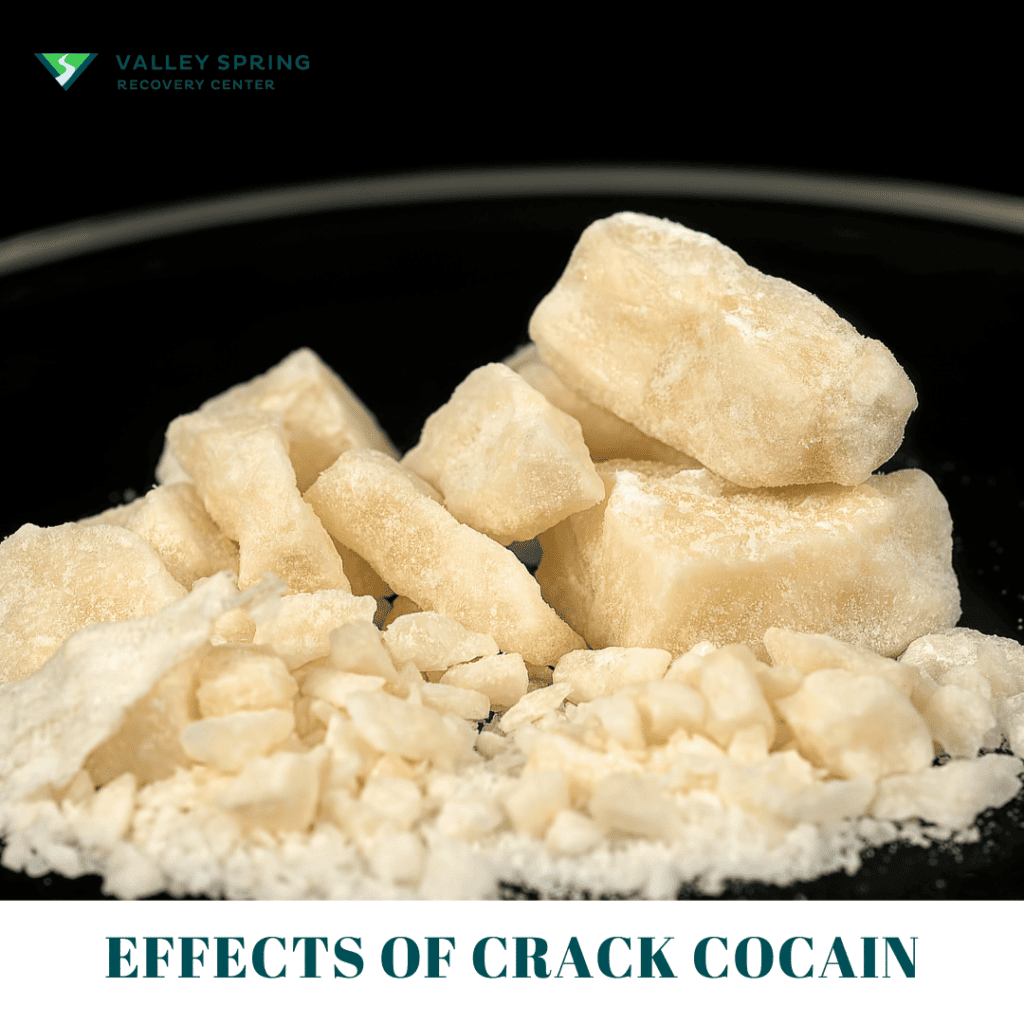
Crack cocaine is a highly addictive form of cocaine derived from the coca plant. It is processed into a solid form, typically small rocks or crystals, and named “crack” due to the crackling sound it makes when heated for smoking. Crack is smoked using a pipe or other devices, allowing rapid absorption into the bloodstream through the lungs. Production involves mixing cocaine powder with baking soda or an alkaline substance and heating it, creating a more potent form with a quicker and more intense high than powdered cocaine.
Crack’s rapid effects are due to its ability to quickly cross the blood-brain barrier, causing a surge in dopamine, a neurotransmitter associated with pleasure and reward. Its highly addictive nature and rapid onset of euphoria pose a significant risk for dependence and addiction. Intense cravings and withdrawal symptoms associated with crack addiction can lead individuals to prioritize obtaining and using the drug, often at the expense of their health, relationships, and well-being.
Did you know most health insurance plans cover substance use disorder treatment? Check your coverage online now.
How is Crack Cocaine Different from Powdered Cocaine?
Crack cocaine differs from powdered cocaine in its form and method of use. Crack is processed into a rock crystal, while powdered cocaine remains in a powder form. Unlike powdered cocaine, which is typically snorted, crack is usually smoked, leading to an intense and immediate high. The effects of crack are generally shorter-lived but more intense compared to powdered cocaine.
Why is crack so addictive?
Crack is so addictive because of its intense, short-lived effects and the rapid cycle of euphoria and withdrawal it induces. The drug acts on the brain’s reward system, releasing a large amount of dopamine, a neurotransmitter associated with pleasure and reward, forcing the addict to continue using crack despite the negative consequences. Crack creates an intense feeling of euphoria that lasts for only a short period, typically 5 to 10 minutes. The rapid onset and short duration of the high often lead to a cycle of repeated use in an attempt to sustain pleasurable feelings, thereby increasing the risk of addiction.
The abrupt drop in dopamine levels after the high subsides can lead to withdrawal symptoms like depression and anxiety, further compelling the individual to seek out the drug. The highly reinforcing nature of these rapid cycles makes crack cocaine one of the most addictive substances. A crack cocaine addict will continue using the drug even though there are obvious harmful effects. Crack addiction often involves physical and mental dependence. Becoming dependent on the substance means that a person may experience symptoms of withdrawal when cutting back on crack cocaine use.
What Are The Signs of Crack Addiction?

The signs of crack addiction include changes in physical appearance such as dilated pupils and sudden weight loss, erratic behavior like neglecting responsibilities and social withdrawal, and emotional instability including intense cravings and increased anxiety. Below are signs and symptoms that can aid in recognizing Crack addiction for early intervention and effective treatment.
Contact us today to schedule an initial assessment or to learn more about our services. Whether you are seeking intensive outpatient care or simply need guidance on your drug addiction journey, we are here to help.
Physical Signs
- Dilated pupils
- Bloodshot or red eyes
- Sudden weight loss
- Changes in appetite
- Frequent nosebleeds (if snorting)
- Track marks or puncture wounds (if injecting)
- Burn marks on fingertips or lips (from smoking)
- Poor hygiene and neglect of physical appearance
- Tremors or shakes
- Slurred speech
- Unsteady gait or coordination difficulties
Behavioral Signs
- Drastic changes in sleep patterns, such as insomnia or hypersomnia
- Neglecting responsibilities at work, school, or home
- Withdrawal from social activities and isolating oneself
- Engaging in secretive or suspicious behavior
- Financial difficulties or unexplained money problems
- Lying or being dishonest about drug use
- Engaging in risky or criminal behaviors to obtain crack cocaine
- Relationship problems and conflicts with family and friends
- Loss of interest in previously enjoyed hobbies or activities
- Mood swings, irritability, and aggression
Emotional Signs
- Intense cravings for crack cocaine
- Feelings of restlessness and agitation
- Increased anxiety and paranoia
- Mood swings and irritability
- Depression and feelings of hopelessness
- Emotional instability and difficulty regulating emotions
- Heightened sensitivity to stress and triggers
- Social withdrawal and isolation
- Impaired judgment and decision-making
- Lack of motivation and apathy towards previously important aspects of life
Rediscover Life at Valley Spring Recovery Center
Get the compassionate support you deserve. We're here to help you reclaim joy, wellness, and a brighter future.
Verify Benefits
What Are The Symptoms of Crack Addiction?

The symptoms of crack addiction encompass a range of physical, behavioral, emotional, and social indicators that reflect the compulsive use of crack cocaine and the negative impact it has on an individual’s life.
Early Symptoms
- – Increased energy and alertness
- – Elevated mood and euphoria
- – Decreased appetite
- – Dilated pupils
- – Heightened confidence and sociability
- – Restlessness and irritability
- – Increased talkativeness
- – Intense cravings for crack cocaine
- – Risk-taking behaviors and impulsivity
- – Neglect of responsibilities and obligations
Advanced Symptoms
- – Severe weight loss and malnutrition
- – Chronic insomnia or disrupted sleep patterns
- – Paranoia and hallucinations
- – Aggressive and violent behavior
- – Financial problems and desperate efforts to obtain crack cocaine
- – Social isolation and strained relationships
- – Decline in personal hygiene and appearance
- – Poor decision-making and impaired judgment
- – Loss of interest in activities once enjoyed
- – Health complications, such as heart problems and respiratory issues
Are you covered for treatment?


Valley Spring Recovery Center is an approved provider for Blue Cross Blue Shield and Cigna, while also accepting many other major insurance carriers.
Check Coverage Now!What Are The Effects Of Smoking Crack?
Smoking crack leads to dependency, which is the state of reliance on a substance or behavior, characterized by withdrawal symptoms and a strong compulsion to continue despite negative outcomes. The short-term and long-term effects of crack use are listed below:
Short-Term Effects of Crack Dependency
- Intense euphoria and increased energy
- Heightened alertness and focus
- Decreased appetite
- Increased heart rate and blood pressure
- Constricted blood vessels
- Dilated pupils
- Increased body temperature
- Insomnia
- Restlessness and irritability
- Agitation and anxiety
Long-Term Health Risks of Crack Use
- Severe addiction and dependence
- Cardiovascular problems, such as heart attacks and strokes
- Respiratory issues, including lung damage and pneumonia
- Neurological complications, such as seizures and cognitive impairment
- Mood disorders, including depression and anxiety
- Increased risk of infectious diseases (e.g., HIV/AIDS, hepatitis)
- Damage to the liver, kidneys, and other organs
- Financial and social consequences, such as job loss and strained relationships
- Legal issues and involvement in criminal activities
- Increased risk of overdose, which can be fatal
Did you know most health insurance plans cover substance use disorder treatment? Check your coverage online now.
How Does Crack Affect Mental Health?
Crack affects mental health by significantly increasing the risk of anxiety, depression, and psychotic symptoms such as hallucinations or paranoia. Long-term use can worsen these issues and make them more challenging to treat.
What Are the Immediate Physical Effects of Using Crack?
The immediate physical effects of using crack can include increased heart rate, elevated blood pressure, and hyperstimulation. Users may also experience dilated pupils, increased body temperature, and intense euphoria. However, these effects are often followed by a severe “crash” that can include depression and fatigue.
How Does Crack Addiction Affect Families?
Crack addiction can have a devastating impact on families, leading to broken relationships, financial strain, and emotional trauma. Family therapy is often recommended as part of a comprehensive treatment plan to address these issues.
Contact us today to schedule an initial assessment or to learn more about our services. Whether you are seeking intensive outpatient care or simply need guidance on your drug addiction journey, we are here to help.
What Are The Withdrawal Challenges For Crack Cocaine?
Crack addiction withdrawal presents significant challenges, including intense drug cravings, fatigue, depression, anxiety, restlessness, sleep disturbances, increased appetite, cognitive difficulties, and physical discomfort.
Seeking professional help and support through medically supervised detoxification and addiction treatment programs is crucial for managing withdrawal symptoms and initiating the recovery process.
What Treatment Options Are Available for Crack Addiction?
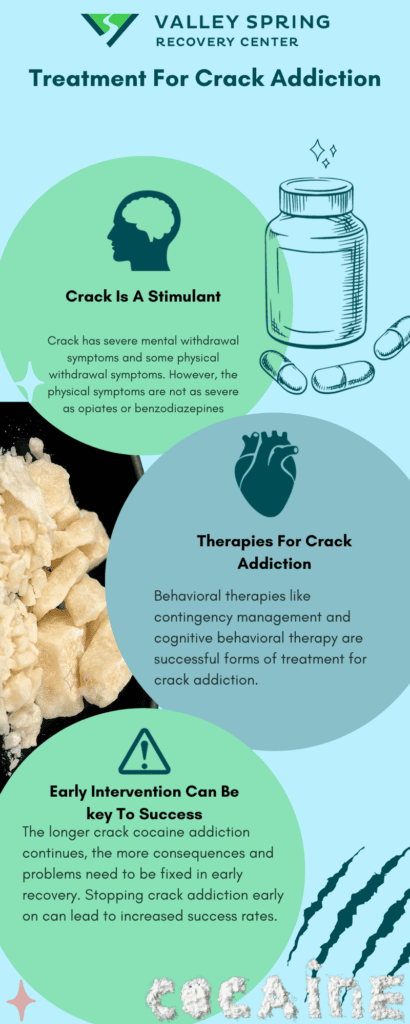
Treatment options for crack addiction include behavioral therapies, counseling, support groups, medication-assisted treatment, and comprehensive addiction programs. All these can be achieved under inpatient or outpatient care and supervision.
Inpatient Treatment
Inpatient treatment for crack addiction involves individuals residing in a specialized facility where they receive intensive, round-the-clock care and support to overcome their addiction.
It typically includes a combination of medical detoxification, individual and group therapy, behavioral interventions, relapse prevention strategies, and holistic approaches to address the physical, psychological, and social aspects of addiction.
Rediscover Life at Valley Spring Recovery Center
Get the compassionate support you deserve. We're here to help you reclaim joy, wellness, and a brighter future.
Verify BenefitsOutpatient Treatment
Outpatient treatment for crack addiction is a form of addiction treatment where individuals receive therapy and support while living at home and attending scheduled treatment sessions at a clinic or treatment facility.
It involves individual counseling, group therapy, educational programs, and may include medication-assisted treatment. Outpatient treatment allows individuals to maintain their daily routines and responsibilities while receiving support for their addiction.
What are the Crack Addiction statistics?
The prevalence of crack addiction remains a significant concern, with individuals from diverse backgrounds being affected by this highly addictive form of substance abuse.
Global statistics
- Prevalence: Crack cocaine addiction is a significant concern in many countries, particularly in North and South America. It has been a major issue in the United States, Canada, and some South American nations.
- Health Impacts: Crack cocaine is a highly addictive substance, and its use can lead to severe physical and mental health problems, including heart issues, respiratory problems, and psychological disorders.
- Treatment: Treatment options for crack addiction include therapy, counseling, and support groups. However, the success of treatment can vary widely among individuals.
- Legal Status: The possession and use of crack cocaine are illegal in many countries, leading to legal consequences for those caught with the drug.
Are you covered for treatment?
Valley Spring Recovery Center is an approved provider for Blue Cross Blue Shield and Cigna, while also accepting many other major insurance carriers.
Check Coverage Now!National Statistics
- Prevalence: In the United States, crack cocaine has been a significant drug issue, particularly during the 1980s and 1990s.
- Cocaine-related Admissions: According to the Substance Abuse and Mental Health Services Administration (SAMHSA), in 2019, there were approximately 68,000 admissions to substance abuse treatment facilities in the U.S. specifically for cocaine-related issues, which may include crack addiction.
- Emergency Department Visits: The Drug Abuse Warning Network (DAWN) reported that in 2011, there were around 505,224 emergency department visits in the U.S. related to cocaine use, including crack cocaine.
- Arrests and Incarceration: In the past, crack cocaine offenses led to a significant number of arrests and incarcerations in the United States. The enforcement of strict drug laws, including mandatory minimum sentences, has disproportionately affected minority communities.
- Demographic Factors: Historically, crack addiction has affected individuals from various socioeconomic backgrounds, but it has been particularly prevalent in lower-income urban areas.
- Health Risks: Crack addiction poses numerous health risks, including cardiovascular problems, respiratory issues, neurological complications, and mental health disorders.
Relapse Rates
Relapse rates for crack addiction can vary depending on various factors, including individual circumstances, treatment approaches, and support systems. Here is some general information on relapse rates:
- Short-term relapse rates: In the early stages of recovery from crack addiction, short-term relapse rates can be relatively high. Estimates suggest that around 40% to 60% of individuals may experience a relapse within the first year after treatment. Crack addiction can be particularly challenging to overcome due to the intense cravings and psychological dependence associated with the drug.
- Long-term relapse rates: Sustaining long-term recovery from crack addiction can be difficult, and relapse rates remain a concern. Studies indicate that over a longer period, such as multiple years after treatment, relapse rates for crack addiction can range from 60% to 80% or higher. It highlights the chronic nature of addiction and the need for ongoing support and relapse prevention strategies.
Mortality Rates
Crack addiction can have severe consequences, including the risk of drug overdose and mortality. However, it is important to note that mortality rates can vary depending on numerous factors.
- Crack overdose statistics related to mortality: Crack cocaine use can lead to overdose, which can be fatal. Overdose deaths involving crack cocaine are typically associated with a combination of factors, including the dose, purity of the drug, individual tolerance, route of administration, and the presence of other substances in the person’s system. However, it’s important to highlight that overdose statistics can fluctuate over time and across different regions.
- Contributing factors: As mentioned earlier, several factors can contribute to the mortality rates associated with crack addiction. These include the potential for cardiovascular complications (such as heart attacks and strokes), respiratory issues, the risk of infectious diseases (such as HIV/AIDS and hepatitis), violence related to drug use, and co-occurring substance use disorders or mental health conditions. Additionally, socioeconomic factors, limited access to healthcare, and the stigma associated with addiction can also impact mortality rates.
Did you know most health insurance plans cover substance use disorder treatment? Check your coverage online now.
How Long Does Crack Cocaine Stay in Your System?

The average half-life of cocaine in plasma is about 1 hour, but its metabolites can be detected in urine for up to 72 hours in occasional users, and up to 2 weeks in chronic heavy users, According to the Substance Abuse and Mental Health Services Administration (SAMHSA).
Types of Drug Testing and Detection Windows:
- Blood Test: Detects crack cocaine for up to 12 hours after use due to its rapid metabolism.
- Urine Test: Most common; detects metabolites 1–4 days post-use, but up to 14 days for heavy or chronic users.
- Saliva Test: Effective for 24–48 hours; less invasive but less widely used.
- Hair Follicle Test: Detects crack cocaine metabolites for up to 90 days or longer, as the substance becomes embedded in hair shafts.
Factors Influencing Detection Time:
- Frequency of Use: Chronic users retain metabolites longer due to accumulation in fatty tissues.
- Dosage and Purity: Higher doses and stronger formulations extend clearance time.
- Individual Physiology: Age, body fat percentage, hydration, and liver function alter metabolism rates.
- Polydrug Use: Concurrent use with alcohol forms cocaethylene, a metabolite that persists longer and increases toxicity.
Efficiency, Quality, and Purpose of Testing:
- Efficiency: Urine tests remain the most efficient for widespread screening due to low cost and longer detection window.
- Quality: Hair tests provide the highest reliability for chronic use history, though they are more expensive.
- Purpose: Testing is conducted in clinical detoxification settings, probation/parole compliance, workplace drug screenings, and emergency medicine cases.
Detection is typically achieved through immunoassay screenings, followed by gas chromatography-mass spectrometry (GC-MS) confirmation for forensic or clinical accuracy. The usage amount and testing type determine how long the crack stays in a user’s system.
Share This Post

Kristie Ashe
All author posts
Our Therapuetic Recovery Programs
Are you covered for treatment?





Valley Spring Recovery Center is an approved provider for Blue Shield of California and Cigna, while also accepting many other major insurance carriers.
Check Coverage Now!